
Happy Tuesday! Today I’m helping close the blog tour for Deborah Klee’s The Evacuee’s Secret and Deborah has kindly write a fabulous piece about part…
The Evacuee’s Secret by Deborah Klee #blogtour #guestpost #theevacueessecret
Personal development and about my books
Happy Tuesday! Today I’m helping close the blog tour for Deborah Klee’s The Evacuee’s Secret and Deborah has kindly write a fabulous piece about part…
The Evacuee’s Secret by Deborah Klee #blogtour #guestpost #theevacueessecret

Yesterday we were driving back from Norfolk, where we had enjoyed a few days’ stay at a favourite caravan park. Husband at the wheel, me and Sat Nav. riding shot gun keeping an eye on the road with helpful directions.
Sat Nav: ‘At the roundabout, take the first exit.’
Me confirming: ‘You turn left at the roundabout.’
Husband: ‘No. That’s wrong. I’m going to ignore her.’
We go around the roundabout, taking the 3rd turnoff and head in the opposite direction.
‘Rerouting.’
The Sat Nav tells us to do an about turn at the next roundabout. Fifteen minutes added to the journey. My husband reluctantly complies, but he is mentally kicking and screaming – a toddler being told, ‘No. We are not going where you want to go.’
As a parent, we know what’s best for our child. We know that the direction we are taking them in is exactly what they need – a nap maybe, or a treat they are not yet aware of.
The Sat Nav was right. It was taking us home by the quickest and safest route.
As creatives, we often experience the anguish of being told No. That is not the route you are going to take.
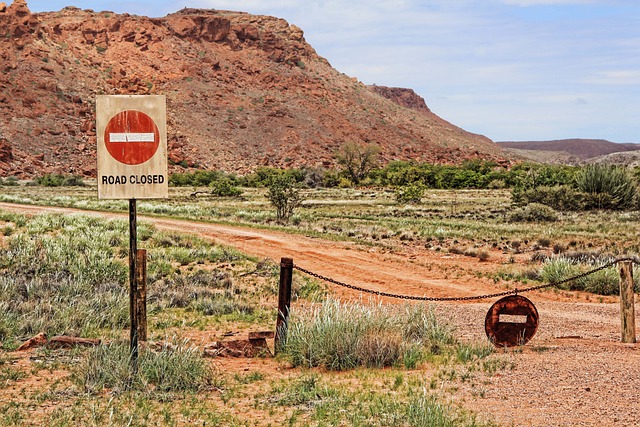
I am a great planner – a control freak. I’ve always been motivated and driven, working towards my goals with commitment and determination. But we cannot control where and how the products of our creativity will be received. Maybe you have a novel out on submission as you try to secure a publishing contract, or you are querying agents looking for representation. Maybe, like me, you think this is the one – your best work, bound for success. You imagine what that success looks like. You can already feel the gratitude, the uplifting feeling that at last you have arrived. Your foot is on the pedal as you anticipate the journey ahead. But No. The way ahead is barred.
When doors close; when the route we were so sure of leads to a dead end, it feels as though the world is against us. Like my husband, convinced he knows better than the Sat Nav, we believe the Universe is wrong.
If we step back mentally and imagine we are the wise parent and not the screaming toddler, maybe we can self soothe with the belief that everything really is working out for us even though we cannot understand or see the bigger picture – right now. Trust that in time, all will become clear.
I am learning, and perhaps that is why I have to experience frustration; a relinquishing of my perceived control – in truth, we control very little of what will be. We just have to listen to the Sat Nav and trust it is the right road.
Until next time, one dear one… take care of your beautiful self and trust the journey.
Deborah – The Mindful Writer. x

A month ago, I experienced the sparkliest “glimmer” I’ve ever felt. It was so extraordinary, I’m still thinking about it. I’ve had them before—tiny …
More Glimmers Please
With author Anita Belli, writing as Rose Parry.
In this fourth episode of season three, The Mindful Writer, I chat with my friend and writing buddy, Anita Belli about her new venture The Glorious 3rd Age.
Before I introduce Anita, let me update you on my writing journey. I am delighted to tell you that I am about to write the last three chapters of The Evacuee’s Secret. I have rewritten the ending after some valuable feedback from an editor. I’m really pleased with the end result. Now, I can’t wait to get it ready for publication. And I have a sequel planned so when my foot is in a surgical boot this summer, I will have plenty to keep me occupied.
Last week I was invited to talk about my books and writing journey to a WI group. My talk was ‘How Friendship, Community, and Emotional Courage have inspired my novels and why it is never too late to follow your dreams. This talk, I am pleased to say, excited and inspired the group of mostly mature women of fifty years plus. Several came up to me afterwards to share with me their dreams and aspirations. My first novel was published when I was sixty years of age. As the main wage earner for our family I did not have time to write when I was younger. Working full-time and raising a family takes a lot of energy. I have huge respect and admiration for anyone who manages to do this and still find time to write.
There is never A right time to write but being older has its advantages. I love being in my sixties as I now have the time to do more of the things I enjoy. I have learnt new skills and achieved things I didn’t believe possible. So, I am in agreement with this week’s guest – there is a glorious third age!
Now, let me introduce you.
Anita Belli is a writer and creative tutor. A former dancer and filmmaker, she devised and taught an MA in making dance for the screen, which led to a love of developing creative ideas with others. Anita is the author of The Traveller and the Rose and other novels, and books for creatives including Kickstart Your Writing.
Rose Parry, Anita’s alter-ego, is the founder of G3A Your Glorious Third Age: A writing, publishing, and learning programme.
It is a pleasure to introduce you to Anita Belli today, as Anita and I have known one another for many years. Living I the same geographical area, we met through a local writers’ group and since then we have been supporting each other in our writing journeys. I invited Anita to the Mindful Writer to talk about her new venture as Rose Parry. Your Glorious 3rd Age.
You can listen to the podcast here: How Older Women can Change the World Episode 3 season three
Or read a summary of our interview below:
Deborah: Hello Anita and welcome. Please tell us about G3A and what inspired you to create this programme.
Anita: Your Glorious 3rd Age is about where I am in myself and writing career. I wanted to be authentic and to find what inspires and motivates me. G3A is a writing, publishing, and learning programme empowering women in their third age to discover their truth and life purpose through writing, publishing and well-being.
I got to a stage in my life where I felt as though I was invisible. Older women have an amazing track record and life experience.
Staying well is really important if women want to enjoy a glorious third age.
I was working in schools delivering a well-being programme for children with a wellness practitioner and his teaching inspired me. I wanted to understand how I could enjoy my own glorious 3rd age and share this with others.
Deborah: When is the third age?
Anita: For me, it was when I became a pensioner. My son expressed concern that I would hurt myself if I took risks. I had just fallen off my grand-daughter’s Segway. I didn’t want my children worrying about my health. I also wanted to share what I had learned throughout my life with the next generation of my family, as well as others. So, for me my 3rd age began at the age of sixty.
Deborah: One of my guests on the Mindful Writer, Sandell Morse told me about her skiing group of older people, which included a 90-year-old skier. Sometimes our children can be a little over-protective.
Anita: You wrote about that, Deborah, in your novel, The Forever Cruise, society’s expectations of how you should behave at a certain age.
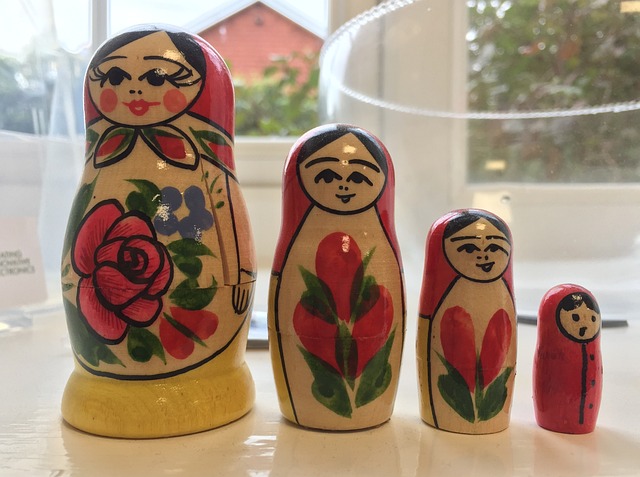
I like the metaphor that we are like Russian nesting dolls. We can identify with all those versions of ourself at the same time. It is the gap between each doll, the pauses where the learning happens.
Recently I moved the venue for a programme I was running to a community stadium. Somebody joked that I would be a WAG (Footballer’s Wives and Girlfriends) and I thought, why not a WOW? A Wiser Older Woman. And that stuck.
I wrote about a wiser older woman in my Ruby Sixpence series.
Deborah: I love your Ruby Sixpence novels. Am I right in describing them as magical realism?
Anita: Yes. Magical realism is where my heart is in my novel writing.
Deborah: I met an older woman at a community cafe I facilitate. She was late eighties. I asked about her working life and she said, catering. Then added, high end. I discovered that this amazing woman had a location catering business. She had provided on location catering to film sets, TV productions, and music festivals working with stars including Lawrence Olivier, and Dick Emery. If I had not drawn this information out of her she wouldn’t have mentioned her incredible career and experience. Why do we do this? Is it because when we are older, we no longer feel the need to promote ourselves? Because we have become used to being overlooked and put in a box? Or that nobody would be interested in what we have to say?
Anita: I don’t know, but that’s an interesting question. I’ll have to explore it in a blog. Many older women have a nagging doubt that they have not yet fulfilled themselves. I have a feeling that I still have something to prove. This has come out in my daily journaling practice. I think it goes back to my childhood. The G3A programme is about fulfilling our potential whatever our age.
If we could harness the power of older women, we could save the world.
Deborah: How can listeners access and participate in the G3A programme?
Anita: There is a weekly blog post on a topic that has inspired me. My blog focuses on mind, body and spirit. By spirit, I don’t mean religion. It’s about our inner understanding. The things we cannot make sense of. There is so much out there it can be a bit overwhelming. I’ve done so much reading and research I could have been studying for a Masters!
In January I wrote 31 blog posts, one for each day of the month, following a writing prompt. Despite all that was happening in my life, a minor surgical procedure and the birth of my grandson, I still achieved it.
There are also a couple of G3A publications. If you sign up to the newsletter you will receive a free book of 101 writing prompts. This is a fantastic way to kickstart a daily writing habit.
I want to gather together a community of women with a similar mindset and of a certain age, so we can be of service to the next generation – recording ourselves for prosperity. History has mostly been written by men. I want to create Her-story. The stories of women need to be recorded and heard. This is a project for the future.
Another of my publications is a book of writing prompts written as a road trip over thirty days.
Raw Writing: A 30-day road-trip down memory lane, to uncover your wellbeing through writing
If you practice anything over 30-33 consecutive days, it becomes a habit.
Deborah: Is G3A just for women?
Anita: I do feel women, particularly older women, lack confidence. I feel an empathy working with women. So, yes. This programme is specifically for women, although men do subscribe to and enjoy my blog posts.
Deborah: What have you learnt about yourself as a result of developing this programme?
Anita: I have started using techniques to improve my wellbeing:
Breathwork. Breathing is at the centre of all wellbeing practice. I’ve been an asthmatic since I was a child. When I am stressed, breathing can become difficult. So, I have been using breathwork and meditation.
Bio-rhythms. I am developing an understanding of my bio-rhythms.
Gut health. This is an area I am exploring as I find ways to keep healthy.
Physical fitness. When I was younger, I was a dancer and at my peak fitness level. Today, I struggle with physical fitness. I practiced yoga and Tai Chi in the past but stopped because of a medical condition. Now that has resolved, I might try again.
So, four things I am attempting to change in my daily life.
Deborah: What words of wisdom would you give your younger self?
Anita: To my younger self, my daughter, and my granddaughter, I would say: Relx. Go with the flow and stop trying so hard. Be happy with what you have and who you are.
I would focus on who I really am and not what other people think I should be. In my teens and twenties, I focused on what other people thought, but I don’t care anymore.
And – don’t lose your physical fitness. Use it or lose it.
Deborah: What is next for Anita Belli or Rose Parry?
Anita: I plan to revise my Write for Life course. Women are the keepers of our stories. They tend to be the ones who hold the family stories. I want to tease out of people their story – its significance and how it has shaped who they are.
It’s only in our 3rd age that we can look back and understand how our story has made us who we are.
It was a pleasure chatting with Anita today.
To subscribe to Rose Parry’s G3A blog and sign up to newsletter for free book of prompts: https://g3a8.wordpress.com
One of the joys of this writing life is connecting with readers and writers. I would love to hear from you. What interests have you pursued in middle-age and beyond that have surprised and delighted you? Write to me at dkauthor@btinternet.com
You can find all episodes of The Mindful Writer podcast here: https://themindfulwriter.buzzsprout.com
Don’t forget to subscribe so you don’t miss any episodes.
In this second episode of season three The Mindful Writer, I talk to Anna Mae about her debut poetry and prose memoir and hear about her experience teaching creative writing in schools, prisons and mental health units, where her dyslexia proved to be a great leveller. But before I introduce you, a quick update on my writing journey.
I’m deep into editing The Evacuee’s Secret. Ideally, I would love to hide myself away and just write. Writing retreats are great for this. No other demands on our time or distractions. But that is a luxury I cannot indulge in right now. Too many other commitments. So, I squeeze in a couple of hours writing each day and spend all the time between thinking about my characters, desperate to return to them on the page.
I met Anna Mae at a local writers’ group – one of several I attend. Spending time with other creatives is inspirational. It has led me to read my work out loud in local spoken word events, take part in book fairs, and facilitate creative writing with community groups.
Participating in community life is important to me as clubs and organisations can help people to feel included and valued, particularly when life changes through bereavement, retirement, moving home, or having a baby.
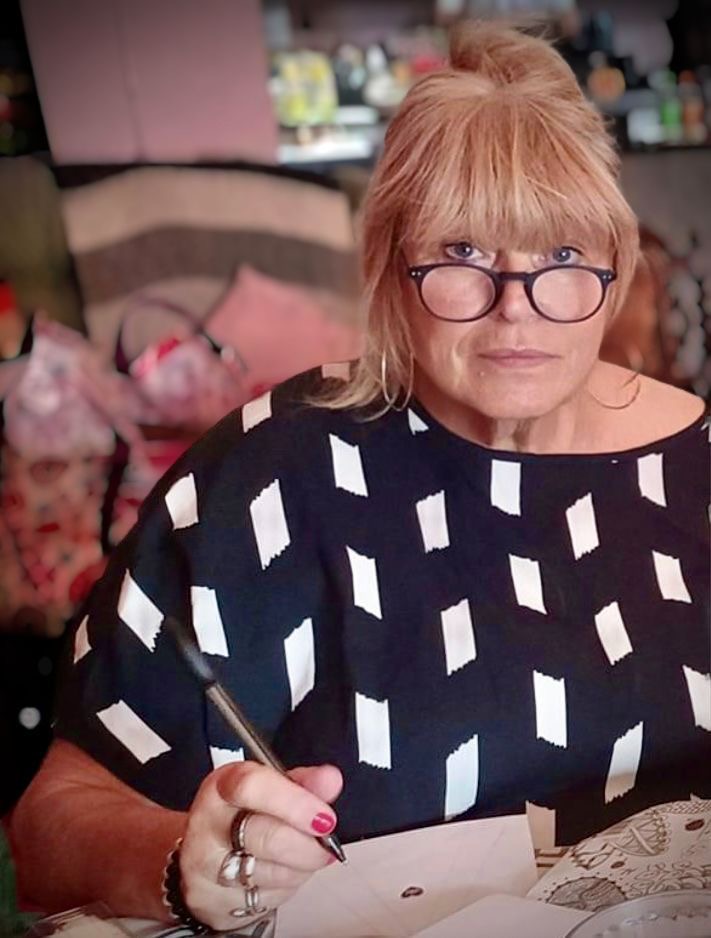
Anna Mae is active in the local community, attending writing and poetry groups, and is passionate about self-empowerment. Previously she’d worked for Women’s Aid, facilitated creative writing workshops in a prison, a mental health unit, secondary schools, and bereavement groups. So on to the interview.
Anna Mae, originally from Hertfordshire, now lives on the Essex Coast. A Bit of Spirit and a Lot of Spit is the emotional and empowering true story by Anna Mae, sharing with you her life experiences of love affairs, life observations and personal loss.
You can listen to the podcast here : Episode Two Season 3 Why Dyslexia was a gift for author Anna Mae
Or read a summary of the transcript below:
Deborah: I had the privilege of reading an advanced copy of A Bit of Spirit and a Lot of Spit – a moving story of emotional courage, spirituality, and hope. What inspired you to write this memoir of poetry and prose?
Anna Mae: My inspiration for writing poetry came after the breakdown of a relationship, as it triggered a flow of poems about bereavement. This came many years after losing my baby boy to a cot death. On what would have been my son’s 30th birthday, in 2009, I went on a roadshow performing my poetry in pubs and clubs to raise funds for cot death research.
People kept asking me if they could buy a book of my poems.
When I came to prepare a book of poems, I also wrote the story between the poems. This mix of poetry and prose made it hard to find a publishing home for the book, but I felt they had to be read together.
Deborah: I should state here that despite the dark subject, your book is uplifting and inspiring with the expression of strong spiritual beliefs and faith. It is beautifully written and I am sure it will help other people experiencing emotional trauma.
Anna Mae: Thank you, Deborah. At life events,
people often said to me, ‘You put into words how I felt.’
Deborah: I think a balance is reached because the poems were written when you were in a dark place, but the prose reflects your learning and how you became stronger. It was brave of you to read your poetry to the public. What would you say to other poets who may be nervous about doing this?
Anna Mae: Don’t think. Just do it! It’s so important. Go to poetry reading groups and get used to reading your poems out loud. At a poetry event there will be like-minded people.
Deborah: There was a long gap between your son’s death and the time you started writing. Why do you think that was?
Anna Mae: I’m dyslexic. In the late 50s and 60s when I went to school, there was little understanding about this. I was considered stupid, and so I stopped writing. I left school at 15 with an RSA typing certificate and cycle proficiency. Computers changed my life. I started studying for a creative writing degree in my sixtieth year. You are never too old.
I finally felt as though my voice could the heard.
Deborah: I’m interested in empowering people to be heard. How did creative writing help the people you worked with in prisons?
Anna Mae: My dyslexia helped me in prisons and schools as it is a great leveller. I start by saying, ‘I’m dyslexic, so if I write something on the board that is spelt wrong, tell me.’ Students would say, ‘How can you be dyslexic, Miss?’
I show them that being dyslexic doesn’t mean you are stupid.
One day a prisoner said to me, ‘I’ve written a poem, but I don’t think you’ll read it out loud.’ The poem was scathing of the criminal justice system. I did read it, and with his permission, entered it in a competition. That prisoner won the competition. When he finished serving his sentence, he was flown to Paris by the competition sponsors, where he went on to complete a degree.
Deborah: Do you think as writers we serve a purpose in helping to get other people’s voices heard?
Anna Mae: I do. Prison wardens would join in the creative writing sessions with prisoners. For a short period of time, they connected with one another on a different level.
One poem written by a prisoner has stayed with me. I cannot remember its entirety, but there were a few lines like: I know what morning you’ve had by the way you turn the key. I know what day you’ve had by the way you say goodbye. It finishes with But you don’t know that you are my poem. I can’t remember the exact words. The memory of that poem still sends shivers through me.
Deborah: have you any words of wisdom to pass on to listeners – maybe to your younger self?
Anna Mae: Find your clan. For lots of my life, I was a square peg in a round hole. It’s only in the last year I really immersed myself in a social circle of writers and I am the happiest I’ve ever been.
Deborah: I think a balance is reached because the poems were written when you were in a dark place, but the prose reflects your learning and how you became stronger. It was brave of you to read your poetry to the public. What would you say to other poets who may be nervous about doing this?
Anna Mae: Don’t think. Just do it! It’s so important. Go to poetry reading groups and get used to reading your poems out loud. At a poetry event there will be like-minded people.
Deborah: There was a long gap between your son’s death and the time you started writing. Why do you think that was?
Anna Mae: I’m dyslexic. In the late 50s and 60s when I went to school, there was little understanding about this. I was considered stupid, and so I stopped writing. I left school at 15 with an RSA typing certificate and cycle proficiency. Computers changed my life. I started studying for a creative writing degree in my sixtieth year. You are never too old. I finally felt as though my voice could the heard.
Deborah: I’m interested in empowering people to be heard. How did creative writing help the people you worked with in prisons?
Anna Mae: My dyslexia helped me in prisons and schools as it is a great leveller. I start by saying, ‘I’m dyslexic, so if I write something on the board that is spelt wrong, tell me.’ Students would say, ‘How can you be dyslexic, Miss?’ I show them that being dyslexic doesn’t mean you are stupid.
One day a prisoner said to me, ‘I’ve written a poem, but I don’t think you’ll read it out loud.’ The poem was scathing of the criminal justice system. I did read it, and with his permission, entered it in a competition. That prisoner won the competition. When he finished serving his sentence, he was flown to Paris by the competition sponsors, where he went on to complete a degree.
Deborah: Do you think as writers we serve a purpose in helping to get other people’s voices heard?
Anna Mae: I do. Prison wardens would join in the creative writing sessions with prisoners. For a short period of time, they connected with one another on a different level.
One poem written by a prisoner has stayed with me. I cannot remember its entirety, but there were a few lines like: I know what morning you’ve had by the way you turn the key. I know what day you’ve had by the way you say goodbye. It finishes with But you don’t know that you are my poem. I can’t remember the exact words. The memory of that poem still sends shivers through me.
Deborah: have you any words of wisdom to pass on to listeners – maybe to your younger sel
Anna Mae: Find your clan. For lots of my life, I was a square peg in a round hole. It’s only in the last year I really immersed myself in a social circle of writers and I am the happiest I’ve ever been.
Writing is who I am.
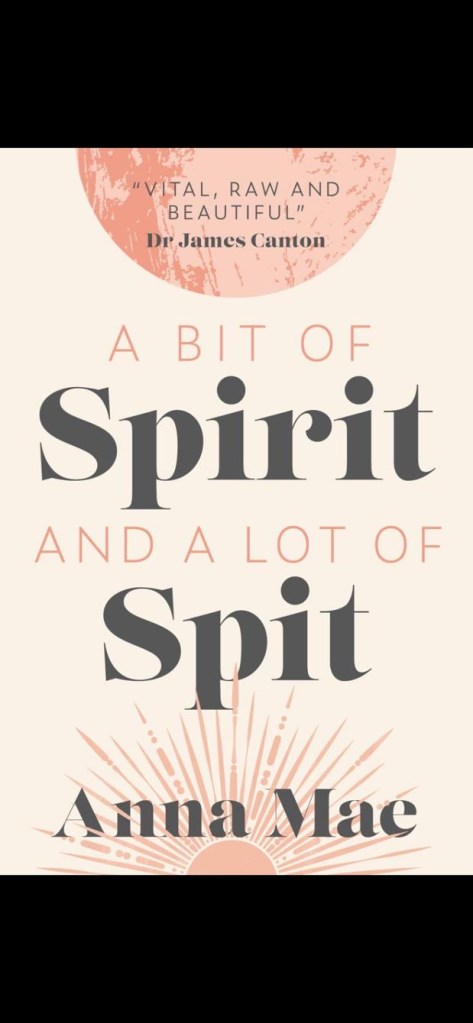
ISBN: 9781916668850 Price: £8.99 The Book Guild Publishing
I asked Anna Mae to read one of her poems from the book.
It’s a
crazy living nightmare
from which
there’s no escape
somehow
you get through it
bravery
doesn’t come into it
There’s nought I know to help
apart from this
this advice
I’ve given others
It’s not a cure
but it’s how I handled it
The touch
and the smell of them
hold it close
inhale deeply
into their toys pillows
blankets their clothes
like you’re
dragging the scent
from the sweetest Rose
Breathe in
the heavenly scent of them
deeply in
through your nose
letting it
fill your whole body
your heart centre
your arms fingers
tummy and legs
right down to your toes
You need to get
the essence
of them
the all encompassing
energy
of them
Breathe them in
then let them go again
breathe them in
then let them go again
Cuddle cushions
dolls and teddies
rock away
cry curse
scream and shout
don’t be afraid
to let it out
Use your friends
it’s what
friendship’s about
join a group
there’s not many
but they are about
Shock is
Mother Nature’s way
cocooned in it
for your protection
you’ll stay
Until someday
that may be near
or far away
you may like me
pick up a pen
and try to write it away
One thing’s for sure
someone
will ask you in time
how did you
get through it
how ever
did you handle it
I hope for them
you’ll remember
my rhyme
The touch
and the smell of them
hold it close
You can find Anna Mae on:
Instagram anna_mae_poet
TikTok @annamae_author_poet
Beautiful! So, until next time, take care of your beautiful self and trust the journey.
You can find all episodes of The Mindful Writer podcast here: https://themindfulwriter.buzzsprout.com
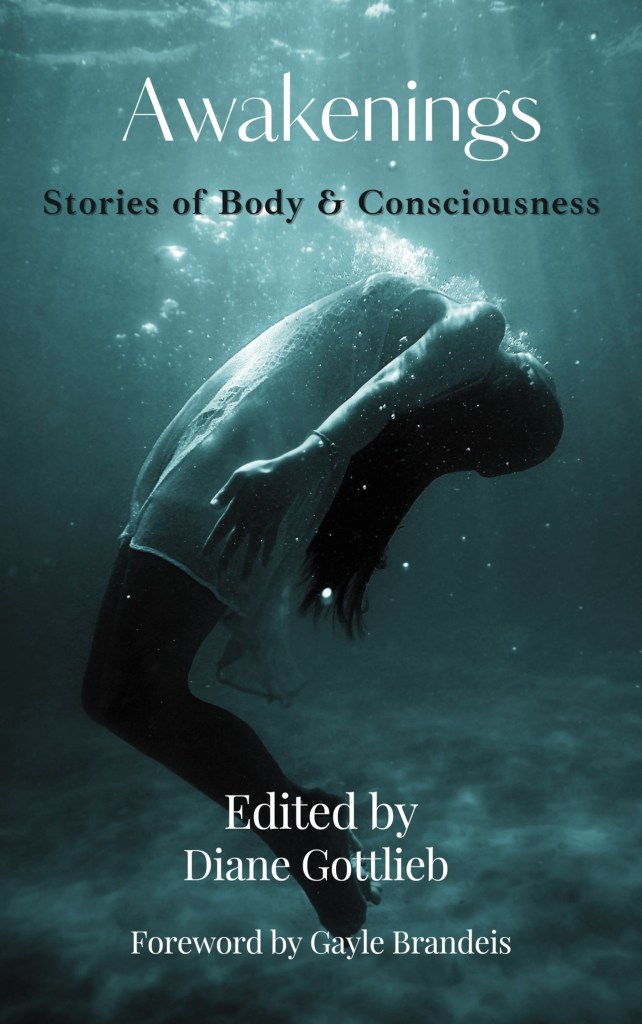
In this first episode of season three The Mindful Writer, Diane Gottlieb tells me what she discovered in collating an Anthology about peoples’ body stories.
But before we learn more from Diane let me update you on my writing journey. Not so much writing journey as holiday journal this week. We returned from a fortnight in Lanzarote yesterday. It was a wonderful holiday as I needed a rest and break from routine after a difficult few months associated with a bereavement and the health of loved ones.
Whilst I was away the thought of stepping back in to my too busy life felt a bit overwhelming. I had to remind myself that I am retired and all the things I do are from choice. My writing schedule and marketing activities, the writing groups – supporting other writers and networking with writer friends, daily exercise classes, socialising. Every day, every week, my diary is crammed with scheduled activities, daily goals, and routine commitments. It is exhausting. I love my life and I am aware of how short it can be. So, I try to cram everything in. I reflected on this whilst on holiday and decided it is about me trying to take control. We can influence how our life unfolds. Daily habits and routines help us to achieve our dreams. But when does this have a negative impact?
I do not have the answers. I’m trying to be kind to myself by listening to my body and honouring my needs – even if it means sometimes saying No. I’m a people pleaser and if I am truthful, a lot of the things that I cram in to my day are what other people want me to do.
Our bodies are amazing the way that they tell us when things are not right. Which is a great way to lead us in to the chat today where Diane tells me how she has coped with adversity and shares some of her learning from the courageous and resilient people who contributed to her collection of essays, Awakenings.
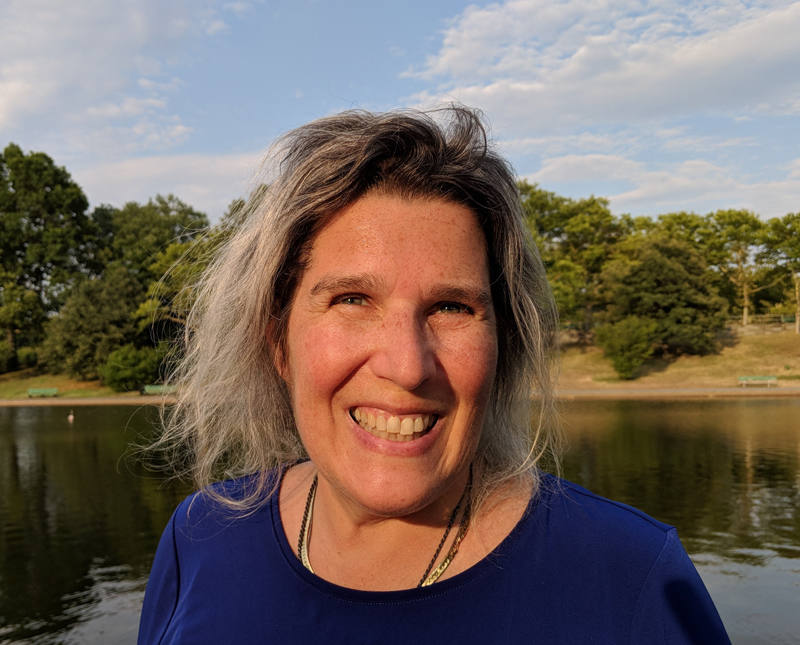
Diane Gottlieb, is the editor of Awakenings: Stories of Body & Consciousness.
An award-winning writer, Diane’s work has been published in numerous journals and anthologies.
She is the Prose/CNF Editor of Emerge Literary Journal and the founder and author of WomanPause, a newsletter dedicated to lifting the voices of women over 50.
You can listen to the podcast here: Connecting the Physical with Emotional, Mental, and Spiritual Wellbeing, with author Diane Gottlieb.
Or read a summary below.
Deborah: Tell me first about your own writing journey and how Awakenings came into being.
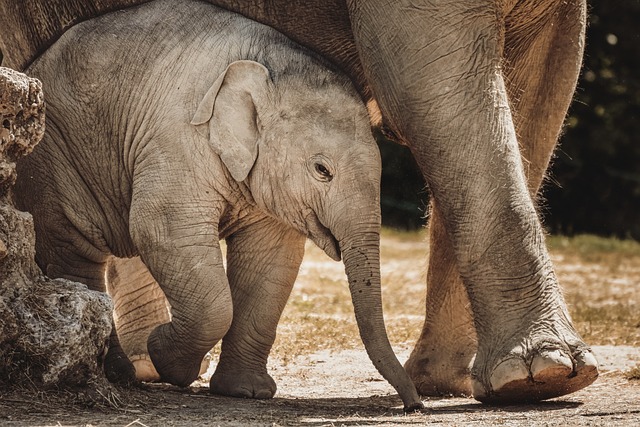
Diane: I had a lonely childhood and I would write poetry. My poems all started the same. A deer was in a forest. Her mother died. She was all alone. An elephant was in a jungle. Her mother died. She was all alone. I used writing to express my feelings and to make sense of my world. It was a catharsis for me.
I came to serious writing later in life, studying for Master of the Arts Creative Non-Fiction at the age of fifty-six. After graduating, I started publishing. I had a blog and I committed to being a good literary citizen, lifting other authors’ voices. I became editor of prose and non-fiction for a journal. It was after having a conversation with the editor of this journal about our bodies that we discussed the idea of collecting essays of other people’s body stories to create an anthology. We received a lot of submissions.
Deborah: That sounds like a wide brief. How did you narrow it down?
Diane: There were some constraints. It had to be a personal story and non-fiction. But the brief was broad. The story could be joyous, triumphant, challenging. It could be about any part of the body. Flash fiction up to 1,500 words.
Deborah: What did you discover in researching and editing this book? Were there any surprises?
Diane: So many! We thought we would get a lot of submissions about weight and size with an emphasis on diet and fitness but this wasn’t the case. There were many different and unexpected stories. We were surprised by the wide variety.
The collection is divided into sections. Section one is about different body parts. It includes essays on: breasts, hair, teeth, lips, feet, rear-ends, and hands. There is a section on Taking up Space.
Deborah: Were there any essays about the emotional, spiritual, or psychological responses to body issues?
Diane: All of the essays include these responses as our physical body, has little separation from our thoughts and feelings. How others see us, was a recurring theme. Some essays are very spiritual/ There is a section on out of body experiences.
There are essays on how we show up in the world and how the world sees us including cultural responses. There is one story about a form of dwarfism. Another about pain.
There is a section on growing older. The final section is about what we do to heal. There is one essay on meditation.
Deborah: How many essays are included in the anthology?
Diane: Forty-nine. We planned on having twenty-five but they were too good or too important not to include. It was hard to choose. I waited until the collection was complete before deciding how to structure the book.
I applied three criteria to help me select the final essays.
Deborah: Was this one of your aims? For the book to inspire others?
Diane: Absolutely. I wanted to let readers know if they were struggling, they were not alone. And I wanted to give a voice to people who needed to be heard and understood. To give them emotional courage.
Deborah: Were you surprised by the emotional strength and resilience shown?
Diane: In my professional life as a social worker, I met with so many people who are courageous. I would say, in awe. I saw how resilient people are and how much growth can come from adversity.
Deborah: You are a woman after my own heart. I too enjoyed a career in health and social care where I encountered many strong and courageous people living through incredible adversity. They have been the inspiration for my novels.
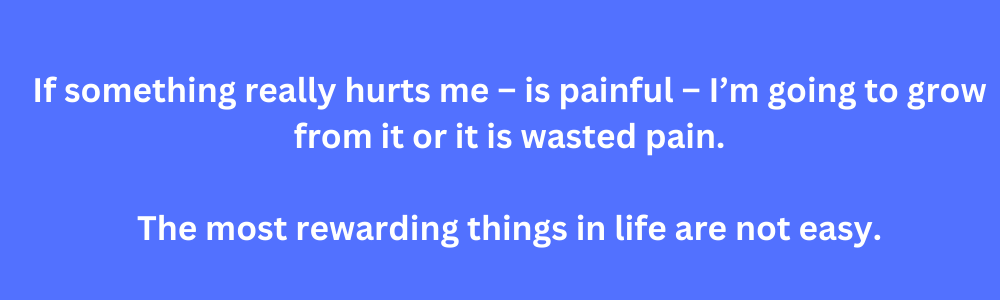
Diane: If something really hurts me – is painful – I’m going to grow from it or it is wasted pain. The most rewarding things in life are not easy.
Deborah: I know many writers listening today will experience feelings of despair and failure in their writing journey. So, asking what is this teaching me? How can this experience make me stronger? These are helpful questions.
Diane: If something is troubling me, I write an essay or flash fiction. Recently I’ve started dabbling I poetry. My poems are not great but exploring feelings with poetry is a wonderful experience.
Deborah: Were there any other revelations for you in compiling this anthology?
Diane: How deeply we all want to be accepted and valued for who we are. How people really want to grow. Whether it is evolutionary or biological we all want to expand ourselves.
There is a new consciousness a push back about how we are supposed to look and behave. Our own hateful voices. People are starting to say, No more. I’m not playing this game anymore.
Deborah: Do you think this becomes easier as we grow older?
Diane: Maybe. Although there were several contributions from young people who are doing this successfully.
Deborah: I am interested too in the newsletter you founded, WomanPause. What inspired you to create this newsletter? What function does it serve?
Diane: My newsletter or blog WomenPause is an antidote to menopause. I started publishing it when I was fifty-seven. I believe women ageing in western society face particular challenges: What we are supposed to look like when we age. The value put on youth.
The empty nest syndrome is very real. Even when you don’t have children. A space that was once filled with care-taking – parents, spouses, friendships – may be winding down. Working life changes. Women start asking what’s next? Who am I?
I edited this newsletter/blog to give voice to women over fifty who start over later in life. My husband died in a car crash, so I had to start over. I started a new business at fifty-two. A new relationship. I graduated. I’ve discovered lots of new paths later in life. I’m living my best life at sixty-three.
I interviewed a lot of women on my blog, many but not all of them writers, and expressed my thoughts and feelings.
You can find Diane at https://dianegottlieb.com/ and on Facebook, Instagram, and X as: @DianeGotAuthor.
I am a similar age to Diane at sixty-four. I love my life and I am grateful for my good health and the opportunities available to me. When. You get to a certain age your peers develop medical conditions and too many of them pass away leaving you bereft and increasingly aware of your own mortality. Earlier this year I was reflecting on this. I realised that by focusing on a finishing line I was in danger of holding back. You know how a runner can slow down if they do that instead of looking beyond the finish and giving it everything they’ve got? I wrote this advice for myself:
Live as though you have forever. Love as if you have today.
Now, I just have to look after my physical and mental health by saying No and being kind to me.
How are you honouring your beautiful self? I would love to hear from you. So, until next time.
Look after your beautiful self and trust the journey.
You can find all episodes of The Mindful Writer podcast here: https://themindfulwriter.buzzsprout.com
Don’t forget to subscribe so you don’t miss any episodes.

It’s that time of the year when it’s hard to get out of bed. Friends tell me, ‘I’ve lost my mojo.’ I know what they mean. But that’s okay. We are meant to slow down in Winter.
I haven’t wanted to communicate on social media for a few weeks now. Writing my novel is fine. But looking outward – communicating– requires a different kind of energy, one I seem to lack right now. Family illness and a recent bereavement have contributed to this, but I believe this is a natural state given the time of year. We are in winter, between the Autumnal equinox on 23rd September 2023 and the Vernal Equinox in Spring – March 19th 2024. A time of rest and recouoperation in preparation for the Spring.
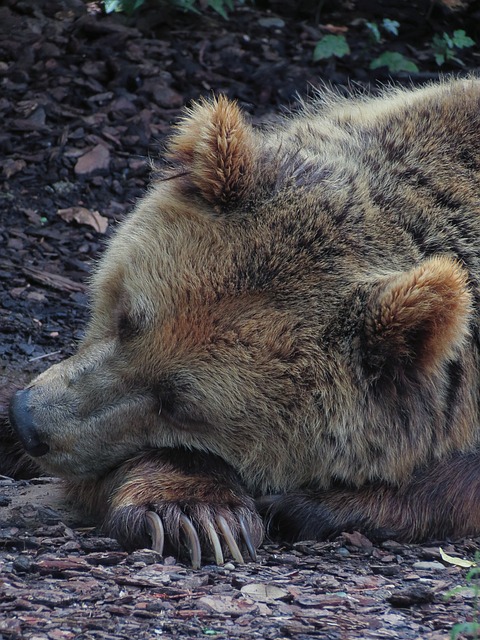
We are part of nature and, as such, follow the same patterns and rules as all living things. The autumnal equinox marks the beginning of a growing cycle. It is a time to replenish and gather strength. In the autumn and winter, we often need more sleep and food – preferably nutritious food but for me its comfort foods – warm stews and fruit crumbles. We may choose to go inward and retreat from the world. If we could hibernate, I think some of us would.
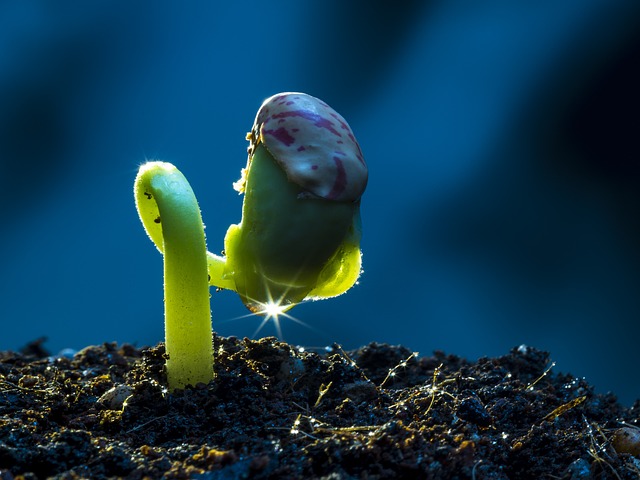
22nd December 2023 (3.27 am GMT, to be precise) was the winter solstice. The longest night of the year and shortest day. Now we are moving towards the Spring Equinox when day and night are the same length – twelve hours apart. Maybe you are feeling a gradual return of your energy. Inspiration for new projects may nudge you, like tiny shoots beneath the soil.
Instead of beating myself up for failing to post regularly on social media or hit marketing targets, I am trying to embrace this period of replenishment and renewal. Some mornings – not all of them by any means – I get up early to practice yoga and meditate. This has made an incredible difference to my day. For example, I had been stuck with a plot point in my work in progress. An hour or so of yoga and meditation had ideas flowing.
I imagine myself a bulb beneath claggy soil – gathering my strength so that I can push up through the earth and burst with vigour into spring.
Do whatever you need to nourish your body and soul. Above all, be kind and patient with yourself.
Soon it will be Spring.
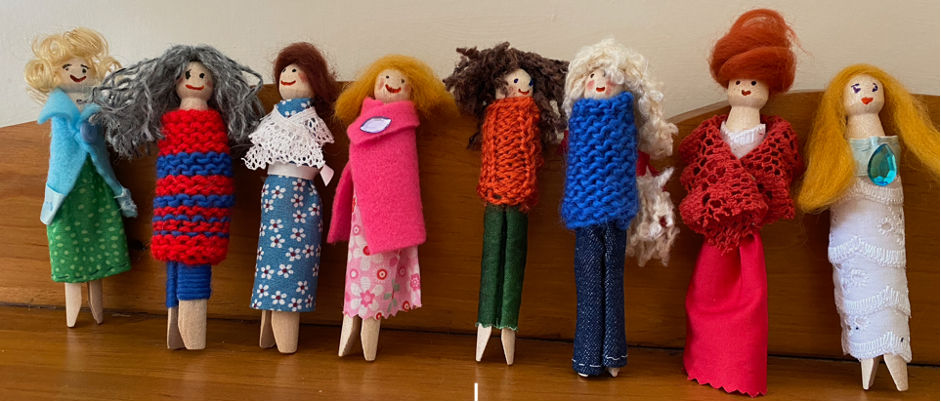
It is International Friendship Day, as I write this on 30th July. I’m not a great fan of days invented to sell greetings cards, but I am in favour of celebrating friendship. It is something we should do every day.
My amazing friends enrich my world. They take me on adventures as we discover new places and ideas.
When my emotions are turbulent with anger, frustration, or disappointment, friends sit with me, figuratively holding my hand, until I am calm and still.
Friends share precious memories, safeguarding them with love so they are not forgotten.
Friendship is not one thing it is a million small kindnesses shared over a lifetime.
When the United Nations proclaimed Friendship Day in 2011, it was to promote friendship between peoples, countries, cultures, and individuals, inspiring peace efforts and building bridges between communities.
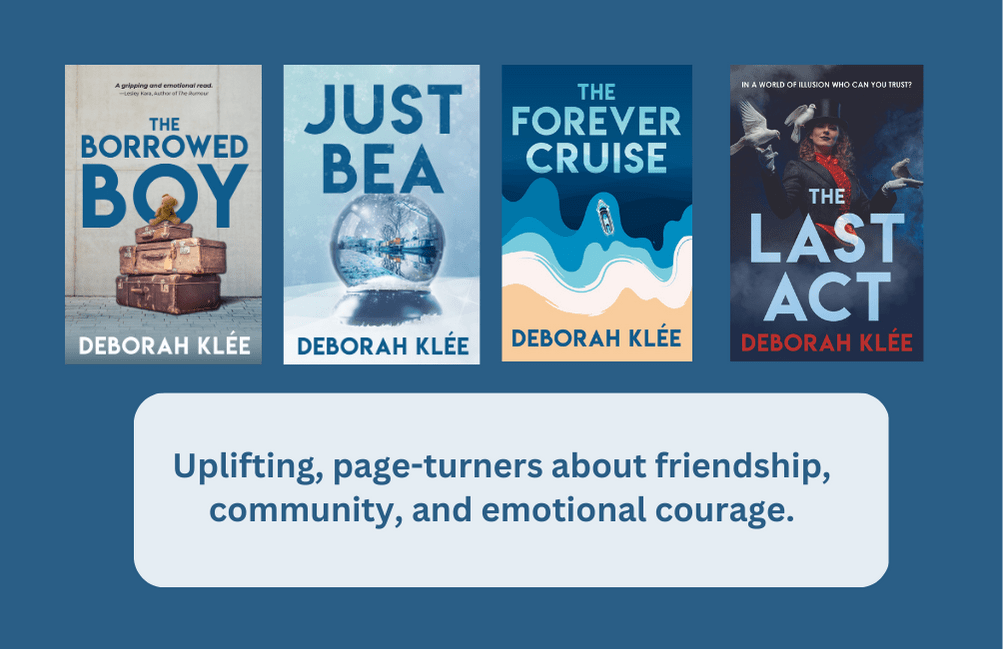
Friendship and community are themes that run through all of my books. The Last Act was published as a paperback last week – available in local Indie bookshops and Amazon. The eBook is published on 1st August – available to pre-order at the bargain price of 99p 99c.
In The Last Act, magician’s assistant, Jojo, has discovered a world that is taking her away from her best friend, Annie. A friendship formed in childhood, they have relied on one another, maybe too much.
In this extract from chapter two, Jojo and Annie are in a Chinese restaurant, catching up on news. Annie has just recounted a shared memory from their childhood.
They both laughed, although this was a story frequently told. It reaffirmed the bond between them, but that evening Annie sensed their ties weakening.

‘How are your parents?’ Jojo asked.
It felt as though Jojo was checking she had covered all that was expected of her before she returned to a world that Annie knew nothing about. ‘They’re talking about moving to Scotland.’
‘Oh,’ Jojo said, and Annie was pleased that she had saved this important news. ‘Does that mean they will sell your house?’
‘Yes. Once Jessica’s married. Dad wants to return to his Highland roots and Mum’s ready for a change.’ Annie sighed.
‘What about you? Where will you live?’
Annie wanted to wail, I don’t know. I’m lost. I’m scared. I’m lonely. ‘I’ll find somewhere,’ she said.
‘Shall we get the bill then?’
So that was that. Annie had dropped her bombshell, but it barely made a ripple on the surface of Jojo’s world. Annie knew her friend had already disconnected and was mentally making her way home to the Incredible Nico.
Whilst Jojo was digging around in her bag, Annie said, ‘What about Monday?’
‘For what? I can never find anything in here.’
‘Give it to me,’ Annie reached out a hand and Jojo passed her the battered leather bag. ‘I’ve not seen this before. Did you get it from Portobello Road or Camden market?’
‘No. It belonged to a magician – a Gladstone bag. I found it in the props room and Charlie said I might as well take it because it would only get thrown away.’
‘Well, it’s ridiculous. You can’t find anything in here.’
‘It is a magic bag,’ Jojo laughed. Annie rummaged and then held aloft Jojo’s green purse.
‘So, Monday? For afternoon tea?’
‘Oh. Okay. I think that’s alright, but we’re really busy with rehearsals for the Starlight show.’
‘Fine.’
‘But I will be there. I promise. About four?’
They hugged each other goodbye. Jojo said she would get a taxi and offered Annie a lift, but they were going in opposite directions.
It was still light, and the streets buzzed with anticipation for the weekend as girls with big hair, dressed in animal print and silks strode with meaning and young men with attitude gave them the eye. Everyone was going somewhere except for Annie. Before Jojo moved in with Nico, they might have met up on a Saturday in Camden to scour the market stalls looking for old clothes for Jojo. I’ll spend the evening with Mum for a change. Buy her a box of orange Matchsticks, her favourite, and we’ll watch Dallas together. But Annie’s heart was heavy. She knew that one day Jojo would meet someone, that their lives would take them in different directions. It was just that Jojo knew where she was going, and Annie had no idea. It was as though she had been waiting for the right bus to come along, watching everyone else leave. Then, when she was alone at the bus terminal, the news that there would be no more buses. Her bus had come and gone without her.
When I wrote this book, I was experiencing the pain of a close friend moving in a different direction than me. It is painful. But necessary. Our lives can be entwined for months or years and then circumstance leads us down a different path to one another. We may feel as though we are being left behind, as Annie did. But new people and opportunities come into our lives.
‘Growing apart doesn’t change the fact that for a long time we grew side by side; our roots will always be tangled. I’m glad for that.’ Ally Connie
I don’t think we ever grow apart from friends. Our lives take us down different paths, but that can only strengthen our bond of friendship. In September, I am spending the weekend with six friends from school. We have known each other for 50 years. I love them and value their friendship. In fact, I am impressed that I had such good sense in choosing these amazing women to be my friends.
So today, on International Friendship Day, remember your friends, new and old, with love and gratitude. Let’s celebrate them every day.
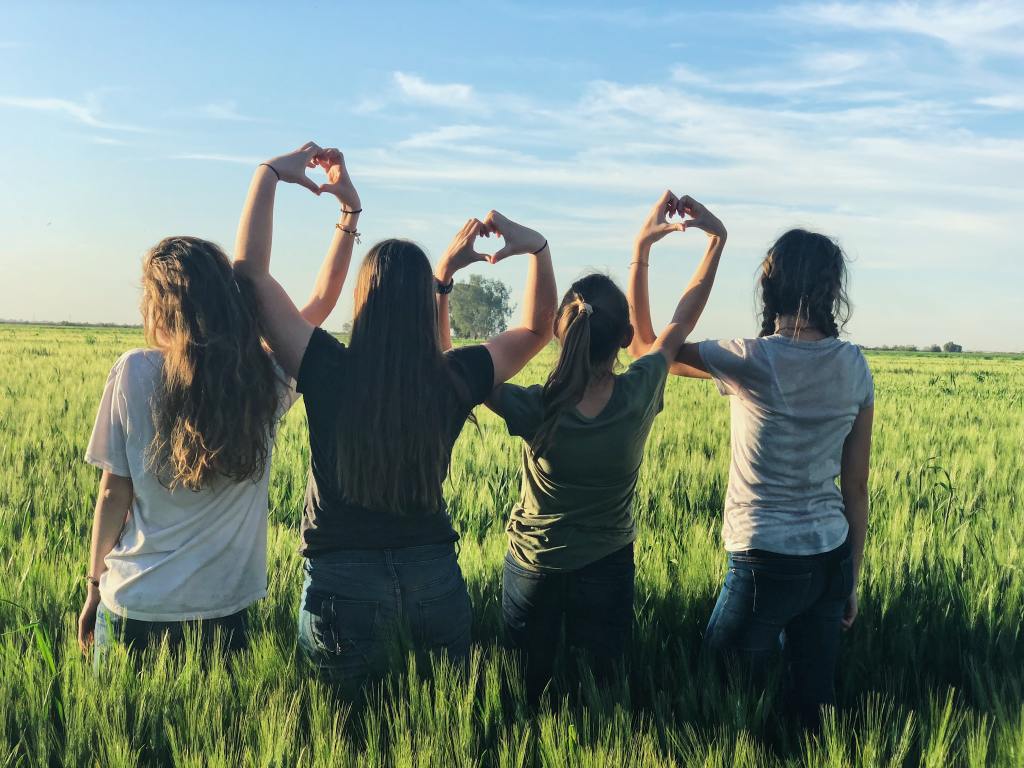
‘I don’t want to be like all the other kids, but if I’m not, they won’t like me.’ My seven-year-old daughter’s lower lip trembles and her eyes well with tears.
‘You don’t have to be like anyone else. Be proud of who you are.’
‘Then I won’t have any friends,’ she shouts. Angry. Hurt. Dismayed.
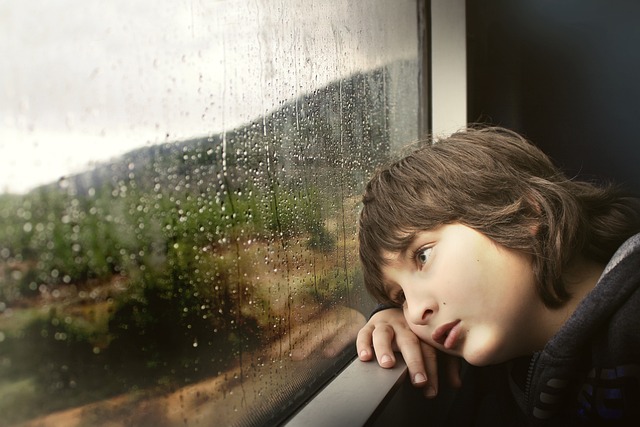
That seven-year-old girl grew up to be an amazing, self-assured woman who has achieved incredible things. She never did conform to the fashions and trends of her peers. That was a decision she made after facing up to the sad reality of society. We like things to be familiar, unthreatening – to know what is on trend so that we can follow fashions.
I don’t have any grandchildren, just my four books – my substitute grand-kiddies. Now they are saying the same thing: ‘I don’t want to be different. If I’m like the others, then I will be more popular.’
There is truth in this. We know what we like and so when we pick up a book; we look for clues that tell us, this is similar to another one I enjoyed. Book-marketing experts follow trends in book titles and cover-design. They know readers want to spot their favourite genre. The weary shopper, me included, can become irritated by the sameness of book covers. It is refreshing to discover something different, but we don’t want to take a risk investing our time in reading a book without some reassurance that it’s our kind of book.
So, what advice do I give myself? What do I say to my books? Much the same as I gave my daughter. You are unique. Be proud of that. Do you want to be like the others? What is more important to you: being popular, or giving voice to what makes you who you are – that kernel of truth within?
Of course, I want my books to be popular. To compete with best-sellers for a top spot in the Amazon charts. But it is impossible, for me anyway, to write a book with that intention. Writing, like any creative pursuit, is an expression of the soul. Writers dig deep to find their truths, to mine emotions and give them voice. The craft of writing is to understand what makes a good story – story-structure, tropes, pace, etc. Authors have a responsibility to deliver a well-crafted story that meets the expectations of readers. But, to really connect with readers, the author’s voice must be authentic. To tell the story that only they can tell.
I guess I am going to have to experience the same growing pains as my seven-year-old daughter as I find my way in the world as an author. Each time one of my books is published, I attract more readers. My readership is wonderful. They know what to expect when they buy one of my books and say that they are never disappointed. So, I owe it to them to continue writing the stories that they love and if that means I am not read by the masses, so be it.
To find out more about my books visit my Amazon Author page or My Books here on my website.
And remember … Don’t be afraid to stand out from the crowd because You Are Amazing!
Who doesn’t love magic? What does the word conjure for you? Harry Potter and wizards? Memories of childhood parties — white rabbits and top hats? Mind-boggling street entertainers of today performing the seemingly impossible?
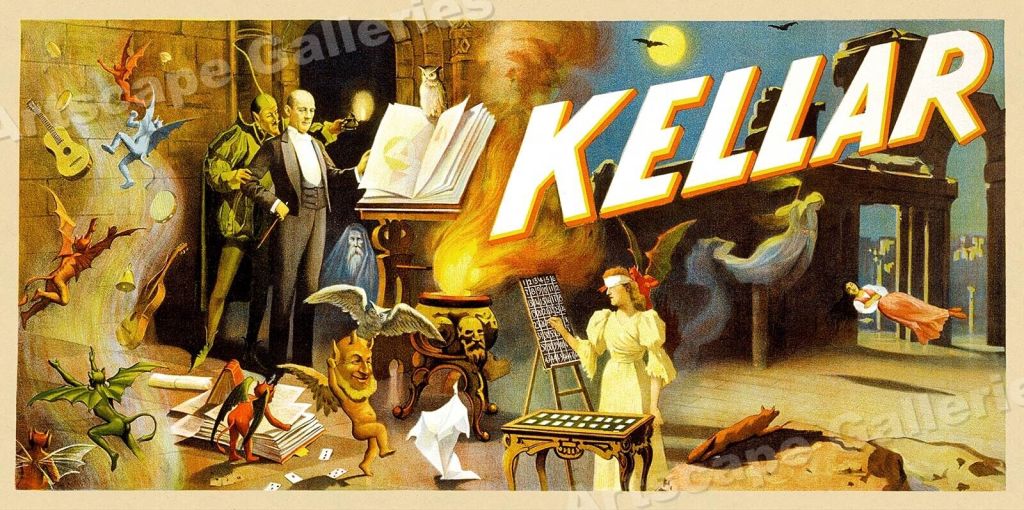
Theatrical magic — illusions created for entertainment — gained popularity in the Victorian era. Mechanical development, and a fascination with all things strange and unworldly, led to the creation of acts such as The Handcuff King, The Electrical Wizard, and Pepper’s Ghost.
The Handcuff King was, of course, American Harry Houdini, who rose to fame in 1900 with his European tour. The Electrical Wizard — Walford Bodie, a Scotsman. Bodie staged mock electrocution on stage. He claimed he discovered Bodic Force — the use of electricity to heal.
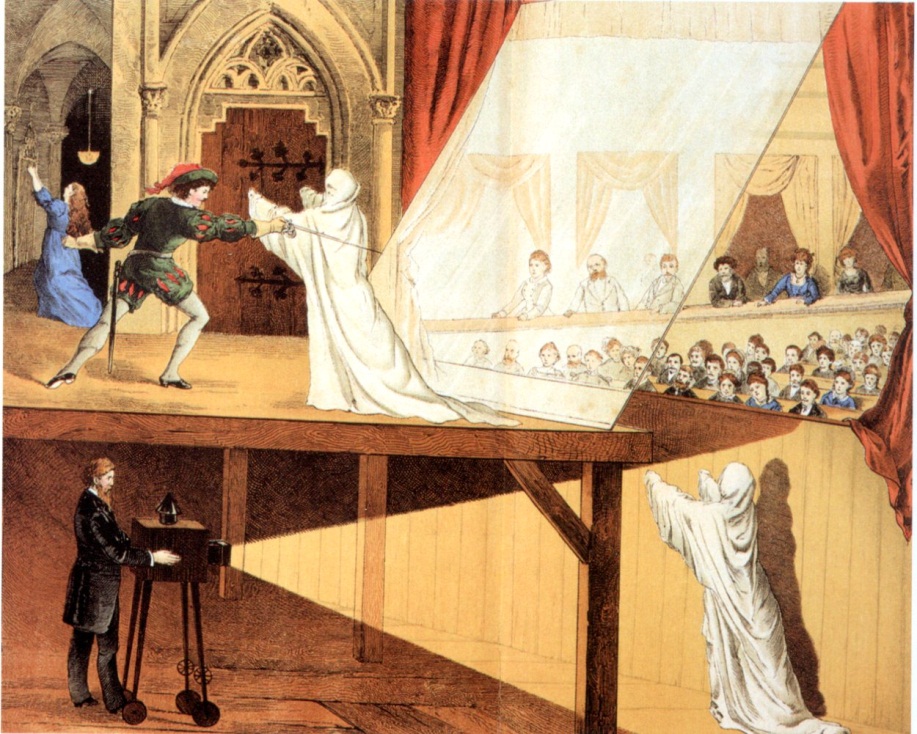
Pepper’s Ghost is my favourite Victorian illusion. It is based on the Magic Lantern technique. Professor Pepper created the illusion of a ‘ghost’ by reflecting a person’s image with a pane of glass. You can watch a modern-day recreation of this technique here.
Pepper’s Ghost was first performed on Xmas eve 1862 in a performance of Charles Dickens’s Haunted Man and Ghost’s Bargain. It was a sensation. Unlike other performers of the time, Professor Pepper showed the audience how he created the illusion. Disney uses a similar technique today in their Haunted Mansion, Disneyland.
I had great fun researching magic tricks for The Last Act. You might say I went down a research rabbit hole with days spent poring over books in The British Library.
The Golden Globe Theatre in London’s Strand is the setting for The Last Act. This is a fictitious magic theatre. I imagined it as a tiny Victorian theatre with old-fashioned mechanisms above and below stage. Although John Henry Anderson, another Scottish Magician, opened a magic theatre in London in the 1840s, theatres dedicated to magic did not exist in 1980. It was John Henry who originally performed the Catching a Bullet in the Mouth trick that I used in The Last Act.
The history of theatrical magic is fascinating. It is changing all the time as new technologies become available. In 1980, my magician, The Incredible Nico, is criticised as being too traditional. It is the start of a new decade and entertainment is transforming with the times: Monty Python’s Flying Circus and Punk Rock. The world of magic is ready for a new-wave act.
Through research and thanks to Penn and Teller, I discovered a few secrets, demystifying some popular tricks. I also had the fortune to meet a magician — a young man in his thirties, who told me about the tricks he and his magician friends used to impress women.
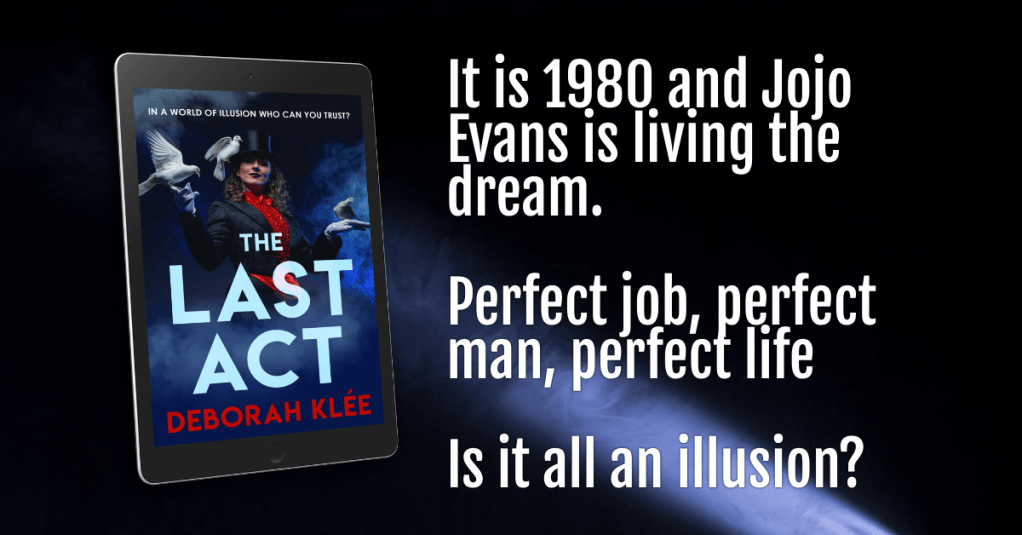
The trick performed as the last act was entirely my imagination. If you want to know more, download the book! Available as e-book and paperback from 1st August.
https://books2read.com/The-Last-Act
I love this post by fellow blogger Jen Driscoll. I wrote a blog on the same topic last year: https://abrakdeborah.wordpress.com/2021/01/11/how-to-find-your-life-purpose/
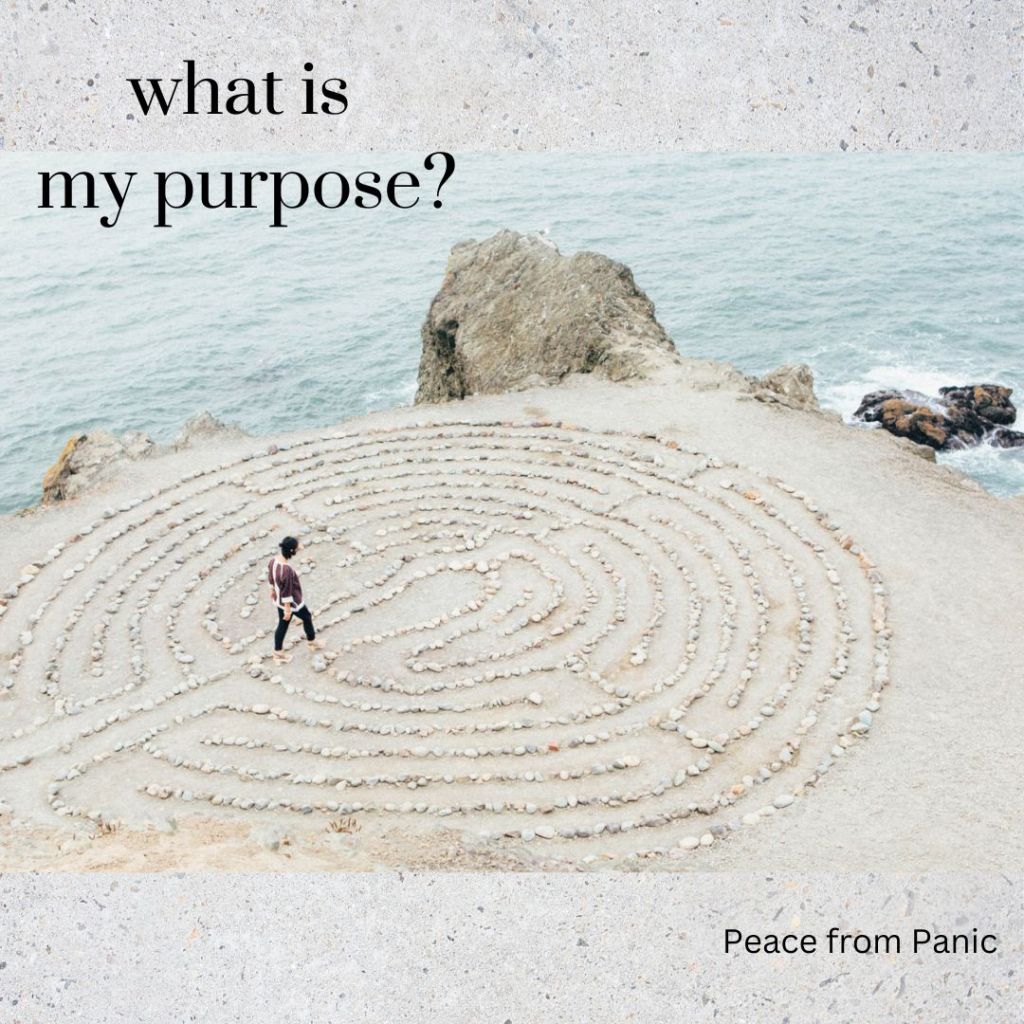
I’ve been hearing a lot about “finding your why“—on podcasts, in articles, on social media—and I can’t stop thinking about it. The term isn’t new to me, but before now, I’ve never stopped to really reflect on it. Maybe I’m obsessing about it because I’m at a crossroads and feel overwhelmed… even sometimes a bit lost.
In the past twelve months, there have been huge changes in my life. My mom and dad both dealt with serious illnesses, and they passed away five months apart from each other. They were an incredible part of my life and it’s surreal they’re not here anymore.
Another substantial turning point for my husband and me involves major business decisions, including upcoming retirement. Life is (and has been) changing—big time.
All of this leaves me wondering what the rest of my life is going to look like. When we retire, my husband and…
View original post 629 more words

Whatever we are trying to achieve: weight loss, success at work, or any other goal, there is the opportunity to learn about ourselves and grow from the experience – even if we don’t achieve our goal. It is of course, about the journey, not the destination.
I started this year resolving to lose half a stone that had crept up on me and was refusing to budge. I could have welcomed those extra pounds, bought looser dresses and attributed it to the inevitability of late middle-age. But I wasn’t comfortable with my new body shape and did something I had never done before – I joined a slimming club.
I am six weeks into the Slimming World regime and although I am happy with my weight loss and impressed by the approach; it is the life lessons I have learnt that are having the most impact. Lessons that can be transferred to any project or journey.
When I turned up for my first session, I didn’t know what to expect. I was concerned that having so little weight to lose, I might offend those people struggling with a greater challenge. Here is my first lesson: Comparison.
Comparison.
On more than one occasion a group member would reassure me that if my half-stone mattered to me, then it was just as important and relevant as another person’s two stone. The love, generosity, and fellowship of club members was inspiring.
One week, I noticed a beautiful young woman with a curvaceous figure and a pretty face. She was trying to slim down to a version of herself before she had babies. The way she spoke of how she was now and how she wanted to be saddened me. Couldn’t she see how beautiful she was? I told her how I saw her. The consultant, observed that we don’t believe what other people say, until we feel beautiful ourself. I wanted to tell her, ‘Don’t compare yourself to other versions of you, or to other women, or models. You are unique. You are beautiful – just the way you are.’
We are all guilty of comparing ourselves unfavourably to others instead of recognising our unique attributes and strengths.
My mother always told me, ‘One day, in years to come, you will look at a photograph of yourself today and exclaim, “I was beautiful. So young. Why did I not appreciate it then?”’
Having Faith
I must admit, I did not believe that the diet, or lifestyle change to food optimising, would work for me. I had always had a healthy diet and thought I knew everything there was to know about calories and nutrition. At the end of week 1, when I had lost just one pound I thought, I could have lost more on my own. I was eating more than I would normally and had no faith in the process.
Week 2, I lost another pound. Then week 3, a pound and a half. Gradually, little by little the weight loss was building. I didn’t know everything.
Patience
If I had not been held to account by attending the club each week, I would have given up by week 2. That had always been my pattern of behaviour. I would weigh myself once, sometimes twice, a day. Then react to the reading by forgetting the diet as I considered there to no longer be a need, or give up because change was too slow. The truth was – I was impatient.
Breaking Habits
Changing my behaviour patterns was a challenge. I realised I had all sorts of excuses to rationalise why I weighed myself excessively, skipped meals, and filled up on sugary carbs. Now, I am having to plan what I am going to eat each day. I am taking the time and trouble to prepare three meals a day and to sit down and eat them. I am valuing myself and my body. I am mindful, when I eat.
Trusting the Journey
By week four I was on a roll. I had lost five pounds, just two more to go. I felt great and could see a difference. Then, week five I lost just half a pound and week six, nil. I had done nothing wrong. If anything, I was trying too hard. Denying myself treats. Feeling angry and resentful that this stupid diet was no longer working, and I had lost enough weight, anyway.
I was ready to throw in the towel. But the wisdom of other members taught me I was trying too hard, and I needed to let go a little. It was then I realised that by not losing any weight that week; I had learnt a more important lesson – how to enjoy life and continue to eat well, forever – not just for a few weeks. My goal shifted from losing half a stone in six weeks to learning how to enjoy treats, be kind to myself, and maintain a healthy weight in the long term.
Letting Go
When we want something too much, we tighten our grip, trying to assert our control. This often has the opposite effect. It chases away what we most want. Several people in that club reported unexpected weight losses after ‘being naughty’ – eating a bag of chips or a takeaway. Now, I have stopped being hard on myself. I am realising that I can still enjoy all of my favourite treats in moderation. Now I know that, I don’t even want them!
In summary
This is what I have learnt about myself and my world:
I have also learnt that my local Slimming World club has the most amazing, kind, and supportive women. And they are all beautiful – just the way they are.
I am generally a positive person. As a teenager, my daughter wrote in my Mother’s Day card (her gift was a book, The Pig of Happiness): ‘You remind me of the pig of happiness most of the time. Although your optimistic outlook on life can sometimes be a bit annoying, it usually cheers me up.’
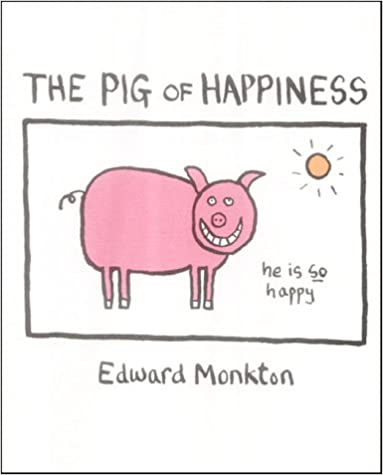
We laugh about this message, now she is in her thirties. I am generally optimistic, but like all people, I have days when a little sadness descends and I question my self-worth. I am fortunate that these moments do not last long, unlike depression, which can be very debilitating.
Those days when I don’t feel like the pig of happiness can usually be attributed to:
Being tired
Feeling burnt out
Another person’s bad mood impacting on me
Thoughtless or hurtful remarks made by friends or acquaintances.
Being tired or burnt out is easy to fix when we are in control of our own time. It is not so easy for parents of young children, carers, and those working long hours in a demanding job. Recognising when we need some self-care is the first step to renewing our energy and lifting our mood.
I have written previous posts on burn-out: Restore and Renew the Creative Spirit
And self-care: My D.I.Y. Spa Day
When someone we live with, or love, is unhappy or angry, we can absorb some of their mood. We might empathise becoming low ourselves or, when anger is released in a non-discriminatory way, react with anger. When this happens to me, I try to make time to do things that fill me with joy: walks by the sea, writing, meeting girlfriends for coffee, yoga, or spin. We can be kind, compassionate, and supportive, but it is important to show ourselves the same love as we do our loved one.
Recently, I have become aware of how other people’s envy or discontent impact me. Like all traits, there are positive and negative sides. The positive: I always look for the best in people. I am forgiving and loyal. The negative: I am too trusting and do not always protect myself from people who do not wish me well.
My positive, joyful approach to life can make others feel envious. I must have something that they don’t – better health, more money, more opportunity. If I can achieve things they cannot, then I must have more than my share of good fortune, and it’s not fair.
Instead of nurturing their own light, they try to diminish mine. An example of this is a workshop I attended a year ago. We all talked about our experience of lockdown. It was a small group of participants and the intention was for us all to feel safe and supported as we reflected on the previous year and set our intentions for the next. When it was my turn, I spoke about the books I had published, and my podcast – how I had to learn new skills, my anxiety about marketing my books and uncertainty about the future.
A woman, unknown to me, said, ‘Do you know how that makes me feel? It makes me think you cannot possibly have achieved all of that. It makes me feel angry. Envious. Jealous. I’m just putting it out there, as others may feel the same.’
There was complete silence. The facilitator did not pick her up on her hurtful remark and we moved on to the next person. Although I was upset by her comment, I am also grateful. Not to that woman. She was unkind. But it reflected words and actions directed at me at other times in my life. Sadly, some people, particularly other women, focus on a person’s success as a measure of their failure, fuelling a hatred towards that person.
Partners too, can resent it when we grow, fulfilling our dreams, as they might feel left behind and resentful. This is not my experience, but I have seen it happen.
When we recognise negative energy in another person, we can protect ourselves by understanding where it is coming from and not reacting.
However, it is not always easy to recognise. There have been a few occasions when I have been deceived into believing a person is my friend despite being disappointed repeatedly by their actions and words. Why do we do that? My mother would get frustrated with me when, as a teenager, I failed to see through the false friendship of a friend who repeatedly treated me with a lack of respect or consideration. In my case, I blamed myself and thought I wasn’t good enough.
Often, memories from our formative years influence how we react to people who are false friends. For example, as a child, I desperately wanted my father’s approval.
Friends or acquaintances may drop comments into a conversation intended to tip you off balance. I heard an interview with Catherine Cookson many years ago. She was surprised and hurt at the reaction of friends and neighbours when, after many years of struggling as an author, she had success. ‘I thought that they would be pleased for me,’ she said.
There will always be people who want to dim our light. There will always be people who cast a shadow. Protect yourself by going inward. Remind yourself that you are loved. You are exactly where you need to be on your journey. You are enough.
When Hamza Yassin won Strictly Come Dancing in 2022, he shared three life lessons. The first was:
Surround yourself with people whose eyes light up when you enter the room.
I am blessed to have many wonderful, loyal, kind, and supportive friends.
We will all have days when we feel a little sad, or not at our best. Take time out to self-care. Be your own best-friend. Because you are precious. Never stop shining your beautiful light.

It is that time of the year when we write our good intentions, fuelled by an ideal of what we think our life should be. Comparing yourself to others or an earlier version of yourself is unkind. I was one of four children and had a wise and loving mother. She appreciated what each of us brought into the world and made room for us to shine without dimming one another’s light. That doesn’t mean I wasn’t furious when my little sister bought a pair of satin trousers (Abba style), the same as mine in a clashing colour, and then wore them to the same event as me. Siblings argue and compete. But a kind parent appreciates who we are without comparing us. We need to be that loving parent to ourselves.
When we tell ourselves what we should be, we are denying what we are. We imagine ourselves and our life to be different and beat ourselves up that we have not attained that life.
Replace I should with I am. This past year I have relaxed into the reality of my life. Not the life I thought I should have – because I was comparing myself to others, but the glorious reality of my life right now, the way it is. To let go of the angst, the tight control of an angry parent yelling at me to do better, was like sinking into my yoga mat. I could feel the release, the expansion of my heart – room to breathe.
When I realised how great my life is and marvelled at all I have achieved, I found joy in every task. Life was no longer a race or competition. It became an adventure – a magical, mystery tour. Because, when I let go and allowed my life to unfold, great and unexpected things happened.
Many self-help books tell us to imagine what our ideal life would look like with the promise that if we see ourselves living that life, it will become our reality. Manifesting abundance has become a common mantra for those who follow new-age thinking. I believe we can attract good things into our life by being open to opportunities, daring to move outside of our comfort zone, and by being positive. There is nothing mystical about this. It is about taking risks, seeing opportunities, and projecting a positive image that inspires confidence in us.
Instead of starting the year by visualising what your ideal life would look like and what you should do to achieve that, try this:
Visualise how you would like your life to feel. How does it feel now?
In yoga and meditation, we work through the body, relaxing it from our fingers to our toes. Recognising where we hold tension and then letting go. Understanding where we hold tension in our acceptance of self is similar. Maybe we have some work to do on letting go of past hurts? Be compassionate and kind – not critical.
Focus on the reality of your life now. What is it teaching you? When this time has passed – and time passes far too quickly – what will you miss? One day we may look back with regret wishing we had the same person, or people in our life, the health that we have today. We may long for an ordinary, predictable day. So, cherish every moment.
Relax into the now and let go of expectation. You are enough. If you have just one new year’s resolution, let it be – Be Kind to You. Because you are amazing.


 Deborah Klee