
Happy Tuesday! Today I’m helping close the blog tour for Deborah Klee’s The Evacuee’s Secret and Deborah has kindly write a fabulous piece about part…
The Evacuee’s Secret by Deborah Klee #blogtour #guestpost #theevacueessecret
Happy Tuesday! Today I’m helping close the blog tour for Deborah Klee’s The Evacuee’s Secret and Deborah has kindly write a fabulous piece about part…
The Evacuee’s Secret by Deborah Klee #blogtour #guestpost #theevacueessecret

Yesterday we were driving back from Norfolk, where we had enjoyed a few days’ stay at a favourite caravan park. Husband at the wheel, me and Sat Nav. riding shot gun keeping an eye on the road with helpful directions.
Sat Nav: ‘At the roundabout, take the first exit.’
Me confirming: ‘You turn left at the roundabout.’
Husband: ‘No. That’s wrong. I’m going to ignore her.’
We go around the roundabout, taking the 3rd turnoff and head in the opposite direction.
‘Rerouting.’
The Sat Nav tells us to do an about turn at the next roundabout. Fifteen minutes added to the journey. My husband reluctantly complies, but he is mentally kicking and screaming – a toddler being told, ‘No. We are not going where you want to go.’
As a parent, we know what’s best for our child. We know that the direction we are taking them in is exactly what they need – a nap maybe, or a treat they are not yet aware of.
The Sat Nav was right. It was taking us home by the quickest and safest route.
As creatives, we often experience the anguish of being told No. That is not the route you are going to take.
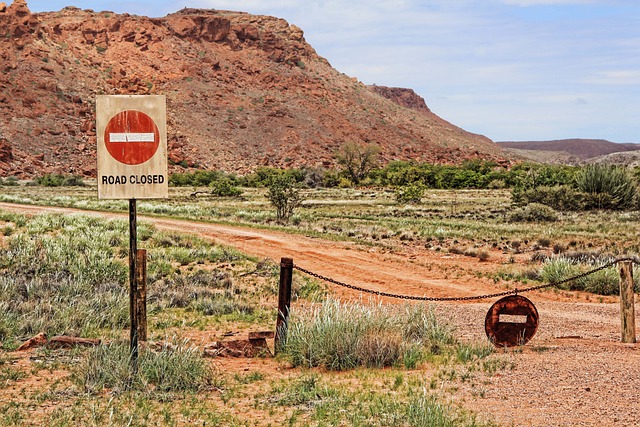
I am a great planner – a control freak. I’ve always been motivated and driven, working towards my goals with commitment and determination. But we cannot control where and how the products of our creativity will be received. Maybe you have a novel out on submission as you try to secure a publishing contract, or you are querying agents looking for representation. Maybe, like me, you think this is the one – your best work, bound for success. You imagine what that success looks like. You can already feel the gratitude, the uplifting feeling that at last you have arrived. Your foot is on the pedal as you anticipate the journey ahead. But No. The way ahead is barred.
When doors close; when the route we were so sure of leads to a dead end, it feels as though the world is against us. Like my husband, convinced he knows better than the Sat Nav, we believe the Universe is wrong.
If we step back mentally and imagine we are the wise parent and not the screaming toddler, maybe we can self soothe with the belief that everything really is working out for us even though we cannot understand or see the bigger picture – right now. Trust that in time, all will become clear.
I am learning, and perhaps that is why I have to experience frustration; a relinquishing of my perceived control – in truth, we control very little of what will be. We just have to listen to the Sat Nav and trust it is the right road.
Until next time, one dear one… take care of your beautiful self and trust the journey.
Deborah – The Mindful Writer. x

A month ago, I experienced the sparkliest “glimmer” I’ve ever felt. It was so extraordinary, I’m still thinking about it. I’ve had them before—tiny …
More Glimmers Please
With author Anita Belli, writing as Rose Parry.
In this fourth episode of season three, The Mindful Writer, I chat with my friend and writing buddy, Anita Belli about her new venture The Glorious 3rd Age.
Before I introduce Anita, let me update you on my writing journey. I am delighted to tell you that I am about to write the last three chapters of The Evacuee’s Secret. I have rewritten the ending after some valuable feedback from an editor. I’m really pleased with the end result. Now, I can’t wait to get it ready for publication. And I have a sequel planned so when my foot is in a surgical boot this summer, I will have plenty to keep me occupied.
Last week I was invited to talk about my books and writing journey to a WI group. My talk was ‘How Friendship, Community, and Emotional Courage have inspired my novels and why it is never too late to follow your dreams. This talk, I am pleased to say, excited and inspired the group of mostly mature women of fifty years plus. Several came up to me afterwards to share with me their dreams and aspirations. My first novel was published when I was sixty years of age. As the main wage earner for our family I did not have time to write when I was younger. Working full-time and raising a family takes a lot of energy. I have huge respect and admiration for anyone who manages to do this and still find time to write.
There is never A right time to write but being older has its advantages. I love being in my sixties as I now have the time to do more of the things I enjoy. I have learnt new skills and achieved things I didn’t believe possible. So, I am in agreement with this week’s guest – there is a glorious third age!
Now, let me introduce you.
Anita Belli is a writer and creative tutor. A former dancer and filmmaker, she devised and taught an MA in making dance for the screen, which led to a love of developing creative ideas with others. Anita is the author of The Traveller and the Rose and other novels, and books for creatives including Kickstart Your Writing.
Rose Parry, Anita’s alter-ego, is the founder of G3A Your Glorious Third Age: A writing, publishing, and learning programme.
It is a pleasure to introduce you to Anita Belli today, as Anita and I have known one another for many years. Living I the same geographical area, we met through a local writers’ group and since then we have been supporting each other in our writing journeys. I invited Anita to the Mindful Writer to talk about her new venture as Rose Parry. Your Glorious 3rd Age.
You can listen to the podcast here: How Older Women can Change the World Episode 3 season three
Or read a summary of our interview below:
Deborah: Hello Anita and welcome. Please tell us about G3A and what inspired you to create this programme.
Anita: Your Glorious 3rd Age is about where I am in myself and writing career. I wanted to be authentic and to find what inspires and motivates me. G3A is a writing, publishing, and learning programme empowering women in their third age to discover their truth and life purpose through writing, publishing and well-being.
I got to a stage in my life where I felt as though I was invisible. Older women have an amazing track record and life experience.
Staying well is really important if women want to enjoy a glorious third age.
I was working in schools delivering a well-being programme for children with a wellness practitioner and his teaching inspired me. I wanted to understand how I could enjoy my own glorious 3rd age and share this with others.
Deborah: When is the third age?
Anita: For me, it was when I became a pensioner. My son expressed concern that I would hurt myself if I took risks. I had just fallen off my grand-daughter’s Segway. I didn’t want my children worrying about my health. I also wanted to share what I had learned throughout my life with the next generation of my family, as well as others. So, for me my 3rd age began at the age of sixty.
Deborah: One of my guests on the Mindful Writer, Sandell Morse told me about her skiing group of older people, which included a 90-year-old skier. Sometimes our children can be a little over-protective.
Anita: You wrote about that, Deborah, in your novel, The Forever Cruise, society’s expectations of how you should behave at a certain age.
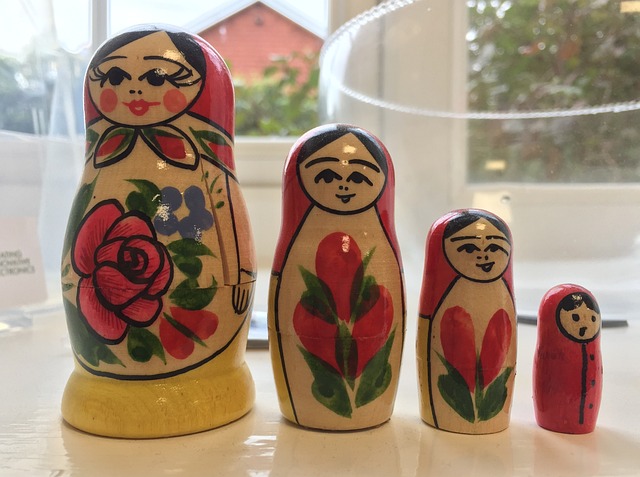
I like the metaphor that we are like Russian nesting dolls. We can identify with all those versions of ourself at the same time. It is the gap between each doll, the pauses where the learning happens.
Recently I moved the venue for a programme I was running to a community stadium. Somebody joked that I would be a WAG (Footballer’s Wives and Girlfriends) and I thought, why not a WOW? A Wiser Older Woman. And that stuck.
I wrote about a wiser older woman in my Ruby Sixpence series.
Deborah: I love your Ruby Sixpence novels. Am I right in describing them as magical realism?
Anita: Yes. Magical realism is where my heart is in my novel writing.
Deborah: I met an older woman at a community cafe I facilitate. She was late eighties. I asked about her working life and she said, catering. Then added, high end. I discovered that this amazing woman had a location catering business. She had provided on location catering to film sets, TV productions, and music festivals working with stars including Lawrence Olivier, and Dick Emery. If I had not drawn this information out of her she wouldn’t have mentioned her incredible career and experience. Why do we do this? Is it because when we are older, we no longer feel the need to promote ourselves? Because we have become used to being overlooked and put in a box? Or that nobody would be interested in what we have to say?
Anita: I don’t know, but that’s an interesting question. I’ll have to explore it in a blog. Many older women have a nagging doubt that they have not yet fulfilled themselves. I have a feeling that I still have something to prove. This has come out in my daily journaling practice. I think it goes back to my childhood. The G3A programme is about fulfilling our potential whatever our age.
If we could harness the power of older women, we could save the world.
Deborah: How can listeners access and participate in the G3A programme?
Anita: There is a weekly blog post on a topic that has inspired me. My blog focuses on mind, body and spirit. By spirit, I don’t mean religion. It’s about our inner understanding. The things we cannot make sense of. There is so much out there it can be a bit overwhelming. I’ve done so much reading and research I could have been studying for a Masters!
In January I wrote 31 blog posts, one for each day of the month, following a writing prompt. Despite all that was happening in my life, a minor surgical procedure and the birth of my grandson, I still achieved it.
There are also a couple of G3A publications. If you sign up to the newsletter you will receive a free book of 101 writing prompts. This is a fantastic way to kickstart a daily writing habit.
I want to gather together a community of women with a similar mindset and of a certain age, so we can be of service to the next generation – recording ourselves for prosperity. History has mostly been written by men. I want to create Her-story. The stories of women need to be recorded and heard. This is a project for the future.
Another of my publications is a book of writing prompts written as a road trip over thirty days.
Raw Writing: A 30-day road-trip down memory lane, to uncover your wellbeing through writing
If you practice anything over 30-33 consecutive days, it becomes a habit.
Deborah: Is G3A just for women?
Anita: I do feel women, particularly older women, lack confidence. I feel an empathy working with women. So, yes. This programme is specifically for women, although men do subscribe to and enjoy my blog posts.
Deborah: What have you learnt about yourself as a result of developing this programme?
Anita: I have started using techniques to improve my wellbeing:
Breathwork. Breathing is at the centre of all wellbeing practice. I’ve been an asthmatic since I was a child. When I am stressed, breathing can become difficult. So, I have been using breathwork and meditation.
Bio-rhythms. I am developing an understanding of my bio-rhythms.
Gut health. This is an area I am exploring as I find ways to keep healthy.
Physical fitness. When I was younger, I was a dancer and at my peak fitness level. Today, I struggle with physical fitness. I practiced yoga and Tai Chi in the past but stopped because of a medical condition. Now that has resolved, I might try again.
So, four things I am attempting to change in my daily life.
Deborah: What words of wisdom would you give your younger self?
Anita: To my younger self, my daughter, and my granddaughter, I would say: Relx. Go with the flow and stop trying so hard. Be happy with what you have and who you are.
I would focus on who I really am and not what other people think I should be. In my teens and twenties, I focused on what other people thought, but I don’t care anymore.
And – don’t lose your physical fitness. Use it or lose it.
Deborah: What is next for Anita Belli or Rose Parry?
Anita: I plan to revise my Write for Life course. Women are the keepers of our stories. They tend to be the ones who hold the family stories. I want to tease out of people their story – its significance and how it has shaped who they are.
It’s only in our 3rd age that we can look back and understand how our story has made us who we are.

It was a pleasure chatting with Anita today.
To subscribe to Rose Parry’s G3A blog and sign up to newsletter for free book of prompts: https://g3a8.wordpress.com
One of the joys of this writing life is connecting with readers and writers. I would love to hear from you. What interests have you pursued in middle-age and beyond that have surprised and delighted you? Write to me at dkauthor@btinternet.com
You can find all episodes of The Mindful Writer podcast here: https://themindfulwriter.buzzsprout.com
Don’t forget to subscribe so you don’t miss any episodes.
In this second episode of season three The Mindful Writer, I talk to Anna Mae about her debut poetry and prose memoir and hear about her experience teaching creative writing in schools, prisons and mental health units, where her dyslexia proved to be a great leveller. But before I introduce you, a quick update on my writing journey.
I’m deep into editing The Evacuee’s Secret. Ideally, I would love to hide myself away and just write. Writing retreats are great for this. No other demands on our time or distractions. But that is a luxury I cannot indulge in right now. Too many other commitments. So, I squeeze in a couple of hours writing each day and spend all the time between thinking about my characters, desperate to return to them on the page.
I met Anna Mae at a local writers’ group – one of several I attend. Spending time with other creatives is inspirational. It has led me to read my work out loud in local spoken word events, take part in book fairs, and facilitate creative writing with community groups.
Participating in community life is important to me as clubs and organisations can help people to feel included and valued, particularly when life changes through bereavement, retirement, moving home, or having a baby.
Anna Mae is active in the local community, attending writing and poetry groups, and is passionate about self-empowerment. Previously she’d worked for Women’s Aid, facilitated creative writing workshops in a prison, a mental health unit, secondary schools, and bereavement groups. So on to the interview.
Anna Mae, originally from Hertfordshire, now lives on the Essex Coast. A Bit of Spirit and a Lot of Spit is the emotional and empowering true story by Anna Mae, sharing with you her life experiences of love affairs, life observations and personal loss.
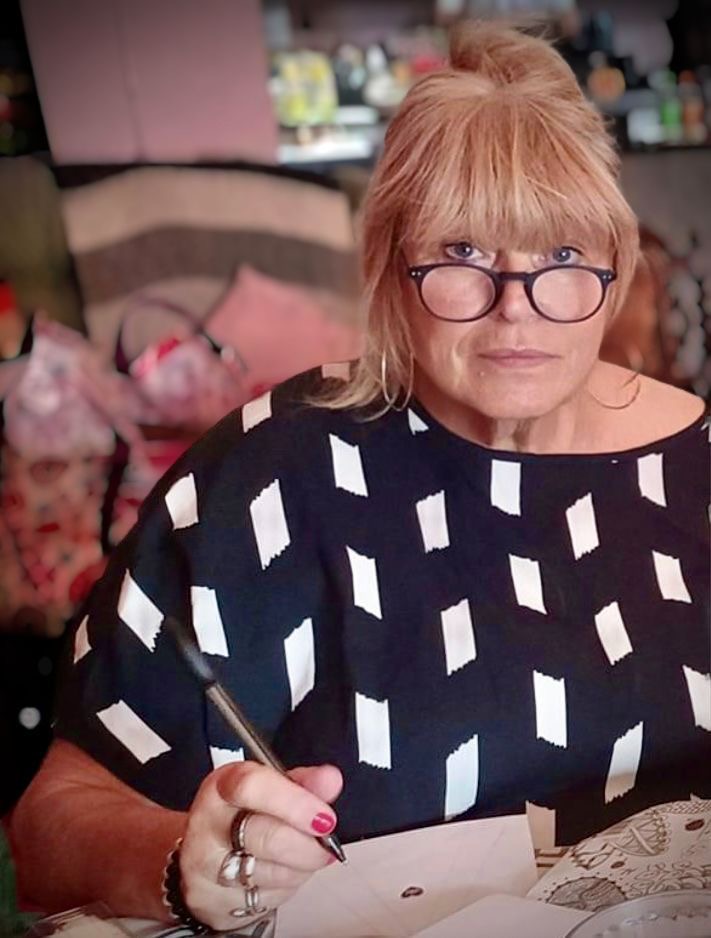
You can listen to the podcast here : Episode Two Season 3 Why Dyslexia was a gift for author Anna Mae
Or read a summary of the transcript below:
Deborah: I had the privilege of reading an advanced copy of A Bit of Spirit and a Lot of Spit – a moving story of emotional courage, spirituality, and hope. What inspired you to write this memoir of poetry and prose?
Anna Mae: My inspiration for writing poetry came after the breakdown of a relationship, as it triggered a flow of poems about bereavement. This came many years after losing my baby boy to a cot death. On what would have been my son’s 30th birthday, in 2009, I went on a roadshow performing my poetry in pubs and clubs to raise funds for cot death research.
People kept asking me if they could buy a book of my poems.
When I came to prepare a book of poems, I also wrote the story between the poems. This mix of poetry and prose made it hard to find a publishing home for the book, but I felt they had to be read together.
Deborah: I should state here that despite the dark subject, your book is uplifting and inspiring with the expression of strong spiritual beliefs and faith. It is beautifully written and I am sure it will help other people experiencing emotional trauma.
Anna Mae: Thank you, Deborah. At life events,
people often said to me, ‘You put into words how I felt.’
Deborah: I think a balance is reached because the poems were written when you were in a dark place, but the prose reflects your learning and how you became stronger. It was brave of you to read your poetry to the public. What would you say to other poets who may be nervous about doing this?
Anna Mae: Don’t think. Just do it! It’s so important. Go to poetry reading groups and get used to reading your poems out loud. At a poetry event there will be like-minded people.
Deborah: There was a long gap between your son’s death and the time you started writing. Why do you think that was?
Anna Mae: I’m dyslexic. In the late 50s and 60s when I went to school, there was little understanding about this. I was considered stupid, and so I stopped writing. I left school at 15 with an RSA typing certificate and cycle proficiency. Computers changed my life. I started studying for a creative writing degree in my sixtieth year. You are never too old.
I finally felt as though my voice could the heard.
Deborah: I’m interested in empowering people to be heard. How did creative writing help the people you worked with in prisons?
Anna Mae: My dyslexia helped me in prisons and schools as it is a great leveller. I start by saying, ‘I’m dyslexic, so if I write something on the board that is spelt wrong, tell me.’ Students would say, ‘How can you be dyslexic, Miss?’
I show them that being dyslexic doesn’t mean you are stupid.
One day a prisoner said to me, ‘I’ve written a poem, but I don’t think you’ll read it out loud.’ The poem was scathing of the criminal justice system. I did read it, and with his permission, entered it in a competition. That prisoner won the competition. When he finished serving his sentence, he was flown to Paris by the competition sponsors, where he went on to complete a degree.
Deborah: Do you think as writers we serve a purpose in helping to get other people’s voices heard?
Anna Mae: I do. Prison wardens would join in the creative writing sessions with prisoners. For a short period of time, they connected with one another on a different level.
One poem written by a prisoner has stayed with me. I cannot remember its entirety, but there were a few lines like: I know what morning you’ve had by the way you turn the key. I know what day you’ve had by the way you say goodbye. It finishes with But you don’t know that you are my poem. I can’t remember the exact words. The memory of that poem still sends shivers through me.
Deborah: have you any words of wisdom to pass on to listeners – maybe to your younger self?
Anna Mae: Find your clan. For lots of my life, I was a square peg in a round hole. It’s only in the last year I really immersed myself in a social circle of writers and I am the happiest I’ve ever been.
Deborah: I think a balance is reached because the poems were written when you were in a dark place, but the prose reflects your learning and how you became stronger. It was brave of you to read your poetry to the public. What would you say to other poets who may be nervous about doing this?
Anna Mae: Don’t think. Just do it! It’s so important. Go to poetry reading groups and get used to reading your poems out loud. At a poetry event there will be like-minded people.
Deborah: There was a long gap between your son’s death and the time you started writing. Why do you think that was?
Anna Mae: I’m dyslexic. In the late 50s and 60s when I went to school, there was little understanding about this. I was considered stupid, and so I stopped writing. I left school at 15 with an RSA typing certificate and cycle proficiency. Computers changed my life. I started studying for a creative writing degree in my sixtieth year. You are never too old. I finally felt as though my voice could the heard.
Deborah: I’m interested in empowering people to be heard. How did creative writing help the people you worked with in prisons?
Anna Mae: My dyslexia helped me in prisons and schools as it is a great leveller. I start by saying, ‘I’m dyslexic, so if I write something on the board that is spelt wrong, tell me.’ Students would say, ‘How can you be dyslexic, Miss?’ I show them that being dyslexic doesn’t mean you are stupid.
One day a prisoner said to me, ‘I’ve written a poem, but I don’t think you’ll read it out loud.’ The poem was scathing of the criminal justice system. I did read it, and with his permission, entered it in a competition. That prisoner won the competition. When he finished serving his sentence, he was flown to Paris by the competition sponsors, where he went on to complete a degree.
Deborah: Do you think as writers we serve a purpose in helping to get other people’s voices heard?
Anna Mae: I do. Prison wardens would join in the creative writing sessions with prisoners. For a short period of time, they connected with one another on a different level.
One poem written by a prisoner has stayed with me. I cannot remember its entirety, but there were a few lines like: I know what morning you’ve had by the way you turn the key. I know what day you’ve had by the way you say goodbye. It finishes with But you don’t know that you are my poem. I can’t remember the exact words. The memory of that poem still sends shivers through me.
Deborah: have you any words of wisdom to pass on to listeners – maybe to your younger sel
Anna Mae: Find your clan. For lots of my life, I was a square peg in a round hole. It’s only in the last year I really immersed myself in a social circle of writers and I am the happiest I’ve ever been.
Writing is who I am.
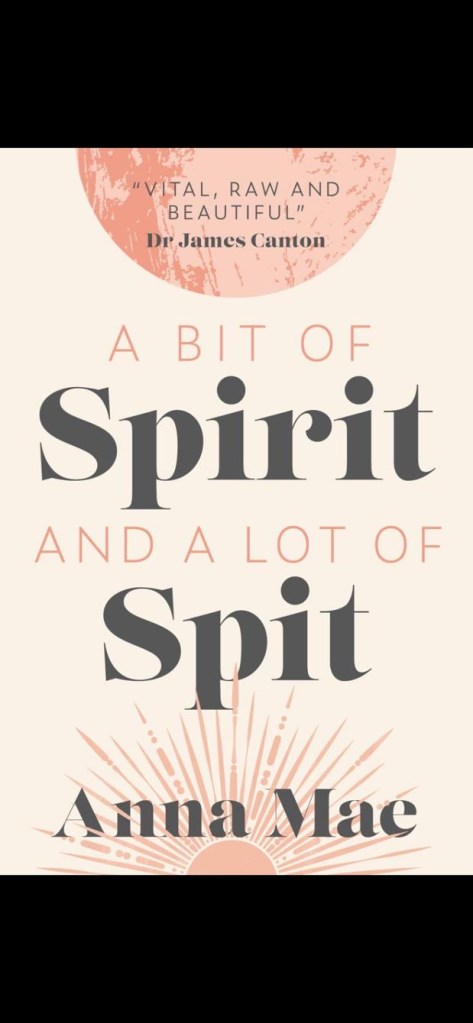
ISBN: 9781916668850 Price: £8.99 The Book Guild Publishing
I asked Anna Mae to read one of her poems from the book.
It’s a
crazy living nightmare
from which
there’s no escape
somehow
you get through it
bravery
doesn’t come into it
There’s nought I know to help
apart from this
this advice
I’ve given others
It’s not a cure
but it’s how I handled it
The touch
and the smell of them
hold it close
inhale deeply
into their toys pillows
blankets their clothes
like you’re
dragging the scent
from the sweetest Rose
Breathe in
the heavenly scent of them
deeply in
through your nose
letting it
fill your whole body
your heart centre
your arms fingers
tummy and legs
right down to your toes
You need to get
the essence
of them
the all encompassing
energy
of them
Breathe them in
then let them go again
breathe them in
then let them go again
Cuddle cushions
dolls and teddies
rock away
cry curse
scream and shout
don’t be afraid
to let it out
Use your friends
it’s what
friendship’s about
join a group
there’s not many
but they are about
Shock is
Mother Nature’s way
cocooned in it
for your protection
you’ll stay
Until someday
that may be near
or far away
you may like me
pick up a pen
and try to write it away
One thing’s for sure
someone
will ask you in time
how did you
get through it
how ever
did you handle it
I hope for them
you’ll remember
my rhyme
The touch
and the smell of them
hold it close

You can find Anna Mae on:
Instagram anna_mae_poet
TikTok @annamae_author_poet
Beautiful! So, until next time, take care of your beautiful self and trust the journey.
You can find all episodes of The Mindful Writer podcast here: https://themindfulwriter.buzzsprout.com
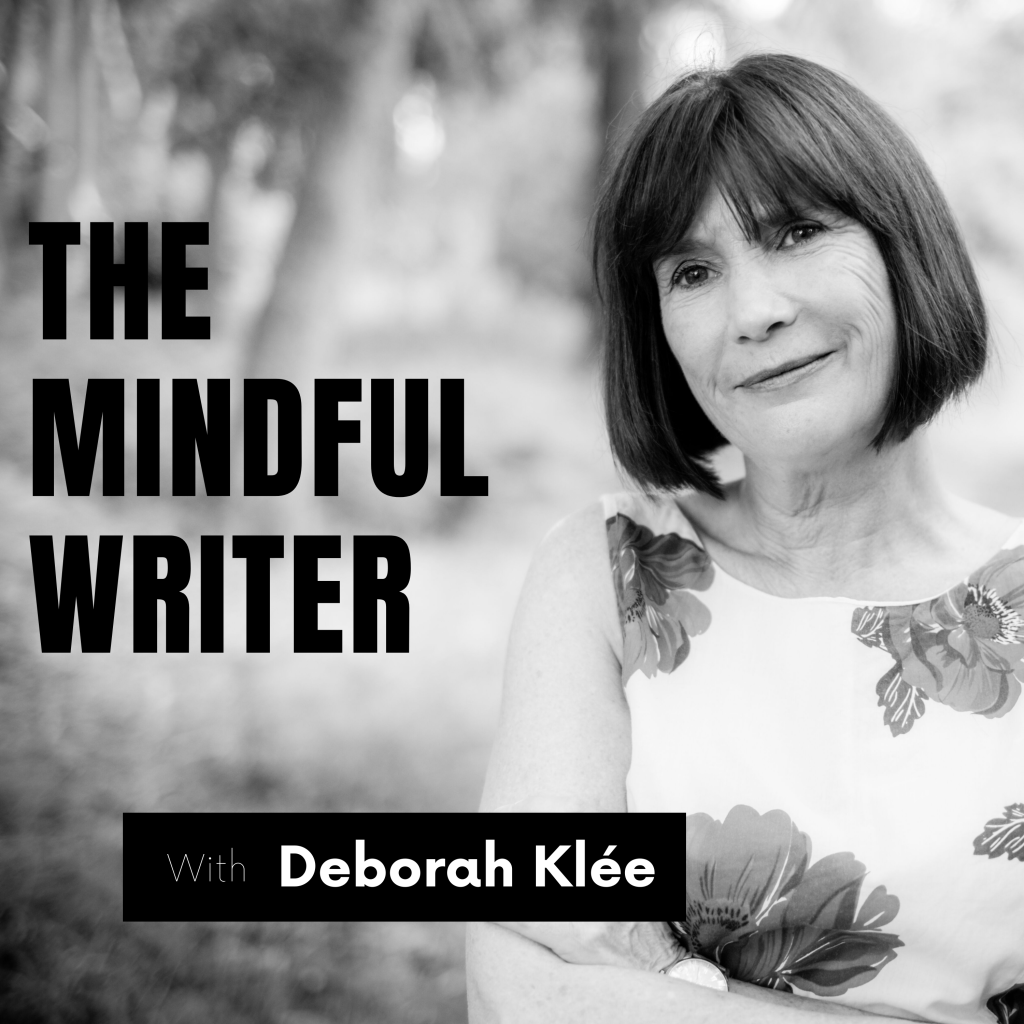
In this first episode of season three The Mindful Writer, Diane Gottlieb tells me what she discovered in collating an Anthology about peoples’ body stories.
But before we learn more from Diane let me update you on my writing journey. Not so much writing journey as holiday journal this week. We returned from a fortnight in Lanzarote yesterday. It was a wonderful holiday as I needed a rest and break from routine after a difficult few months associated with a bereavement and the health of loved ones.
Whilst I was away the thought of stepping back in to my too busy life felt a bit overwhelming. I had to remind myself that I am retired and all the things I do are from choice. My writing schedule and marketing activities, the writing groups – supporting other writers and networking with writer friends, daily exercise classes, socialising. Every day, every week, my diary is crammed with scheduled activities, daily goals, and routine commitments. It is exhausting. I love my life and I am aware of how short it can be. So, I try to cram everything in. I reflected on this whilst on holiday and decided it is about me trying to take control. We can influence how our life unfolds. Daily habits and routines help us to achieve our dreams. But when does this have a negative impact?
I do not have the answers. I’m trying to be kind to myself by listening to my body and honouring my needs – even if it means sometimes saying No. I’m a people pleaser and if I am truthful, a lot of the things that I cram in to my day are what other people want me to do.
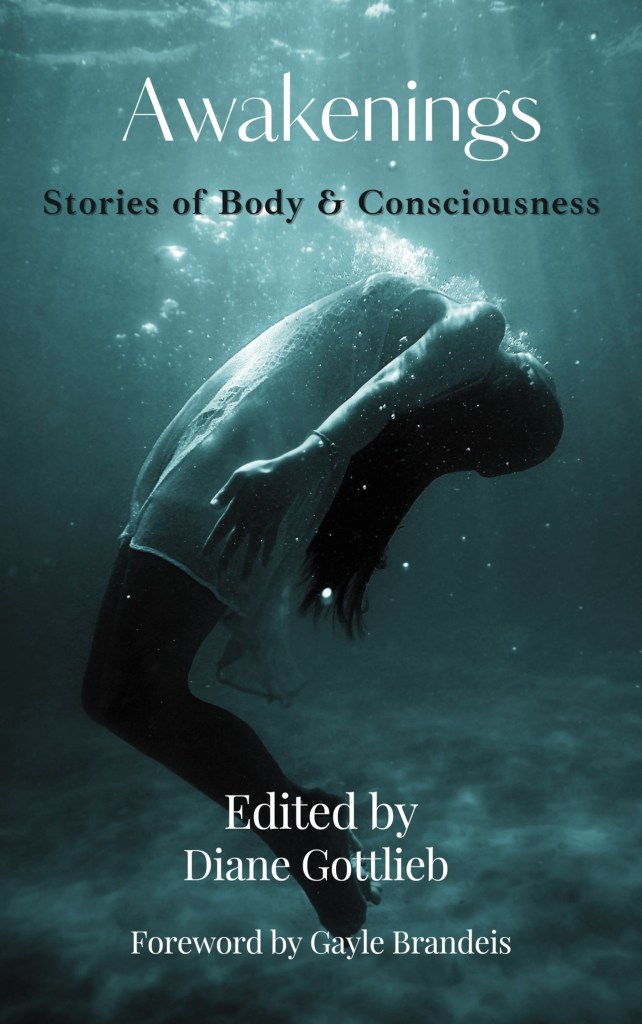
Our bodies are amazing the way that they tell us when things are not right. Which is a great way to lead us in to the chat today where Diane tells me how she has coped with adversity and shares some of her learning from the courageous and resilient people who contributed to her collection of essays, Awakenings.
Diane Gottlieb, is the editor of Awakenings: Stories of Body & Consciousness.
An award-winning writer, Diane’s work has been published in numerous journals and anthologies.
She is the Prose/CNF Editor of Emerge Literary Journal and the founder and author of WomanPause, a newsletter dedicated to lifting the voices of women over 50.
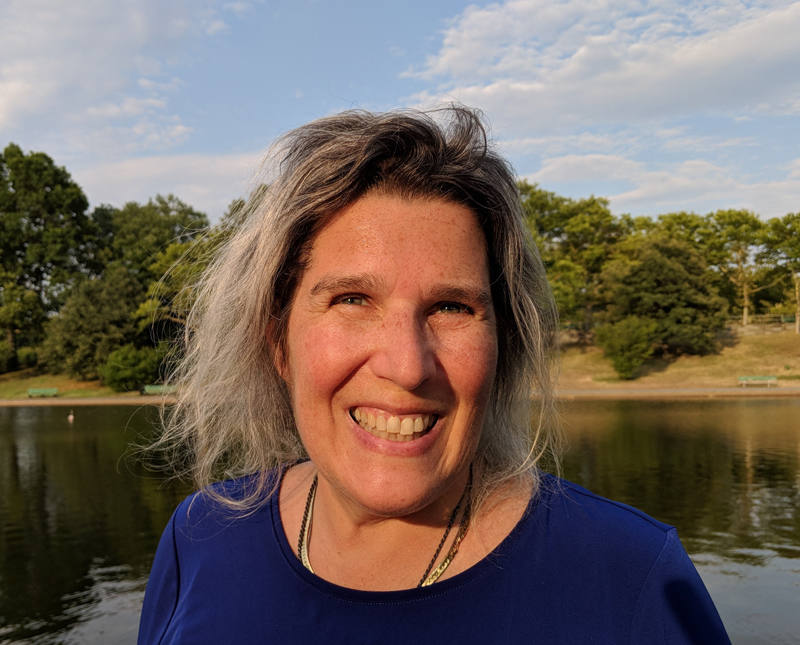
You can listen to the podcast here: Connecting the Physical with Emotional, Mental, and Spiritual Wellbeing, with author Diane Gottlieb.
Or read a summary below.
Deborah: Tell me first about your own writing journey and how Awakenings came into being.
Diane: I had a lonely childhood and I would write poetry. My poems all started the same. A deer was in a forest. Her mother died. She was all alone. An elephant was in a jungle. Her mother died. She was all alone. I used writing to express my feelings and to make sense of my world. It was a catharsis for me.
I came to serious writing later in life, studying for Master of the Arts Creative Non-Fiction at the age of fifty-six. After graduating, I started publishing. I had a blog and I committed to being a good literary citizen, lifting other authors’ voices. I became editor of prose and non-fiction for a journal. It was after having a conversation with the editor of this journal about our bodies that we discussed the idea of collecting essays of other people’s body stories to create an anthology. We received a lot of submissions.

Deborah: That sounds like a wide brief. How did you narrow it down?
Diane: There were some constraints. It had to be a personal story and non-fiction. But the brief was broad. The story could be joyous, triumphant, challenging. It could be about any part of the body. Flash fiction up to 1,500 words.
Deborah: What did you discover in researching and editing this book? Were there any surprises?
Diane: So many! We thought we would get a lot of submissions about weight and size with an emphasis on diet and fitness but this wasn’t the case. There were many different and unexpected stories. We were surprised by the wide variety.
The collection is divided into sections. Section one is about different body parts. It includes essays on: breasts, hair, teeth, lips, feet, rear-ends, and hands. There is a section on Taking up Space.
Deborah: Were there any essays about the emotional, spiritual, or psychological responses to body issues?
Diane: All of the essays include these responses as our physical body, has little separation from our thoughts and feelings. How others see us, was a recurring theme. Some essays are very spiritual/ There is a section on out of body experiences.
There are essays on how we show up in the world and how the world sees us including cultural responses. There is one story about a form of dwarfism. Another about pain.
There is a section on growing older. The final section is about what we do to heal. There is one essay on meditation.
Deborah: How many essays are included in the anthology?
Diane: Forty-nine. We planned on having twenty-five but they were too good or too important not to include. It was hard to choose. I waited until the collection was complete before deciding how to structure the book.
I applied three criteria to help me select the final essays.
Deborah: Was this one of your aims? For the book to inspire others?
Diane: Absolutely. I wanted to let readers know if they were struggling, they were not alone. And I wanted to give a voice to people who needed to be heard and understood. To give them emotional courage.
Deborah: Were you surprised by the emotional strength and resilience shown?
Diane: In my professional life as a social worker, I met with so many people who are courageous. I would say, in awe. I saw how resilient people are and how much growth can come from adversity.
Deborah: You are a woman after my own heart. I too enjoyed a career in health and social care where I encountered many strong and courageous people living through incredible adversity. They have been the inspiration for my novels.
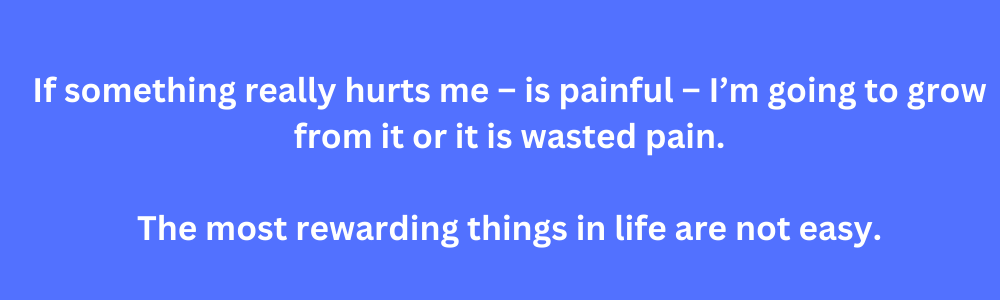
Diane: If something really hurts me – is painful – I’m going to grow from it or it is wasted pain. The most rewarding things in life are not easy.
Deborah: I know many writers listening today will experience feelings of despair and failure in their writing journey. So, asking what is this teaching me? How can this experience make me stronger? These are helpful questions.
Diane: If something is troubling me, I write an essay or flash fiction. Recently I’ve started dabbling I poetry. My poems are not great but exploring feelings with poetry is a wonderful experience.
Deborah: Were there any other revelations for you in compiling this anthology?
Diane: How deeply we all want to be accepted and valued for who we are. How people really want to grow. Whether it is evolutionary or biological we all want to expand ourselves.
There is a new consciousness a push back about how we are supposed to look and behave. Our own hateful voices. People are starting to say, No more. I’m not playing this game anymore.
Deborah: Do you think this becomes easier as we grow older?
Diane: Maybe. Although there were several contributions from young people who are doing this successfully.
Deborah: I am interested too in the newsletter you founded, WomanPause. What inspired you to create this newsletter? What function does it serve?
Diane: My newsletter or blog WomenPause is an antidote to menopause. I started publishing it when I was fifty-seven. I believe women ageing in western society face particular challenges: What we are supposed to look like when we age. The value put on youth.
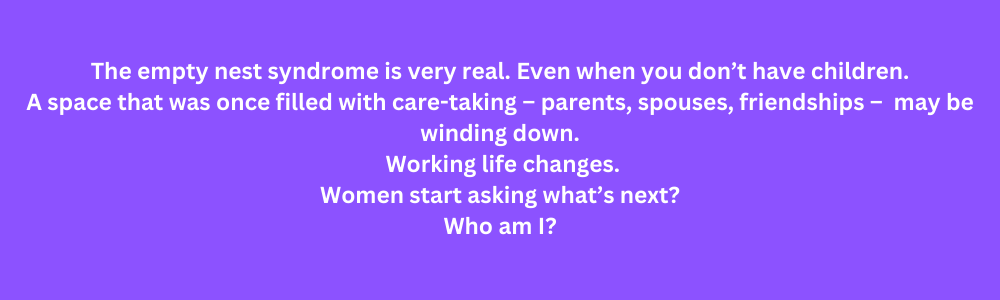
The empty nest syndrome is very real. Even when you don’t have children. A space that was once filled with care-taking – parents, spouses, friendships – may be winding down. Working life changes. Women start asking what’s next? Who am I?
I edited this newsletter/blog to give voice to women over fifty who start over later in life. My husband died in a car crash, so I had to start over. I started a new business at fifty-two. A new relationship. I graduated. I’ve discovered lots of new paths later in life. I’m living my best life at sixty-three.
I interviewed a lot of women on my blog, many but not all of them writers, and expressed my thoughts and feelings.
You can find Diane at https://dianegottlieb.com/ and on Facebook, Instagram, and X as: @DianeGotAuthor.
I am a similar age to Diane at sixty-four. I love my life and I am grateful for my good health and the opportunities available to me. When. You get to a certain age your peers develop medical conditions and too many of them pass away leaving you bereft and increasingly aware of your own mortality. Earlier this year I was reflecting on this. I realised that by focusing on a finishing line I was in danger of holding back. You know how a runner can slow down if they do that instead of looking beyond the finish and giving it everything they’ve got? I wrote this advice for myself:
Live as though you have forever. Love as if you have today.
Now, I just have to look after my physical and mental health by saying No and being kind to me.
How are you honouring your beautiful self? I would love to hear from you. So, until next time.
Look after your beautiful self and trust the journey.
You can find all episodes of The Mindful Writer podcast here: https://themindfulwriter.buzzsprout.com
Don’t forget to subscribe so you don’t miss any episodes.

It’s that time of the year when it’s hard to get out of bed. Friends tell me, ‘I’ve lost my mojo.’ I know what they mean. But that’s okay. We are meant to slow down in Winter.
I haven’t wanted to communicate on social media for a few weeks now. Writing my novel is fine. But looking outward – communicating– requires a different kind of energy, one I seem to lack right now. Family illness and a recent bereavement have contributed to this, but I believe this is a natural state given the time of year. We are in winter, between the Autumnal equinox on 23rd September 2023 and the Vernal Equinox in Spring – March 19th 2024. A time of rest and recouoperation in preparation for the Spring.
We are part of nature and, as such, follow the same patterns and rules as all living things. The autumnal equinox marks the beginning of a growing cycle. It is a time to replenish and gather strength. In the autumn and winter, we often need more sleep and food – preferably nutritious food but for me its comfort foods – warm stews and fruit crumbles. We may choose to go inward and retreat from the world. If we could hibernate, I think some of us would.

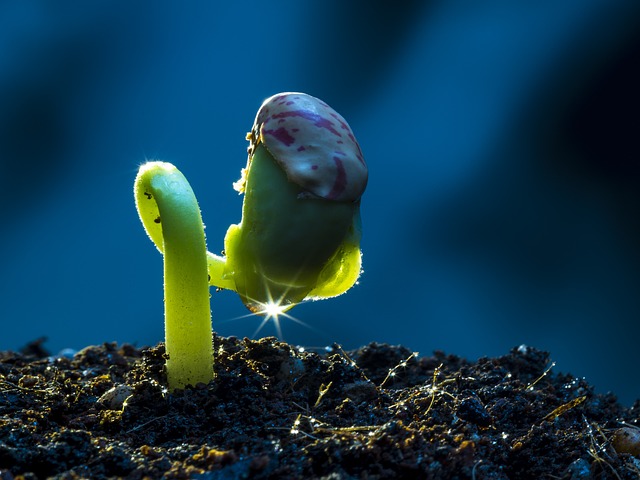
22nd December 2023 (3.27 am GMT, to be precise) was the winter solstice. The longest night of the year and shortest day. Now we are moving towards the Spring Equinox when day and night are the same length – twelve hours apart. Maybe you are feeling a gradual return of your energy. Inspiration for new projects may nudge you, like tiny shoots beneath the soil.
Instead of beating myself up for failing to post regularly on social media or hit marketing targets, I am trying to embrace this period of replenishment and renewal. Some mornings – not all of them by any means – I get up early to practice yoga and meditate. This has made an incredible difference to my day. For example, I had been stuck with a plot point in my work in progress. An hour or so of yoga and meditation had ideas flowing.
I imagine myself a bulb beneath claggy soil – gathering my strength so that I can push up through the earth and burst with vigour into spring.
Do whatever you need to nourish your body and soul. Above all, be kind and patient with yourself.
Soon it will be Spring.
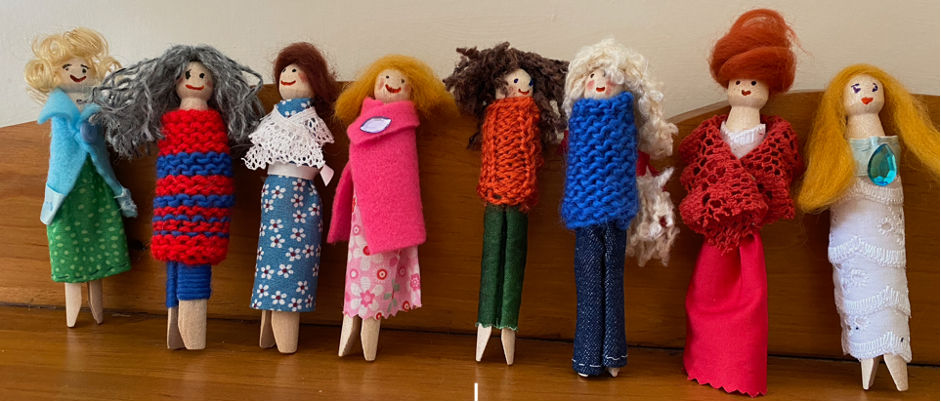
It is International Friendship Day, as I write this on 30th July. I’m not a great fan of days invented to sell greetings cards, but I am in favour of celebrating friendship. It is something we should do every day.
My amazing friends enrich my world. They take me on adventures as we discover new places and ideas.
When my emotions are turbulent with anger, frustration, or disappointment, friends sit with me, figuratively holding my hand, until I am calm and still.
Friends share precious memories, safeguarding them with love so they are not forgotten.
Friendship is not one thing it is a million small kindnesses shared over a lifetime.
When the United Nations proclaimed Friendship Day in 2011, it was to promote friendship between peoples, countries, cultures, and individuals, inspiring peace efforts and building bridges between communities.
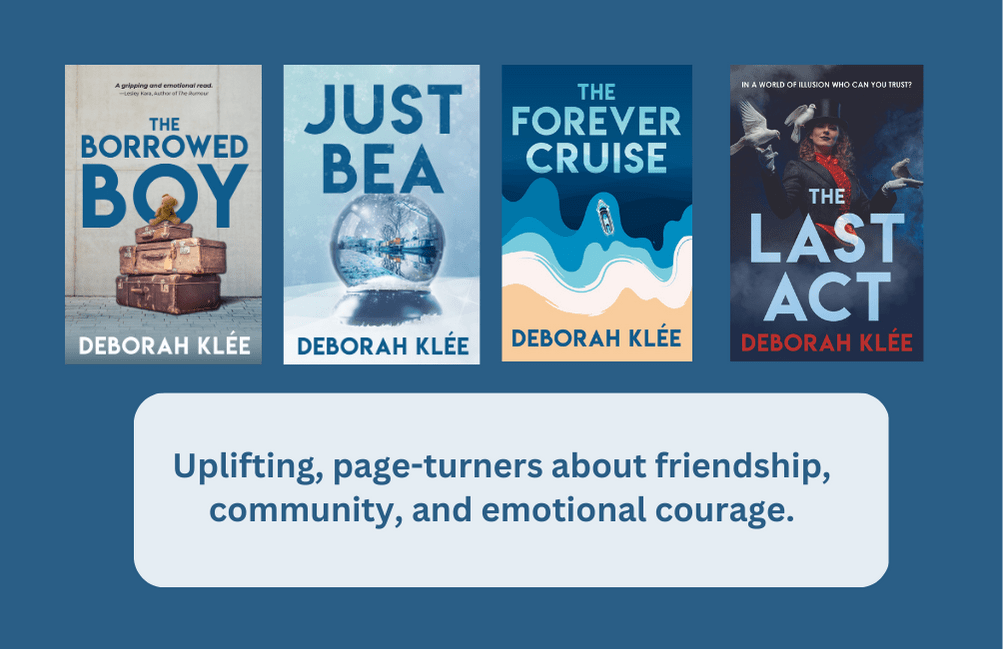
Friendship and community are themes that run through all of my books. The Last Act was published as a paperback last week – available in local Indie bookshops and Amazon. The eBook is published on 1st August – available to pre-order at the bargain price of 99p 99c.
In The Last Act, magician’s assistant, Jojo, has discovered a world that is taking her away from her best friend, Annie. A friendship formed in childhood, they have relied on one another, maybe too much.
In this extract from chapter two, Jojo and Annie are in a Chinese restaurant, catching up on news. Annie has just recounted a shared memory from their childhood.
They both laughed, although this was a story frequently told. It reaffirmed the bond between them, but that evening Annie sensed their ties weakening.

‘How are your parents?’ Jojo asked.
It felt as though Jojo was checking she had covered all that was expected of her before she returned to a world that Annie knew nothing about. ‘They’re talking about moving to Scotland.’
‘Oh,’ Jojo said, and Annie was pleased that she had saved this important news. ‘Does that mean they will sell your house?’
‘Yes. Once Jessica’s married. Dad wants to return to his Highland roots and Mum’s ready for a change.’ Annie sighed.
‘What about you? Where will you live?’
Annie wanted to wail, I don’t know. I’m lost. I’m scared. I’m lonely. ‘I’ll find somewhere,’ she said.
‘Shall we get the bill then?’
So that was that. Annie had dropped her bombshell, but it barely made a ripple on the surface of Jojo’s world. Annie knew her friend had already disconnected and was mentally making her way home to the Incredible Nico.
Whilst Jojo was digging around in her bag, Annie said, ‘What about Monday?’
‘For what? I can never find anything in here.’
‘Give it to me,’ Annie reached out a hand and Jojo passed her the battered leather bag. ‘I’ve not seen this before. Did you get it from Portobello Road or Camden market?’
‘No. It belonged to a magician – a Gladstone bag. I found it in the props room and Charlie said I might as well take it because it would only get thrown away.’
‘Well, it’s ridiculous. You can’t find anything in here.’
‘It is a magic bag,’ Jojo laughed. Annie rummaged and then held aloft Jojo’s green purse.
‘So, Monday? For afternoon tea?’
‘Oh. Okay. I think that’s alright, but we’re really busy with rehearsals for the Starlight show.’
‘Fine.’
‘But I will be there. I promise. About four?’
They hugged each other goodbye. Jojo said she would get a taxi and offered Annie a lift, but they were going in opposite directions.
It was still light, and the streets buzzed with anticipation for the weekend as girls with big hair, dressed in animal print and silks strode with meaning and young men with attitude gave them the eye. Everyone was going somewhere except for Annie. Before Jojo moved in with Nico, they might have met up on a Saturday in Camden to scour the market stalls looking for old clothes for Jojo. I’ll spend the evening with Mum for a change. Buy her a box of orange Matchsticks, her favourite, and we’ll watch Dallas together. But Annie’s heart was heavy. She knew that one day Jojo would meet someone, that their lives would take them in different directions. It was just that Jojo knew where she was going, and Annie had no idea. It was as though she had been waiting for the right bus to come along, watching everyone else leave. Then, when she was alone at the bus terminal, the news that there would be no more buses. Her bus had come and gone without her.
When I wrote this book, I was experiencing the pain of a close friend moving in a different direction than me. It is painful. But necessary. Our lives can be entwined for months or years and then circumstance leads us down a different path to one another. We may feel as though we are being left behind, as Annie did. But new people and opportunities come into our lives.
‘Growing apart doesn’t change the fact that for a long time we grew side by side; our roots will always be tangled. I’m glad for that.’ Ally Connie
I don’t think we ever grow apart from friends. Our lives take us down different paths, but that can only strengthen our bond of friendship. In September, I am spending the weekend with six friends from school. We have known each other for 50 years. I love them and value their friendship. In fact, I am impressed that I had such good sense in choosing these amazing women to be my friends.
So today, on International Friendship Day, remember your friends, new and old, with love and gratitude. Let’s celebrate them every day.
‘I don’t want to be like all the other kids, but if I’m not, they won’t like me.’ My seven-year-old daughter’s lower lip trembles and her eyes well with tears.
‘You don’t have to be like anyone else. Be proud of who you are.’
‘Then I won’t have any friends,’ she shouts. Angry. Hurt. Dismayed.

That seven-year-old girl grew up to be an amazing, self-assured woman who has achieved incredible things. She never did conform to the fashions and trends of her peers. That was a decision she made after facing up to the sad reality of society. We like things to be familiar, unthreatening – to know what is on trend so that we can follow fashions.
I don’t have any grandchildren, just my four books – my substitute grand-kiddies. Now they are saying the same thing: ‘I don’t want to be different. If I’m like the others, then I will be more popular.’
There is truth in this. We know what we like and so when we pick up a book; we look for clues that tell us, this is similar to another one I enjoyed. Book-marketing experts follow trends in book titles and cover-design. They know readers want to spot their favourite genre. The weary shopper, me included, can become irritated by the sameness of book covers. It is refreshing to discover something different, but we don’t want to take a risk investing our time in reading a book without some reassurance that it’s our kind of book.
So, what advice do I give myself? What do I say to my books? Much the same as I gave my daughter. You are unique. Be proud of that. Do you want to be like the others? What is more important to you: being popular, or giving voice to what makes you who you are – that kernel of truth within?
Of course, I want my books to be popular. To compete with best-sellers for a top spot in the Amazon charts. But it is impossible, for me anyway, to write a book with that intention. Writing, like any creative pursuit, is an expression of the soul. Writers dig deep to find their truths, to mine emotions and give them voice. The craft of writing is to understand what makes a good story – story-structure, tropes, pace, etc. Authors have a responsibility to deliver a well-crafted story that meets the expectations of readers. But, to really connect with readers, the author’s voice must be authentic. To tell the story that only they can tell.
I guess I am going to have to experience the same growing pains as my seven-year-old daughter as I find my way in the world as an author. Each time one of my books is published, I attract more readers. My readership is wonderful. They know what to expect when they buy one of my books and say that they are never disappointed. So, I owe it to them to continue writing the stories that they love and if that means I am not read by the masses, so be it.
To find out more about my books visit my Amazon Author page or My Books here on my website.
And remember … Don’t be afraid to stand out from the crowd because You Are Amazing!
Who doesn’t love magic? What does the word conjure for you? Harry Potter and wizards? Memories of childhood parties — white rabbits and top hats? Mind-boggling street entertainers of today performing the seemingly impossible?
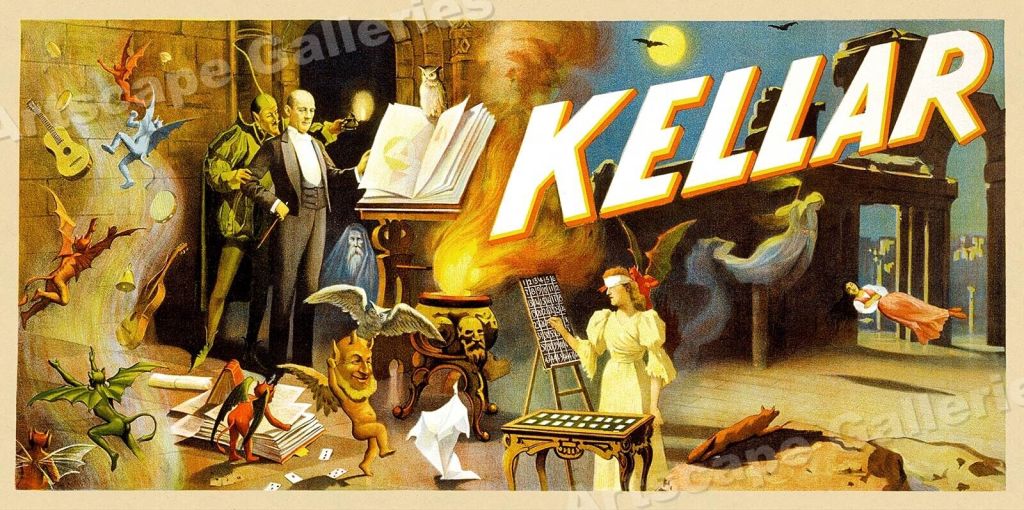
Theatrical magic — illusions created for entertainment — gained popularity in the Victorian era. Mechanical development, and a fascination with all things strange and unworldly, led to the creation of acts such as The Handcuff King, The Electrical Wizard, and Pepper’s Ghost.
The Handcuff King was, of course, American Harry Houdini, who rose to fame in 1900 with his European tour. The Electrical Wizard — Walford Bodie, a Scotsman. Bodie staged mock electrocution on stage. He claimed he discovered Bodic Force — the use of electricity to heal.
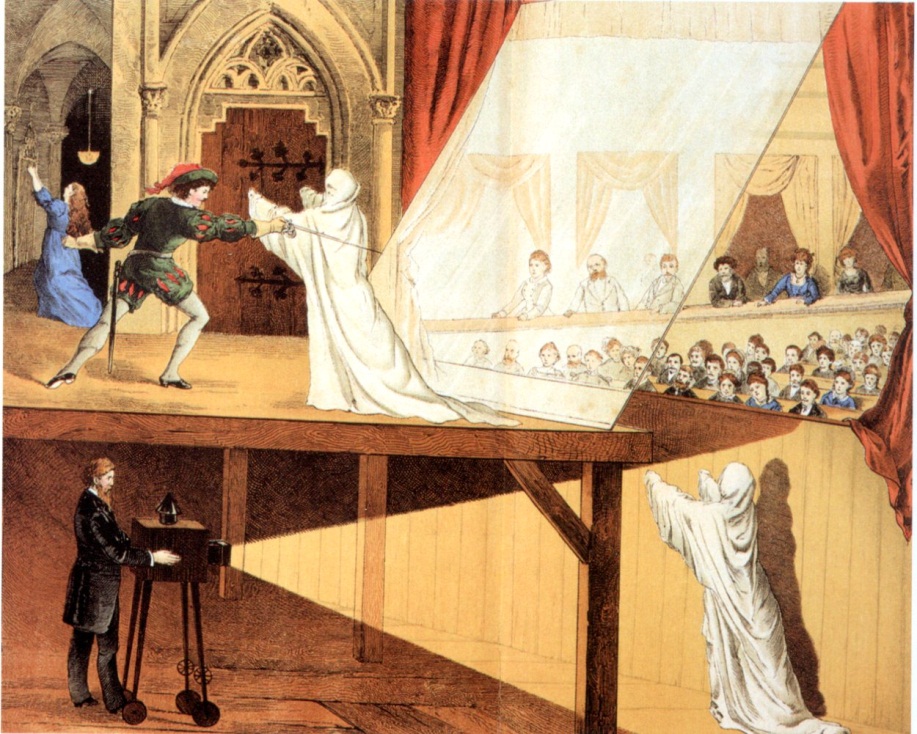
Pepper’s Ghost is my favourite Victorian illusion. It is based on the Magic Lantern technique. Professor Pepper created the illusion of a ‘ghost’ by reflecting a person’s image with a pane of glass. You can watch a modern-day recreation of this technique here.
Pepper’s Ghost was first performed on Xmas eve 1862 in a performance of Charles Dickens’s Haunted Man and Ghost’s Bargain. It was a sensation. Unlike other performers of the time, Professor Pepper showed the audience how he created the illusion. Disney uses a similar technique today in their Haunted Mansion, Disneyland.
I had great fun researching magic tricks for The Last Act. You might say I went down a research rabbit hole with days spent poring over books in The British Library.
The Golden Globe Theatre in London’s Strand is the setting for The Last Act. This is a fictitious magic theatre. I imagined it as a tiny Victorian theatre with old-fashioned mechanisms above and below stage. Although John Henry Anderson, another Scottish Magician, opened a magic theatre in London in the 1840s, theatres dedicated to magic did not exist in 1980. It was John Henry who originally performed the Catching a Bullet in the Mouth trick that I used in The Last Act.
The history of theatrical magic is fascinating. It is changing all the time as new technologies become available. In 1980, my magician, The Incredible Nico, is criticised as being too traditional. It is the start of a new decade and entertainment is transforming with the times: Monty Python’s Flying Circus and Punk Rock. The world of magic is ready for a new-wave act.
Through research and thanks to Penn and Teller, I discovered a few secrets, demystifying some popular tricks. I also had the fortune to meet a magician — a young man in his thirties, who told me about the tricks he and his magician friends used to impress women.
The trick performed as the last act was entirely my imagination. If you want to know more, download the book! Available as e-book and paperback from 1st August.
https://books2read.com/The-Last-Act

I love this post by fellow blogger Jen Driscoll. I wrote a blog on the same topic last year: https://abrakdeborah.wordpress.com/2021/01/11/how-to-find-your-life-purpose/
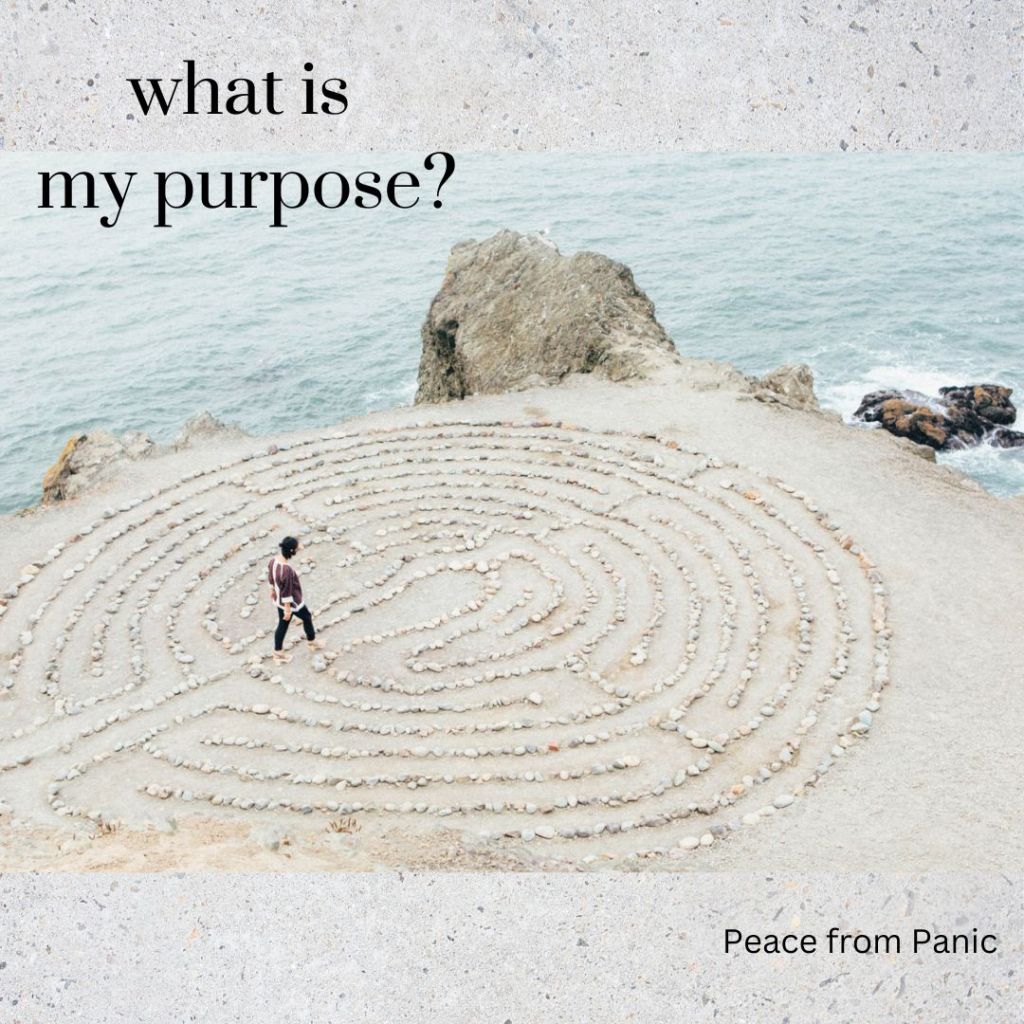
I’ve been hearing a lot about “finding your why“—on podcasts, in articles, on social media—and I can’t stop thinking about it. The term isn’t new to me, but before now, I’ve never stopped to really reflect on it. Maybe I’m obsessing about it because I’m at a crossroads and feel overwhelmed… even sometimes a bit lost.
In the past twelve months, there have been huge changes in my life. My mom and dad both dealt with serious illnesses, and they passed away five months apart from each other. They were an incredible part of my life and it’s surreal they’re not here anymore.
Another substantial turning point for my husband and me involves major business decisions, including upcoming retirement. Life is (and has been) changing—big time.
All of this leaves me wondering what the rest of my life is going to look like. When we retire, my husband and…
View original post 629 more words
In this tenth episode, season two of The Mindful Writer, Gail Aldwin, inspires us with two of her favourite quotes and we explore together what they mean to us on this writing journey.
Before I introduce you to Gail, a quick update on my writing journey. It has been a few weeks since the last episode of The Mindful Writer. I took a break as I went on a Transatlantic cruise, discovering the Caribbean and visiting some favourite ports in Europe. It was a wonderful adventure. I returned relaxed — my creative well brimming over.
It’s been hard resuming the work pace I practised before my holiday. The Last Act comes out on 1st August, and there is a lot for me to do preparing for the launch. I have also had a month away from social media, which has had an inevitable impact on the sale of my books. I fluctuate between a sense of calm, with gratitude for the restorative power of a long holiday and self-recrimination, escalating to panic, for the work I have neglected whilst enjoying a rest.
Finding the right balance between productivity and relaxation is always a challenge. This week, I bought Joanna Penn’s 3 books: The Successful Author Mindset, The Healthy Writer, and The Relaxed Author. I am hoping that they will keep me grounded before I lose the benefits of my wonderful restorative holiday.
The right words from a friend or mentor, a quote from a motivational speaker, or business guru can work wonders. And this just happens to be the topic of our chat this week, so let me introduce you to my guest.
Gail Aldwin is a novelist, poet, and scriptwriter. Her debut, The String Games, was a finalist in The People’s Book Prize and the Dorchester Literary Festival Writing Prize 2020.
Prior to the pandemic, Gail volunteered in Bidibidi, Uganda. The 2nd largest refugee settlement in the world.
In this episode, Gail and I discuss:
You can listen to the podcast here: Episode ten (season 2) Why Self-belief is a superpower with author, Gail Aldwin.
Or read a summary below:
Deborah: Hello Gail. I’m delighted to meet you almost in person after connecting with you on social media where you are very active in supporting other writers.
You shared two excellent quotes with me which I would like to explore. Let’s start with the first:
‘No Matter how much we rally against it, progress is not linear. All I believe now is consistency. If you keep doing something, you will get where you’re trying to go. There is no destination. Instead, arrival is simply the act of showing up itself.’ Anna Codrea Rado.
What does this mean to you, and how have you experienced this learning in your journey as a writer?
Gail: There’s a lot to breakdown in this quote. First,
Progress is not linear. Writing a novel is circular, as you pick up ideas along the way.
I think my writing process is more like a maze. It can sometimes be a meandering journey with some dead-ends and double-backs. It takes persistence to get to the heart of the story.
I think any writing journey must bring you joy, or there is no point to it. All humans need a creative outlet, but it may not be writing.
Consistency is also important, but within that, being prepared to take risks. One of my mantras is:
If you always do what you’ve always done, you’ll always get what you’ve always got.
So, in writing, don’t be afraid to experiment and try something new. I think that is also where you can find joy. Mastering something new.
Deborah: Would you apply that to writing different genres or do you think authors should stick to writing what their readers enjoy?
Gail: That is a good question. The publishing industry tells us this, but I write what I want to write because having that freedom is important to me. Not everything has to be the size of a novel. Short stories and poetry can allow writers to try different things.
Deborah: I told Gail about my recent experience when I joined a slimming club – how despite my initial frustration at only losing 0.5 to 1 pound a week I learnt, having patience, faith in the process, and showing up each week, that those small weight losses added up and before long I achieved my target weight.
Book marketing also requires patience and persistence. It’s good to review what does and doesn’t work, but important not to give up too quickly. Results take time and persistence.
Gail: When I write a book, I don’t know how long it will take to tell that story.
Deborah:
We all want instant gratification. But often it is about being slow and steady.
Gail: Writing a novel takes a lot of time and persistence. It’s useful to have quick wins running alongside it with shorter projects.
The quote says: There is no destination. I’m not sure I entirely agree with that, as I like those smaller goals along the way as they sustain you.
I got this quote from Writers Hour (London Salon Writers’ Hour). It is 8am GMT every day for the UK but other Writers’ Hours in other time zones.
My personal mantra is: Persistence is all.

Deborah: I love Julia Cameron’s words of wisdom. Her books on creativity have got me through a few emotional struggles as a writer.
‘Wherever you are is always the right place. There is never a need to fix anything, to hitch up the bootstraps of the soul and start at some higher place. Start right where you are.’ Julia Cameron
Why do you think we torture ourselves as creatives, believing that we are failing, that we are not where we ought to be in our journey?
Gail: Torture is a strong word! We can get ourselves into a muddle. Believing any place is a good place to start is empowering. I’m in a good place with my writing right now. My third novel, The Secret Life of Carolyn Russell, is due to be published by Bloodhound Books in July and my work in progress is, I believe, my best work yet. So, my self-belief is high right now, unlike last year when I was sending out query letters to agents.
Submitting to agents and/or publishers is a necessary part of the process when publishing a book. By using feedback from rejections to improve your submission package, you can make this a more positive experience. Believing that you are improving, and things are getting better, is what you need to sustain you.
Deborah: the words in that quote that ring true for me are: starting from where you are now. I am very focused and ambitious, always looking ahead. I have learnt through meditation and reflection to observe where I am on my journey and the current learning of that situation.
When our sights are on the future, we miss important lessons in the present.
Gail: In my early days as a writer, I suffered from envy. I did not understand that I first had to learn the craft of writing and it is a long apprenticeship to become a published writer.
I changed my mindset from: Why not me? to: If others can do it, so can I.
Being a cheerleader for other writers, sharing opportunities, and celebrating their success are other ways of overcoming feelings of envy.
Deborah:
Comparison is the thief of all joy.
Wherever you are on your journey, it is unique to you.
Gail: I agree with you.
Deborah: That is what I mean when I say writers can feel tortured. We punish ourselves, throwing up our hands in despair: Why can’t I sell x number of books? Why can’t I get thousands of reviews?
If there is anything we can do through the Mindful Writer to help writers manage that angst, achieving a quiet and calm mind, then my work here is done.
It is so hard for writers trying to get an agent or publisher, my heart goes out to them when I read social media posts of hope and then despair.
Gail: We are working in a very competitive industry and you have to develop a thick skin. No rejection is intended to be personal. Often, it is just not a good fit.
Deborah: I always say to people:
Don’t attach yourself to one particular outcome. Sow seeds of possibility and then wait to see where they root.
We put too much emphasis on getting an agent or a publisher instead of seeing the range of options available to us and taking back control.
Gail: I like the idea of seeds taking root. Where you find fertile ground is where you will flourish.
Deborah: And it will be the right place, at the right time. That is why you cannot compare your journey to another person’s.
You wrote a lovely blog on self-belief where you suggest we should ‘develop a sense of self, to power our writing.’ What do you mean by this? How has this helped you develop as a writer?
Gail: I asked a question on a tweet-chat, ‘Do writers need self-belief? I thought, I don’t need self-belief, just belief in my work. But others came back with a shared view that self-belief was essential to writers. So, I thought: If that’s the case, how do I get some? Simultaneously, I was researching business women for something I was writing, and I came across a business guru for entrepreneurs. A lot of her wisdom applied to me as a writer. For example:
The quality of enquiry is really important.
I’m writing a novel set on an island and I didn’t know what the theme was. About 20k words in, I realised it was about coercive control. So, by trusting the process, the solutions will come.
She also said: Tune into your desire for impact. I reflected on that and realised,
I am the only person who can write the stories I need to tell, and I am the best person to do that.
Another thing she said was: Excavate inner depths. Sometimes, as a writer, I come to a point where I do not feel safe within the story. The jeopardy is there for me as a writer, for example, do I really want to write about my characters in conflict? But it is important that I face this challenge and not turn away. So, don’t back-off.
Deborah: What are you working on now?
Gail: I am writing a novel set on an imagined African island, drawing on my experience living in Uganda to add texture and colour. It is set at a couple’s resort and the story is about three couples who are thrown together when they are all late in arriving for dinner and share a table. I love starting on a new project, exploring new characters and settings.
Deborah: I understand that novel is a WIP but The Secret Life of Carolyn Russell comes out on 3rd July. I will look forward to reading that one.
This is the last episode of The Mindful Writer Season two. There are now 20 inspiring episodes for you to enjoy.
I did have one revelation when I returned from my long holiday. Eighty percent of my social media presence is supporting other writers – which is great! But I suspect I have been hiding behind service to others as that is where I am most comfortable. So, I am stepping outside of my comfort zone to talk about my books, in person as well as social media exposure.
Having a complete break, creating space between me and my work has enabled me to get a clearer perspective. Now I just need to maintain a healthy work life balance.
I hope you find time to relax and enjoy the summer. Until we meet again, take care of your beautiful self, and trust the journey.
You can find all episodes of The Mindful Writer podcast here: https://themindfulwriter.buzzsprout.com
Don’t forget to subscribe so you don’t miss any episodes.
In this ninth episode, season two, of The Mindful Writer, I chat with wellness author Nita Sweeney, about movement, meditation, and creativity.
First, a quick update from me. I’m looking forward to going away for four weeks cruising the Caribbean, then a transatlantic crossing and Europe. It’s only a couple of weeks away, and so I’m trying to achieve my writing goals before setting sail. One of these was completing the first draft of my sunken village novel and I’m pleased to say I’ve sent a complete manuscript to my editor to review whilst I’m away. On my return, I will be doing final edits on another novel, The Last Act, before it. Goes to publication on 1st August. So, I am in that delightful stage of a pause between activity – a time for replenishment and renewal. Opening up space for new ideas, projects and inspiration to find me. I am always very much on the move, but sometimes it is just as important to be still.
Movement and meditation is the theme of our chat this week, so let me introduce you to my guest.
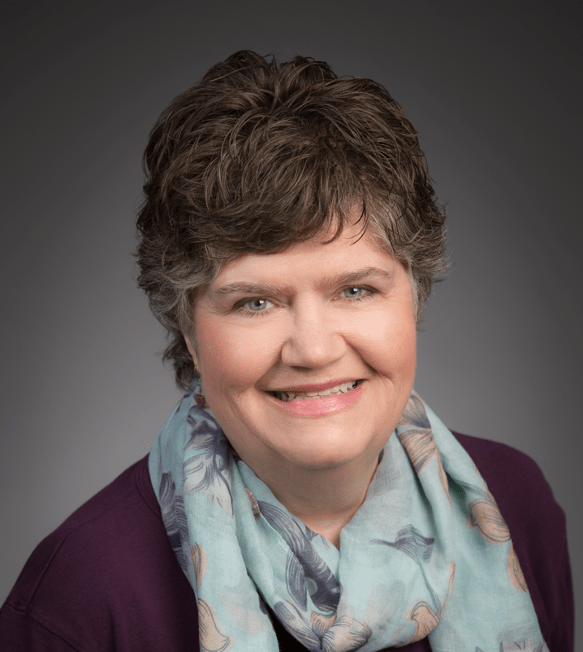
Nita Sweeney is an award-winning wellness author, meditation leader, mental health advocate, ultra-marathoner, and writer coach – so, an excellent guest for this podcast. I was interested in exploring the inspiration and learning from three of Nita’s books.
In this episode, Nita explains:
You can listen to the podcast here: How to Soothe and Silence your Inner Critic with wellness author Nita Sweeney.
Or read a summary below:
I asked Nita about her book. Running with your dog? This was your first book, but it took some time for you to find a home for it. Can you tell us about this book’s journey – how it came to be written, and then published?
Nita explained how she had written several works and tried to get published for many years without success. When her twenty-four-year-old niece died of cancer, followed by the loss of seven loved ones and a cat over an 11-month period, Nita expressed deep depression.
A friend posted on social media, ‘Call me crazy, but this running is getting to be fun.’ That message inspired Nita to try running. At first, just 60 seconds at a time. As she got into running, Nita found her mental health improve to the extent that she could stop taking some of her medications.
It occurred to her that there was a story in her experience. At first, she thought it was: Depressed, middle-aged woman starts running and eventually runs a marathon. But then she realised the story was: Middle-aged woman runs to save her life.
A friend who was also a writer and an editor, encouraged her to submit this story for publication. After previous disappointments pitching her memoir, Nita was reluctant. This friend said, ‘If you just wanted a book with your name on it, then you could have self-published by now. Be honest with yourself. If you want to be traditionally published, then that’s what you have to go after.’ Nita wanted what she called a gold star. For Nita, a publishing contract was an affirmation that her book was worthy. So, she set out with a plan to find an agent and if unsuccessful, find a publisher. Her last resort would have been to
self-publish. Not because she considered it inferior, it just wasn’t the publishing experience that she wanted for herself.
Nita pitched to 108 agents, 133 publishers who did not require agents, and entered 30 competitions. Her book was a finalist in the Falkner award and it was nominated for another award. These awards persuaded a publisher that it was worthy.
I remarked on Nita’s incredible tenacity.
We talked about the emotional impact of losing a parent. Until you have lost a parent, I don’t think you understand the depth of pain experienced.
‘It’s like a club you don’t want to be in,’ Nita said. Especially a 2nd parent. You become an orphan and despite being an adult you feel adrift – unanchored.
We agreed it doesn’t matter what age you are, when your mum dies, you feel like a little kid.
‘It was as if I knew there was a cliff over there, but it was hidden by a veil. When Mum died, it was as though someone had ripped away that veil.’
Back to running, Nita explained that the friend who inspired her to run was the same age and build as her at that time.
‘Looking back, that (social media) post saved my life. You never know who is watching. Who you will inspire, or whose life you will change.’
I observed that Nita would have inspired many readers through her books.
‘I can’t think of the person reading my books when I write. I have a coaster: Dance like no-one can see you. I need one that says: Write like no-one is reading. When I edit, I think about the reader but not when I’m writing.’
I commented on that inner critic who sits on our shoulder when we write. We have to learn how to silence them so the writing can flow.
Nita worked as an assistant to best-selling author of Writing Down the Bones, Natalie Goldberg, for many years and took several of her classes. The writing practice Natalie teaches is to set a timer and just write.
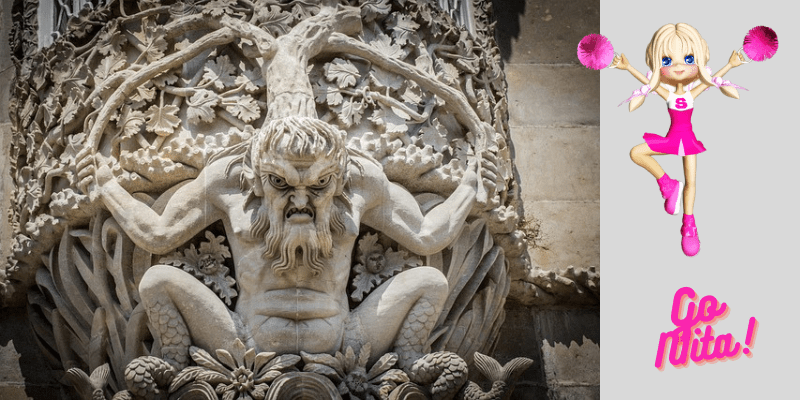
Natalie Goldberg talks about the Guardians at the Gate. She visited a Zen monastery in Japan. Huge, grotesque statues stood at the gates. Natalie says, Your inner critic is like the guardians. They roar, ‘How much do you want this? What are you prepared to risk?’
Our inner critic is trying to protect us. Nita says that she has a guardian on one shoulder and a little cheer-leader with pom-poms on the other, chanting, ‘You can do this Nita!’ The guardian is louder with its roar but they both want the best for her.
I asked how she makes her peace between those two voices.
‘I often think the guardian/inner critic is trying to keep me safe. So, I just think: I know you are trying to protect me, but it’s okay I have a plan. Let’s just see where it goes. You just have to keep moving. It’s like writing. The inner critic is yammering away at you, but you just have to keep your hand moving along the page. So long as you are writing, the inner critic won’t catch you.’
This is why Natalie Goldman uses periods of time for writing. You keep your hand writing, no matter what. That’s the key. If you don’t acknowledge the inner critic, it starts screaming. So, it’s important to acknowledge it calmly.
We discussed Nita’s other two books, both about movement. Make every movement a Meditation and You Should be Writing, which is about keeping your pen moving. There’s a theme here!
‘Let’s talk briefly about You Should be Writing’, Nita says. ‘I co-wrote this book with my publisher. We took author quotes and wrote about them. It’s to inspire creativity and can be used as writing prompts or a writing journal.’
We then discussed Every Move is a Meditation.
Nita explained you can meditate in any position, including whilst moving. You pick a time period or a distance/ activity and an object of meditation: thoughts or body sensation. Then, start moving and when your mind wanders from your object of meditation, take your mind back or choose another. You do this with the goal of being equanimous – trying to have a bit less preference about pleasant or unpleasant sensations. That’s the practice described in her book. Often the meditative state happens naturally when we are absorbed in an activity, for example, running or writing. The activity has a natural calming effect on the body. It’s about present moment awareness – where you become absorbed in the activity.
Nita had the idea for a book on daily mindful meditations but Mango wasn’t ready for this book from her as she had an audience of readers who were interested in running to manage anxiety and depression. So, Making Every Movement a Meditation was intended for that audience.
I enjoyed talking to Nita and, as always, the time passed far too quickly.
You can find out more about Nita and her books by visiting her website:
I had hoped to prepare one more podcast before going away, but realised that was a bit over-ambitious. I will be back with another episode of the Mindful Writer in June with guest Gail Aldwin.
I will be thinking of you whilst on my cruise, jotting down ideas and inspiration to share with you on my return. So, while I am away, take care of your beautiful self and trust the journey.
You can find all episodes of The Mindful Writer podcast here: https://themindfulwriter.buzzsprout.com
Don’t forget to subscribe so you don’t miss any episodes.
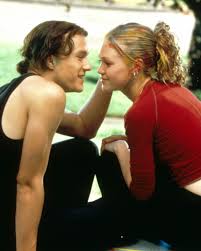
An image from the film 10 Things I hate about you, showing Heath Ledger, and Julia Styles lovingly gazing into one another’s eyes. Because I love that film and the title of this blog is a good excuse to use an image from it.
In this 8th episode, season two, of the Mindful Writer, author and blogger, Anneliese Knop tells me about her life with seeing dog, Greta, and shares many words of wisdom. It really is a fascinating interview.
Before I introduce you, let me tell you about my writing journey. Yesterday I wrote The End. Woo Hoo. It’s a fantastic feeling when you finish writing the first draft of a novel. The idea for writing about a sunken village has been with me for about seven years, after seeing an image of a church spire in the middle of a reservoir. I knew it would not go away until I found my story. It took several months of playing with ideas, then a visit to Yorkshire to visit the reservoir, before everything clicked into place and I had the outline for a story. I started writing it soon after Christmas aiming to complete the first draft by the end of March, so I am ahead of schedule. There’s lots more work to do. I always say the first draft is you, the writer, telling yourself the story. I do a lot of planning before I write so hopefully it is structurally sound but I will be relying on my developmental editor to tell me what needs fixing. Then starts the first round of edits.
In the meantime, I will be preparing The Last Act for publication in July.
I am very focused about achieving my goals, but this strength has a downside as my guest this week explains. So, let me introduce you.
Anneliese Knop, is an author and blogger. She writes fantasy with co-author Galadriel Coffeen and her blog, Look on the Dark Side, gives a fascinating account of her life with seeing dog, Greta. Anneliese was born with a genetic degenerative retinal condition, but this has not limited her in any way. She quotes:
‘Where is it written that all our dreams must be small?’
In this episode Anneliese explains:
You can listen to the podcast here: Episode 8, season two: Why you should love the things you hate about you, with author Anneliese Knop
Or read a summary below:
Anneliese has already achieved what some people might consider big dreams, and I don’t doubt there is more to come. I was excited to meet Anneliese and asked her to tell us a little more about herself.
Anneliese explains that genetic degenerative condition means that she is blind. ‘I am passionate about good stories, good mental health for all, and promoting professionalism and career advancement in the blind community.’
I love Anneliese’s blog as it is so informative and well- researched. In one blog post, she discusses toxic perfectionism and toxic positivity. I asked Anneliese to explain these and the impact they can have on a person.
I feel most passionate about Toxic Positivity.
A lot of pressure is put on people, particularly disabled people to put their best foot forward, all the time.
In the disabled community, we put pressure on ourselves and each other not to appear bitter, or angry. We do not want to become an emotional burden as well as a physical one. And we don’t want to give disabled people a bad name.
Toxic positivity is about denying reality – clinging to a positive mindset to the exclusion of the negative or unpleasant sides of reality. An unwillingness to acknowledge that sometimes life is just hard.
We all have bad days, and that is normal. The toxicity comes from denying this reality, which then isolates people and gives them no out-let for finding and giving compassion to one another.
Toxic perfectionism comes from a very healthy desire to be excellent at what one does, that becomes toxic when anything less than perfection is completely unacceptable and triggers anxiety, self-loathing, anger, either turned outward or inward. So, both of these things can come from a good place, but they are taken to unhealthy levels.
I suggest we are perhaps all on a spectrum, from the healthy to unhealthy positivity and perfectionism.
Anneliese agrees, describing how a positive attitude enabled her as a blind person to achieve what seemed like impossible dreams.
There are two sides to every attribute, I observe. What we perceive to be positive attributes can have a negative side and vice versa. I am very motivated, a self-starter, and that is great because I am focused and work hard, but the downside is, I beat myself up when I don’t meet my personal expectations. I am compassionate to other people, but I am not always compassionate to myself.
Anneliese agrees and says that in couples’ counselling, she sometimes asks a couple, what character trait in your partner really annoys you? That trait has always been there, and it is why you fell in love with them. So, which part of this trait is the part you fell in love with? In revealing that we discover that the thing which is annoying them the most is the very thing that attracted them. It’s just not working well at the moment.
The same is true for yourself. The things that you find frustrating are also the things that you love about you. They are just out of balance.
I love Anneliese’s approach. When we feel angry and frustrated with ourselves, soften a little and view ourself with compassion, find the positive side of what we view as a negative attribute and be thankful.
Anneliese says, I like to tell clients and fellow writers:
Your inner critic is doing you a favour. She might be over-zealous in doing it, but how is she helping you? You should be thankful for that.
I agree with Anneliese and say that our inner critic is trying to protect us. When they tell us: ‘You can’t do that. You will fail’, they are trying to stop us from getting hurt. We need to say, ‘Thank you. I can hear you, but it’s okay. I’ve got this.’ Be loving to that inner voice and understand its intention, but have faith that it’s okay. You can do this. I call them the goblins.
Anneliese laughs. ‘That’s cute.’ In family therapy, she tells me, there is a popular approach called Internal Systems Family Therapy. It’s basically that we have lots of parts of ourself – goblins of yourself, inside and you have to work out how to get them to all work together. Sometimes, one of them has been exiled by the others, or wounded before they can do their job. And so, another goblin is working harder to make up for it and in order to find balance you have to find the wounded, exiled part, heal them and invite them back into the birth of yourself.
I reflect. So, love all of them? And balance them. Because they are working together with the common goal that they all want you to succeed. This was perhaps an over-simplification, but Anneliese kindly agreed.
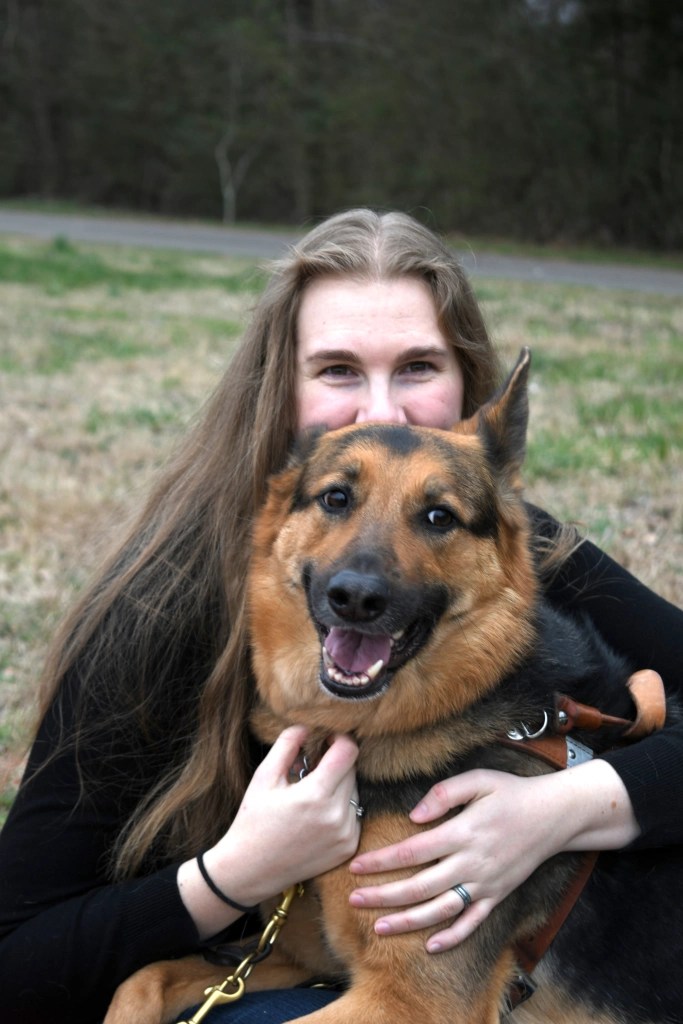
On to my next question, which again came from Anneliese’s excellent blog. I read that Greta, her seeing-eye dog, experienced behavioural problems, which Anneliese researched to understand her better. I asked, ‘You have a Master’s in Christian counselling and so this must have been fascinating for you. What did you discover and how might this relate to us humans?’
Anneliese replied, ‘That is kind of the core of my blog right now. Describing our journey as a working team to explain different mental health concepts.’ She went on to say that when Greta had some behavioural issues, she approached it like couples-counselling.
Because when a dog has issues, then the human does too.
It doesn’t necessarily mean the human caused the issues. Parents of dogs tend to blame themselves almost as much as parents of humans do. You and your dog live together in companionship and so you are bound to impact one another. So, if your dog is anxious, you are aware of that and will respond. Or, if your dog is fearful, energetic, or hyper, that has an impact on you. And so, when you work with your dog, you have to work with yourself too. Just like in couples’ counselling. If one partner has an affair, a traumatic injury or a job loss, this will have an impact on their partner as well as on them. So, it is important that couples acknowledge that and are prepared to work co-operatively as well as independently.
When I recognised that Greta had what I liked to call post high-school stress disorder, after interning at a high-school, brought on by the rambunctious activities of the teens – they did respect her, but she didn’t like the way they were treating each other and frankly, I don’t blame her – then I got myself a therapist and a dog trainer who I refer to as our doggie couple’s therapist.
I asked what behaviour Greta was exhibiting.
Barking at people when she was distressed. She wanted to restore order and so she barked. I felt, everyone is going to think she is an aggressive, badly behaved dog, and we are going to destroy the reputation of service dogs and access law. And I’m going to ruin the world for all blind people, ever. And that’s why I needed a therapist! See, another example of toxic positivity.
I remarked that by working with Greta and the dog-trainer, Anneliese had learnt something about herself.
What I didn’t recognise is all my life I heard definitions of anxiety that didn’t match my experience. People expressing concerns about what might happen in the future.
I didn’t worry. What I did was rehearse and resolve the same problem over and over again. And that is also a definition of anxiety.
It took Greta’s issue for me to realise that I spent hours a day resolving and planning for every possible conversation where someone would criticise us for the slightest misbehaviour on her part. I realised; Oh, I have anxiety. That definition I heard isn’t the only one out there. If I had realised there were things such as rumination and repetitive thoughts, I might have taken action years earlier for myself, not related to Greta.
I could identify with the anxiety Anneliese describes. For me, meditation helps to stop the repetitive thoughts.
Again, we come back to balance, Anneliese reassures me. It comes from a good thing: the ability to look out for potential problems ahead and plan for them, is a healthy natural skill that people ought to be able to develop. It’s a good thing. It’s just a problem when you can’t stop doing it. When it gets in the way.
Your brain is designed to move in and out of threat mode easily. When you can’t get out of threat mode, that’s when you have anxiety.
I understand, I say. ‘It’s learning how to still your mind and understand what’s happening.’
Anneliese says: Mindful meditation can allow us to watch our thoughts, disentangle them and then, in a way, consciously reach for the on/off switch to take us out of threat mode.
I add: And to be compassionate and kind. It’s always easier said than done, but we are all works in progress.
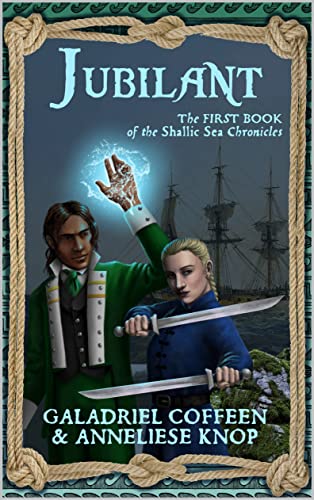
I ask another question from Annelies’s blog. As a writer, you experience the world differently to sighted people. In your blog post, Overcoming the sight barrier in world building, you explain touch don’t tell and how you envisage the world through your hands. Can you tell us more about your approach to world building?
World building tends to happen more in science fiction and fantasy genres, but it can happen in historical fiction. It’s where you construct a world or part of a world that doesn’t exist. For example, Tolkien’s Middle Earth, or C.S. Lewis’s Narnia.
Being blind from birth, I’ve not been able to experience the world visually, so I don’t care what a person’s clothes are like, for example. I found I felt disengaged from many books because they did not engage all the senses. But then, I read books like the Redwall series by Brian Jacques and he spends a lot of time describing the texture, scent, and flavour of food, and the sound of singing, the accents different characters have, and the scent of trees, flowers, and damp earth. He is a multi-sensory author. And I thought:
Well, my world is pretty rich even though I can’t see, so how can I convey the wealth of experience that I have to people who are so used to limiting themselves to their eyes as their primary sense? How can I make them experience my story with their whole body?
So, when I write about an experience I have not encountered before, for example, firing a cannon; the first thing I will do is research the mechanics of how it works, then I will look up recordings of the sounds, or I will go to a museum that has a cannon and I will put my hands on it, with permission. I get away with a lot because I am blind and they recognise that just looking at something in a museum doesn’t cut it for me. I look for as many experiences that I can experience with my full body and translate that on to the page in the same way that another person might look up an image on the internet and describe it visually on the page.
I could have talked to Anneliese for hours, but sadly, we ran out of time. She shared some fascinating insights. But you can hear more from Anneliese by visiting her blog https://comelookonthedarkside.wordpress.com
After meeting Anneliese for this interview, I asked her to read the draft of a short story I had written about a sighted boy living in a world where everyone was blind and his sight was considered a disability. The observations in her feedback were invaluable. For example, a blind woman in my story touched the face of her love interest to discover his features. Anneliese pointed out that a person blind from birth would have no interest in what a face looked like. Her comments enabled me to write a much better story. You can access a free copy of A World of Difference by signing up to my newsletter. Or read more about the value Anneliese added to my story as a sensitivity reader, in my blog post: What would the world be like if everyone was blind?
So, until next time, take care of your beautiful self, and trust the journey.
You can find all episodes of The Mindful Writer podcast here: https://themindfulwriter.buzzsprout.com
Don’t forget to subscribe so you don’t miss any episodes.

 Deborah Klee