It’s that time of the year when it’s hard to get out of bed. Friends tell me, ‘I’ve lost my mojo.’ I know what they mean. But that’s okay. We are meant to slow down in Winter.
I haven’t wanted to communicate on social media for a few weeks now. Writing my novel is fine. But looking outward – communicating– requires a different kind of energy, one I seem to lack right now. Family illness and a recent bereavement have contributed to this, but I believe this is a natural state given the time of year. We are in winter, between the Autumnal equinox on 23rd September 2023 and the Vernal Equinox in Spring – March 19th 2024. A time of rest and recouoperation in preparation for the Spring.
We are part of nature and, as such, follow the same patterns and rules as all living things. The autumnal equinox marks the beginning of a growing cycle. It is a time to replenish and gather strength. In the autumn and winter, we often need more sleep and food – preferably nutritious food but for me its comfort foods – warm stews and fruit crumbles. We may choose to go inward and retreat from the world. If we could hibernate, I think some of us would.
22nd December 2023 (3.27 am GMT, to be precise) was the winter solstice. The longest night of the year and shortest day. Now we are moving towards the Spring Equinox when day and night are the same length – twelve hours apart. Maybe you are feeling a gradual return of your energy. Inspiration for new projects may nudge you, like tiny shoots beneath the soil.
Instead of beating myself up for failing to post regularly on social media or hit marketing targets, I am trying to embrace this period of replenishment and renewal. Some mornings – not all of them by any means – I get up early to practice yoga and meditate. This has made an incredible difference to my day. For example, I had been stuck with a plot point in my work in progress. An hour or so of yoga and meditation had ideas flowing.
I imagine myself a bulb beneath claggy soil – gathering my strength so that I can push up through the earth and burst with vigour into spring.
Do whatever you need to nourish your body and soul. Above all, be kind and patient with yourself.
An image from the film 10 Things I hate about you, showing Heath Ledger, and Julia Styles lovingly gazing into one another’s eyes. Because I love that film and the title of this blog is a good excuse to use an image from it.
In this 8th episode, season two, of the Mindful Writer, author and blogger, Anneliese Knop tells me about her life with seeing dog, Greta, and shares many words of wisdom. It really is a fascinating interview.
Before I introduce you, let me tell you about my writing journey. Yesterday I wrote The End. Woo Hoo. It’s a fantastic feeling when you finish writing the first draft of a novel. The idea for writing about a sunken village has been with me for about seven years, after seeing an image of a church spire in the middle of a reservoir. I knew it would not go away until I found my story. It took several months of playing with ideas, then a visit to Yorkshire to visit the reservoir, before everything clicked into place and I had the outline for a story. I started writing it soon after Christmas aiming to complete the first draft by the end of March, so I am ahead of schedule. There’s lots more work to do. I always say the first draft is you, the writer, telling yourself the story. I do a lot of planning before I write so hopefully it is structurally sound but I will be relying on my developmental editor to tell me what needs fixing. Then starts the first round of edits.
In the meantime, I will be preparing The Last Act for publication in July.
I am very focused about achieving my goals, but this strength has a downside as my guest this week explains. So, let me introduce you.
Anneliese Knop, is an author and blogger. She writes fantasy with co-author Galadriel Coffeen and her blog, Look on the Dark Side, gives a fascinating account of her life with seeing dog, Greta. Anneliese was born with a genetic degenerative retinal condition, but this has not limited her in any way. She quotes:
‘Where is it written that all our dreams must be small?’
In this episode Anneliese explains:
Toxic Positivity
Toxic Perfectionism
Why we should love the things we hate about ourselves
Why dog owners and their dogs might benefit from couple’s counselling.
Anneliese has already achieved what some people might consider big dreams, and I don’t doubt there is more to come. I was excited to meet Anneliese and asked her to tell us a little more about herself.
Anneliese explains that genetic degenerative condition means that she is blind. ‘I am passionate about good stories, good mental health for all, and promoting professionalism and career advancement in the blind community.’
I love Anneliese’s blog as it is so informative and well- researched. In one blog post, she discusses toxic perfectionism and toxic positivity. I asked Anneliese to explain these and the impact they can have on a person.
I feel most passionate about Toxic Positivity.
A lot of pressure is put on people, particularly disabled people to put their best foot forward, all the time.
In the disabled community, we put pressure on ourselves and each other not to appear bitter, or angry. We do not want to become an emotional burden as well as a physical one. And we don’t want to give disabled people a bad name.
Toxic positivity is about denying reality – clinging to a positive mindset to the exclusion of the negative or unpleasant sides of reality. An unwillingness to acknowledge that sometimes life is just hard.
We all have bad days, and that is normal. The toxicity comes from denying this reality, which then isolates people and gives them no out-let for finding and giving compassion to one another.
Toxic perfectionism comes from a very healthy desire to be excellent at what one does, that becomes toxic when anything less than perfection is completely unacceptable and triggers anxiety, self-loathing, anger, either turned outward or inward. So, both of these things can come from a good place, but they are taken to unhealthy levels.
I suggest we are perhaps all on a spectrum, from the healthy to unhealthy positivity and perfectionism.
Anneliese agrees, describing how a positive attitude enabled her as a blind person to achieve what seemed like impossible dreams.
There are two sides to every attribute, I observe. What we perceive to be positive attributes can have a negative side and vice versa. I am very motivated, a self-starter, and that is great because I am focused and work hard, but the downside is, I beat myself up when I don’t meet my personal expectations. I am compassionate to other people, but I am not always compassionate to myself.
Anneliese agrees and says that in couples’ counselling, she sometimes asks a couple, what character trait in your partner really annoys you? That trait has always been there, and it is why you fell in love with them. So, which part of this trait is the part you fell in love with? In revealing that we discover that the thing which is annoying them the most is the very thing that attracted them. It’s just not working well at the moment.
The same is true for yourself. The things that you find frustrating are also the things that you love about you. They are just out of balance.
I love Anneliese’s approach. When we feel angry and frustrated with ourselves, soften a little and view ourself with compassion, find the positive side of what we view as a negative attribute and be thankful.
Anneliese says, I like to tell clients and fellow writers:
Your inner critic is doing you a favour. She might be over-zealous in doing it, but how is she helping you? You should be thankful for that.
I agree with Anneliese and say that our inner critic is trying to protect us. When they tell us: ‘You can’t do that. You will fail’, they are trying to stop us from getting hurt. We need to say, ‘Thank you. I can hear you, but it’s okay. I’ve got this.’ Be loving to that inner voice and understand its intention, but have faith that it’s okay. You can do this. I call them the goblins.
Anneliese laughs. ‘That’s cute.’ In family therapy, she tells me, there is a popular approach called Internal Systems Family Therapy. It’s basically that we have lots of parts of ourself – goblins of yourself, inside and you have to work out how to get them to all work together. Sometimes, one of them has been exiled by the others, or wounded before they can do their job. And so, another goblin is working harder to make up for it and in order to find balance you have to find the wounded, exiled part, heal them and invite them back into the birth of yourself.
I reflect. So, love all of them? And balance them. Because they are working together with the common goal that they all want you to succeed. This was perhaps an over-simplification, but Anneliese kindly agreed.
Anneliese with seeing dog, Greta
On to my next question, which again came from Anneliese’s excellent blog. I read that Greta, her seeing-eye dog, experienced behavioural problems, which Anneliese researched to understand her better. I asked, ‘You have a Master’s in Christian counselling and so this must have been fascinating for you. What did you discover and how might this relate to us humans?’
Anneliese replied, ‘That is kind of the core of my blog right now. Describing our journey as a working team to explain different mental health concepts.’ She went on to say that when Greta had some behavioural issues, she approached it like couples-counselling.
Because when a dog has issues, then the human does too.
It doesn’t necessarily mean the human caused the issues. Parents of dogs tend to blame themselves almost as much as parents of humans do. You and your dog live together in companionship and so you are bound to impact one another. So, if your dog is anxious, you are aware of that and will respond. Or, if your dog is fearful, energetic, or hyper, that has an impact on you. And so, when you work with your dog, you have to work with yourself too. Just like in couples’ counselling. If one partner has an affair, a traumatic injury or a job loss, this will have an impact on their partner as well as on them. So, it is important that couples acknowledge that and are prepared to work co-operatively as well as independently.
When I recognised that Greta had what I liked to call post high-school stress disorder, after interning at a high-school, brought on by the rambunctious activities of the teens – they did respect her, but she didn’t like the way they were treating each other and frankly, I don’t blame her – then I got myself a therapist and a dog trainer who I refer to as our doggie couple’s therapist.
I asked what behaviour Greta was exhibiting.
Barking at people when she was distressed. She wanted to restore order and so she barked. I felt, everyone is going to think she is an aggressive, badly behaved dog, and we are going to destroy the reputation of service dogs and access law. And I’m going to ruin the world for all blind people, ever. And that’s why I needed a therapist! See, another example of toxic positivity.
I remarked that by working with Greta and the dog-trainer, Anneliese had learnt something about herself.
What I didn’t recognise is all my life I heard definitions of anxiety that didn’t match my experience. People expressing concerns about what might happen in the future.
I didn’t worry. What I did was rehearse and resolve the same problem over and over again. And that is also a definition of anxiety.
It took Greta’s issue for me to realise that I spent hours a day resolving and planning for every possible conversation where someone would criticise us for the slightest misbehaviour on her part. I realised; Oh, I have anxiety. That definition I heard isn’t the only one out there. If I had realised there were things such as rumination and repetitive thoughts, I might have taken action years earlier for myself, not related to Greta.
I could identify with the anxiety Anneliese describes. For me, meditation helps to stop the repetitive thoughts.
Again, we come back to balance, Anneliese reassures me. It comes from a good thing: the ability to look out for potential problems ahead and plan for them, is a healthy natural skill that people ought to be able to develop. It’s a good thing. It’s just a problem when you can’t stop doing it. When it gets in the way.
Your brain is designed to move in and out of threat mode easily. When you can’t get out of threat mode, that’s when you have anxiety.
I understand, I say. ‘It’s learning how to still your mind and understand what’s happening.’
Anneliese says: Mindful meditation can allow us to watch our thoughts, disentangle them and then, in a way, consciously reach for the on/off switch to take us out of threat mode.
I add: And to be compassionate and kind. It’s always easier said than done, but we are all works in progress.
Cover of book: Jubilant. The First Book of the Shallic Sea Chronicles by Galadriel Coffeen and Anneliese Knop.
I ask another question from Annelies’s blog. As a writer, you experience the world differently to sighted people. In your blog post, Overcoming the sight barrier in world building, you explain touch don’t tell and how you envisage the world through your hands. Can you tell us more about your approach to world building?
World building tends to happen more in science fiction and fantasy genres, but it can happen in historical fiction. It’s where you construct a world or part of a world that doesn’t exist. For example, Tolkien’s Middle Earth, or C.S. Lewis’s Narnia.
Being blind from birth, I’ve not been able to experience the world visually, so I don’t care what a person’s clothes are like, for example. I found I felt disengaged from many books because they did not engage all the senses. But then, I read books like the Redwall series by Brian Jacques and he spends a lot of time describing the texture, scent, and flavour of food, and the sound of singing, the accents different characters have, and the scent of trees, flowers, and damp earth. He is a multi-sensory author. And I thought:
Well, my world is pretty rich even though I can’t see, so how can I convey the wealth of experience that I have to people who are so used to limiting themselves to their eyes as their primary sense? How can I make them experience my story with their whole body?
So, when I write about an experience I have not encountered before, for example, firing a cannon; the first thing I will do is research the mechanics of how it works, then I will look up recordings of the sounds, or I will go to a museum that has a cannon and I will put my hands on it, with permission. I get away with a lot because I am blind and they recognise that just looking at something in a museum doesn’t cut it for me. I look for as many experiences that I can experience with my full body and translate that on to the page in the same way that another person might look up an image on the internet and describe it visually on the page.
I could have talked to Anneliese for hours, but sadly, we ran out of time. She shared some fascinating insights. But you can hear more from Anneliese by visiting her blog https://comelookonthedarkside.wordpress.com
A woman walking in a field of tall grass carrying a young boy on her shoulders. Image for giveaway short story by Deborah Klee A World of Difference.
After meeting Anneliese for this interview, I asked her to read the draft of a short story I had written about a sighted boy living in a world where everyone was blind and his sight was considered a disability. The observations in her feedback were invaluable. For example, a blind woman in my story touched the face of her love interest to discover his features. Anneliese pointed out that a person blind from birth would have no interest in what a face looked like. Her comments enabled me to write a much better story. You can access a free copy of A World of Difference by signing up to my newsletter. Or read more about the value Anneliese added to my story as a sensitivity reader, in my blog post: What would the world be like if everyone was blind?
So, until next time, take care of your beautiful self, and trust the journey.
I am generally a positive person. As a teenager, my daughter wrote in my Mother’s Day card (her gift was a book, The Pig of Happiness): ‘You remind me of the pig of happiness most of the time. Although your optimistic outlook on life can sometimes be a bit annoying, it usually cheers me up.’
We laugh about this message, now she is in her thirties. I am generally optimistic, but like all people, I have days when a little sadness descends and I question my self-worth. I am fortunate that these moments do not last long, unlike depression, which can be very debilitating.
Those days when I don’t feel like the pig of happiness can usually be attributed to:
Being tired
Feeling burnt out
Another person’s bad mood impacting on me
Thoughtless or hurtful remarks made by friends or acquaintances.
Being tired or burnt out is easy to fix when we are in control of our own time. It is not so easy for parents of young children, carers, and those working long hours in a demanding job. Recognising when we need some self-care is the first step to renewing our energy and lifting our mood.
When someone we live with, or love, is unhappy or angry, we can absorb some of their mood. We might empathise becoming low ourselves or, when anger is released in a non-discriminatory way, react with anger. When this happens to me, I try to make time to do things that fill me with joy: walks by the sea, writing, meeting girlfriends for coffee, yoga, or spin. We can be kind, compassionate, and supportive, but it is important to show ourselves the same love as we do our loved one.
Recently, I have become aware of how other people’s envy or discontent impact me. Like all traits, there are positive and negative sides. The positive: I always look for the best in people. I am forgiving and loyal. The negative: I am too trusting and do not always protect myself from people who do not wish me well.
My positive, joyful approach to life can make others feel envious. I must have something that they don’t – better health, more money, more opportunity. If I can achieve things they cannot, then I must have more than my share of good fortune, and it’s not fair.
Instead of nurturing their own light, they try to diminish mine. An example of this is a workshop I attended a year ago. We all talked about our experience of lockdown. It was a small group of participants and the intention was for us all to feel safe and supported as we reflected on the previous year and set our intentions for the next. When it was my turn, I spoke about the books I had published, and my podcast – how I had to learn new skills, my anxiety about marketing my books and uncertainty about the future.
A woman, unknown to me, said, ‘Do you know how that makes me feel? It makes me think you cannot possibly have achieved all of that. It makes me feel angry. Envious. Jealous. I’m just putting it out there, as others may feel the same.’
There was complete silence. The facilitator did not pick her up on her hurtful remark and we moved on to the next person. Although I was upset by her comment, I am also grateful. Not to that woman. She was unkind. But it reflected words and actions directed at me at other times in my life. Sadly, some people, particularly other women, focus on a person’s success as a measure of their failure, fuelling a hatred towards that person.
Partners too, can resent it when we grow, fulfilling our dreams, as they might feel left behind and resentful. This is not my experience, but I have seen it happen.
When we recognise negative energy in another person, we can protect ourselves by understanding where it is coming from and not reacting.
However, it is not always easy to recognise. There have been a few occasions when I have been deceived into believing a person is my friend despite being disappointed repeatedly by their actions and words. Why do we do that? My mother would get frustrated with me when, as a teenager, I failed to see through the false friendship of a friend who repeatedly treated me with a lack of respect or consideration. In my case, I blamed myself and thought I wasn’t good enough.
Often, memories from our formative years influence how we react to people who are false friends. For example, as a child, I desperately wanted my father’s approval.
Friends or acquaintances may drop comments into a conversation intended to tip you off balance. I heard an interview with Catherine Cookson many years ago. She was surprised and hurt at the reaction of friends and neighbours when, after many years of struggling as an author, she had success. ‘I thought that they would be pleased for me,’ she said.
There will always be people who want to dim our light. There will always be people who cast a shadow. Protect yourself by going inward. Remind yourself that you are loved. You are exactly where you need to be on your journey. You are enough.
When Hamza Yassin won Strictly Come Dancing in 2022, he shared three life lessons. The first was:
Surround yourself with people whose eyes light up when you enter the room.
I am blessed to have many wonderful, loyal, kind, and supportive friends.
We will all have days when we feel a little sad, or not at our best. Take time out to self-care. Be your own best-friend. Because you are precious. Never stop shining your beautiful light.
In this episode of the Mindful Writer, author Kim Nash, shares her secrets to success, but before we learn how to make our dreams come true, let me update you on my writing journey.
After the successful launch of The Forever Cruise in December, I am hunkering down to work on my fifth book set in Yorkshire. My plan is to complete a first draft before I go away for a month cruising the Caribbean and then cross Atlantic to the Greek islands. My plan is to leave this draft with beta-readers whilst I enjoy a break and fill my creative well with fresh story ideas. On my return, I will prepare The Last Act for publication in July. Then back to my Yorkshire novel. A busy but exciting year ahead. I’m really looking forward to the cruise.
It’s great starting the new year with plans and goals. There is a lot that we have no control over and life will always throw unexpected challenges. My guest this week explains how she turned her dreams into a reality and shares many words of wisdom on dealing with life’s curve balls.
So, let me introduce you.
Kim Nash is the author of uplifting, funny, heartwarming, romantic, feel-good fiction. Kim is Digital Publicity Director for publisher Bookouture (a division of Hachette UK) and is a book blogger at www.kimthebookworm.co.uk.
In this episode, Kim tells me:
How she turned her dreams and wishes into a reality.
Kim, you have a remarkable history of achievement. A love of reading inspired you to start a blog reviewing books, Kim the Bookworm. Your outgoing personality and can-do attitude led to you securing a position at Bookoutre (digital publisher) where you are now Head of Publicity and social media manager. In 2019 your debut Amazing Grace was published by Hera followed by another three books in quick succession. As I said, a considerable achievement.
How have you turned your dreams and wishes into reality?
Kim’s journey started with book blogging. She read a book by Milly Johnson, A Spring Affair. It was about a woman who cleared clutter from her home and discovered it was her life that needed to be decluttered. At the time of reading this book, Kim was experiencing challenges in her own life. The book helped her gain a different perspective. At the end of the story, the author invited readers to contact her to give feedback. Kim wrote to say what the book meant to her and was astounded to receive a reply hours later. Milly wrote, ‘You lady are the reason that I write.’
Kim and I talked about the joy of receiving feedback from readers. Kim says:
‘The best thing about being an author is when a person you have never met chooses your book out of all the books available to them and it helps them through a situation or takes them away from their normal life.’
We agreed that if you touch one other person, you have achieved something incredible as a writer.
‘Comparison is the thief of joy,’ is one of Kim’s favourite mantras. For her, success is not the number of books she has sold but the number of times she receives messages of this kind from readers.
It was Milly Johnson who encouraged Kim to set up a book blog. Having had one important exchange with Milly, Kim contacted her again and asked her if, as an author, she felt a book blog would be useful. At that time, there were few book bloggers. Once again, Milly inspired Kim with confidence and she started her book blog – Kim the Bookworm.
Kim’s work as a book blogger took her into the publishing world, as she became known to authors and publishers. She was invited to launch parties and other events where she networked. One day a publicist at Bookoutre contacted Kim to ask if she would review a book. In her response, which was yes, Kim asked a question: ‘If you know of anyone in publishing who would like to employ an enthusiastic book lover, let me know.’
As a result, Kim was offered a job with Bookoutre. She had years of experience in PR and marketing as well as her love for books and reputation as a book blogger. It was an opportunity that brought together all the things that she loved.
I asked Kim what advice she would give based on this experience of seeing her dreams materialise.
‘Be brave enough to put yourself forward. Recognise what you need to do to make things happen. You can’t become an author without first writing a book.’
Always ask yourself what you need to know. For example, when will a decision be made? Be direct and ask the question.
Being an author can make you feel anxious, so don’t be afraid to ask the questions when you need an answer. Being an author is a massive emotional roller-coaster. Kim says: At Bookoutre we always try to get back to authors so that we do not increase their anxiety. It seems to be accepted in this industry that it’s okay not to get back to people, but it is not acceptable. Agents and publishers don’t get back to people. In any business other than publishing, it would be different.
I agreed. ‘Don’t hand over responsibility and control for your happiness to the industry or anyone. And don’t attach yourself to one particular outcome.’
Kim talked about having a can-do attitude. In response to the lack of literary cultural events in the area where she lives, Kim set up a local book festival with fellow author Phillipa Ashley. Her message is: If you want something to happen, then make it happen yourself. Another example is the book club she set up nine years ago.
If there are things you would like to happen – write them down.
Then write what you need to do to make them happen.
Finally, be brave. Step outside of your comfort zone and do it.
I asked Kim how she looked after her health and well-being given her busy life. I use a colour coded planner, Kim explains. The colour coding shows her the activities that are taking most of her time. When cleaning the oven takes priority over writing, she knows that she is procrastinating.
Kim loves nature. She takes her dog for walks, enjoying sunsets and sunrises, walks in the forest or by water. Sometimes she just needs to sit in front of the TV and binge watch a favourite series. Time with family and friends – laughing. These activities help her relax and unwind.
Kim is an inspiration to me and one of my role models.
I love her can-do attitude. Sometimes we may look at another person’s journeys comparing it to our own and we make excuses: that person has more opportunities, more money, more time. That might all be true. Their journey is different and we gain nothing by comparing. But we can learn from another person. How have they achieved success? Determination? Resilience? Persistence? Putting themselves forward as Kim did? Self-belief? What can you take control of in your life right now? What do you want to happen in your life and what do you need to do to make it happen?
I wish you the very best for 2023. The Mindful Writer Podcast will be back on 8th February with guest, Sandell Morse who explains how her journey to a French village uncovered long silenced stories of courage and resistance, and her unexpected inward journey back to her Jewish identity. Subscribe now so that you don’t miss this fascinating episode.
So, until next time: Take care of your beautiful self and trust the journey.
In this fourth episode of season 2 The Mindful Writer, Leah Bailey, talks about the power of words and explores how they can change our perspective.
Before I introduce you, let me update you on my writing journey. Publication day for The Forever Cruise gets closer, and I experience as many highs and lows as a cruise ship on a choppy sea. The paperback is already out, as I wanted to be sure I had copies in time for the launch party on 1st December – which is the day the eBook goes live.
Highs – I’ve had some wonderful reviews from readers who ordered the paperback, and advanced readers who received a copy of the eBook in exchange for an honest review.
Lows – I noticed some typos in the paperback and had to correct and re-order for the launch party. What have I learnt from this? I have reviewed my proofing process so that there is less chance this will happen again. Having beaten myself up for not being perfect, I have reflected and concluded that it is okay – we learn from our mistakes. I’ve been charging ahead at a million miles an hour, wearing myself out, and making mistakes. I set high standards for myself, and so, when I fail to meet them, I am tough on myself. I am learning to be kinder to me. To slow down. And to be grateful for where I am now on my writing journey.
I am looking forward to celebrating the publication of The Forever Cruise with my wonderful readers, friends, and family. It is with their support and friendship that I have been able to write and publish this book.
Sometimes we are so focused on what we have not achieved that we forget to cherish where we are now.
My guest this week, lives very much in the moment. I found her interview fascinating. So, let me introduce you.
Leah Bailey is a poet, and teacher of English language and literature. In this episode, Leah explains how we use language to:
Connect with other people
Make sense of our world
Express how we are feeling
Process thoughts, and emotions.
Leah also shares some practical exercises to write for wellbeing and reads two beautiful poems.
Leah Bailey
Deborah: Hi Leah, I am really pleased to welcome you to the mindful writer podcast. So, before you introduce yourself, and I shall do a bit of an introduction for you, I should just say you are recovering from the cat knocking over your mug of coffee.
Leah: Yes. Two of my key things for my sanity is my cats and my coffee. But unfortunately, they do sometimes collide.
Deborah: So welcome. Leah, you are a poet, with three collections of your poems now published, including the most recent, Coffee and Paper Cuts. I love the title of that one. The English language is your passion, and one that you share with others, both as a poet, and a teacher of English language and literature. So, let’s start with why you think it’s important to use the written word to communicate our thoughts and feelings.
Leah: I think that language is how we approach the world. It’s how we think; it’s how we communicate. And so, to be able to understand ourselves, using language, through reflection, and then to be able to communicate our understanding to someone else, connects us to other people: whether the language is our own, or someone else’s.
I did some travelling recently. And so, you know, when you’re in a country where you don’t speak the language, you have to communicate. And so, you find the words – you find the sentences – you find the capacity, using everything you have to get something across. That is quite important and valuable.
But language, and the words that we choose to use, can be both helpful and harmful.
And so having the right ones, and communicating what we actually want to say, instead of what we think we want to say. Miscommunication, can cause huge problems in terms of language. So, knowing and understanding the right words to use to communicate what you actually mean is vitally important for anybody: adults, teenagers, students, and teachers alike.
Deborah: And that is a skill, isn’t it? I remember my aunt years ago – I overheard a conversation; she was talking to my mum. And she said, ‘Oh, my husband gets so crossed with me, because he says, when we have arguments, you always win because you know, the right things to say, and I don’t have the language or I can’t express myself like you do.’ So, he felt powerless compared to her.
Sometimes there’s a bit of an imbalance or an inequality, when somebody hasn’t had an education, or they can’t express themselves so well, to actually be heard. So, I wondered how teaching language and working with students, adults and children, and young people, how you can help people to express their emotions.
Leah: Well, it’s important to try and get them to think for themselves, and not just parrot other language that they’ve heard. One of the most important parts of my job is not telling them what to think. Because obviously, that would be me imposing my ideas on them. My language, my words. It’s trying to get them to understand their own responses and their own thoughts, and put those thoughts into words, because all too often, they are just repeating something that they’ve heard in the playground, or just repeating something that they have heard in the classroom, or out in society, or on TV. So, the concept, you know, the concept of trying to get them to express themselves, but making sure that it’s them. Making sure that it’s their own thoughts, and not just the thoughts of someone else that they are copying because they think that that’s in fashion. So, the thing I suggest to all my students is to read as much as possible. It doesn’t have to be classics or poetry or, or even something beyond the fashion magazine. But any reading at all.
Any reading at all exposes you to more ideas. And the more ideas you have, the easier it is to express your own ideas.
Watching how a great writer does it, or how someone you admire does it, helps you do it better yourself. So, finding language – finding language to be able to suit your own ideas, is vital to being able to argue for yourself, being able to defend yourself, or support yourself.
And all too often people use it to manipulate others just because they’re better at it. So, you know, we know that language has a double-edged sword. It can be used for great, good things: persuading people to step up and do the right thing. And unfortunately, persuading people to engage in horrible things. So, you know, using the power of words is a dangerous tool, but is vital to be able to use yourself.
Deborah: As you said, at the beginning of your response, words can be used for good or for bad, and they can influence. They’re very powerful.
What about using language to help you understand your feelings, your emotions, and to understand yourself, when you’re in a dark place? How can writing help you to make sense of your world?
Leah: Well, writing for me has always been a kind of therapeutic use – a therapeutic effect. My process for writing is – usually when something occurs to me, or I have an emotion, or a feeling that’s happening, that is intense, especially whether that’s intensely good or intensely bad. But those intense feelings you have inside. My process for writing is to usually write down a single word, or phrase or something that I see in front of me. And that’s where I start. And then I write it by hand, and I just kind of splurge. I don’t worry too much about the technical things. And then when I take the handwritten and type it up, I can start to shape and develop it.
And for me, especially when it is negative, it’s taking it outside of my head, and putting it onto the page, so that I can look at it and observe it, and deal with it outside of myself.
So, whether your type of writing is poetry, or prose, or any kind of thing, it’s taking the feelings and trying to find the right words. And then shaping them, and dealing with them, and developing them outside of yourself on the page that I find the most helpful, because then it’s not in a tangle inside your brain. It’s in a defined – it’s online. It’s you know, in letters and words, and punctuation marks, and you can you can deal with it. And then when you have dealt with it, or when you’re satisfied that you understand it, you can shut the book and put it aside.
Deborah: That’s a really good way of describing it. It’s almost as if you can have a conversation with yourself, because you can get it out. And then, as you say, look at it objectively with fresh eyes. And it’s almost like a dialogue between you and your inner thoughts. Excellent.
Leah: Hmm. Wrestling with it.
Deborah: We were talking in another conversation we’ve had outside of this, about when a person is in dark place – a person experiencing depression. And they may not understand. How do they understand what’s going on? And how can loved-ones help – understand what’s going on? Because trying to give voice, or to be heard, or to explain – can words help with that?
Leah: Well, you know, obviously, in that previous conversation we had, you know, I deal with a lot of people who have different types of mental health issues. I myself, have dealt with episodic depression. So, it’s part of that kind of word tangle I said was in my head.
A lot of times people don’t, who have not experienced any mental health problems, will not understand the experience of it.
So, if you are able to somehow put it into words, that gets them closer to being able to understand the experience of it. But likewise, one of the main problems with things like depression is that there isn’t a reason. Loved ones and people that we are in relationships with, and friendships with, they desperately want to help. But it’s difficult to communicate reasons for something feeling the way it does, when there isn’t a reason. Because a lot of the difficulties with mental health, is that they’re irrational. They are just parts of our brain that are making us feel, and do, and say, things that we wouldn’t necessarily want to if we didn’t feel the way we do. That there’s no source. There’s no reason for it happening. And if you have experienced that, it’s difficult to communicate to someone else that there isn’t a reason. That you just feel the way you do. And so, using writing and using poetry to kind of communicate that helps someone else understand it.
One of the main purposes for all of my writing is to share experience good and bad: emotions, events, experiences.
To try and connect with someone who might not be good with words, as you said, someone who struggles with knowing words or knowing what to say, it’s helping that person say, ‘Yes, that – that’s what I feel. I’m not alone, thank God. I’m not the only one. Or someone who has never had that experience, to kind of feel it, however briefly, while reading the poem. And think, ‘Oh, my gosh, that’s incredible how that feels.’ or ‘That’s horrible. I wish I could help someone who feels that way.’ So that the concept of shared experience with writing makes it resonate.
I can’t tell you, there’s any number of poems that I’ve talked to with people that I know have read them. Then like that, you know, that made me cry, or that made me laugh, or I saw myself in that. And it’s not that I have anything necessarily special about putting those particular poems out there.
It is just, from my experience, from my observation, from my reflection, trapped in words and stuck on the page, and shared with someone else. Not just as a relief to me, so that it’s outside me and I can deal with it, but so that they themselves can see it, and know that they are not the only one feeling it and, and have a way of expressing it themselves.
Deborah: I’m glad you said that, because that’s really powerful. And especially to people who might be listening, who live with loved ones who go through depression. I hear so many people say, ‘I don’t know what to say. I don’t know how to help them.’ So that’s really helpful.
Leah: It’s important, you know, when you read these poems, or you read these experiences, or when you listen to people who have experienced it – putting it into words; it’s not about necessarily actively doing something. Just like there isn’t an act of reason that necessarily starts it; there’s not necessarily one trick, or one thing that you can do to help that person other than not give up on them.
You know, we people who experience depression, have a tendency to push people away and to isolate themselves, either because they feel like they deserve it, or because they don’t want to burden their loved ones in their relationship. They see someone trying to help them, and trying to help them, and trying to help them, and they feel like a burden. That you know, their completely irrational feeling is harming someone that they care about.
And so, the important thing with a loved one who’s experiencing mental health is simply the effort of trying to understand and not giving up on, you know, that continuing process, as they try to understand themselves, you work with them on that – you go on that trip with them. So that you both learn kind of together and deal with it.
You know, it’s something that I’m quite passionate about – trying to help the students and adults that I work with to be healthy in themselves. With that wellbeing in trying to explore those thoughts and emotions: positive and negative, that come from, from everyday experience.
Deborah: Thank you. And that leads me to my next question about your writing for wellbeing workshops. You work with adults, and you work with young people. So how does that work? How might somebody who doesn’t consider themselves to be a writer – they’re not going to write a novel, a story, or a poem – but they want to use writing to help them get in touch with their thoughts and feelings? How would they go about that?
Leah: Okay, well, that’s like a two-part answer. And the first one, and the reason I started the workshop, is because we have responsibilities all the time. We have emails to write and reports. And in this – in the academic context – were where I live, essentially, we have to write essays and we have to write stories. And even when we’re writing poetry and creative writing, it’s for a grade or it’s for a parental report, or it’s for an office email. And it doesn’t matter what job you’re in, a lot of the communication that we have to do day to day is our responsibility. And I started the writing for wellbeing workshop simply as an outlet and a one-hour a week outlet for people to just write for fun. To just write whatever’s in their mind, just for the sake of doing it, not for any other purpose, or any other responsibility.
Just to enjoy going through the attic, of their mind and kind of getting it out there without actually having to produce anything, or be anything other than what they want.
So, when I start the workshop, I’ll give you the other answer, which is: I provide stimulus. And so, if you don’t consider yourself a writer, that’s fine, you don’t have to be. The idea of writing for wellbeing is starting with something small.
I have writing prompts that I provide. For me, I have them on my Instagram, once a week. But when I come to the workshop, I have maybe lists of them, and I put them out and people can choose a particular prompt. Or there are tonnes of books that contain writing exercises that you can do. I use one called The Five-Minute writer, which is great, it has like 50 different five-minute exercises. The exercises or the writing prompts are just a start. It’s whatever comes to you from that.
There are ways of doing it using abstract nouns or random words. Like you can almost literally cut up a dictionary, and pick out a word. And then whatever comes to you from that word, that’s what you write about. Fiction, nonfiction, poetry, whatever. And then it doesn’t have to be 100,000 words, it can be 10, or it can be two sides of A4, or it can be whatever it needs to be. But the idea is to just kind of go with it. Whatever Association you have. We hear it all the time; people hear a song on the radio and it reminds them of a memory. Or they hear a certain phrase or quote from the film or TV show that they’ve seen, and it reminds them of something else, or the moment. So, that’s the kind of thing we’re talking about. You start with a writing prompt, or a word or an idea, and whatever is associated with that, that’s where you start developing it.
The next step obviously, could be a picture. When we take photographs, we don’t take photographs of everything and anything. I mean, you know, I do, because I’m weird. But I mean like observation of what’s around you – what’s important. So, when you are thinking about taking a picture, you kind of frame it. You look at it; you get the right angle; you get the right content in the photograph; it’s the same with writing. There’s information around us all the time – stimulation. I’m sitting in a room with the fan going. I can hear the buzzing of the fan. My cat is sneaking around under the bed waiting to destroy another coffee cup. The light outside is a particular threatening to rain kind of look. And I’m in just one moment here, feeling those things: temperature wise, topical wise. It doesn’t have to be a great metaphor of our time. It can just be what your senses feel around you.
Same with a photograph. When you take a photograph, it’s because you want to remember it. The whatever,that is in the photograph, is something that you want to remember. So, you can look at the photograph and do that same sort of sensory input. What temperature was it? What was the weather like? What were you feeling that made you want to take the photograph? Why do you want to remember it? Why is it important to you? Has that memory changed since you took the photograph? Does the feeling change since you took the photograph? So, all of those observational skills of what’s coming at us all the time is fodder for writing. You’ve got to do it. It’s being aware of what’s around you, and then putting it into words. And that’s just the external stuff. Once you start to develop that you can reflect on it, and turn it on the inside of what that stimulus on the outside does to your brain.
Deborah: And how does it help with health and wellbeing?
Leah: Being aware of what affects you is extremely important. Whether that’s noticing that every time it rains, you get a certain feeling. Or if you have a favourite coat, or a favourite bag, or every time you wear a certain shirt it reminds you of a certain person, or a certain day when you wore it before.
So, that awareness of what stimulates those feelings is extremely healthy because then you can start to pick and choose what makes you feel good.
And what makes you feel more yourself; what makes you feel your best self, and start to discard or minimise the things that don’t make you feel good, or don’t make you feel yourself. So, by extending our awareness, and for our observational skills in order to write about them, you start to notice things you might not have noticed before. And in noticing them decide whether they are beneficial or healthy, or includes your wellbeing. If you know that a particular – if you start to write about a particular voice, or a particular stimulus outside of yourself, that is not very healthy, not very helpful you can start to minimise it, or avoid it, or detract from it, to improve your wellbeing. And then, over time, the observation – the more you observe, the more you understand, the easier it is for you to decide what you keep inside yourself.
Deborah: Excellent. I think in addition to getting a greater self-awareness through writing, the relaxation of writing – going to a quiet still place, it’s quite meditative, isn’t it?
Leah: Yes, I do write in quiet places. Sometimes I do find that nice, quiet still place. When we have the workshop, it’s usually after school in a quiet classroom. We don’t always interact. I give out the stimulus, which they’re free to ignore. And then they just write and then people share, but they don’t have to share to get feedback. So, that nice quiet space.
I also write in the noisy bar, because that’s very stimulus heavy as well. So, I think both. I’ve met loads of writers and they all say they all have their place where they go writing. So, I think that it can be just as fun in a noisy bar as it can be a quiet classroom.
Deborah: But it’s the going there. In fact, that leads well into the poem that I hope you’re going to read. Because in this poem, when you wrote it, you were in a public place but you went very much inward to write it. So, it’s a good example. I shall let you introduce it.
Leah: Okay, so this is from my first book between Hindsight and Foresight, which is best of all the poetry I’d written from the time I was 14 Until I was 38. So, it spans a whole wide range of feelings and emotions and experiences in one volume.
This particular poem was written the first time I lived on my own – basically in my entire life. I’d never lived on my own, it was family or partners or uni. But this was the first time I’d lived on my own and I decided to go out to dinner, even though I was on my own. And so, the poem follows that process and it’s one it’s one of my favourites to use as an example because it was a sneaky poem. I thought it was going to be about one thing, and it turned out to be about something completely different.
Deborah: Lovely. It gives me shivers. It is beautiful. Tell us about what you thought it was going to be about, and what it ended up being about.
Leah: Well, this happened obviously, like I said, when I was living alone for the first time, but it was like a really dramatic change in my life. I’d never lived on my own. And so, it became,
it became … I thought it was going to be an exploration of me being lonely. And you know, how it felt to be lonely, or how it felt to be on my own for the first time. And
instead, it turned into kind of a – almost a mantra of realisation that just because I was alone, didn’t necessarily mean that I had to feel lonely. That I could still enjoy the twilight. I could enjoy a night out. I could, you know, just listen to the quiet, and the echoes, and the reflection, and have it not be negative, to be on my own.
So I started the poem thinking that it was going to be an exploration of how I felt being so lonely. And it turned out to be like, well, no, you’re alone – not the same. And it was very sneaky. Poems – ideas are not always in the charge of the writer. Sometimes they take over. And they’re like, No, no, this is this is what you want to write about. This is what you’re thinking; not what you thought that was.
Deborah: What it says to me, is that you’d gone out with one feeling – feeling like, I’m going to this restaurant on my own; I’m going to feel lonely. And this is what I mean about the process of the writing, because you were very much in the moment. You were picking up all the sensory cues around you, as you wrote them down. You were very much in the moment, and that enabled you to go inward. And as you went inward, you found that sense of inner peace, and the reassurance within that this is okay. So that’s where I think that writing can be quite meditative, and help you connect with your inner self.
Leah: Yes.
Deborah: It demonstrates this beautifully.
Leah: Yes, and as we were saying in another conversation about when we are in relationships.
When we are with other people – family, or partners, or friends – we change. We have different facets of ourselves, and we become that person that they relate to.
But when we’re on our own, the only person we have to relate to is ourselves. And so, the mirrors, the bouncing off of who we actually are, and how we actually are and how well we are or, our wellbeing, or how we are feeling. We have nothing to bounce off of when we’re by ourselves.
And so, within relationships: that is who we are. And it’s not always bad to be the person within the relationship. But our identity separate from our relationships, is also important to explore, which is where that kind of went. Define Alone is how I relate to myself when there’s only me there.
Deborah: I find that interesting, because I’ve been married to my husband for 38 years; I’ve been a mother for 33 years; and sometimes when I’m meditating, I just I just go back to who I was, before I was a mother, before I was a wife, to connect with my younger self. Because sometimes I feel that I can see myself so much through their eyes and their impressions of me.
When you’ve got a partner of many, many years, you kind of partly absorb part of them, as you do with your parents. Since my mother died, I can hear her voice in my head all the time with her views on things. I think all your loved ones – you get all of their noises in your head. And sometimes, finding that quiet still place that is you, is quite hard. Because you love them all, and your relationships with them are important, but there’s also a part of you that is uniquely you. And we lose sight of that sometimes, don’t we?
Leah: Sometimes, and it’s important to get back to it. And that is another benefit for the wellbeing of the writing, because
if you do write over time, you can then revisit that writing and remind yourself of a good thing. Or you can remind yourself of a negative experience you had and realise how strong you are to have overcome it when you’ve when you’ve gone past it.
So, by pinning it to the page, you’re not just dealing with it at the time for your wellbeing. But also, later on when you go back and you look at these things and you remember those pleasant experiences, and you relive those pleasant experiences, and you relive the darker ones realising how strong you are to have gotten past. And it’s like, you know, so it puts everything in perspective if you can look at it over time. So, it helps you at the time, and it helps you later to revisit it.
Deborah: That’s great. I’m going to ask you to read another poem, but this time, I would like you to read a poem that has influenced you. Because you were saying that sometimes you read a poem, which means that you don’t feel so alone. So, I’m interested in the receiving of poetry and hearing, as well as the … the two-way process of the words coming from you and receiving. So, I’m going to say goodbye to you in a moment but before we do that, please could you say something about receiving poetry – the other part of the two-way process?
Leah: Obviously, I read a lot because I am a teacher, and so I read constantly. My preference for reading is pre 1900 poetry and things like that. I do read some modern poetry. There’s a series published by Bloodaxe called, Staying Alive: Being Human, which is all very modern poetry written in the last one hundred years. It is very good – encompassing many, many topics. It’s good to dip into and dip out of when you need that kind of exploration.
The poem I want to read to you comes from an anthology that a friend gave me as a present when I was a teenager because she knows I love poetry. I love exploring other people’s feelings and seeing if it’s like, or unlike, my own feelings. It helps me to express. This particular poem that I’m going to read to you is by Grace Stricker Dawson. I’ve used it many times to express to other people who I feel that they have helped me, because the experience is similar. So, If I don’t have the words someone else might – kinda thing.
Deborah: Thank you Leah. I am going to say goodbye to you now, and then we will close the show with the poem you are about to read.
YOU ENTERED my life in a casual way, And saw at a glance what I needed; There were others who passed me or met me each day, But never a one of them heeded. Perhaps you were thinking of other folks more, Or chance simply seemed to decree it; I know there were many such chances before, But the others — well, they didn’t see it.
You said just the thing that I wished you would say, And you made me believe that you meant it; I held up my head in the old gallant way, And resolved you should never repent it. There are times when encouragement means such a lot, And a word is enough to convey it; There were others who could have, as easy as not — But, just the same, they didn’t say it.
There may have been someone who could have done more To help me along, though I doubt it; What I needed was cheering, and always before They had let me plod onward without it. You helped to refashion the dream of my heart, And made me turn eagerly to it; There were others who might have (I question that part) — But, after all, they didn’t do it!
A moving poem to end this episode. A reminder to be kind, and not just to others but to yourself. Would you speak to your best friend the way that you talk to yourself in your head? Our work for today – to love ourselves and to be the person described in this poem in the way that we take care of us. If you find it hard – think of the person who loves/loved you most and imagine what they would say to you. Feel their love.
So, until next time … look after your beautiful self, and trust the journey.
In this second episode (season two) of The Mindful Writer, author Gabriel Constans, tells me how being mindful and finding balance in life has enabled him to achieve his life purpose.
Before I introduce you to Gabriel, let me update you on my writing journey.
I have just returned from a writing retreat with a wonderful group of writer friends. We have been meeting as a group for nine years. Everyone in our group of nine has developed as a writer and each of us taken very different journeys. One of our group became a best-selling Times author which made us all proud.
We celebrate each other’s success whether it is finding the emotional courage to continue writing despite feelings of self-doubt, publishing a debut, or having a short story published in a magazine. I would not have survived this writing journey without the support of my writing group. It is perhaps the best advice I can give any writer – find a group of writer friends. We have critiqued one another’s work over the years learning from the critique process as well as the personal feedback. We beta read each other’s work, talk through writing problems, and are loyal cheerleaders. When one of us succeeds we all do as we are invested in one another’s journey and share the excitement.
When I celebrate the launch of my 3rd novel The Forever Cruise on the 1st December, I know that my writer friends will be there cheering me on. I honestly could not have written this book without Ellie Holmes urging me not to ditch the idea because it was too difficult and then inspiring me to create a fantastic plot, and Janet, Catherine, Peter, Ellie, and Anita, beta-reading because they helped to make the book shine.
The group was formed when one of the group moved in to the area, leaving behind another writer’s group. This founder member put out a request on a local Facebook group and an advert in the independent bookstore. The rest is history. My point is, you can make it happen. If there is not an existing writers’ group in your area start one. It could be the best thing that you do to improve as a writer and to enjoy the writing journey.
The FWG 2022 Writing retreat. Top left me and writer friend, Janet Bridger. Photos by Catherine Rendall
Now, let me introduce this week’s guest.
Gabriel Constans is the author of fiction, and non-fiction. His book A Brave Year (52 Weeks Being Mindful) draws on his lifetime practice of daily meditation.
In this episode Gabriel explains how writers can:
Find balance in life
Achieve writing goals with a calm and quiet mind
Fulfil their potential and purpose
You can spend more time with Gabriel by visiting his websites.
Deborah: Dr. Gabriel Constans has an impressive CV both as both as an author and a caregiver. His catalogue of fiction, nonfiction and short stories is too long to list here, but I will provide a link to Gabriel’s books in the show notes. Gabriel has served the community over the past few decades as a grief counsellor, a social worker, a massage therapist, a certified thought field therapist, a mental health consultant working with teams and ex-convicts on substance misuse, and as an advisor for the street children of Rwanda project. He has a doctorate in death education, a master’s in pastoral counselling, and a Bachelor of Science in Human Relations and organisational behaviour.
Wow, your achievements are breath-taking. What has driven you on this journey, Gabriel? And what have you learned along the way? I should say welcome and hello, first of all, before I throw the question at you.
Gabriel: Oh, welcome, and it’s a pleasure to be with you. And thank you for that question. I think in some ways, it’s interesting what started me on this journey was a couple things when I used to work – as far as caregiving, I worked as a nursing assistant on the cancer unit at the local hospital.
I saw a person in pastoral care, and how she interacted with people, and supported. And I decided, that’s what I wanted to be when I grew up.
So, I went back to school, and got all the degrees I needed to do it. And that’s why I about three years later, no, four or five years later, started working in pastoral care at the hospital. Before that I had already been involved with hospice for a long time. So that way, I was able to combine really a lot of what I did as a volunteer, with my work and vocation.
Deborah: Can I just ask you something there. First of all, how old were you when you saw that person working in pastoral care? And the other thing really is, do you think sometimes when we see something or hear something, it triggers something – a sense of purpose? I wonder if you could explore that with me.
Gabriel: Yes. I already had felt a sense of purpose. For other things I was involved with, such as hospice and in counselling and that I had been doing since I was about 16 in different formats. But this was the first time I saw that, and thought,
‘Oh, I can do this and have enough money to live on. And do something that is also perhaps the most helpful for other people at the same time. So, it gave me a purpose as far as my job, vocation.
The purpose as far as being with other people, and helping other people came before that. But this – when I saw Rosemary Helmer, who was the person who was in pastoral care at that time, that’s what inspired me to see it was possible to do both at the same time. I think I was about 20. See, we had one son, one daughter, one son we hadn’t adopted anybody yet. I was around 25. So, that’s what happened.
Deborah: So, where did you go from there in your life? You’ve had such an interesting life. Can you tell us a few of the milestones?
Gabriel: Well, I started actually, around that same time. I started writing again, a lot more. I hadn’t written since I did an alternative newspaper in high school years before and I started writing fiction again. That was a big turning point for me because I started realising two things, one that I enjoyed it, and that I have a lot to learn to make it better. And part of that started, in some ways, like you, when you were making up stories to a younger brother, and then to your daughter. When the children were little, I would make up stories and start just creating them as well as reading comic books but and then I realised there were stories that I wanted to start telling talking about. And I think it wasn’t. So, I started doing fiction and then after a while, I started doing a lot more nonfiction, doing profiles of people that I thought were inspiring. Getting things accepted in different newspapers, journals, and magazines in the US and around the world. Then, after some time, I started going back to writing more fiction. As the kids got older, the fiction changed.
Deborah: I was reading about one of your novels, the Buddhist’s Wife, and I wondered, do you have Buddhist beliefs yourself?
Gabriel: I do, although I don’t per se state that I’m Buddhist, because in many ways, it’s – for some people, it’s become a religion. But in other ways,
it’s essentially practising being mindful and compassionate to people, and to yourself, and finding out what works and what doesn’t.
So, there’s no – in its pure essence in Zen and Buddhism, there is no hierarchy. There is no church, or group. There are just people that are seeking what is true – what they discover what is true, in order to connect with other people.
So, I started going to a Zen monastery when I was 16. It was the only thing in the area where I grew up – a small town and a lumber mill in Northern California, that I really connected with. And it was about an hour away. So that was my first introduction to it. And actually, the first time I got married, that’s where we got married at the Zen Buddhist monastery. So, in some ways, I guess I have been a Buddhist – in quotes since then.
Deborah: How have your spiritual beliefs influenced your daily life and your life as a writer? Either / or?
Gabriel: I think primarily spiritual beliefs because through the years I went through different phases of girlfriend, a Jewish girlfriend who wanted to be Catholic, so I became Catholic. And we worked with Mother Teresa co-workers. And then at another time, I went to Quaker meetings for a long time.
I think primarily,
it’s influenced me by realising there’s something beyond myself. And that we all have a similar connection of being human.
I think those are the two primary ways it’s influenced me. I found that through different practices, by paying more attention to myself, I was able to let go of myself more. And so, in that way it has helped me to be more present and helpful with other people, as well, the more that I practice in my own life. So, in that way, spirituality, which can mean a lot of things I know to a lot of people. That’s what it means to me. A way to get out of myself and connect with others.
Deborah: It sounds simple, but it’s incredibly profound. And it’s a work in progress. I should think, for everybody.
Gabriel: Absolutely. It’s ongoing.
It’s like I’ve been meditating for over 50 years, and I feel as though I have just started.
Deborah: Really. I’m new to it then because I’ve been meditating every day for four years and it seems I’m very much on the nursery slopes compared to 50 years.
Gabriel: You have all the time to serve. The time is irrelevant in a way. Just now is now. So yes, I think the thing that meditation – actually with a lot of spiritual practices, that probably is the most difficult for me which is one reason that I learned over the years and wrote the book, A Brave Year (52 Weeks Being Mindful) to make it easier for people to do.
The thing that I forget the most is to just remember to be present, and to pay attention to what I’m thinking, feeling, and sensing with my senses.
Because it’s so easy to get caught up in what our mind is telling us. All the things we’re doing, or all the things we think we need to do, or what comes next, or what already happened. And that’s what our mind is, that’s for.
Deborah: It’s part of being human, isn’t it? Very hard. It leads me to talk more about the writers’ journey and the process for writers, because I know lots of writers and other creatives listening will really be wrestling with the wanting to control and the difficulty in letting go when they’re thinking about their work, and getting it published – getting their voice heard, getting it out there. So, what advice or help might you pass on to other creatives?
Gabriel: Probably what I learned and keep remembering is –
really be clear why it is that you are writing? What is your intention for writing?
No matter what it is, you’re writing – nonfiction, fiction, fantasy, regardless of the genre, what is your intention? Why do you want to write? Or why are you writing? I think that’s probably the most important place to start. And also come back to asking yourself that question. Because if it’s to have other people reaffirm you or to become well known, or to make money, or just to be creative – to create different worlds that take you outside of yourself. Or whether it’s journaling and writing something just about your own life and your experience as a way to take it out of your life and look at it and also to externalise it and let it be cathartic. All of those reasons are okay. Any reason as to why you are writing is okay. But if you’re doing it for some of those intentions, such as wanting to make money or being well known, or want lots of people to read what you write, or have people tell you positive things, ‘Oh, you’re such a good writer,’ or to reaffirm who you are, or to give meaning in your life, for those reasons, it can be very lonely and a long, long time. So, that’s why it’s important to look at why you’re doing it, and then doing it because you enjoy writing. And to continue doing that, regardless of the outcomes can be really life-saving as far as your energy, and your grief, and disappointment, and dealing with rejection.
Because the more secure you feel in yourself, the more okay you are with who you are and how things are in the moment. Then you don’t get as attached to the outcomes.
I still do sometimes. But it comes and goes more quickly. And it’s not so overwhelming.
I still get excited about screenplays accepted or, you know, after years of trying to get something produced. I get all excited and, you know, dance around and etcetera but the other times when three producers don’t want to look at it. One or two finally look at it and then months later say they aren’t interested – the feelings that that brings up, I’ll acknowledge them as well. Usually, sadness and disappointment. But it doesn’t last as long and doesn’t prevent me as much as it used to in the past from continuing to keep writing and keep doing it.
Deborah: I agree with you entirely. Really helpful. And hearing you say it in such a thoughtful way is really helpful. I think it’s something that people will listen to and find really calming on this journey, which can be very rough, and tumultuous? How do you self-care? Because you will have times, as we all do, when, as you say, when you have had a setback or disappointment, or just life gets in the way and it’s a bit overwhelming. How do you self-care apart from the meditation? Do you have other things that you do to keep your equilibrium?
Gabriel: Yes. I balance out the day quite a bit. And it’s easier since I work at home now with pretty much everything. It is more difficult when you’re out at a job, or working, or doing other things or with raising children. I remember those times. Even though I’m still like raising children as adults sometimes. So, it’s much more difficult but having a balance helped the most when I had a really packed day. All those things are pretty much the same things I do now. Just not as much as I do now. And what those things were, and are: doing yoga in the morning. Meditating every morning. Doing tai chi. I love being outside, and we have a small garden – I never used to be into gardening at all. And then all of a sudden one day it just became my thing. I don’t know why. So, being outside if possible.
Nature is something bigger than yourself, other kinds of living creatures being around.
You can do it in the city too, if you live in a city, if you live in London or a big city, and it’s pretty much all concrete. There are still little places you can go. You can find little parks. Just going for a walk, being out in the air and paying attention to yourself and not necessarily all of the people and things around you. I love watching movies and reading books which are all things that take me outside of myself – my own cares and worries and stress.
Deborah: Sounds like you have a similar sort of life to me. I wake up I do my yoga. I have a lovely walk by the sea. I do my meditation, and I write, and I spend time with my lovely husband. So, yes, is it’s a good life.
Gabriel: Yes, wonderful. That sounds really wonderful.
Deborah: Like you I did work hard before I retired. So, life brings different things in different seasons.
Gabriel: Yes. What was the work that you did? It was in health care, wasn’t it?
Deborah: Varied. I started off by training and then working as an occupational therapist. And then, my husband gave up work when daughter was born. She’s now 32. And he didn’t go back to work. So, I’ve been the main wage earner, which was great, because that propelled me to fulfil my potential, I guess. And I’ve always loved what I do.
So, I went into managing health services, and then into regulation. And in the latter years – the last 15 to 20 years, I lose count, I’ve had a management consultancy for health and social care. And I’ve been writing safeguarding adult reviews, independent inquiries, you know, domestic homicide reviews and chairing boards for safeguarding adults. So, I’ve been doing that in the latter years, but most of my career was working with older people. So, I did lots to do lots of work, both as a clinician and in informing government policy through national reports and things. So, my work also was very much writing before I was writing fiction, I was writing national reports, I was writing my safeguarding adult reviews. So, it was always writing, it’s just changed to writing fiction now. And I always say that now I write happy endings for people because they were never happy safeguarding reviews.
Gabriel: Yes, so many things are beyond your control. How wonderful. Thank you for the support and what you’ve done for so many people for so long to help them in different circumstances,
Deborah: And likewise, to you. I don’t know about you but I feel that it’s been a privilege and a pleasure, being able to work with people in health and social care. And I don’t know about you – you must tell me. But I feel that for so long, I’ve been listening to people who have experienced adversity, and have had to cope with incredible challenges in their lives. Perhaps feeling on the outskirts of society, and unheard. I’ve listened to them. And my paid job was making sure those voices were heard, and fighting for them, really. So now that I write fiction, those voices still kind of play out in my head. These characters come into my books, which are almost like the ghosts of the voices from my health and social care career. I don’t know whether you find that you carry a lot of that with you still in your work?
Gabriel: I do and actually especially with hospice because I went into homes and people’s families, as a social worker and bereavement counsellor for many years, and in all kinds of situations. A lot of those stories, and people have been reflected, not the same names, I changed the situations and stuff. But they had a big impact on me, and influenced how I write characters, as far as fiction. And then of course, with a lot of nonfiction I wrote. A lot of that is about death and dying, and trauma, and resilience, and how to live your life without – so obviously, those are drawn a lot from those experiences as well. But it has come out in fiction as well, in different ways. I think I learned a lot about, about people. And the variety of ways, the endless variety of ways, of how we comprehend and how we act. And what happens in our lives, and the beauty of how different people are. And yet also how similar in some ways so that we can all relate to a character. Even if it’s a fantasy that takes place somewhere zillion times in the future. I try to write fantasy. There are still certain characteristics about it that we can identify with.
Deborah: So why do you write? You were saying we should consider our purpose for writing? What is it that makes you feel you need to write?
Gabriel: For nonfiction, when I started writing a lot of nonfiction articles and books, there was very little about death and dying available to people. And it was still – it still is, but even more so – something people didn’t talk about or deal with grief and loss. It was the same with birth and midwives having it back in the home (home births). You’ve had it in the home a lot longer in UK, but up until the 70s it was still illegal in the US because the medical community pretty much hijacked it and said it was a whole technical thing that had to be done in hospitals. So, with hospice, and with people dying, it was very similar having it be in the home, as opposed to in the hospital. So, when I first started writing, I wanted to make it more available to people, what a natural thing grief and loss is. And reaction, and the differences between just grief and normal reaction to loss and complicated grief and how to get support.
So, I think for a lot of nonfiction when I first started writing, it was to help support people, and inform people, help them make a difference. And with fiction, I always came up with a story, with ideas for things. And stories that I hadn’t seen somebody else do exactly the same way. Even though all fictional stories are the same, in many respects. Just those little things and different combinations of stories or characters, I just felt compelled to write about. Actually, the first fiction book – this may sound weird, being a male,
I wanted to empower women’s voices in characters of women who have never been talked about – hardly ever in fiction, let alone nonfiction, for their experience to be available to people, or what I imagined their experience might have been.
So those are some of the primary reasons I think that I still write fiction.
Deborah: I’m sure that your stories are helping people in the same way as your work and caregiving did.
Gabriel: I don’t know if it is or not. It’s something that I love doing.
If it makes people laugh, or something touches them and gives them a break from other things going on, or something that was a bad they identify with. That’s wonderful.
Deborah: It’s a great thing as a writer, when you get feedback from readers that you’ve touched a chord and something’s meant something to them. I think that gives writers great joy, doesn’t it?
Gabriel: For sure.
Deborah: Well, you’ve shared many words of wisdom with us, is there a parting message you’d like to share?
Gabriel: A message I think that is probably the most vital is:
If you are clear why you write and continue doing that, then be consistent about it.
People with a lot of things, especially with writing, try it for a month or two and if they don’t have what they determine success, or people don’t say it’s ‘Oh, it’s wonderful’, then they stop. I think one reason that I’ve been able to have so many things published and produced etc. was not because I’m a fantastic writer. But because I’ve been consistent and kept getting better, as the years went along. In the first years, I thought, ‘Oh, this is the best thing I’ve ever written’. Now, oh my gosh, I look back and think oh, this is horrible, how could I have thought that.
So, being open to constructive criticism, getting somebody who’s willing to be really honest with what you write, I think makes a huge difference.
And then being open to changing things completely from how you thought they might go. And keep working on things.
Deborah: Have you taken any of your early works down of have you left them out there?
Gabriel: I haven’t taken any of them down but I think some of them aren’t available anymore, because magazines don’t exist. Some of the publishers of the players I first wrote, I think they don’t exist anymore.
Deborah: Thank you very much Gabriel. I really enjoyed meeting and talking to you. I wish you continued success.
Gabriel: Thank you so much. I really appreciate you taking the time and having this conversation. I hope it is as enjoyable to you as it has been to me.
Great words of wisdom from Gabriel. Why do you write? I write because it brings me joy. Of course, I love getting feedback from a reader that they have enjoyed a story. Entertaining a person, triggering emotions, or memories is a wonderful accomplishment. Connecting with readers through the written word is why I write.
It has taken a couple of years and a lot of hard work finding my readers but now, with my third book about to be published, I am reaping the rewards. I have found my readership and I write with them in mind. It may only be a few hundred people today but I value each one of them and I know that my tribe of readers will continue to grow. Be patient and consistent writer friends. And above all find joy in writing.
So until next time. Look after your beautiful self and trust the journey.
In this ninth episode of The Mindful Writer, author, Sherri Leimkuhler tells me how training for the Ironman and yoga have taught her valuable life lessons.
Before I introduce you to Sherri, let me update you on my writing journey as it has been particularly exciting this past week. I have had an adventure! Earlier this year I decided to write about a sunken village that I had seen in an image on the internet many years ago. It was a photo of a church spire just visible in the midst of a newly created reservoir. I did some research and found out that this reservoir was in the wilds of North Yorkshire. I was travelling by public transport and had no idea where I might stay or how I would reach the reservoir. By a stroke of luck or serendipity I found a lovely woman, Sheila, who no longer provided B&B but was willing to provide accommodation in her home. She lived just three miles from the reservoir. We started chatting by email. Sheila was incredibly helpful. Not only did she offer me comfortable accommodation – she hosted an afternoon tea so that I could chat to her friend who had grown up in the now submerged village, she drove me around the area so that I could explore, and put me in touch with a local historian among other locals who each spent considerable time sharing their knowledge and memories with me.
I was overwhelmed by the kindness and generosity of this community. I am excited to write this story and hope that it will now more accurately reflect real life experience of the flooding. I love writing about communities. Meeting people and hearing about their experience is one of the things I love about being a writer.
None of that has much to do with the topic of today – but I had to share my excitement with you.
Now to the interview.
Sherri Leimkuhler is an author, athlete, and yoga instructor. In this episode she shares some valuable life lessons on how to survive the writing journey by developing stamina, resilience, and a quiet mind.
Deborah: I’m delighted to welcome Sherri Leimkuhler to the podcast today. Sherri is the best-selling author of What’s Left Untold. She has also been writing a health and fitness column, For the Fun Of IT, for Carroll County Times, for nearly a decade. As well as being a writer, Sherri is a former pilot, a competitive triathlete, a two-time Ironman finisher, and is also a yoga instructor. So, hi Sherri.
Sherri: Hi, Deborah,
Deborah: I should say, Sherri’s joining us from Maryland.
Sherri: Thank you so much for having me.
Deborah: So, you’ve achieved a great deal, Sherri. And you’re evidently highly motivated and determined. Yoga and meditation are part of my daily routine. And I get loads of inspiration out of my weekly run. Both of those things have become so important to me – meditation, and yoga. Then, once a week when I’m running, that’s where I get all the ideas for my blog, because your mind is resting and it all comes as inspiration. So, what I wanted to ask you – because, you teach yoga, what has yoga taught you about yourself? And how have you applied that to your life?
Sherri: Yoga has taught me that I need to slow down. And I need to appreciate a slower pace. I know that you were talking on your blog about focusing on the spaces between the breath, and that’s something that I have been working to be better at. I do spend a lot of time focusing on the breath. But it’s those pauses in-between that I need to be better at letting them rest and not always trying to fill them with something. As you read in my bio, I’m a very active person, not an idle person. And so, I’m often running with all cylinders firing and wishing for that moment to just slow down and breathe. I have a terrible habit of every time I do get that moment, I fill it with something else immediately. It’s just – I’ve always been that way. And so, yoga has really allowed me to silence the noise a little bit. Taught me how to draw my awareness inward and listen to what I really need – what my body’s telling me. And to try to appreciate those quiet moments when they when they make themselves available.
Deborah: I think that’s hard to do. Because the on the other side of the coin from being determined – having all that energy – what’s the name of the yellow chakra around the navel area? What’s it called? Has it got a proper name?
Sherri: The solar plexus chakra?
Deborah: That’s the one. When it is really strong, and you’ve got lots of energy and motivation, which you have, it’s great. But then there’s also the downside of it, that it’s fire could kind of get a bit out of control. And that’s when we wear ourselves into the ground and we get burned out.
Sherri: Absolutely, yes. That fire quickly does get out of control. And so, just learning to give myself permission and help my students recognise that and give themselves permission to let go of guilt. I think there’s a lot of us carry around a sense that we always need to be doing something there’s a lot of, should. The word should I’m trying to get that word out of my vocabulary, because a lot of times it can be associated with positive things. But it’s also associated with things that just bring us guilt – like, I should be doing this, or I shouldn’t be doing that, or I should have done that. And so, I think it’s important to just enjoy the moment and give ourselves permission to do that without always feeling so obligated to do other things.
Deborah: And to be in that moment and not be thinking about what you ought to be doing instead of.
Sherri: That’s right. That’s right. And that’s why savasana is so difficult. It is often considered the most difficult or most challenging part of the yoga practice to stay in that moment. Breathe in that moment – exist in that moment, instead of trying to stop our minds already racing to what’s next. What’s happening. What am I doing after my practice? What am I doing next, instead of staying in the now? It’s a challenge.
Deborah: Absolutely. Absolutely. There’s another thing I think about with the pause between breaths. It is the pause between events in our life. When you’re driving yourself to achieve something, or perhaps you’ve come to the end of a project and you don’t know what’s coming next. Trusting that space, allowing the space so that the right thing comes to fill it and you’re tuned in to receiving that right thing. Because when we are constantly filling every gap of our time – project to project, we don’t leave any gap for anything new to come into our life.
Sherri: That’s so true. And it’s so important to allow that space.
Deborah: I had a friend recently who was reducing her hours to semi retire. And she’s a very busy woman all the time, and she was cutting down her days. She’d barely done it for a week, when she said, ‘I can’t do it, I can’t do it, I’ve got to fill my days.’ And I said, ‘Things will come to you, those days will be filled. But you’ve got to leave them free long enough for the right thing to come into your life. Don’t keep filling them out of fear. And maybe it is just fear that makes us want to fill every moment of every day, and not allow space.
Sherri: Yes, that’s an important word, the fear – maybe what we’re trying to ignore, maybe what we don’t want to see or find when we stop and have that quiet time to reflect – sometimes those are the difficult things that we’ve been putting out of our mind. So, we don’t have to deal with it. And as long as we stay busy and keep moving, you know, maybe that what we fear – that’s resting within – we might not want to acknowledge and we can ignore it that way.
Deborah: That’s really important. You’ve brought back a memory for me. It was several years ago. I had booked myself the whole month of August off work, because I worked for myself. And I thought I’m going to really relax for August and just do all the wonderful things I planned. Just restful things, you know, picking fruit, cycling, days at the beach. And as soon as I stopped working for that month, my world fell apart. Absolutely fell apart. Because I found myself having to face up to things in my life that I hadn’t addressed in probably a year since my mum had died. It had an effect on my relationships. Just everything came in at once. And I spent the whole of that month in absolute emotional turmoil. But then, when I think now back to that now – that’s probably exactly what I needed, because I resolved things and moved on. But we push things away, don’t we? We don’t deal with things. We don’t listen to our emotions. And sometimes you do have to stop still, and not be afraid to face up to some feelings that you are repressing.
Sherri: That’s right. And I think it’s important to also note that there’s a lot of freedom on the other side of that, you know that all that you were holding inside was probably maybe weighing you down or affecting how you felt, and then trying to avoid addressing that uncomfortable feeling or the sad feelings. It’s always still within you, weighing on you and keeping you from really being free of that and feeling that sense of peace.
Deborah: Do you ever go on writing retreats?
Sherri: I have that as a member of the Women’s Fiction Writers Association. I have been on retreats that are very interactive, in that they were less introspective and more about learning the craft, and networking, and connecting with fellow writers. So, I have always wanted to go on a retreat that was a little more. I love that women’s fiction writers experience. But I think it would be a fully different experience to have the retreat that’s really just time set aside, to be quiet and to write. There’s actually a group here in Pennsylvania, it’s actually called the Mindful Writer’s Retreat. And that is on my list of things to hopefully do. The group comes together for meals. But other than coming together for a common meal that shared, it’s quiet. It’s a quiet experience. There are hiking trails or walking in nature. I think they do have a morning meditation, that’s optional, but the goal is just to be in that shared space and that shared silence with other people and allow that creative muse to just come out and be free. And try to be in that moment instead of you know, focusing on conversation, or connecting, or learning craft and really just see how that creativity will speak to you in that type of environment.
Deborah: Sounds blissful. It sounds like sinking yourself in a warm bath.
Sherri: Yes. So, if I ever get there, I will let you know. They do four a year, one each season. And so, the timing hasn’t been right. I’ve still got children at home. So, the timing hasn’t been right for me yet. But when my oldest heads off to university, I’m hoping that might be something I can put into the schedule.
Debotrah: I was just thinking there’ll be listeners here, authors who perhaps have young children – they might be working full Time and caring for young children. They’re probably thinking, If I just had 15- 20 minutes to myself it would be blissful.
Sherri: Exactly. Time is … the most elusive element of time – that we’re always trying to work everything else around. And it’s always shifting. It’s always different.
Deborah: You do lots of physical training, which compliments the yoga, doesn’t it?
You know the Ironman and the triathlon. Remind me what the Ironman is? Is it? No, tell me what tell me what the Ironman is. I think I know but please tell me.
Sherri: Ironman technically is the brand name for an ultra-distance triathlon. So, there are ultra-different distance triathlons that are the same in physical aspect that aren’t necessarily called the Ironman, but that’s sort of the gold standard for what is a two-and-a-half-mile swim 2.4 mile swim, 112 miles on the bike, and then a full marathon at the end.
Deborah: Wow, you must be incredibly fit.
Sherri: Physical Fitness is important to me, for my own wellbeing. I’ve always shaped it around how it makes me feel and never about how it makes me look. That was very important. Raising my daughters – for us in our house eating is for nourishment and exercise is for health and wellbeing and not to fit a certain image or size or anything like that.
So yes, I think it’s almost an extreme. Ironman training was a challenge.
I had three children in four years. And I was just looking to make sure that that wasn’t going to be the only thing that was defining me. And it was something my husband and I did together. I don’t know how couples do that survive that with only one. Because it’s very time consuming. It is like a part time job. And while other couples might be going out to dinner, and a movie for a date night, which is lovely. We often were having a babysitter, and going for a swim and a bike ride. And that was how we spent our time together. But I loved it. I’m so grateful for that experience.
But after 10 years, it was too much. And that was one of those moments where I was listening to myself and my body – on the other side of it was starting to break down a little bit. There was a lot of fatigue, physically, emotionally. And I knew it was time for me to take a step back and, and really make sure I was again, just focusing on it for my own enjoyment and fulfilment and not time goals, and speed goals, and distance goals. And so, that’s where I am right now. I don’t even wear a GPS watch. I don’t want to know how fast I’m going or how far. I just go out on the trails in the woods and nature and just run because it feels good.
Deborah: There’s a parallel there for people surviving the writing journey. There is what feels like a marathon, especially when people start out and haven’t even written the first draft – writing a book and getting it published. That is like surviving a marathon. And then the wanting to do better, better, better. The bit about looking at how are your sales? comparing yourself to others? I can see lots of parallels there with the writing journey. What What can you take from your experience as an athlete to help writers to sustain that journey?
Sherri: There are so many parallels there. I think probably the best way to start that conversation is that it’s never wise to just wake up one day and go out and run a marathon. You don’t go from zero to 26.2 miles. Without the training, without the patience, without putting in the time. You need to set a goal for yourself. And there’s so many steps to take before that goal.
Creating a training plan, creating a progression that makes sense. The little steps along the way to achieve that ultimate goal is to develop strength and patience and realise that there’s going to be setbacks and obstacles and that doesn’t take you off of your course to the point that you won’t be able to achieve your goal but to just recognise they will be there and kind of have a plan on how to deal with those things when you come off course. Not to look back to keep moving forward.
When I was training for Ironman, there were two golden rules. One was that you never skip rest day. There always had to be a rest day. And the other was that you didn’t try to make up workouts that you missed, you kept moving forward. So, you didn’t deviate from that plan in that way. You just kept looking to the ultimate goal.
And enjoy. Remember to enjoy the journey. The goal is just one part of the whole experience. But there’s so many moments of joy and things to appreciate along the way. It’s important to keep that in sight as well.
Deborah: Some absolute gems in there. Just thinking about the setbacks. When we get setbacks, when you are disappointed, you can experience rejection, you think you’re going down one route, and then it doesn’t happen for you the way you thought it would. That’s really hard for writers. They might then start to feel imposter syndrome, or It’s never going to happen for me and get disheartened. But you’re saying, accept those setbacks just as you do as an athlete. Are there any words of advice you can give for people going through that emotional turmoil?
Sherri: Oh, absolutely, definitely stay flexible, and open minded. But I think the important things – I wrote a blog article, and I’m able to send you the link to it about Seven Tips For Writing Success and Sanity. And a couple of those in there were, first to write the book that you want to write. There’s so many different expectations in the industry, or maybe there’s a fad genre, like when Twilight came out, there was suddenly vampire books everywhere. And that’s it’s so rapidly changing. I think it’s really important for an author to tell the story that’s within them, that wants to come out. And stay true to that, and know that there will be readers for that story, people who want to read that book, and publishers who want to publish that book. And it might take some time to find the right home for that work.
I think there’s a difference between taking craft advice and making the work the best it can be, versus completely changing the story that you want to write. So, I think it’s important to stay true with that. And if it’s helpful at all, it took 11 years for my first book that we published – 11 years from the point that I had the spark of inspiration when I knew what I wanted to write about to actually putting that book out in the world. It is a little different than traditional women’s fiction. Some of the rejections I received were because publishers weren’t necessarily comfortable with a controversial ending in my book. And it was a risk they maybe weren’t willing to take with an unknown or a new author. I might have been able to find a publisher sooner, if I had changed the way the book ended. But I really wanted to stay true to the story. Embrace what was unique about it and different about it. And I did eventually find a very supportive home for that book. And that’s What’s left Untold (link to buy).
Deborah: Yes. Excellent. I will sure that we there are links to your author page and the book in the in the show notes so people can find out more. And you’ve had great success with it.
Sherri: Thank you. I was so excited. One of the high points of the journey, for sure was when the book hit the USA Today bestseller list. So that was a really exciting moment. It was a difficult time in the midst of the pandemic to release a book as a debut author was not able to meet in person, you know, with readers and with bookstores, the way I always imagined it would be. The moment that I learned about the USA Today list, I was out on a boat with my husband celebrating my 25th wedding anniversary and we always envisioned we would be in in Italy, cycling the Amalfi Coast. And of course, that didn’t couldn’t happen at that time. So, we were kind of just in a remote location on a boat by ourselves. And I got word, you know, I didn’t even have reception on my phone some of the time. And so, it was a really unique and exciting moment to learn that.
Deborah: Fantastic. I’m so happy for you, and 11 years. So, what advice would you give yourself when you were going through times thinking, This, is never going to happen for me? What advice would you give your younger self looking back?
Sherri: Definitely. It would be to never, never give up. Never give up on the story and never give up on the process. It should be a labour of love. I don’t know that there’s any reason an author should want to write a book that’s any greater than – it’s just because they have a story they want to tell, and they want to share it with others. I definitely didn’t set out to make any lists or win an award or, you know, even sustain myself as a full-time career. I just wanted to enjoy the creative process of writing. And so, it was frustrating, because I do think – one of Stephen King’s – he has a book called On Writing. And one of his tips is to write every day, even if it’s only 15 minutes write every day. And that was a very hard thing for me to do. But I could see the value in it, because the longer I would be away from the story, the more disconnected I felt from it, and had to go backtrack, to kind of get back into the pace, in the spirit of the story. So that’s definitely if writers can find the discipline to just do a little bit each day, and try to keep connected with the momentum of the story, just to never give up, it will happen. If it’s meant to happen, it’s going to happen. If it’s a passion of your heart, and your spirit, it’ll get there and there’s not a deadline on it.
Deborah: I believe that. I believe that if you’ve got a passion for anything, whether it’s to write a book or music, whatever it is, it’s in your heart, it’s in your heart for a reason. And when you listen, you go inward, and you listen, that’s what your soul wants you to do. And if that’s what you’ve got to do, then as you say, it’s going to happen. It may not happen the way you expect it to, or in the timescale you want it to, but it will happen. And I always say trust the journey.
Sherri: Trust the journey. And what a journey it is!
Deborah: How do you relax? Maybe you find your physical exercise a way to relax, but your life sounds very, very full. How do you self-care?
Sherri: I do get do something physical every day. That is a non-negotiable for me – every day, even if it’s just 30 minutes, I do something. And if I’m very protective of my personal time, in terms of finding a work life balance. I’ve learned to be very strong in protecting that space. And to say no, it’s okay to say no.
I try not to work in the evenings. And I try not to work on the weekends, because that’s the time with my family. And I need that downtime away from work. And that’s one of the things I remind myself all the time, kind of dovetailing back to your previous question. I take time to remind myself that I already have everything I need. I have my health, I have my family, I have love. And those are the most important things above all, above all of these other things. And those are the things I want to make sure that I continue to nourish. So, I definitely take breaks and make sure I protect that. That special time with my husband and my kids is precious.
Deborah: Thank you. That’s great.
Sherri: Before we leave any other any other words of wisdom you want to pass on to any listeners?
Sherri: Oh my goodness. I definitely think – just you know, enjoy the ride is a big thing. To let go of the guilt and the ‘shoulds.’ One thing that I always say to my kids is to sleep on it. Everything always is better in the morning, being tired and having a muddled brain that’s just exhausted after a day of stress and doing so many things and trying to be everything to so many people. It can get overwhelming and it can put things out of perspective and seem a much bigger problem than it might be.
One of the visualisations I use in my yoga class is to let my students acknowledge anything that’s worrying them any troubles or concerns, acknowledge that it’s there, and then actually visualise putting it inside a drawer and closing the drawer and putting it away. It’s not lost. It’s not forgotten. It’s not overlooked. But it doesn’t have to be dealt with right in that minute. You can come back to it when you have a better perspective, when you’ve had some rest. When you’ve had a break. And then you might find solutions that that weren’t available before in that moment of stress.
Deborah: I’m glad I asked you for the final gem of advice because that’s a wonderful one. I love that one. Thank you so much. It’s been a pleasure talking to you, Sherry.
Deborah: It’s been so wonderful to talk to you as well, Deborah. Thanks so much for having me here today.
I hope you enjoyed that episode as much as me. We may never achieve the Ironman but surviving this writer’s journey with a calm and quiet mind takes stamina, resilience, and patience. How do you keep your sanity? I’d love to hear from you. Drop me a line at dkauthor@btinternet.com or leave a comment on the blog/podcast.
So, until next time … Look after your beautiful self and trust the journey.
In this seventh episode of The Mindful Writer, I chat with Ellen Jayne, about the challenge some writers experience in finding time to write and how she learnt to overcome writer’s block.
Before I introduce you, let me update you on my writing journey. I have just returned from a week’s holiday in Norfolk where we stayed in a woodland retreat. The weather was perfect, warm, but surrounded by trees we had plenty of shade. I sat on the porch of our lodge reading and planning my next novel. Wrestling an idea into a cohesive plot can be frustrating until it all comes together and then joy.
I am still at the stage of feeling frustrated. I have to remind myself that this is part of the process. I had several false starts to The Forever Cruise and was on the verge of giving up on the idea altogether. Fortunately, a writer friend listened to my fragmented thoughts over a leisurely lunch last summer. After talking the story through with her I returned home and scribbled down the outline in 35 chapters – a line for each. Sometimes you just need to talk it out. Another writer friend who works in computer programming calls this rubber ducking. I much preferred talking to my warm, and generous friend than a rubber duck but apparently, that can work too. Evidently time for another lunch.
We all experience vexation at some point in the writing process, whether it is finding an idea that excites us, plotting and planning, feeling stuck midway, or that chapter that just won’t flow. This is the topic of our conversation this week as Ellen Jayne shares her experience. So, let me introduce you.
In this chat with Ellen Jayne, poet and blogger, we share:
Deborah: I’m delighted to welcome Ellen Jayne to the mindful writer podcast, because I have been following a blog Pointless Overthinking of which Ellen is the co- CEO. It’s an excellent blog, and I shall put a link in the notes so you too, can read it. It’s a community of thinkers and writers about understanding the world we live in. It’s a really inspiring blog, and it’s got over 27,000 subscribers. Ellen is also a poet, and you can find her poems on Poems and Prose blog as well. So, lots to share with us. I am delighted to welcome you, Ellen.
Ellen: Thank you for having me.
Deborah: So, my first question is, how did you come to be part of Pointless Overthinking? And tell us a bit more about it?
Ellen: Yeah, sure. So, I came to be part of Pointless Overthinking at a time, when I wanted to start a new chapter in my life. I wanted to use my free time for more fulfilling purposes, rather than just browsing through social media. So, at this point, I had a blog for a few years prior; I started it when I was studying abroad in London, and then kept it when I moved to Spain then and Italy. I had just moved back from Italy. And I’m wanting to prioritise things that were going to help me achieve my next big goals in life. And part of that was making more meaningful interactions on my blog.
So actually, the first day of this practice, I commented on my now co CEOs, posts, and he answered something like, ‘Thank you for your response, I can see that you’re a very critical thinker by nature, and we’re looking for more writers. So if you’re interested in joining our team, please feel free to email me.’ So, I was. I guess I’ll just explain a bit, when I say more of a meaningful interaction, I mean, something that is more than just ‘oh, great job on this post. I really liked what you wrote, but really taking the time to get my thoughts out there and give some great feedback and just more connections like that. I was really excited to find a connection in the first day that I started this practice. So, from there, I sent in three articles that I wanted to be posted on our blog of Pointless Overthinking. And if the readership took well to them, then I would be able to join the team. So thankfully, our readers were very welcoming to me. I sent over three articles that were called, I’ve studied abroad three times, and I’ve learned nothing. And then also American students abroad: Culturally savvy or road to tragedy? and then The unattainable open mind. So, yes, the readership took very well to them, and I joined the team got my own credentials, and the rest is history.
So, I’ve been co-managing the blog with my colleague, Troy Hedrick, and we have a team of 13 talented writers. A lot of us live lives as professors, pilots, playwrights, life coaches, and we come from all over the world, including Hong Kong, Kenya, Turkey, and the list goes on. So really grateful to be a writer alongside such inspirational and intelligent, open-minded people. We have meetings a couple of times a year. And it’s just great to have gotten to know them. And we’re all truly here to connect with our readers and make this world a little bit less of a lonely place.
Deborah: Absolutely inspiring. It’s an amazing project, I was so pleased to have discovered it, as you say, the team of writers are excellent. And they’re all very different in their approaches.
Ellen: A lot of us have different topics and philosophy, and different life lessons. Those seem to be pretty heavy topics on our blog. But I know the main thing that we all love is being able to connect with our readers. I have quite literally been in tears many times, just from some of the comments from my readers, and it really is fulfilling to me and helps me feel like I’m working towards my purpose here in this life. And I’ve just been so grateful to have been a part of it.
Deborah: Fantastic. The blogs that I read that have been by you are very much about the about writing practice, you wrote one on, There’s no such thing as writer’s block, which is something that I know listeners, fellow writers will identify with. Some people experience it but you say, There’s no such thing. Can you explain a bit about that blog? And why you say there’s no such thing?
Ellen: Yeah, sure. So, I guess a few months ago, I would have disagreed with the title of the post, I thought I suffered pretty bad, or a lot, from writers’ block, like many others, I’m sure can relate. But after reading Seth Godin book it’s called The Practice: Shipping Creative Work, it really changed my perspective. So, writer’s block is something that I’ve personally described as the metaphysical Muse that causes us to create out of the blue. It’s a fantastic feeling. It’s when you start creating, and you keep on creating, start writing, you don’t stop writing right until midnight until you’re low on sleep for the next day. But it’s worth it because you are full of words and ideas. But unfortunately, those involuntary instances of inspiration have been far too few to be a professional writer. So historically, I have put off writing until I’m in the right mindset, until I have an evening with no plans, until I finished everything I needed for the day. And especially until I feel like I have an idea that’s good enough. So, you can see the dilemma. professional writers can’t wait all that time to be inspired, you have to get work out and you have to create. You can’t always wait for the Muse, you don’t have the time.
So, something that I’ve practised is that I write every single day, no matter what – for the past four years. It’s really been part of my subconscious. And it’s not necessarily that I’m sitting there and busting out articles, full articles or full poems, but I am always writing different ideas that I have throughout the day. Sometimes I’ll hear a different word, either in conversation or from a book I’ve read and I’ll just write that word down, because I feel some sort of inspiration from that one single word. So, I’ll jot it down in my notes, and either on my phone or on my laptop, and then I’ll come back to it at a later time. I have a 30-page working document of poetry lines on my laptop. And I also have just notes, and notes on my mobile phone.
Another routine that I have, that I try to do weekly – I am fortunate enough to have a great environment here in Salt Lake City, Utah. I have the mountains, and nature has always been very inspiring for me. It’s inspired the movement of romanticism from the poet’s Wordsworth and Keating, back in northern England, which I’m sure you’re aware of in the Lake District. They were all very inspired by nature. And I feel the same inspiration from nature. So, one of the things I really love to do is go on a hike, a solo hike by myself, and I’ll take a good book and my journal up there as well. So, I’ll start by reading and get some inspiration. And then I’ll go into writing and I always feel like I have the best ideas up there. The best words and lines of poetry, and ideas for articles, and for my novel, come to fruition while I’m sitting up there all alone surrounded by so much beauty.
Deborah: I didn’t know that you also wrote a novel, – you’re writing a novel.
Ellen: Yes, it’s just been in the background for a few years, but my priority is my poetry collection, and then the articles on my blog. So that will be on the backburner for now.
Deborah: Excellent. I agree with you about getting out into nature to help stimulate creativity. I live by the sea, and I go for a walk by the sea pretty much every day that, like you, are where I get lots of my inspiration. I think when you’re calm and you’re relaxed, that’s when the ideas come. Stephen King says ‘the boys in the basement doing their work’ – working through your plots and ideas, even when you’re not aware of it. And when you’re relaxing, they come to the fore.
Ellen: Exactly. I think that’s why so many people love nature. And also, you get so many ideas when you’re able to relax and not think about the next thing that you have to do during the day.
Deborah: I too try and write every day. When I’m writing a novel, I have to write every day to keep myself in the plot. And I’m so eaten up with telling the story I have to write every day for myself. I can’t not write. But you wrote another blog about Should you force yourself to write? So, let me ask you about that. Do you think there are times when we should break from writing? Or should we make ourselves sit down every day regardless?
Ellen: I think that is a great question. And I think the word that I have an issue within that question is forcing yourself. I don’t think that you should ever force yourself to write because I think more so the most important part is to have a healthy relationship with writing. But I do think it’s very important to create on a scheduled basis, and if you can to write every day. So, if I had to answer I would say No, you shouldn’t force yourself to write but you should write every day. Forcing yourself to write seems a bit too draconian for me. And you need to have good writing habits to be a writer. I think you should make it a daily habit. And maybe if it’s not the next thing you do, maybe take some time and decompress, do something that refills your cup. For example, you can do a monkey mind journal where you just write whatever’s on your mind, then maybe some ideas will come to fruition in what you are actually looking to write about. But I would like to share a quote from one of my favourite writers about this topic. He’s actually a poet from Portugal and South Africa. So, he says,
We may think the book that we will write will be bad. But even worse will be the one we put off writing. At least the book that has been written exists.
Fernando Pessoa.
Deborah: Absolutely. That’s a good one. I always say when you’re writing the first draft, it’s just you telling yourself the story. You just need to get your story down. And writing is all about rewriting anyway. But what would you say to listeners who are struggling to find the time to write perhaps they’ve got a story they want to write, they want to be a writer, but they think ‘I haven’t got the time’ – they’ve got a young family, they’re working full time? They just can’t find it. They’re not seeing it as a priority. How do you find the time when you’ve got a very busy life with lots of demands on you?
Ellen: Yeah, that is a great question. If you have a busy life, I think one of the main things is finding some free time to write and trying to make it a daily habit, whether that’s sitting down for longer chunks of time and just mapping out your story and where you want to go. And then maybe for five minutes a day, you can just touch on it and revise it a little more and more each day. But I think it’s important to have that writer’s mind and be able to work on it each day and make it a priority because it is something that’s important to you, and it is important for you to get your story out there.
Deborah: Absolutely. I think, especially – and this sounds a bit of a sexist thing -but I think especially with women, because many of us are carers, whether we’re caring for older parents or for children, babies. We often put everyone else’s needs before our own.
I’ve spoken to women who’ve said, ‘I don’t think my husband would like it if I disappeared to write.’ Or ‘My family would think, you know, I’d feel selfish if I shut the door and ignored them for a time to write.’ And I think you’re absolutely right. If you’ve got it in your heart, something you want to do, you should be true to yourself, and you should find time and you should honour your wish and your dream and make that time. You will be a better person, a better family member, a better wife, a better mother. You’ll be able to care and love those around you better when you’ve loved yourself and honoured what’s in your heart – to fulfil that wish.
But actually, finding the time you need, not everybody has the luxury of having an hour or two to set aside. But I’ve had times when it has been a challenge. My father died last year, he had dementia, but I was the main carer for him. And I was working and I was writing. I went through a period where I was so stretched with all the things I was doing that I found little moments to write. So instead of having a two-hour slot, I would have 30 minutes here, 20 minutes there, it would be anywhere and everywhere. I would find a little slot to write. And it’s amazing with the 20 minutes here and 20 minutes there, how much that writing adds up to over the course of a week. But I think the first thing is recognising – if this is important to you – to do it. You know, to self-care and to follow that through. You can always find a bit of time.
Ellen: I think that’s a brilliant idea. It’s definitely something I wanted to bring up as well, because it’s very true, we don’t have two hours every day. I’d be lucky if I found two hours on the weekend days. But I think you have a brilliant point with finding the time and the 20 minutes here and maybe 15 minutes there. I think one of the struggles with that is you might have a hard time getting into the zone of writing into the, you know, mindset of writing. Because writing has always seemed to me to be a bit different than my logical practical, day to day self. I kind of like to be more relaxed. And one of the things that has helped me get into the writing zone faster, to make more use of those 15 or 20 minutes, is doing some grounding practices. They can be meditative practices, or anything that really helps you be in the moment. Working with your senses is something that always helps ground you. And for example, something that pertains a little bit more to writing for me is I will sit in the moment, and I’ll think of five different adjectives that describe the environment around me. And they can be anything. I’m not looking for brilliant words, or great adjectives. I’m just looking for any words that come to mind, no judgement. And I’ll just jot those down. I’ll be more in tune with the environment around me. Sometimes I’ll describe all the unique colours that I see, I’ll go through the rainbow of colours. So, for example, I’ll see a red glass over there, or an orange towel over there. And that is something that helps me feel grounded sooner, and then I can start writing sooner so I can make more use of that time.
Deborah: Excellent. It’s letting all of that noise in your head – all the must do’s, should do’s out – so, that you can then go into your inner self, which is where the writing comes from.
Ellen: Exactly.
Deborah: I heard some good advice; I’ve forgotten where from but it’s stuck with me. So, I’ll share it anyway. And that was when you’re sitting at the computer, perhaps you’re writing something and you just cannot find the right words to say, it just doesn’t feel right. The advice I was given was, ‘That’s because you don’t actually know what you want to write yet.’ You think you do. You go to your computer to write a blog or you’re writing a chapter and it’s just not coming out, right? You haven’t done enough reflection to really understand and get underneath what it is you really want to say. So, stepping back from the physical writing to really tune in and understand and explore what you want to say is another way – then to come back to your keyboard and flow through.
Ellen: Yes, I love that. I think that’s a great idea to just pause for a moment and think about what you really want to say maybe map it out or try to understand the final point of where you want to go – the final destination.
In terms of different tools that could be used – because I have many times been sitting at my laptop and just been stumped for words. But in terms of other tools that I use that have been very helpful for me, is always having a thesaurus open, a dictionary as well. I have Rhyme Zone, which is a website that gives you all of the different words that rhyme with a certain word. And then I also have a random word generator site open as well. And those four sites really help me open up my mind to different words, and use a greater array of vocabulary in my writing as well. And I think it helps me a lot sometimes because I’m really looking for that certain word, especially with poetry. You are limited to how many words you can use. It’s not like prose. And when I find that one – that one word that is, that just fits just right, it’s almost a euphoric feeling. And I feel extremely satisfied when I find it. And actually, that is the tagline of my poetry blog. So, the finest part about poetry is the accentuated emphasis of the individual word, the epitome of less is more.
Deborah: Beautiful.
Ellen: Thank you.
Deborah: I’ll just give a plug for another thesaurus source. I have this source open on my computer when I write – and there’s a book. The Emotional Thesaurus and The Conflict Thesaurus, both by Becca Puglisi and Angela Ackerman.
And it means that if you were looking at anger, anxiety, affection, all the different feelings, it has all the different ways it might be described, what the physical sensations will be, what the facial expression might be. So, you don’t always have ‘she sighed,’ or ‘he shrugged his shoulders.’ We all have our favourites for describing an emotion and this gives alternative suggestions.
Ellen: Wow, that’s genius. I would love to read that.
Deborah: I will put it in the show notes. But if you Google the Emotional Thesaurus or go on Amazon, you’ll find it. Yes, it’s very good.
Ellen: That’s brilliant. I’ll look that up. Many times, I am describing a character or somebody in one of my poems, and I feel like that would be very helpful. So, thank you.
Deborah: We all have our favourite words; we keep on using the same expressions.
Ellen: Exactly. That’s why sometimes – like throughout the day, if I hear a different word that describes somebody, or in a book that I’m reading, if it’s a great character trait that I’ve seen described, that I haven’t used before, I’ll jot it down. And I think that’s another important topic to stress as well. When I started writing, I was very scared, almost I would say, to sound like a different author – sound like another author, to not sound like myself. And to seem like I was copying another writer’s style. But the truth of it is we are all an amalgamation of our experience in the environment around us and of other artists around us. There’s a book called Steal Like an Artistby Austin Kleon. And I think that topic is also very near to my heart, because we are all just the impact of the influences of the environment around us. So, if we can kind of let go of the judgement of being grouped like somebody else, I feel like we can really bloom and blossom into our own author’s voice that we want to hear.
Deborah: And trust it. Trust your voice and the story you have to tell. Because sometimes we’re so busy criticising – all that noise in our heads. You try to be different, then you start criticising yourself, ‘I’m not fitting in enough.’ ‘I’m not enough like this writer or that writer.’ But we are, as you say, we are all unique, a combination of different experiences and the things we bring from our journey. We all have our own story to tell. So, trust your story, and trust the journey.
Ellen: Exactly.
Deborah: Thank you so much, Ellen, you’ve shared some wonderful words of wisdom. I will capture these in the show notes, along with links to anything we’ve mentioned. But I’m going to finish the show by asking you to read one of your beautiful poems. So, we’ll sign off with your poem.
Ellen: Awesome thank you for having me
E.IlReference Points a poem by E.L. Jayne from her blog Poems and Prose
Lots of great tips there. To summarise:
Try and find a writing schedule/routine even if it’s 15 – 20 mins here and there.
Use grounding techniques to get into the zone faster e.g. using your senses, describing what you can see, smell, and hear.
Spend time in nature where you can relax.
Honour what is in your heart, By making time to write you will be able to love and care for those around you better as you have first taken care of yourself.
Be kind to yourself. Do not force yourself to write but develop a healthy relationship with writing finding time in a way that suits you without judgement.
My thanks to yoga instructor, Jocelyne Leach, for inspiring this week’s blog post.
The world feels as though it is full of extreme views right now. When we listen to the news, it is no wonder we feel the antagonism. In recent years, conflicting views about politics, policy, and the behaviour of world leaders, have divided families, and friends – certainly here in the UK, and from what I hear, in the USA.
We take these thoughts and feelings into our daily lives, as we absorb the negative energy. So, finding our equilibrium – a fulcrum on which to find a balance between extremes is needed now more than ever.
Creatives are prone to extremes in emotional response. It seems agents/publishers are fond of saying I/we loved … before going on to give an honest and balanced critique. It is IMHO an overused word in the publishing world – used, maybe, to manage our fragile egos.
Authors want readers to love their books and fear that they might hate one. It is always love or hate. We swing between feelings of elation and despair. Those great highs are often followed by an adrenalin dip, and/or the need for another high. That is perhaps why we feel the need to constantly check sales, reviews, or social media comments. It is an addiction to receiving positive reinforcement.
I know that I have a need for approval. For most of my life I have had a habit of ending my statements with a question – isn’t it? Don’t you? A boyfriend once pointed this out to me.
Like many new writers, it was important to me to receive validation. I have had this through the belief of my agent, feedback from editors, book reviewers, and readers. This should be enough but l find myself swinging from either end of that scale – it’s all fantastic or doom and gloom. I am trying to focus on that steadying fulcrum in the centre, to accept the reality, the ways things are – perfectly OKAY.
I know that my need for approval goes back to my childhood, wanting the approval of my parents, particularly my father. There are some painful childhood memories that I have buried but there lies the root of my need for approval. Understanding myself is the first step to letting go of that need.
There is nothing sexy or exciting about OKAY. To accept what is and be still with it will take time and patience for me. I am trying to break the habits of a lifetime. I will do this through meditation. By noticing my emotional responses with compassion and then letting them go.
Julia Cameron wrote in The Right to Write, Keep the drama on the page. Creatives love drama, but there is no need to play them out in our lives. Let’s try and find that quiet, mindful path, between extremes.
In this sixth episode of The Mindful Writer, best-selling author Lizzie Chantree, shares some practical lessons on how to succeed and find joy in your writing life.
Before I introduce you let me update you on my writing life.
I have some exciting news to share. In the past couple of weeks, I decided to publish The Forever Cruise on 1st December, and The Last Act on 1st June next year. I love both of these books and can’t wait any longer to share them with my readers. My last novel Just Bea was published 17 months ago. During that time, I have been going back and forth with agents, and publishers. Although I have received interest in both manuscripts, I realised that it would take at least another 18 months until my next book could be published – and I cannot wait that long. I have built up a loyal following and want to keep those readers entertained with my new books. As soon as I made that decision, I felt a rush of energy. I am back on track and it feels good! My local independent bookstore is hosting the book launch for The Forever Cruise, and I am meeting with my cover designer in a couple of weeks.
Yesterday, I met the wonderful Lizzie Chantree in person for the first time at a writing buddy event she co-hosted with author Christine Penhale. We sat in a spacious room above a café to write, network, and enjoy fabulous coffee. Now it is your turn to meet Lizzie, so let me introduce you.
Lizzie Chantree is a best-selling author of uplifting romantic reads and Networking for Writers. In this episode Lizzie explains:
How to develop a positive mindset
How to make good use of the resources and networks available to us
How to build our readership, reader by reader
How to be a kind and compassionate manager (to ourselves).
Deborah: Hello, Lizzie, lovely to see you on my podcast.
Lizzie: Hello. Thank you for inviting me.
Deborah: You’ve had an incredible career: You founded your first company at 17, invented a ladder stop spray – The Runaway Spray. I love the name of that. And then, when your daughter became unwell, you made a transition from successful businesswoman to best-selling author. A remarkable journey, which shows you’re a woman of courage, determination, and obviously have a very positive mindset. So, I’m sure we’re going to learn a lot from you about where that comes from, and how you maintain that to achieve the incredible things that you have done. So, have you always had a positive mindset? And where does that come from?
Lizzie: Oh, thank you for that. I think I have grown up with a positive mindset because of my parents. I grew up in a very, very creative family. And my parents didn’t ever sort of say You can’t try that. You know, if I came up with a crazy … I was coming up with crazy ideas from a very young age. My parents never said, That’s just ridiculous. Don’t do that. They said, Give it a try. And you know, if it doesn’t work, learn from it, move on to something else. So, I always thought – well, I didn’t ever think I can’t do that. I always thought I’ll give it a try. If it goes wrong, try something else learn from it. So, I think that has always been my mentality. And basically, that is thanks to my parents.
It is a really positive way of thinking. Do you do this? Have you done the same thing with your family?
Lizzie: Yes, absolutely, with everything. You know, life’s very fluid, things change. You know, most people grow up, and then they do something completely different to what they were doing when they were younger anyway. So, we try not to set too many pressures or too many boundaries, with you know, your work life. Because you know, if something doesn’t work – the same thing, just try something else, or teach yourself new skills, or go back to school or to college and learn new things. Or go to the library and pick up some books, online courses. I’ve taught myself so many things on this writing journey through online training. So, you know, there is a world of possibilities, you’ve just got to look for them. And a lot of these online courses and things actually are free as well. So many free resources out there. It’s just a matter of finding them.
Deborah: It is really hard when you’re a writer, because it’s not just about writing is it? It’s about writing and marketing. And as you say, all the things you have to learn. I started this journey of being an indie author at the beginning of the lockdown. And when I was counting all the things that I had to learn in terms of technology it was amazing. If you look at the beginning of what you’ve got to learn, it could put you off, if you look back at what you’ve achieved, you think, Gosh, I’ve done all that. So, what’s stopping me going on to the next, the next thing and the next thing? But it’s very easy for us to get put off, isn’t it? When we think to myself, Oh, I made a mess of that, you know, we’re our own worst critic critics, we can really give ourselves a tough time. And that can put people off carrying on.
Lizzie: Totally, I think like you say we do. There’s a lot of use imposter syndrome in the creative industries where we just feel not good enough. And also, we haven’t got sort of bosses and things saying, Oh, that was wonderful. You did a good job with that today. Pat on the back. You know, that was brilliant. We have to be our own bosses. So, if we do something well, we have to say, Yeah, that was brilliant. But we don’t do so much of the Oh, well done, we’ve achieved that even if it’s making a book meme or talking to someone online or getting 100 words on paper, or whatever your targets are. We tend to forget about saying nice things to ourselves. And yet, if we haven’t written the 100 words, or we haven’t done the main today, or we haven’t spoken to someone online that, Oh, that’s useless. You know, I’m so terrible. I can’t, I can’t do it. I’m not doing enough. But we tend to impose those kinds of things on ourselves. So, in a way what I try and do is set manageable goals, like small ones, and then tick them off as I go along. And if I miss something, then I add it to the next day. It’s not the end of the world. But I think it’s really important to get a balance and also to praise ourselves when we do something well.
Deborah: Yes. Really good points there. I have been a really good manager to people that I’ve supervised and managed in my working career. I’ve been a kind, generous manager supportive and nurturing. But I’m a horrible manager to myself because my expectations are really high. And like most people, I think, we drive ourselves hard. I pick up on the things I haven’t done and not the things that I have. So, good advice there.
Lizzie: Even as a manager you still even if you’re kind and caring, you still might have high expectations of the people that are working for you. You want them to do well. You want them to achieve great things. So, even though you’re having those high expectations for yourself, we still need That that’s really lovely. Well done. You’ve reached that goal. You’ve done that writing. You’ve done that little bit of marketing, or whatever it might be, and maybe go and have a coffee, or go for a walk in the garden, or play with a dog, or pick up the phone and ring somebody because that means something to someone else as well. So, I think it’s also about getting balance, because like you say, the marketing side of it can be really, really overwhelming.
When I came into it, I didn’t know any writers. I’d done writing courses when I was younger, but I didn’t know anything about, you know, the creative side of writing, and the industry. So, I had to learn as I went on, and it came from talking to other writers, meeting mentors, researching things online, and in creating my own community.
Deborah: And that’s really important networking, which we’ll come on to, because you are our guru on effective networking. Networking is so important, not just for opportunities it brings and it certainly does, most definitely, but for the writer, writing community, and your writer friends. Because even when we are slow to congratulate ourselves and celebrate our success, to give ourselves a pat on the back, our writer friends who are on a similar journey – they do that for us, too. I belong to a writers’ group. And, and we’ve been working together for about into about eight years, all of us writing novels. We meet each month and say what we’ve achieved: I’ve only done this. I’ve only done that. We remind each other of just how much we have done and how far we’ve come. I always leave feeling a couple of inches taller. So that support is important.
Lizzie: That’s the thing of saying, We’ve only done this, or we’ve only done that. And we always do that. I do it all the time. You know, I really try not to. But it’s kind of we feel that what we do maybe isn’t enough all the time. That we need to be doing more when actually what we’re doing is great at whatever pace it might be for whatever person, you have to do what is right for you and what works for you. And if you’re chipping away too, even if it’s a little bit of time, that is amazing.
But having that network around you, like you say – sometimes I’ll just go meet a couple of people for a coffee, or I’ve got one writer friend, we meet once a month, we literally make a few TikToks. We have a laugh. We meet over coffee. We have to be quiet if we go in the library because we are giggling too much work. But we are working together. We come across so many ideas. We talk about magazine articles, about blogs. We’re writing. We make TicTocs. We do our social media.
And it’s meeting your friend for a coffee; you know, we meet for a few hours, once a month or twice a month, and we come up with so much work. And it’s absolutely hysterical. It’s really bad. But to me, that’s work. But it’s fun. You know, it fills my creative tanks. We come out of there: I feel fantastic. She feels fantastic. We support each other with something we might be stuck with. We will talk about it. I’m really stuck on this. I’m doing too much of that. How do I get through that? And we just push through it with words over a coffee or cake or lunch or whatever. And that is still work. We’re still being productive, but in a fun way.
Deborah: Yes. Excellent. And that also replaces what we miss from our work environment. I, like you, was an entrepreneur and had my own businesses before I was a writer. So, I was used to that. But even then, I found those environments to bring together people who worked in a similar area who were also friends. And that creates what other people might have in their lunch hour or coffee break at work. So, if you’re writing when you’ve been working, perhaps you’ve been made redundant, or you’ve changed jobs and you’re more isolated from people – it’s recreating those things that helps you survive in your workplace by creating it around you.
Lizzie: Exactly. And it doesn’t even have to be in person; it can be online. You know, with the way things have happened with COVID and things like that, it’s opened up different opportunities. People think of things differently now. So maybe if you can’t get to the coffee shop, or you can’t get out, you haven’t got transport or you’re in a rural location, or you’re in a different country to the people you’re working with, it doesn’t matter. You can jump on Zoom. You can jump on some chat rooms or on Facebook or Twitter. There are ways to not have to be isolated not have to be on your own. Because, like you say, writing is a really isolating profession in some aspects. And so it’s a really good way to meet other people, find people that have got similar interests to you. And there’s lots of places locally. You could visit your local library and ask them about a writing group, or a book group, or ask if you can go in and give a talk. Or just getting to know other people in your community, even the local banks. They host seminars for free about marketing and social media. It doesn’t necessarily have to be about writing. It can still be relevant to your business as a writer, but it doesn’t have to specifically be about writing.
Deborah: I’m just going to go back to something else you said that I wanted to talk about. We were talking about thinking I’ve not done enough. I’m not enough and how we drive ourselves crazy. Yesterday, I had a really lovely yoga class I attended. And when we were doing the meditation, it was about when you have lots of energy bringing that energy back down. So if people do yoga, the yellow one, the one around the navel, (solar plexus chakra) because I can’t remember the proper word for it. But it was about focusing there. And our meditation was, I am enough, I’ve done enough. I can rest without agenda. And I think that was just a wonderful mantra. I am enough, I’ve done enough. I can rest. And that bit about without agenda; how often do we think we’re resting, but all the time, our minds busy, busy, busy? I’ll rest. But while I’m resting, I’m going to get this done. Because I’m sort of resting. I’m not wasting time.
Lizzie: I totally agree about that. Our minds are always working, aren’t they? It’s always over running. And it’s fine, if you’re doing something, you’re thinking about book ideas, or something that’s exciting you because that in a way can be relaxing. But I think we do put pressure on ourselves to work, even when we’re asleep. It’s so ridiculous. No, we don’t give ourselves enough credit.
I’ve also grown up in an environment where my parents have run businesses that have always been quite busy. So, I’ve always been very aware of being in the present. There’s no point going somewhere and doing something if you’re thinking about something else. This is what I’ve grown up and learnt from my parents, because they obviously have very busy lives. If you’re going to go and meet someone and have a cup of tea, or if you’re going to go and take an afternoon off, or if you’re going to go work for the morning, or the afternoon or all day, whatever – be present, be present in what you’re doing. Because if you’re going for that cup of tea with friends, and you’re actually thinking, I’ve got a deadline, I should have been doing this, I’ve missed that this morning, I haven’t written my words, I haven’t done my 1000 I haven’t done this. What is the point in being there? You might as well not be there. You might as well be at home, or in your office, or wherever doing those 100 words, 1000 words, whatever – be present in what you’re doing. Because then your body does get to relax. You get the creative tanks filled back up. And then, more often than not, you’ll go back and you’ll be more productive later because you’ve had a rest. You’ve had a creative time. You’ve seen different things or you’ve spoken to somebody different. Without that constant, like you say, that voice in your head about I should I should be doing this. What you should be doing is what you’re doing at that present moment.
Deborah: That’s another really good point. There are so many good messages from you to capture. When I’m doing something in the kitchen – I come away from my writing, and I’m making a cup of tea, or just getting the laundry, something I’m doing in my mind is still working on my writing. Actually, it’s not working on my writing, it’s usually fretting – something that I’m worrying about. And while my mind is doing that, I always, always, do something stupid. I will make a cup of tea for my husband, who I know isn’t in the house; I put something in the fridge instead of the washing machine, I will do something ridiculous. And that just demonstrates when you think that you are concentrating on a task, when your mind is whirling away on something else, you’re not present. It’s so important.
Lizzie: It’s also a waste. It is a waste of your own time. Even if it’s doing housework. You might as well be productive, get the housework done. When it’s over and done with and then you can move on to whatever it is you’re thinking about. This is where I find list writing and things like that can sometimes help because that kind of empties those thoughts from your mind. You’re putting them onto paper. They’re in front of you. So, you can see them, they’re there, you can cross them off, you can move them to another page. This is a good way of systematically writing down tasks so that you’re not constantly thinking about I should be doing this next It’s blame culture, I think. Because everything we hear is quite negative. So, we need more positive energy, positive thoughts, positive news, to help people because otherwise they are going to feel worried and stressed. And they’re not good enough all the time, because they’re not hearing enough positivity. I think that’s really sad.
Deborah: Your life hasn’t always been smooth and golden. You had a very difficult time when your daughter was two years old and she was very unwell, and you had to leave your successful business. During those years is when you went through a transition to writer. Can you tell us about the emotional journey of how you found the courage to move from businesswoman to writer and what was going on for you at that time?
Lizzie: Yes, it was. At the time I didn’t think of it as being tough. I just was going through it; so, you just have to deal with it. But yes, my child was very, very, ill from a young age. She just coughed constantly. She just couldn’t breathe. She was on ventilators. She was in the hospital every month and on tablets every month. Then obviously, as a parent, you just feel distraught, because you feel like you’re not being good enough. Again, it’s that just not good enough thing, when obviously you can’t help it – you’re not, you’re not not good enough. And also, very frustrating because we didn’t know what the problem was, she had so many tests. And I had to basically watch her. I didn’t like anyone going near as her in case they breathed on her and she got another cough. But it was every month, you know, she could cough for nine hours, stop for an hour, and then keep coughing.
So, we didn’t sleep for years, basically. And it was just trying to find a way to cope with the stress. So obviously, I spoke to professionals about how to cope with the stress. They helped me to understand that actually, it didn’t mean I was a terrible parent, it just meant that my child was going through something and any other parent in that position would feel the same way. And they also taught me the coping mechanisms, which I still use today with stress, which is how to balance – you know, work and play, how to keep my mind on an even keel so that I’m not overloading myself.
So, what I did was, I just decided I needed to stay awake at night because I had a baby monitor. And I needed to listen to her to make sure she was breathing. So, I just thought I needed to stay awake. I tried sweets, and cake and coffee and, everything, and nothing worked. So, I thought, you know, I’ve been on a writing course many years ago, and I was writing as a child. I had an idea for a book. I thought, well, let’s just try that. And literally, that is what I did. I just sat every evening for a year in my studio with my baby monitor next to me, and I just listened to her breathing or coughing. And I wrote a book.
I wrote my first book Babe Driven and I literally packed it full of sunshine, sandy beaches, gorgeousness, happiness, cocktails, the lot. And it was just a total opposite of my life at that time. But it just helped me so much to just visualise those things in my brain when I was going through such a hard time. And it also made me feel that maybe one day someone would read it. And it would also help them through a hard time. You know, if they were having a bad day; they might be able to read it and they feel, happier, and uplifted and smiling. So really, that was what motivated me to keep going.
And then after a year, I literally stuck in a cupboard for five years. Again, it’s the imposter syndrome. I didn’t have the courage to do anything with it for five years, until her health started to improve. Then, once her lungs started to mature, and she could breathe better. And we started to get more answers about the problems with their health, then I felt, okay. And all I did was I sent it to three smaller publishers and two of them offered me contracts. So, it kind of went from there.
Deborah: Fantastic. And your books certainly do make people feel brighter and happier. So, you do give a gift to those who read your books. Definitely.
Lizzie: Thank you.
Deborah: That’s a wonderful thing that you can do as a writer – when that you express emotion, and then you find that it’s touched somebody in a way, it makes it worthwhile.
Lizzie: You just want people to not feel like they’re alone. You know, everybody’s going through stuff. You can think on the surface, you might know what someone’s life is like, actually, we don’t really know what people are going through in their own lives. So, it’s just a way to sort of be in people’s homes and provide something they can kind of open and just not feel that they’re going through things alone. And that if they are going through something, to make them smile. You know just to give them some respite from the stress and the worry, because we have a lot of things like that to go through. And even if we’re not going through anything, then that’s absolutely incredible too. If that brings a smile in any situation, then that’s what I’m all about.
Deborah: Absolutely. As you were talking, I was thinking. I think our lives are like a book in themselves. You know when you’re reading a book, and the author drops in the breadcrumbs. Then, of all these things come together the end of it. You say Oh, that’s why all of those things happened. All of the skills and experiences you picked up along the way; You’re using all of those now – today, as an author. You have your parents, your upbringing of the Try something, see if it works, try again, you’ve got all that you learned through your own business, your retail business, marketing, all the things you brought from that. And then you had what you learned when your daughter was unwell about managing your own health and well-being and coping with that. So, all of that has come together. You’re using everything that you’ve got.
Lizzie: Yes, totally. And I think, you know, when you’re going through something, all you can feel is the pain and the suffering and you don’t realise that you’re learning things. Obviously, now I’ve realised how much I’ve learned. I mean, my daughter she’s so proud of what I’m doing and she tells people she’s the catalyst of my writing career and things like that which is true. You know, out something so awful has come something
really, really beautiful. But obviously, I didn’t know that that was going to happen at the time. And, we just feel so proud of what’s happened and come out of something like that.
I think all the skills, like you say, throughout our businesses, that nothing has been wasted: the graphic design, the marketing, the advertising, the networking. I’ve learned through having wholesale and retail shops, talking to customers. And, you know, I love that side of the business, getting to meet customers and making products for them, and things like that. It was just a joy. So now, I’m still making products, but just in a different way.
Deborah: So what would you say if you were looking back now at yourself, when your daughter was perhaps two or three, when you were at your lowest? What words of wisdom or advice would you give yourself?
Lizzie: Just to be kind to myself, I think. That’s something I learned
with help – not to beat myself up and think I’m not good enough. I’m failure, I’m not doing enough for my family.Those sorts of thoughts are quite toxic. But at the time … I’ve got a very problem-solving brain. And so, if I see a problem, my brain is automatically thinking, Right? What’s the solution? How can I help someone? What can they what can we do to solve this problem? So obviously, with a problem like that, I haven’t got the medical skills to know what to do. So, all I was doing was trying to find other solutions all the time, which is quite exhausting.
But I think you just have to use the resources you have and find that inner strength in yourself and just keep pushing forward and looking for new ways to enrich your life and, surround yourself with people that are like you, that are kind, and caring, and loving. And you don’t need to put someone else down to succeed in life. So, surround yourself with people that lift you up.
Deborah: Absolutely. I was thinking, when you were saying that you were driving yourself crazy trying to work on the things that you didn’t know about – the medical, trying to control areas, which you couldn’t control, because you had no control over them. So, you looked at what you could do, which is to be kind to yourself. And that made me think about how, as authors say, trying to get published, all of the things that authors drive themselves crazy about, the things that are out of their control, those are the things that make them feel helpless and anxious. I think if we can learn to let go of that, and give that up to a higher power – to God, to the universe, that which is out of our control. There is somebody who knows much better, what’s good for us, and what’s going to happen. So let go at that. Deal with the things you can, to be the best writer you can, to be the best at what you’re doing as you can. And to be kind to yourself. All the things you can control, focus on those and let go of the things that you can’t. There are others, a power, whatever, or other people that know better, and have your best interests at heart, we hope.
Lizzie: Yes, absolutely. And also, there’s a lot of people around. We’ve all got different skills, we can all help each other. If I know something that someone else doesn’t, I’m happy to help, or if they know something that might help me, you know, we all have got different skill sets. Not everybody can do everything. And that’s exactly what you were saying we can’t do everything, we’re human beings, we can just do our best. So, it’s asking for help when you need it as well. There are people around you can say, I’m not sure about this, would you mind just explaining it to me? Or looking online and finding a course. There are ways to help ourselves in areas where we don’t know things. We can’t be expected to know everything. Like you say, that’s life, it’s nature, it’s the world. We can just do what we can do, but we can also sometimes think we have to do everything on our own. I think that was what I was going through I was just like, I’ve got to solve this. It’s my child, her health. Obviously, we needed to do everything we could, and we tried every everything we could. Now she’s doing really, really well – as best as she can and that’s just incredible. So, I think sometimes, like at that time, I could have said to people I’m having a really hard time can someone help me? Come in to my home or whatever and help me but I didn’t. I did it on my own. I was like, I have to do it myself. I have to show that I’m coping. I’m being you know, smiley self. You go out and smile and you come home and you’re crying or whatever.
It’s the same with work with writing. Sometimes we think we have to do everything ourselves. We can’t ask for help, that would make us look weak, or that we can’t do something. And that’s not true. I think, kindness is a real strength in people. And sometimes, if we don’t know how to do something, then ask somebody that can.
Deborah: There’s a wonderful writing community on social media, if can’t meet people in person, as you said earlier. You have Twitter, a regular tweet-chat, and as do I. I’ve found the connections I’ve made with people through that, really meaningful.
Lizzie: Oh, it’s totally amazing. But again, it’s about making your community of like-minded people. And you know, they’re so supportive, the writing community are brilliant, the creative community, and readers. Readers are absolutely brilliant. And the book bloggers are incredible. They give up so much of their time to support writers, you know, so there’s a lot of support. We’re really isolated as writers sometimes. And actually, we don’t need to be because readers, they love books. There’s so many, they love all the aspects of writing, and they’re so supportive and give up their time to support authors and just chat to them. You know, they’re really lovely, lovely people.
Deborah: It is. it’s a wonderful community. And your Lizzie’s Book Club is a great Facebook group. That’s always fun. It always makes me smile. It’s my feel good. It’s where I’ll go with my cup of coffee to brighten my day.
Lizzie: That’s made my day. Thank you know. It’s just, again, it’s just lovely to chat to people that love books and love writing. And readers, they’re really supportive of all the writers, the writers are supportive of the readers. And also, just to have a bit of fun, you know, so it’s nothing too serious.
It’s all about just enjoying ourselves. Enjoying what we’re doing. Because we put a lot of effort into this. It’s our world, really. It’s everything. We think about it all the time. When you’re writing, you’ve always got characters in your head, and things like that. So, it’s lovely to chat to other people that understand the kind of book obsession, because I can just see a book and I’m drawn. If there’s one in the window, I’m drawn to it. If there’s coffee, it’s even better because I can get lost for hours. The same with my parents. I could lose them for hours in a bookshop. Can’t let them near it, because they’re gone for days. A book is such a special thing.
Deborah: Yes. As well as writing your wonderful novels (I shall give links in the show notes to find your author page, and links to your books), you’ve also written a book, which I found invaluable Networking for Authors, which shares a lot of your expertise around how to use networks. There’s so many ways networks can benefit you.
Lizzie: Yes. It’s finding people that have got a commonality, but they might not be doing what you’re doing at all. Like, I met a guy outside a hotel who was painting the hotel and he came in and introduced himself. I said, I was doing a book event. He said, his daughter loved books, and we swapped cards. You just never know, when you meet someone. I even met someone waiting in line for a changing room and started talking about things that were nothing to do with books, but it ended up in a quite a big deal for me; I started doing lots of seminars, and sending loads of paperbacks across, and things like that. So, you just don’t know who you’re going to meet. It’s just about being having business cards with you at all times. It’s such a simple thing to get the book covers on the front: website, contact numbers. Just hand them out. You know, when you’re going to coffee shops. I went to a coffee shop with my friend the other day, and we’re doing our TicTocs. And I said to the coffee owner, Do you put out business cards? and she went Oh, yes. And she literally put them in her card holder by the till. It’s just little things like that. It’s getting your name known, it’s getting the word out. And it’s just talking to people really. Just talking to people, not necessarily about I’m an author, I write books, just about books in general,
or anything in general that’s to do with creativity. It’s surprising how many times that comes back to talking about people’s work and what people are interested in. It’s really lovely to chat to people about their day and what they’re doing. It’s fascinating. I think as writers we’re just fascinated with people full stop.
But it is, networking is such a wonderful way to grow your network – meet new people, find opportunities, and also to get your work out there. I was completely unknown as a writer, when I published my first book. I didn’t know about writing. I got into a few writing groups, found mentors. And then my book went into the bestsellers list and that’s my first book and that is just down to networking. It must be from my history of being in business competitions and, running retail and wholesale shops.
Deborah: It’s not just because of that. It’s because your books are brilliant. Give yourself credit. You’re doing that typical impostor syndrome thing, It’s just because.
Lizzie: I’m always thinking, Why was that? It’s really odd!
Deborah: It has been lovely chatting with you. So many gems of advice, and words of wisdom there, which I shall capture in the show notes. Thank you so much Lizzie
Lizzie: Oh, thank you for inviting me. It’s been an absolute joy as always.
I have to admit Lizzie Chantree is one of my role models. It is no coincidence that my website is similar in appearance to hers. Her warm, inclusive approach to marketing her books by networking and being kind resonates with me and it obviously works. Her books are uplifting – great for a summer read. I am on holiday in Norfolk now, as this episode goes live. I have two of Lizzie’s books on my Kindle and intend to do a lot of reading.
I hope that you are enjoying the summer. Please get in touch to share your news. It is by talking to each other, extending our networks, and being interested in one another that great things happen.
So, until next time… look after your beautiful self and trust the journey.
‘Knowing yourself is the beginning of all wisdom.’
Aristotle
At the beginning of last week’s podcast, The Mindful Writer, I told you how I was applying Know Yourself to my writing journey. Understanding our personality type, our strengths, and our weaknesses have, for many of us, been part of our professional life. The personality tests, which at one time seemed to be a requirement of the job recruitment process, labelled us so that we could be fitted into an organisation. But there are trillions of shapes and sizes – every one of us is unique. And nobody knows us better than ourselves.
We have an amazing resource of inner knowledge, gained through a lifetime – maybe many lives. We are the best textbook on ourselves; we just have to look inside.
When we take time to learn who we are: How we think, feel, react, learn, grow What makes us happy, sad, frustrated, fulfilled Our values, and beliefs What we are good at and where we struggle Motivations, aspirations, fears
The list goes on.
Christos Giakkas – Pixabay
We can use this self-knowledge to flow through life with less resistance and angst. As creatives, we can achieve our best work and reach our audience.
I believe that by knowing and accepting our unique selves we can take joy in the writing journey. Envy, shame, imposter syndrome, despair, and fear of failure become a thing of the past.
Getting to know ourself takes time, it is our life’s work, but if we stop and look inward there is so much knowledge already there. The truth is, we try and deny it. We are too busy trying to be like someone else instead of honouring our unique selves.
I have got to know myself over the years through: Journaling Meditation Yoga Mindful activities such as walking in nature Reflection Observation
It helps me to write down how I am feeling. To reflect back on how I behaved in the past and the consequences of my actions – there are behaviour patterns for me: Starting a new project with energy and enthusiasm then burning out. Impatience – stepping in to try and take control of a process rather than allowing events to unfold in their own time. Driving myself hard with high expectations lead to feelings of failure and disappointment when I do not achieve my goals in the anticipated time frame.
By recognising these behaviour patterns, I can treat myself with compassion. It is like being a caring, and wise line manager/supervisor. Journaling has helped me to have these conversations with myself. To set realistic goals, to keep motivated, and to self-care.
In last week’s Mindful Writer, Grace Sammon talks about finding meaning in the moment. What is this moment teaching me? It is a good way to stop and reflect on how we are feeling – to check in on ourselves, before reacting.
There are many books on how to write a novel. I know that I work best starting with an outline plan – nothing detailed just the beginning, midpoint, ending, and the key pinch points. Every time I start to write a new novel, I wonder how I achieved it before. Every time is different.
A best-selling author friend of mine wrote a letter to herself as a reminder that: She will experience overwhelm and despair at some point in writing the first draft. She will panic and be terrified of failing. Because this is what always happens to her. She wrote to herself with compassion reminding herself that this is part of her writing process and that she always comes through it.
Understand the different approaches on writing a novel and then find one that is right for you. There is no right or wrong way – but there is the best way for you. And you are the expert on this.
Similarly, the time it takes to write a novel. How often and how much we write. I like to write every day when I am working on a story. I typically write one chapter a day, because my chapters are short and this satisfies me. Another person may prefer writing on one or two days of the week. I write early in the morning because I am a morning person, another person may prefer late at night. Do what works for you and don’t compare yourself to others.
Stock Snap Pixabay
We bring to our writing life skills, knowledge, and expertise, from other areas of our life. Understanding what we are good at, and enjoy doing, should form the basis of our marketing plan.
Facilitating group work, listening to people and enabling them to be heard, sharing good practice and resources – have been key components of my working life for the past few decades. It makes sense for me to use this experience in my approach to marketing.
Networking is the basis of all marketing practice – making meaningful connections with other writers and readers. My podcasts, Castaway Books, and The Mindful Writer, allowed me to sit quietly with my guest and listen to how they have experienced life, using questions to explore with them deeper meaning. This comes naturally to me after a career in health and social care.
The Friday Salon tweet-chat and virtual writing retreats draw on my management consultancy experience facilitating groups and sharing good practice.
My marketing approach will be different from yours because you will bring to it different knowledge, skills, and experience. For example, one of my writing friends worked in quality control and is skilled and knowledgeable about systems. He used this expertise to develop a quality system for writing a novel in one month – The Efficient Novelist. Sharing this model through social media, seminars, and a book has been an important component of his marketing plan.
Another writer was in advertising and sales. This writer uses Pinterest, Instagram and Facebook to share beautifully designed posts. She finds visually appealing content to share with readers and writers.
There is no one marketing plan to suit everyone. If we know ourselves then we can find an approach that, not only are we good at, but one that we enjoy. When we find that niche approach it doesn’t feel like work. I forget that my podcasts, and meeting with Friday Salon friends started as marketing. I am making meaningful connections. My networks continue to expand, and amazing people have come into my life as a result. This is what marketing is about. By forming these networks and connections we invite new opportunities.
So, take time to know yourself. Go inward and listen. What brings you joy and what fills you with dread? Where is fear holding you back? Be honest with yourself. Be compassionate and kind. Know that we are one of a kind – one in a million. When we do what comes naturally, we flow with ease.
This is a work in progress for me. I keep forgetting that there is nothing to worry about. That everything is working out just fine.
In this 4th episode of The Mindful Writer, poet Ingrid Wilson reads a few of my favourite poems from her collection, and talks to me about becoming forty. Before I introduce Ingrid, let me update you on my writing journey.
We are enjoying a spell of warm weather in the UK at the time of writing this. Do you find it difficult to keep up a writing routine when the outdoor beckons? Although it’s many years since I lived by the academic year, I always find the need to have a break in August. Slowing down in the summer months feels right to me. I believe that being part of nature we should listen to our natural rhythm and accept the ebbs and flows of creativity. I have been enjoying what Julia Cameron, in her book, The Artists’ Way, describes as filling my creative well. An outing to The Royal Hospital on the day of The Chelsea Flower Show has filled my cup with story ideas. A Chelsea Pensioner, who I met last October when I was sleeping on the street for one night to raise funds and awareness for homelessness, invited me to visit him at The Royal Hospital for a private tour. The day following that inspiring visit, I wrote the synopsis for two novels.
Left: Chelsea Pensioner Alan Rutter shares the pavement with me when we bed down for the night in October. Right: The Royal Hospital admiring a mural of pensioner’s portraits. A few of these faces will influence characters in a future novel.
So, enjoy the summer. Experience new things, and fill your head with ideas. I would love to hear what you are up to: how you are spending this summer, and how you self-care to enjoy the rewards of each season. Now, to the interview.
Ingrid Wilson is author of the poetry collection 40 Poems at 40 At the time of this episode going live Ingrid has been busy preparing Wounds I healed: The Poetry of Strong Women for publication day on 18th June 2022 with the editorial expertise of Amazon #1 bestselling poet Gabriela Marie Milton.
In this week’s episode Ingrid explains:
How she keeps grounded when experiencing uncertainty and change
How she found the courage to pursue her dream of being a fulltime writer
How she is using her unique combination of talent, skills, and experience to make a difference in this world.
Deborah: Welcome Ingrid. I’m really excited to be interviewing you for the mindful writer because I have followed your blog. And I know you followed mine. We’ve had some really interesting chats online over the last couple of years, and I know you’re a like-minded soul. You’re very aware of your spiritual and personal growth journey.
I’m going to introduce Ingrid by giving a quote from a review of her recently published poetry collection, 40 poems at 40, which is exactly what it says. It’s 40 poems that you wrote to commemorate your 40th birthday. This review came from Gabriella, Maria Milton, and this is what she said. ‘40 poems at 40 is the manifesto of an extremely intelligent and talented woman unafraid to explore her past and her inner world.’
And she went on to say, ‘A woman who knows how to ask questions about the real meaning of life. A woman who does not mince words and does not submit to stereotypes’. I think that’s wonderful review. And what wonderful things to be said about you. I absolutely agree with her. So, I’m really excited to welcome you Ingrid.
Let’s start by asking you, what inspired you to publish a collection of poems to commemorate your 40th birthday?
Ingrid: I’m going to read a short part from the introduction to the book because it explains it quite well. In the introduction to 40 poems at 40 I’ve written: I’m publishing these short and highly personal poetry collection on the occasion of my 40th birthday as I feel in some way that this milestone marks a watershed between the faltering and unsure steps of youth through the years of self-doubt, and even at times, self-loathing into a period of self-acceptance and quiet competence. A period of reflection, serenity, and gratitude, balanced as ever with hard work.
Deborah: Amazing. Forty seems a long while ago to me that I’m now 62, but I do remember it felt like a watershed for me. It is a time when you have had lots of experience and you’re looking forward. So, can you tell us a little bit about some of the major things in your life that have happened that have brought you to forty?
Ingrid: Oh, well, there’s been a lot. I mean I experienced bereavement early on because I lost my mom when I was eight. So, that will have played a big part – well it’s had a huge impact on my life, and my development. Not all of it negative. I mean, I’ve grown and learned a lot through my experience of processing grief.
Then, I moved around a lot as I think you mentioned. I’ve lived in lots of different parts of the UK. I’ve lived in Manchester, Newcastle, London for a long time. And then, with my family, I moved abroad. We lived in Barcelona. We lived in Malacca. We lived in Slovenia and now I’m back in my hometown, back in the UK, in the north of England. So, that has really shaped this journey: the travel, the emotional experiences. And I have two beautiful children as well, which of course has shaped my experience and brought me to where I am now. I’ve tried to get all of this into the book in one way or another.
Deborah: So, adjusting to live in different countries. I mean, that’s, you have to be quite courageous to have that kind of upheaval. How did you find the adjusting? How were you with language and culture and integrating into communities?
Ingrid: I found it very interesting. It was certainly challenging. When I arrived in Spain, I didn’t speak very much Spanish at all, but I had to learn fast because I put my son into school and the Spanish school. Then I became pregnant with my second son and I was having to talk to doctors in Spanish. So, I just threw myself into that and really focused and spent a lot of time practicing with Apps and practicing speaking. That helped me to integrate up to a point, but I still did feel like a foreigner for a long time until I started to work. When I went to work in Spain, I got a lot better at the language and I felt more that I was integrated. Slovenia it was totally different. I could already speak Slovenian coming to live there, I felt a really huge culture shock more so than when I went to Spain. Perhaps because of the pandemic and the circumstances in which we moved, but I found it harder to adapt to life there overall, lots of challenges. But I had to keep grounded, you know, keep doing my yoga, spiritual affirmations. And of course, the writing. That always helps keep me grounded.
Deborah: Let’s go on to talk about being grounded because you take a lot of inspiration from nature in your poetry, which is one of the things I love about your poetry. And I know the environment’s very important to you. You recently hosted a community assembly on the climate and ecological crisis. So, does nature help you to feel grounded too?
Ingrid: Definitely nature. Being out in nature is very therapeutic to me. If I’m going through a difficult time personally, or if outside world events are getting me down, I head out to the countryside. I’ve got the Lake District on my doorstep now, which is a place I really love. And I like to go to the quiet places where there aren’t a lot of tourists around and just listen to the sounds of nature and take in the sights and smells.
I feel like I gain a wisdom from nature, a kind of unspoken wisdom that is not present in every day – in the rat race. You know, when you go into the shops? It leaves me quite cold and so just to feel whole again, heading out into nature really helps with that. Also, the seaside. I’ve lived by the sea several times in my life I’m lucky to say. That inspires me too. It does feature a lot in my poetry.
Deborah: Absolutely. I feel exactly the same and I don’t know about you, but I would choose where I live by making sure I have those things around me. For me. It’s the sea. I can be walking by the sea within five minutes from leaving home. I can walk to the sea. I couldn’t imagine not living near the sea. I think I’d be claustrophobic if I was too far inland. I like to look out over the edge and breathe the fresh air.
But not everybody who’s listening will have the countryside or sea around them. But even if you can find some open, or green space will make a difference.
Ingrid: I’ve lived in London, you know, right in the middle of the city and just to go to the park or to the river will have a similar effect for me. Nature’s always bursting through wherever you are. It always finds a way through however much concrete we put down, or buildings we put up. It’s always there. We just need to know how to find it.
Deborah: Absolutely. I find it always just fills me with awe and makes you feel that you are connected, and part of something much greater and bigger. To be grounded is really to feel connected with your body and the earth, isn’t it? Sometimes we can get so caught up in what I call the thought goblins, all the noise that goes on in our head, and that’s when we start to feel ungrounded. We need to take time to bring ourselves back into our body, the earth, and feel connected so that we ‘ve got a clear and calm mind. And I think it’s particularly difficult at this time. We’ve got so many pressures going on in the world haven’t we? First of all, we had the pandemic, and then the things going on in Ukraine and across the world. It’s such an unsettling time for us all. I think it’s really important people know how to feel grounded.
There’s nature. There’s meditation. You and I both are strong advocates for the benefits of meditation, aren’t we? Do you try to do a daily practice?
Ingrid: I do. I’ve been not been keeping it as regularly as I should, and I can feel when it, when I’ve missed out too much. I was in the habit during the pandemic of spending at least 20 minutes a day. Now life’s gone a bit more back to normal, things are more hectic. I can find myself missing out on the practice, but it’s always beneficial. You’re not actually losing time. The thing I need to remember is if you take 20 minutes out of your schedule to meditate, you’re probably gaining more than you lose in terms of time, because you’ll be able to deal with all of the chaos more easily. So I do try to keep up the practice.
Deborah: Absolutely. It’s like putting some petrol in your engine or oil (I’m not very good on technical things), but it’s filling up and recharging, so that you can cope with what life throws at you. And also, you’re more effective because you have more clarity of mind so you can see your path better.
Ingrid: Yeah. It’s like seeing the woods for the trees. Isn’t it?
Deborah: Absolutely. So, you have had an interesting life traveling around the globe, as you say. Have you always had a strong sense of purpose?
Ingrid: It’s interesting you should ask. As a child I did. I always enjoyed writing. Especially I could relate to poetry and I would recite it and learn it and write my own poems. And I always felt that I would do that. You know, that would be my, my life purpose, but then kind of real life, if you can call it that, got in the way. I went away to study at university and then your kind of shoe horned into ‘You’ve got to have a career now.’ And I didn’t really know what to do, or how to have a life as a writer or a poet. So, you know, I took a day job. Like most people do, you know, got bills to pay and all that kind of thing. And then I wanted to have a family and I sort of drifted away from it a bit. I didn’t stop writing altogether, but with the pressures of everyday life, it kind of went by the wayside until really the birth of my second son brought back that focus. I really felt that now I need to take this seriously, or I’ll just live out my life and do the things that everybody does, but I will not be true to myself unless I do something with writing. And that’s when I really started writing again in earnest. And then with the pandemic and I took redundancy and I started to treat my writing as my profession at that point.
And I’ve just been growing from that point. It is hugely satisfying. It’s got a lot of challenging challenges, but I certainly feel I’m fulfilling a purpose that I’ve always had now by doing that.
Deborah: You’re giving a gift to so many others who can read your poems and get so much from it. So, I’m going to get you to pause there and ask you to read one of your poems. Can you read, Points North? I picked out a few that I particularly love, but this for me struck a chord about sense of purpose.
Ingrid: Thank you.
Points North
Wheels in motion and the wind
whips around behind my ears
at the nape of my neck
Deborah: I love that. I think we all have, I believe, a purpose. What comes together with our unique contribution of attributes. You know, our knowledge, our networks, experience, talents, all the things that make us who we are. I always believe it’s been put there because we have a unique purpose to fulfill in our life.
I’ve had a sense of that since I was seven years old. I remember saying to my mum, I must’ve heard Bible reading or something at my school. It must have been about everyone having a purpose. And I said to her, ‘I don’t know what my purpose is. I don’t know what I’m here for.’ And my mother just sort of told me to go to sleep and not to be so silly, but it plagued me from seven years old, until I grasped what it was.
Have you always had a sense of purpose in your head, apart from writing? Maybe about the connections you make with nature and sharing that with others? Or was it just a sort of innate need to write?
in a subtle caress
and I know I’m being propelled
along a river of life
whose course and motion
I do not pretend to understand
sometimes I like it when the waters
speed me down towards a sea
sunless and sighing
till the cloud breaks
and I see
the sky is crying
and at sundown
out come all the thousand stars
and I can name the constellations
in this hemisphere
at any time of year
there is always the Plough
above, or the Big Dipper
and at its tip, Polaris
The Pole Star
Points North.
And so I have my fixed
celestial compass
though I do not
always understand the path
or the trajectory
I know well my own
portion of the sky,
the earth below, above only the heavens
and
Points North.
Wilson, Ingrid. 40 Poems at 40 (pp. 35-36). Experiments in Fiction. Kindle Edition.
/
Deborah: I love that. I think we all have, I believe, a purpose. What comes together with our unique contribution of attributes. You know, our knowledge, our networks, experience, talents, all the things that make us who we are. I always believe it’s been put there because we have a unique purpose to fulfill in our life.
I’ve had a sense of that since I was seven years old. I remember saying to my mum, I must’ve heard Bible reading or something at my school. It must have been about everyone having a purpose. And I said to her, ‘I don’t know what my purpose is. I don’t know what I’m here for.’ And my mother just sort of told me to go to sleep and not to be so silly, but it plagued me from seven years old, until I grasped what it was.
Have you always had a sense of purpose in your head, apart from writing? Maybe about the connections you make with nature and sharing that with others? Or was it just a sort of innate need to write?
Coutesy of Pixabay
Ingrid: I think it was the writing first because the connection with nature, although it was always there, I didn’t realize it or appreciate it so much at that age. It’s something I’ve grown into. But the writing, that was always a burning thing in me. I kept lots of diaries when I was a teenager, you know? I would write pages and pages not to share. I just have this need to write and yeah, that’s always been with me. I went off to explore different things I would like to do. I love music and I went through wanting be a singer for a while, you know, like, like you do when you’re a teenager and acting, I wanted to be an actress. But really it was the, the writing that I would always come back to. It’s nice to have that.
I find it interesting that in the poem, Points North; when I wrote it, I was in Slovenia, having just moved from Spain and feeling a bit dislocated. And then I ended up coming back to the north of England. So, I find it interesting that that poems kind of prescient in a way now looking back.
Deborah: Yes. When you’re going through life, because we all have these periods where we feel it as if we’re losing direction, what do you use to help you set your direction to have to have that sense of you’re on the right path?
Ingrid: The few things that we mentioned meditation. Yoga, which to me goes hand in hand with meditation. Just to help me keep my focus on my balance. The writing as well, because I try to keep that going whatever’s happening. However, chaotic my life might be at a particular point. I will keep writing the poetry and it might change a lot in subject and tone and form.
But the thing that keeps me grounded is just the act of doing it and keeping it going through whatever’s happening around, stay clear, headed and focused. I think.
Deborah: Excellent. I say to people who perhaps are in an earlier stage of their life and have lost direction, or don’t feel they have a sense of purpose – you probably say this to your boys, I always said it to my daughter, when she was growing up: Do what you love. If you do what you love, you’ll be good at it. And if you’re good at it, you’ll succeed at it, because that is the seed that’s been sown in your heart. That seed of desire that is there for you to nurture.
Because that will give you an idea about what your purpose is. And I think, when you get excited about something, and you get lots of energy, that’s telling you that you’re on the right path. So, when I was younger and I would have a look at a job, somebody said to me, Does it make your heart sink or sing? I would always then test out how does that make me feel? Do I think, oh no, or do I think yay? And you know, that feeling when something really excites you? For me, I just have to go and run because I just get woosh! All this energy. And for me, that buzz of energy is – You’re on the right path.
Ingrid: Oh, yes, I can really identify this. It was just funny when you say about looking at the jobs, because when I used to look at the job page in the paper, my heart was just constantly sinking. Whereas now, when I get up and my job is, you know, to write a poem, to work with other writers putting books together, launching creative projects, that really gives me a buzz. And it’s great advice if you feel that excitement and that buzz about what you’re doing, you’re on the right track.
Deborah: Even if you think, ‘It’s impractical. I’m not earning money,’ or comparing yourself to others, or ‘This isn’t the route I thought I would take,’ ignore that and listen to that inner energy, because that’s your soul telling you which path you’re on. You’re on the right path.
Ingrid: You have to be quite brave to do that and ignore the pressure and what other people think. You just have to. How else, how else can you do it? You have to put yourself out there and believe in what you’re doing. Yeah.
Deborah: Absolutely. We’ve talked a little bit about nature. I didn’t hear what happened about the community assembly on the climate. I’m really interested in that. How did that go?
Ingrid: Yes, I was awarded some funding to hold a community assembly – to get a group of people together and discuss, you know, the best ways to meet the challenges of the climate and ecological crisis.
So, what we could practically do about it. Unfortunately, I couldn’t get enough people to come along to a Zoom session and discuss this because it was quite a long time. It was supposed to be held over three hours and who wants to spend three hours on these things, but to me it was very important, I’d been given a chance to add my voice. I’m always talking about, we need to do more about this crisis and I had a chance to add my voice to where it might be heard. So, I held it as a poetry prompt in the end. I write for a forum called Earthweal, where we write a lot of eco poetry and we write about the climate crisis. So, I invited people to write poems about how they would address the climate crisis and biodiversity crisis. I posed the questions that I was asked to put into the community assembly as a poetry prompt, just to see what came out of it. And I did get a good response. Then I collated it and sent it to the Global Assembly which does get fed back to some kind of global panel on climate change. Whether it makes a huge difference? I mean, it’s a drop in the ocean, but I feel it’s important to add your voice wherever you.
Deborah: That’s amazing. I really love the way that you brought together the poetry and how you enabled people to have voice using that media.
That’s amazing. And that’s something that only you could do, that is using your unique contribution, your attributes, your skills, your experience, your network, to do something that only you could do in that way, which is amazing. And it does make a difference.
Ingrid: Well, you have to do what you can with, with the tools you have.
Deborah: Amazing. And that brings me to another poem I’d love you to read. We started by talking about the sea. I like to go for a walk by the sea pretty much every day. It is where I do my best thinking and meditation. And this really spoke to me. So, can you read to us You and Me Sea?
Ingrid: Yes.
You and Me, Sea – A Love Song
Ain’t it just like you and me, Sea
when we dance together,
I barefoot on the sand, you
lapping at my toes?
Ain’t it just like we’re two parts of
the same whole:
I was born of you, and you
bring me to life once more?
Ain’t it just like you and me, Sea?
And we’ve always been together
dancing a saline tango in the sun.
Ain’t it just like you and me, Sea?
When I hit stormy weather
on your shore I’ll wind up, by the wild
winds
flung.
Say, it’s just like you and me, Sea;
I can hear you calling:
your echo fills my silent afternoon.
And that was all I wanted to say, Sea:
When I’m far away from you
I feel your surge in me which swells into
a tide to take me home.
Wilson, Ingrid. 40 Poems at 40 (p. 41). Experiments in Fiction. Kindle Edition.
Deborah: Beautiful. Love that. I’m going to give a link in the show notes for your book Poems at 40, so other people can appreciate and enjoy them as much as me, hopefully. And I’m going to get myself a paperback because I just want to have it by me so I can keep on referring to it. It’s a book you have to have as a paperback. I think. You’ve got two beautiful boys. One of them is a poet himself. Isn’t he?
Ingrid: The older one? Eight. Yeah. They both liked writing so, I think they pick up on what I do and, and they’re inspired by it, which is great to see. I hope they keep that going.
Deborah: Lovely. How on earth do you juggle your time, especially when you were working as well, with two boys, and keeping up your writing, and working? How did you manage that?
Ingrid: Good question. When I was working – if I was working full-time the writing went by the wayside. So, that’s why I decided to change and make writing my full-time job. So, nowadays I tend to get up very early. I’ll often get up about 5:00 AM. That’s when I have my creative ideas. It’s when the muse is with me. When I write my poetry, I love that silence when everyone else is asleep and you can just hear the birds sing. I sit and do my creative work at that point. And that gets my head in the right place for the day. And then I’ll do the school run and the things I need to do, housework, whatever.
Then I’ll come back and do the more practical side of the writing job: emails, responding to comments on blog, putting work together. The project management side I do later. But the creative work comes first. And that’s how I most often start my day. So, I love to get the day started off in that way, but there is a lot of juggling and I try to make sure I have time for the boys and we, you know, read stories together and go on adventures together at weekends and whenever we can. So, balance is really important. In a way I tend to push myself very hard, and sometimes I don’t take enough time for myself to just relax. I try to put that in as well. Otherwise, I’m in danger of burning myself out.
Deborah: Absolutely. Yes. It’s a fine balance isn’t it between work, self-care, and giving quality time to your loved ones?
Ingrid: Yep. It can be done, but you have to keep everything in balance.
Deborah: It sounds like me. I tick them all off in my head. I allocate time. That’s my quality time there. That’s my writing time. I schedule my time. I don’t tell anybody else, but I do. You probably do the same thing.
Ingrid: Yes. And I’ve had to let go of the idea of things like housework ever being done. It’s just always in the process of being done. It’s like a flow. And if I can manage the flow and stay on top of that, that’s fine. Other things get done. Like a book can be finished and put out, but the laundry is never done. It’s always just been done. And I’m okay with that. Now I used to think I had to get it done, but now I just go with the flow. And that helps me to be able to do other things as well. So yeah, something has to go. You can’t do everything. You would drive yourself crazy if you tried to?
Deborah: Absolutely. I would like you to read Poem for my children, which is another beautiful one.
Ingrid:
Poem for My Children
Let not my words die with me
after all is said and done
I dedicate these words to you,
continue on alone.
Let not my words die with me
at the closing of my day:
they’re all I ever had to give
and now I cannot stay.
Let not my words die with me,
let them linger in the light
of eventide, e’en as I fade
into the darkling night.
Let not my words die with me
and I cannot be afraid
that I am leaving you alone
with too much left unsaid.
But let my words live with you
let them echo down the years,
let them resound and comfort you
when I’m no longer near.
Wilson, Ingrid. 40 Poems at 40 (p. 24). Experiments in Fiction. Kindle Edition.
Courtesy Shanghaistoneman Pixabay
Deborah: That makes me cry. I cried when I read it and I cried when you read it out. It’s very, very good.
Ingrid: I knew I was onto something cause it made me cry when I wrote it. So yeah, it’s an emotional poem that one.
Deborah: It’s beautiful. Do you think that’s one of the reasons writers write? To leave a legacy?
Ingrid: Yes. I think the first reason writers write is because it’s in them and you just have to. For me, it’s like, I don’t really have a choice. It’s part of me and I need to do it. And then I thought, some things you just write for yourself, like a diary, or if, you know, you make a journal because something’s upset you and that’s very personal type of writing. But then I think, yeah, as writers we do also like to write for an audience and we like to have at work read. Certainly, my poems. I want to share them. I put them on the blog and sometimes I think I should hold these back so I can include them in a book. I write them to be read, and I always try to keep my readers in mind as well as me.
I’ve wanted to have a direct, emotional impact. I like word play. And I don’t really like to use lots of fancy words and sort of inaccessible language because I want to reach the reader and to have an emotional impact. And whenever I get a comment on my blog that something has touched someone, you know, has touched the heart, that means the most to me, because that’s really what I’m trying to do with my writing.
Deborah: Well, you certainly achieve that. You always touch me with your poetry. I just love reading it.
Ingrid: Well, thank you so much.
Deborah: Thank you so much for joining me to talk about your journey and sharing your poems. And there will be links, as I say, in the show notes so that others can enjoy them too.
Ingrid: Thank you for the interview. I’ve enjoyed it. It’s been an honour.
Deborah: Thank you.
Some final words from me…
The turmoil created by uncertainty and fear makes us unsteady. We find it hard to concentrate, sleep badly, feel panicked, and anxious. I get migraines and eczema, my body’s way of telling me that there is an imbalance in my body that needs attention. This is what it means to feel ungrounded.
To be grounded is to feel connected with our body and/or the earth. It is about being fully present. To have a clear and calm mind. It is essential if we are to take care of ourselves and our future. When we have a clear mind, we are more receptive to ideas and opportunities. We are better able to plan and to take control of the things we can influence.
There are practical things that we can do to feel more grounded.
Go for a walk where we can get close to nature
Try mindfulness meditation. If this is new to you the HeadSpace app is a good place to start. There is a 7 day free trial at www.headspace.com
Exercise. Something that focuses us on our body and stops our mind from wandering. For me this is yoga. There are yoga classes for being grounded on YouTube. Try Yoga with Adrienne. If you don’t enjoy yoga then dancing, Pilates, running, swimming – anything that helps us switch off our thoughts and connect with our body.
Relaxation – using a guided visualisation or listening to calming music. I try to focus inward and ask myself what I want and need. Then honour myself with kindness. If I need more sleep, then I try to get an early night. What can we do to reduce the pressure on ourselves?
When I feel fatigued and overwhelmed, I try thinking about it this way: The experience is making me stronger and more resilient. As we learn how to still our mind and draw on our inner resources we are growing as a person. We are becoming a warrior and will be better equipped to face future challenges.
A mind in turmoil is of little use but a calm mind will help us to spot new opportunities and solutions to problems. Control the things that we can by focusing on what needs to be done, and let go of the things we have no control over.
So, until next time, take care of your beautiful self, and trust the journey.
In this third episode of The Mindful Writer, Indie author C.D’Angelo tells me about her writing journey, how she overcame disappointment to embrace new opportunities and found unexpected treasures.
But first, an update on my writing journey. Whilst two of my unpublished manuscripts are doing the rounds as I seek a publishing contract, I have been thinking about my next novel. Like most authors I have been collecting ideas, so many stories to tell – but none of them felt right. Sometimes you have to wait for the right time to write a particular novel.
My thoughts kept going back to an image I saw several years ago of a sunken village in Yorkshire. The spire of a church was visible in the middle of a reservoir. I knew I had to write about that village.
I did some research and found that it was situated in a hard to reach place – for me anyway, as I was travelling by public transport. A series of amazing events led me to a wonderful woman who lived just three miles from the sunken village. Not only did this stranger open up her home to me but she volunteered her services and those of her friends to help me in my research. I will be spending a few days in North Yorkshire at the end of July, and will tell you more then. It really does show that miraculous things can happen when you open up your mind and heart to new possibilities. Which leads me on to this week’s interview with author C.D’Angelo.
C.D’Angelo
C.D’Angelo is author of The Difference and The Visitor. See links below to buy.
Deborah: C. D’Angelo. I’m so happy to welcome you to the Mindful Writer Podcast. Your debut, The difference, was published last year, and your second novel, The Visitor is published this week. So happy publication day! It’s important to celebrate each step of the journey to publication, you know, from whether it’s writing a difficult chapter or completing the first draft.
I wonder if you can tell us about some of the highs and lows in your journey to publication and what you’ve learned about yourself in the process?
C. D’Angelo: Oh yes. There are many highs and lows. First of all, with The Difference, I had a shift in how it was going to be published that I had to manoeuvre kind of at the last minute.
And I ended up self-publishing, which was not expected. So, dealing with that change was really difficult and actually making the decision to do that instead of waiting, God knows how long, for another agent or publisher, or whatever, was a very difficult one. And I made sure that I: wrote out choices, talked to people in the field, talked to my friends and family, really did some soul searching and figured out what’s the most important thing. It was not the way it was published – just that it was published to me at that point. So that is, that was, the hardest thing so far for me, but I am really glad that I moved forward and I have no regrets about it because now it’s out in the world and it’s been bringing people pleasure.
And, and so, you know, there’s always going to be highs and lows even much more minor than that. I mean, just last week I thought, oh gosh, I’m still, you know, stuck at a certain level of review numbers. And I wish that I could have more reviews and things like that. You know, everyone who’s an author thinks about, but then, you just keep pushing and you keep doing what you’re doing.
I’m going to stick to me. I’m going to stick to what I do and it’s going to come. I believe that.
Deborah: Really interesting. A couple of things I want to pick up there. One is about that heartache, that heartache and disappointment that all authors go through when they have a submission, a query out there with agents, or a submission with publishers. We kind of give the responsibility for our happiness over to somebody else.
C. D’Angelo: Yes.
Deborah: We put everything, don’t we, on whether or not you’re going to choose me? It’s like, Choose me, choose me. And all of the feelings that you have of rejection when you’re not chosen. You did a brave thing, you said, Well, it’s not going to happen that way – traditional publishing on this occasion, therefore I’m going to take another route independently publishing.
I think that sometimes we can get too focused on one particular outcome it is the be-all and end-all and we put all of our hope into it. And that can be so destructive, can’t it?
C. D’Angelo: Oh yes. It actually in the end does not matter because when you’re a reader reading a book, are you really looking to see where it came from?
No, you’re just enjoying the story. And so, us on the other side, the authors, you know, we get so swept up in these ideas and the way that we thought it should be and all of that stuff. And it can really do damage to your mindset and your self-esteem because yeah, that rejection, that’s hard to face all the time.
You know, to be successful, you have to keep pushing, but you will have those moments as well. That’s just human.
Deborah: Absolutely. I went through a similar journey to yours, which we’ve shared in the past. I too was thinking I was going to get a traditional publishing deal and then took the option of going to be independently published. I have absolutely no regrets. I’d like to be hybrid published in the future (both traditional and indie) because I can see all the options have opportunities within them. But it meant that my father got to see the book that had a dedication to him and my mother in the front before he died. And he was so proud. He showed everyone in the care home. ‘My daughter wrote this, my daughter wrote this.’ I know that he had dementia but he knew very well that he was telling everyone again, and again, he’d say, ‘I’ve probably told you this, but my daughter…’
C. D’Angelo: That is the sweetest story. Oh my gosh. That’s … see that’s everything. That was meant to be.
Deborah: Absolutely. So no, no regrets on that. And like you, I know I’ve seen on your social media feeds, you’ve been to book shops where you’ve signed, you’ve had wonderful responses from readers and that’s so uplifting too, isn’t it?
C. D’Angelo: Yes. That means so much to me. I wrote the story The Difference just, you know, needing to get that story out there, but it is a very deep story for me because really, isn’t in honour of my grandpa and his immigration to the US and all the implications of that.
But also, I have a lot of mental health issues in there because I’m also a mental health therapist. And so I knew people could relate to it, but I didn’t really think about it on that deep of a level. I just thought, ‘I think people will like it, you know, but people’s response to, it has been extremely heart-warming, especially with the mental health aspect. People are very much relating and even saying, Thank you. I feel heard. I feel seen. And you treated anxiety in such a real way. Whereas in a lot of other books it’s not. And, you know, cause I, I can get all the innuendos cause, I’ve been doing therapy for 20 years. And I’m an anxious person myself, but anyways, so yeah. It’s been such a great pleasure to be able to have that feedback. Some people that I didn’t really think about ahead of time, you know, you’re just on a mission to get it done, get it out there, but this is a true joy in, in having the book published.
Deborah: Absolutely. You were saying about people felt that they’d been heard. Again, I draw a parallel because as I’ve told you before my professional background was an occupational therapist, and then I worked in writing serious case reviews and domestic homicide reviews. So, I was listening to people who’ve been through a lot of pain, who were often on the outskirts of society. And their voices are in your head.
I feel that if I have a mission in life, right back from when I was an occupational therapist through my whole career, and now I’m an author; If my purpose has been anything, it’s listening with empathy and giving voice to people whose voice feels unheard. And that’s another way we can do that. Not just in our professional lives, but as authors. Not intentionally, I never set out to write a book to show people this or that. It’s just those voices get in your head and you feel like you’re still doing a service in making sure they’re recognized, and seen, and heard.
C. D’Angelo: Yeah. And it’s really interesting because it brings me to this idea of just being open to possibility. Which you can’t, you can’t predict what’s going to happen along this journey, and so, don’t even try. Just kind of go along with it and, and keep trying your best, you know? But these great things come that you didn’t expect, that you didn’t plan for, and it’s sometimes even better than you thought.
And it’s interesting because in The Visitor, my second book, there’s kind of a theme in there of a certain character – I literally write, Be open to possibility, because that’s so meaningful to me now.
Pexels – Pixabay
Deborah: Tell me more
C. D’Angelo: In the visitor, I have a character that I have reflecting on being open to possibility and I mentioned it a few times in there. It’s kind of like a scene for her. So that. really hit me with the first book’s journey: Just be open to possibility. And so, I made sure I integrated that into this second book, The Visitor.
Deborah: That’s a wonderful mantra, to be open to possibility. It’s true. And that’s one of the most wonderful things about this writer’s journey – when you open yourself up, with an open heart and mind, a generous spirit, the things that come to you are unimaginable sometimes far greater than you would have dreamed for yourself. It’s incredible.
C. D’Angelo: Definitely.
Deborah: And the way those little links and connections are made, that lead you down a path, or bring people to you. I mean, you and I would never have met had you not contacted me about my last podcast, Castaway Books books.
C.D’Angelo: I enjoyed that.
Deborah: And it’s a wonderful connection – you introduced me to the Author Talk Network.
We’ve had some fabulous guests from there and I’ve met some amazing women. So, all of those opportunities that bring new networks and new opportunities into your life. It’s incredible.
C.D’Angelo: It is. I love that you’ve been talking to the Author Talk Network people. They’re wonderful. I’m so happy to be part of that. And also, this writing community has just been such a huge addition to my life. I mean, I now have people that I talk to all the time and consider friends, even though I haven’t met them in person, you know, it’s the funniest thing to me, but they are best friends at this point.
I love how we can communicate and support each other on Twitter in a, Like, in a comment. And it’s just fun to keep that connection. So again, had no idea that that would happen when I started this journey.
Deborah: I know I’ve been so impressed by the writing community and social media, because I didn’t really get into all of this until the beginning of the pandemic, beginning of 2020 when I decided to indie publish and thought, I’d better dip my toes in the Twitter and Facebook world et cetera. I wasn’t expecting to find such a generous, supportive, amazing community, the writers, especially on Twitter. Like you, I’ve made connections and friends. I have zoom chats with people as I’m doing this for our podcast. I can look at you and you’re, you’re in the States and I’m in the UK, but I have other writer friends from around the world and we meet on Zoom. It’s incredible.
C. D’Angelo: It really is. And especially, I mean I’m of an age where growing up – You were told, Don’t talk to strangers – especially when the internet came around, Don’t talk to strangers on the internet, that’s dangerous. And now it’s this completely different world where some of this is very safe and fine and actually adds a richness to your life. So, it’s really funny to think about the flip side.
Deborah: I’m older than you and I’m of the generation where this is all very new. I think younger people, they think now, Of course, you do that. They’ve been doing it for years, but it was really only beginning of 2020, I was launched into this world.
C. D’Angelo: Yeah. Well, me too, really. I mean I was online. I had, you know, social media and things like that, but I wouldn’t talk to people I didn’t know. So I would say it started a little bit before that with the writing community though, because I had started to build my platform, I would say, I think it was 2019, maybe, Oh, 2018 at the end of 18. So yeah, a good solid year before the world teams.
Deborah: What would you say to people who are listening, who perhaps have only just started writing or are a bit shy of getting involved in the writing community on social media. Where would you say for them to start, if they were just getting involved?
C. D’Angelo: Well, okay. So talking about getting involved, you mean online?
Deborah: Finding a writing community on online.
C. D’Angelo: Oh, yes, yes. I knew that having a Facebook account, an Instagram account and a Twitter account were pretty standard. And so, I had already had those, personally. So I thought, Okay, I’m familiar with them I’ll just do that. And then of course I kind of have my favourites now, but I think it was very valuable for me to be on Twitter actually. Using the hashtag writing community. That is what brought me, everyone there. And just, it’s kind of a tradition on that platform, in that community where people will introduce you.
And so maybe someone will see that and say, oh, hi, CD Angelo, welcome to the community. And then they’ll tag other people. So, then they see you’re new and then it carries on.. Literally, that’s how it started on there one kind soul said, Oh, you’re new. Oh, here. Okay. I’m going to introduce you to people. And it just grew from there. And so then, you know, you just start commenting back and forth with people and it, and it really grows before you know it and unpredictably.
Deborah: I found that the tweet chats have really helped me make meaningful connections with people. I set up one myself, which is #FriSalon for Friday Salon. We meet every Friday using the hashtag #FriSalon. I found that by talking to the same people, or not just same people, because other people would join us, but a whole network of people every week, we got to know each other well. Not only do we meet now once a week, we’ve been beta- readers for each other’s books. We’ve met up on Zoom. They’ve become friends. They always welcome other people in, and now I’m joining in other people’s tweet chats because I think it’s the meaningful connections you make, rather than just surfing – looking at things and commenting. I think when you get involved in tweet chats, you have perhaps more meaningful exchange that can lead to other supportive, fun opportunities amongst writers.
C. D’Angelo: For sure. A long time ago on there, someone that I just would comment back and forth with a lot put me and a few other people into a Twitter group, like in the messages – I don’t know what you call that – it’s like a group chat kind of thing, you know? And we keep in touch every day, all the time. It’s been wonderful. And then some of those people from Twitter in general, not just in the group chat, are also on the other platforms and then you make connections on there.
I think we need, as authors, to support each other and share each other’s work. Be a cheerleader for each other. It really brightens my day when I, all of a sudden, see someone shared a post that I made, that I spent a lot of time on and someone appreciates it, you know? Oh my gosh!
Deborah: Networking is so important to bring new opportunities and open up more possibilities to make friends, and for mutual support. I can’t say strongly enough how important it is to network.
C. D’Angelo: Oh yes, definitely. But, oh, sorry. I was just going to say, not only for just, you know, the kind of sharing, and everything, of posts, and things that are happening, but the
non author stuff that goes deeper. The everyday things, the challenges, you know, like just, oh gosh, how do I continue? Or am I good enough for this, you know, kind of the imposter syndrome? Things like that too. I mean, those people really have gotten me through. I just want to add that in, because that is so important.
Deborah: Yes, absolutely. So, C. D’Angelo, if you were to write a letter to your younger self now, perhaps thinking about the time when you had written your first novel and it wasn’t going down the path you expected it to go, what words of wisdom would you impart?
C. D’Angelo: Trust the process. Have faith that what is, is meant to be, will happen.
If you push sometimes too hard, I think your energy is spent in a place that’s not meant to be. And so sometimes you have to just kind of let go, and then what you want will happen, although maybe in a different way. So, trusting that process, it’s going to happen. Just keep putting in the hard work and you’ll get there.
Deborah: Such good words of advice. Absolutely. Trust the journey. Let go and trust the journey.
C. D’Angelo: Yes.
Deborah: Very often better things than you envisaged will happen. They’ll happen at the right time, in the right way.
C. D’Angelo: Exactly. Yes. And that’s hard sometimes to keep in mind when you see some of the things that are happening to other people that you wish would happen to you, you know, and you have to just keep checking yourself and say, That’s okay. It’s not my time yet. It will happen. Or what is meant for me will happen.
Deborah: Exactly. Don’t compare. We all compare, don’t we?
C. D’Angelo: Yes. Yes.
Deborah: It’s not healthy. We will have different journeys for different reasons, which is perfect for us.
C. D’Angelo: Exactly. I wrote a blog post on this a while ago. I think it was last March. And it’s called Just say no to comparison. We need apples and oranges in the world and so both have their place. Both are beautiful and it’s okay. They’re going to serve different needs. So, we can’t compare.
You must give me a link so I can put it in the show notes.
C. D’Angelo: Okay. I will.
Deborah: Thank you. So how do you look after your wellbeing? Because you’re working full time and you’re still being a prolific writer, and doing all your marketing and networking. So, how do you find time to do all those things, and how do you self-care?
C. D’Angelo: Well, as far as the time, I just have to make sure I prioritize what is needed, but also one of the priorities is my self-care.
Getting The Visitor out there, there have been times where I had to spend all of my time when I wasn’t working, including weekends, editing, doing everything needed to make the deadlines for the different editors and the different appointments and things like that. But most times I could at least have the break of a whole Saturday and maybe half a Sunday, and then just spend a little bit of time on Sunday, doing what I need to do.
I make sure that I keep a consistent schedule. I do book things on Sundays, so it may be writing my blog. It may be catching up with a tour guide/ host of the bookish road trip on Facebook and Instagram. And so, I have duties for that. I may do those things on Sundays. Otherwise, I really try to give myself a break all day, Saturday, and hopefully Friday night too.
During the week nights, it depends on what I have to do. Usually, if I’m not in the deep edits of a book, I don’t have to do much book stuff except maybe social media. But that, to me, isn’t a big deal. That’s just, I’m kind of laying on the couch, doing some things on my iPad. So, prioritizing what I need to do for the week, keeping a schedule on my weekend, but also including my self-care.
Deborah: And what is self- care to you? What do you do to self-care? Finding time to relax – but what do you do to relax?
C. D’Angelo: Yes. Sorry about that. I got lost in my other thoughts. I love to talk with my husband just zone out and read or watch TV or a movie. I do a lot of other types of arts. So sometimes I’ll draw, sometimes I’ll crochet. I have a ukulele that I play. So, those are some other kinds of outlets for me.
Deborah: Finding time, quality time, to spend with family is also something we have to fit into our schedule, otherwise we can be too insular getting on with our writing every free time we have. And then there’s the danger that when we are with them our brains are working on our books and not giving them our full attention.
C. D’Angelo: That is so true. Yes. Sometimes my husband says we need to talk about other stuff than books stuff, you know?
Deborah: My husband’s just as bad because he composes music and I will know he’s thinking about the music and not what I’m saying, when I see his fingers playing the piano ne his leg, my thigh, or on the arm rest.
C. D’Angelo: Sure. That’s so funny. Well, that’s what happens when you’re so ingrained in something, you know, you think about it a lot of the time.
Deborah: Absolutely. It’s been a pleasure talking to you C. D’Angelo and congratulations on The Visitor. It’s publication this week and there’ll be links to your book and anything else you’ve mentioned in the show notes, because you did mention something else – your blog.
Last year I posted a blog, on how to Restore and renew your creative spirit. In this blog, I talked about the importance of self-care to prevent burnout and suggested several ways to achieve this including a Spa day at home – given the restrictions of lockdown.
The right time
This weekend the opportunity for me to enjoy a D.I.Y. spa day presented itself at the perfect time. The perfect time because I was at a low ebb:
A recent bereavement
A heavy workload
Recovering from a migraine and vertigo.
My thoughtful daughter sent me a package of destress goodies for Mother’s Day because she knew that arranging my father’s funeral and other associated matters was taking its toll. This wonderful gift included: Soft fluffy socks, destress bath oil, scented candles, a moisturising face mask, a bottle of Prosecco, and some luxury chocolates. The chocolates did not last long and the Prosecco is waiting until we can invite guests back into our home, but the other goodies were perfect for my spa day.
My yoga teacher was offering a two-hour restorative yoga session live on Zoom Spring Radiance Retreat on Saturday 10th April – so that had to be the day of my D.I.Y. Spa.
An honest account of the day
I dedicated the whole of my day to self-care and relaxation. It was exactly what I needed. This was yesterday and I am still in the zone. So, in the spirit of continuing to be kind to me, I am writing this week’s blog on my experience, rather than attempting to create something new. This will be an honest account, complete with unflattering photographs.
The night before, I had a dream about my spa day – I was that excited! In my dream, a couple of dear friends and my daughter turned up to share the day with me and although I was pleased to see them, I was a little disappointed that I did not have the day entirely to myself.
The morning
7.30 am – I sat at the computer in my nightclothes with a cup of tea and wrote for a couple of hours. Always a great start to the day.
9.30 am – My husband got out of bed – my signal to stop writing and join him for breakfast. We prepared smoked salmon with scrambled eggs and I made a cappuccino. We often enjoy a special breakfast at the weekend. I knew that it would keep me going until late afternoon and I would have time to digest it before restorative yoga at 3 pm.
11.00 am – I went for a walk by the sea, as it is walking distance from my door. Tempting as it is to share a photo of the beach as it was this morning, tide out – an expanse of sand and bright sunshine, it would not be an accurate record. That morning the sky was overcast, there was a bitter wind, and the tide was in. I walked along the Greensward rather than risk coming into close contact with other walkers on the promenade and cut my walk short.
Preparation
Back home. I gathered together all of the things that I might need for my spa day. I felt as though I was a child again setting up an imaginary game. We are fortunate that we have two reception rooms and so I have taken over the front room for yoga, meditation, and Zoom. This is what I thought I might need:
A couple of rolled-up towels and fleeces to use as bolsters in yoga
Aromatic oils to roll onto my skin
Scented candles
Eye mask
Yoga blocks
Cleanser and moisturiser to prepare for head and face massage
Moisturising face mask
Nail manicure and polish things
Laptop – for Zoom classes
Kindle
Journal and pen
I used everything except the nail manicure and polish things. In addition, I set up scented candles around the bath, bath destress oil, and matches to light candles.
That all took some time to gather together. I gave strict instructions to MOH not to disturb me and that if anyone phoned, I was not available. I found some Spa music on YouTube and used my phone to play it through the TV.
After a mug of camomile tea – not my usual choice but I thought it would be more calming than a caffeinated drink, I was ready to go.
The afternoon
1.00 pm – Head and face massage.
I had a recording of a class on yoga facial acupuncture led by my yoga teacher Jocelyne Leach. You can join her virtual classes and sign up for the next virtual restorative yoga retreat here: https://www.facebook.com/corevitalityyoga
However, there are free facial acupuncture demonstrations on YouTube. I found this one:
The head and face massage took an hour and was incredible. I had experienced it once before and remembered that it made me very relaxed and sleepy. It was a great way to start the spa part of my day and did wonders for the last traces of a migraine.
2.00 pm – My daughter had sent me a moisturising face mask by Simple as I have dry and sensitive skin. I had not used this before and didn’t know what to expect. It was a folded, heavily moisturised mask in a sachet. I unfolded it as instructed and placed it over my face. Set my phone for a 15 min alarm and then I lay back and relaxed. The spa music was playing through the TV and by then I truly felt as though I was at a spa.
2.15 pm – Originally, I had planned to have a relaxing bath before restorative yoga but I was so relaxed I didn’t want to rush around. Instead, I reclined my seat and relaxed with a book. I am reading Jo Thomas My lemon Grove Summer perfect escapism.
2.50 pm – I prepared for the restorative yoga class which started at 3 pm. Jocelyne’s Spring Radiance Retreat was excellent. It didn’t finish until 5.15 pm but I have no idea where the two hours went. All of that time was spent in relaxing poses, just being. Unless you experience this yourself, it is hard to imagine just how uplifting and restorative it can be. I had a journal with me but was too relaxed to record anything. I recommend Jocelyne’s restorative yoga classes and retreats but you can also find some shorter classes on YouTube and add a Yoga Nidra class.
The evening
5.30 pm – I was starving. I had intended to prepare a healthy salad but with my bones turned to jelly and not having the inclination to stand I just grabbed some carbohydrates – a sandwich and a bar of chocolate. Next time I will prepare a meal in advance that I just have to microwave. MOH had fended for himself so I didn’t have to concern myself with preparing a family meal.
6.15 pm – I ran a bath, poured in the destress oil, and lit candles. I don’t know how long I lay there but by the time I got out, dried, and put on my snuggly pyjamas I was totally relaxed.
My evening finished with a Romcom – Notting Hill.
In Summary
Anyone can create a D.I.Y. Spa day. What you include will be personal to you. Make sure you protect your time and space by:
Turning off phones and removing batteries from the doorbell, and/or asking others in your home not to disturb you.
Avoid all social media – however tempting it is to share a record of what you are doing.
Wear cosy, comfy clothes that do not restrict.
Make the space relaxing with candles, music, lighting.
It was the next day – this morning when I went for a run by the sea that I realised some of the benefits. Before my spa day, I was feeling anxious about work and overstretched. Running by the sea I had absolute clarity about my work, ideas for new projects, inspiration for my creative writing, and a feeling of peace and tranquillity.
I won’t wait so long before booking my next D.I.Y. stay-at-home spa day.
And as promised a very unflattering image. I may use it for this year’s Halloween card.


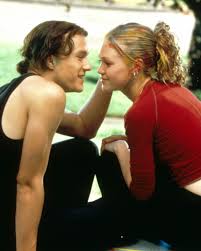
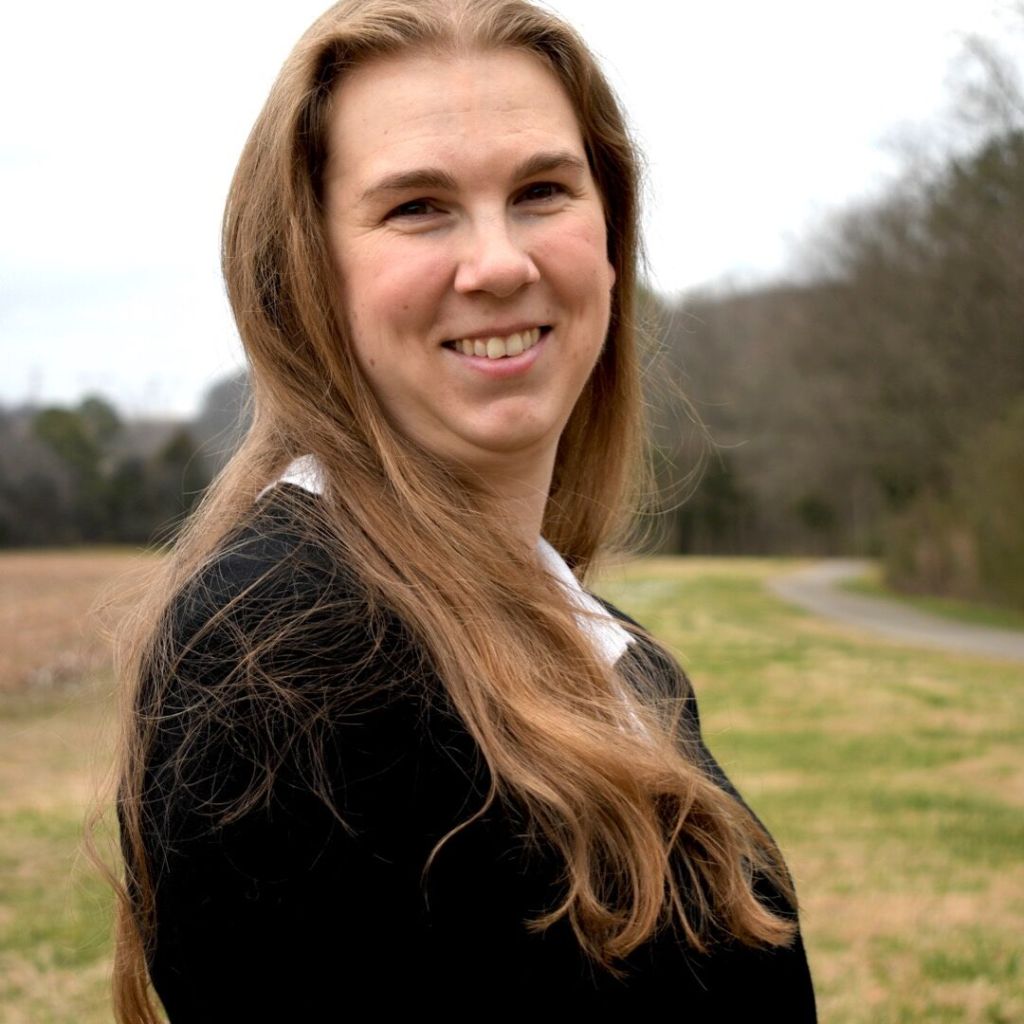
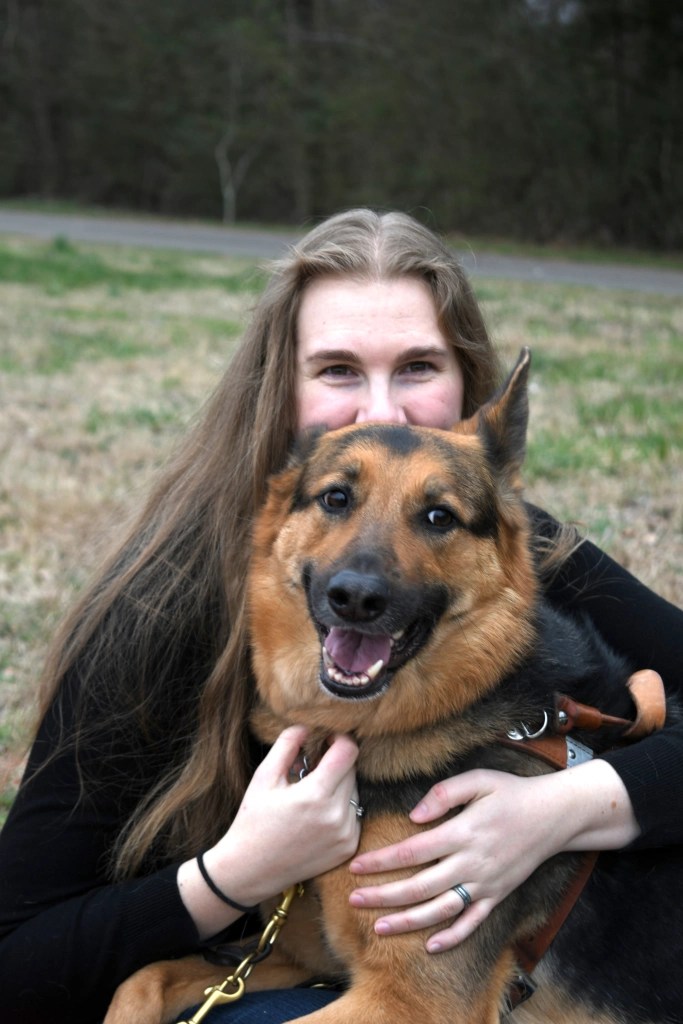
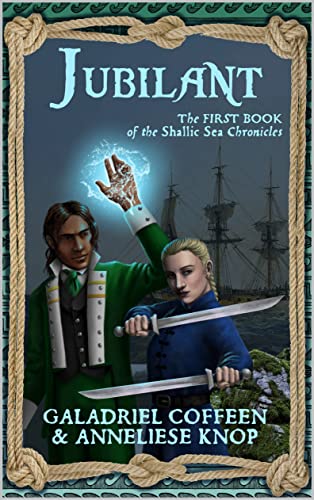
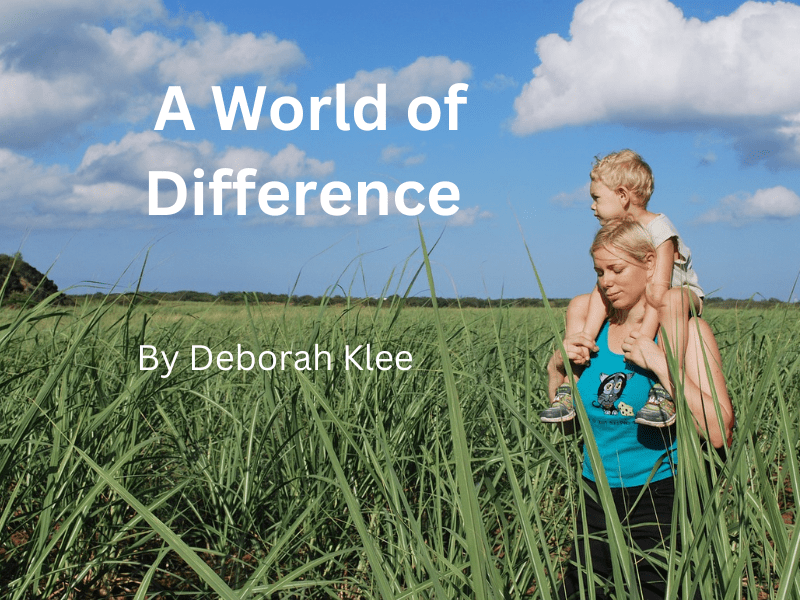
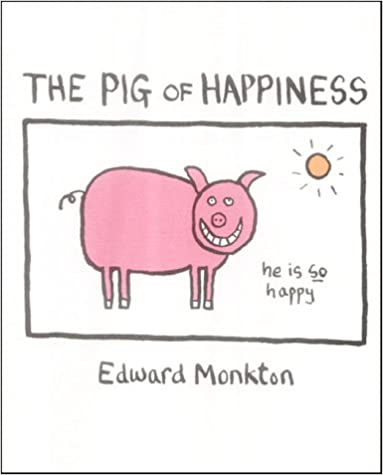



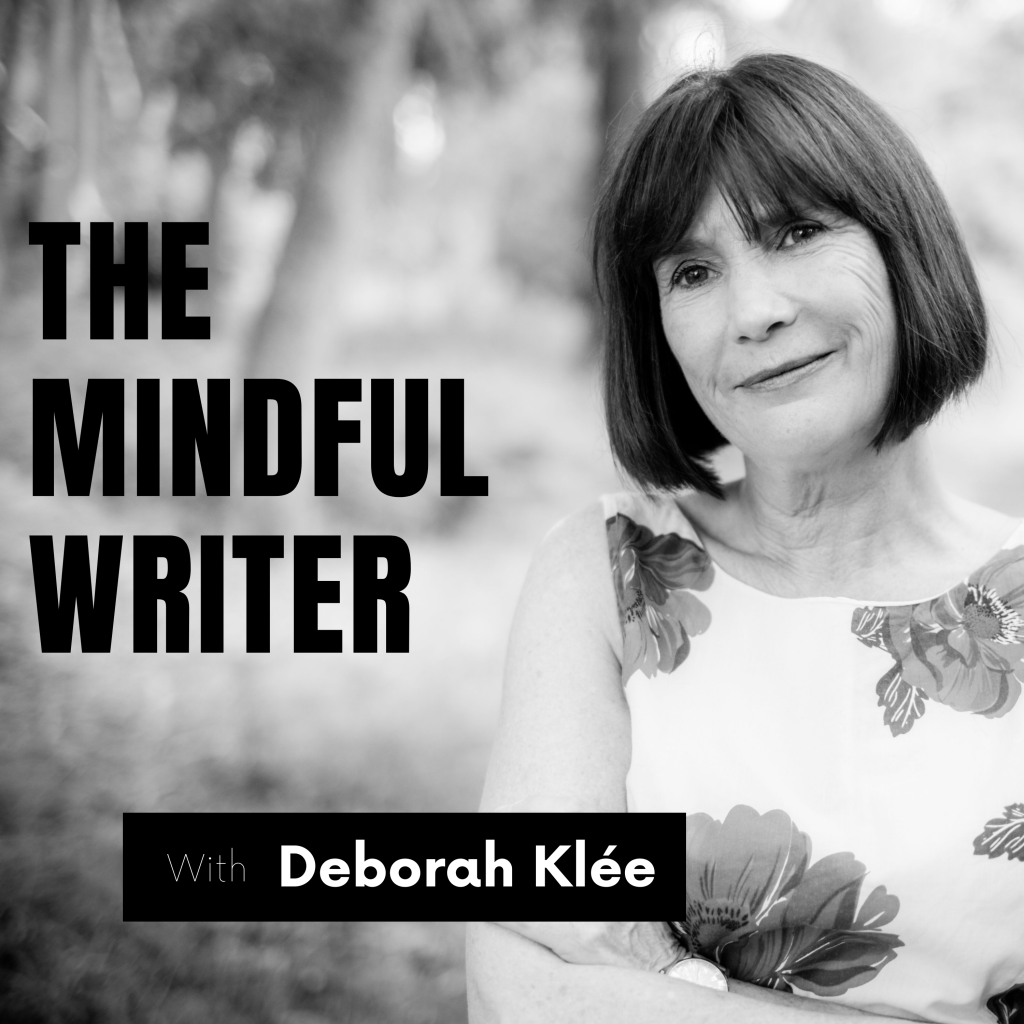
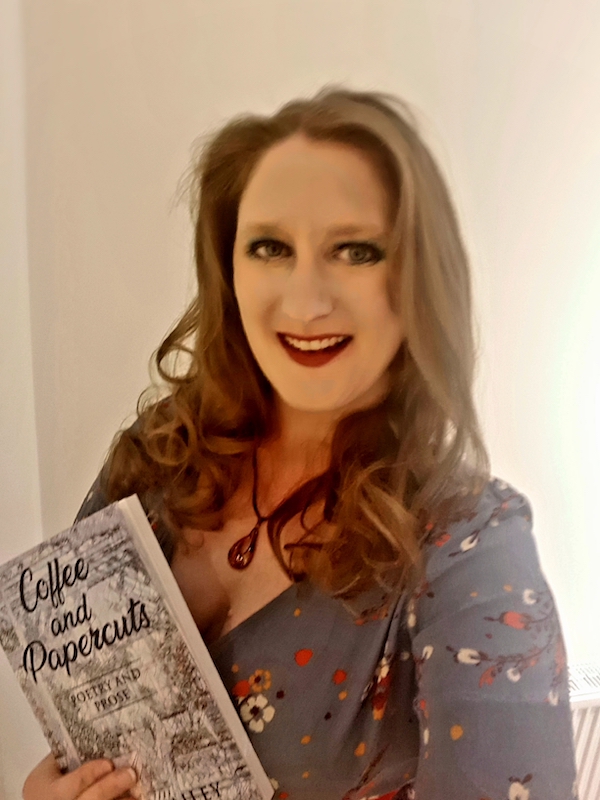

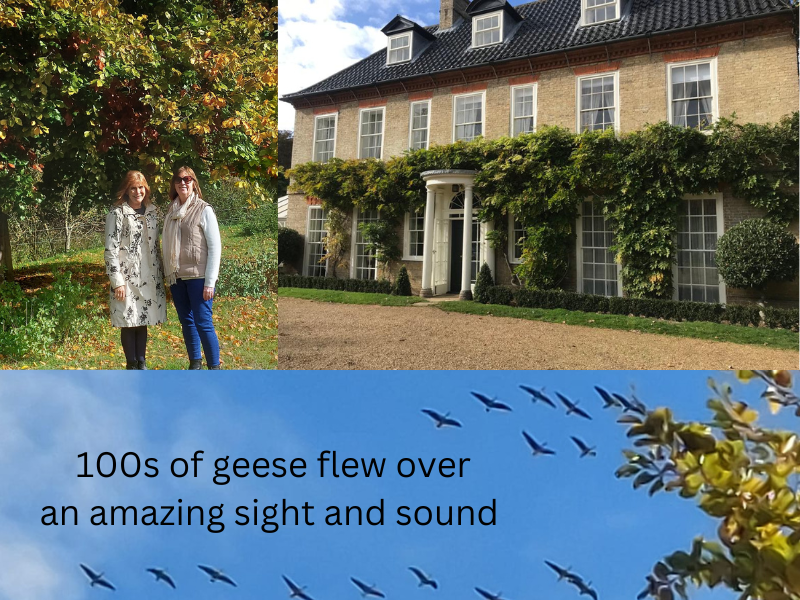




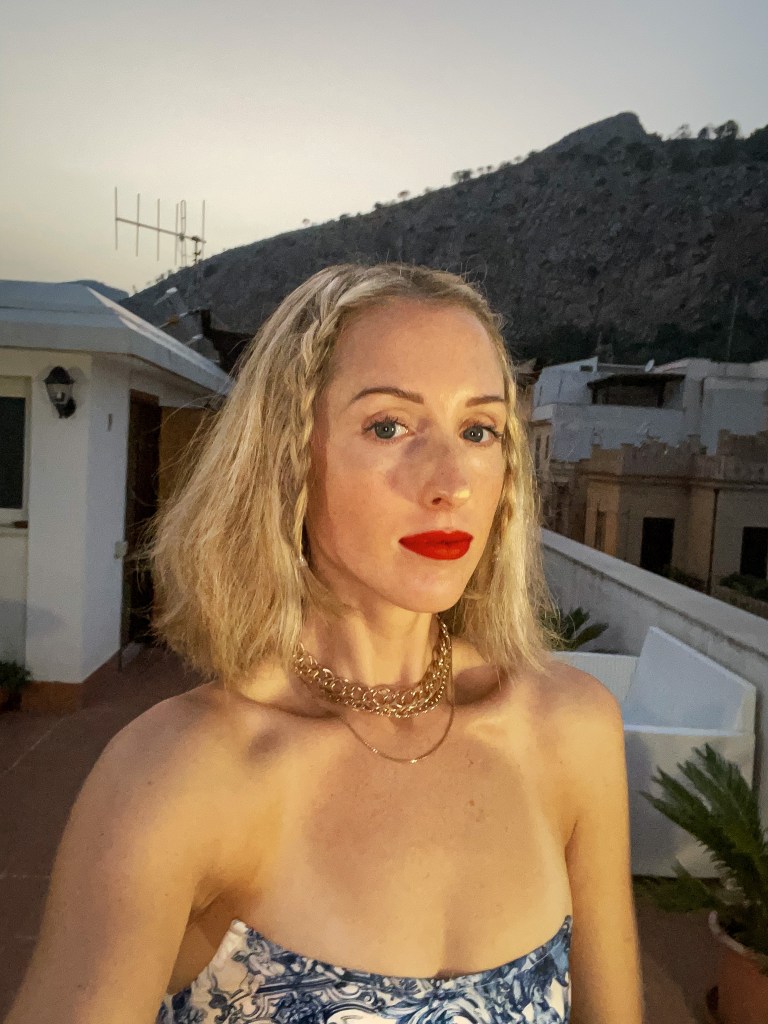
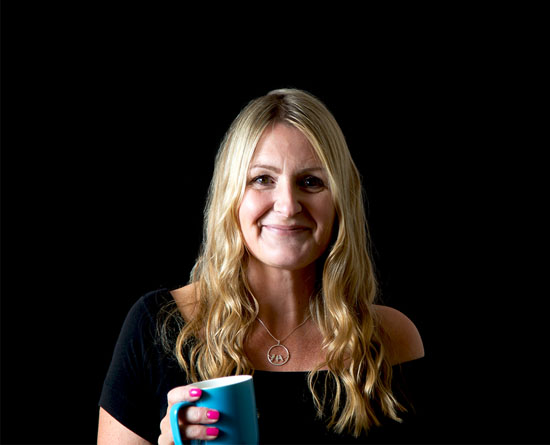
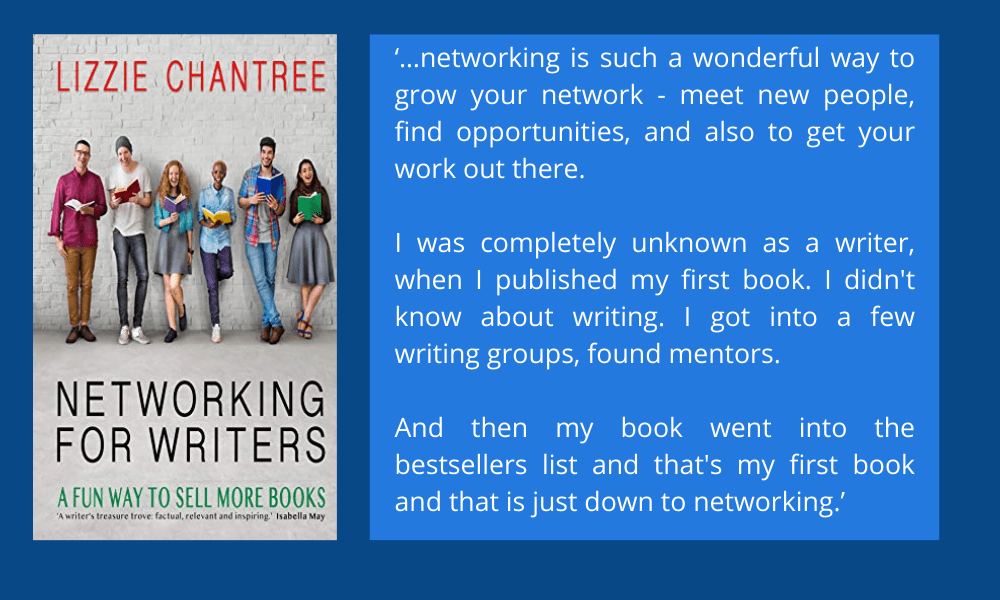
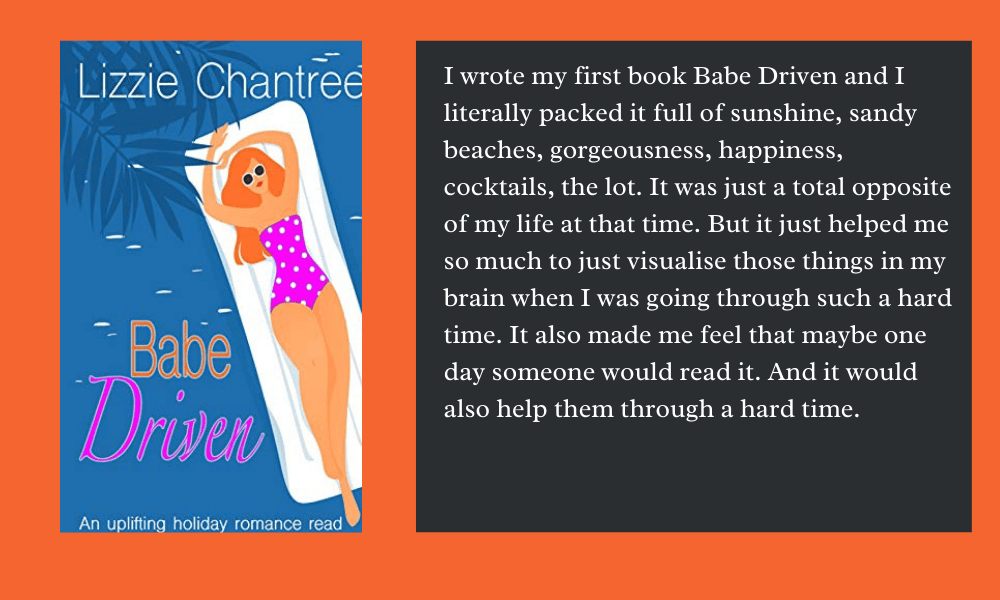

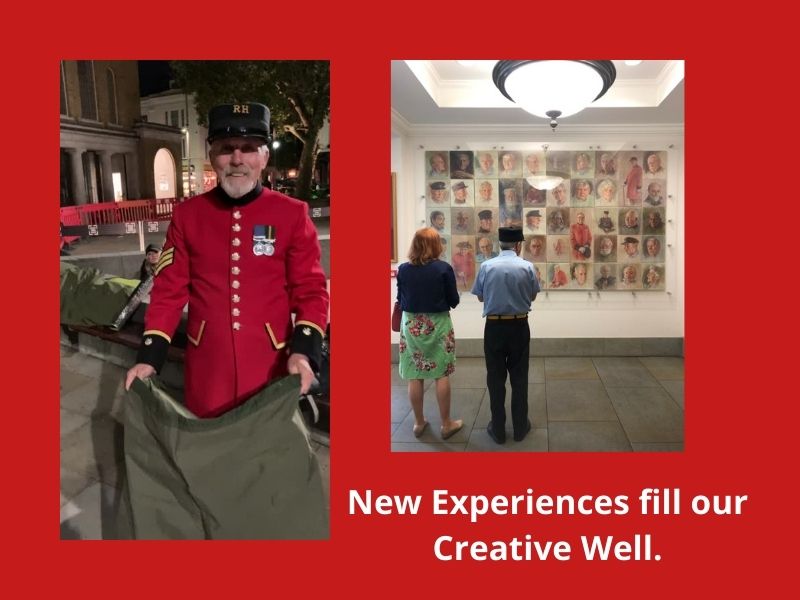

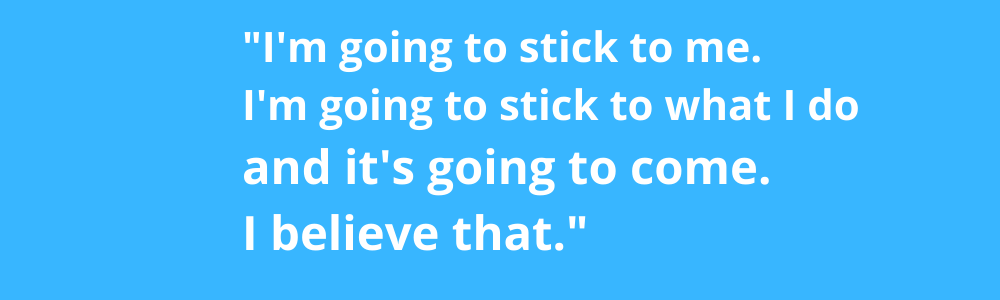
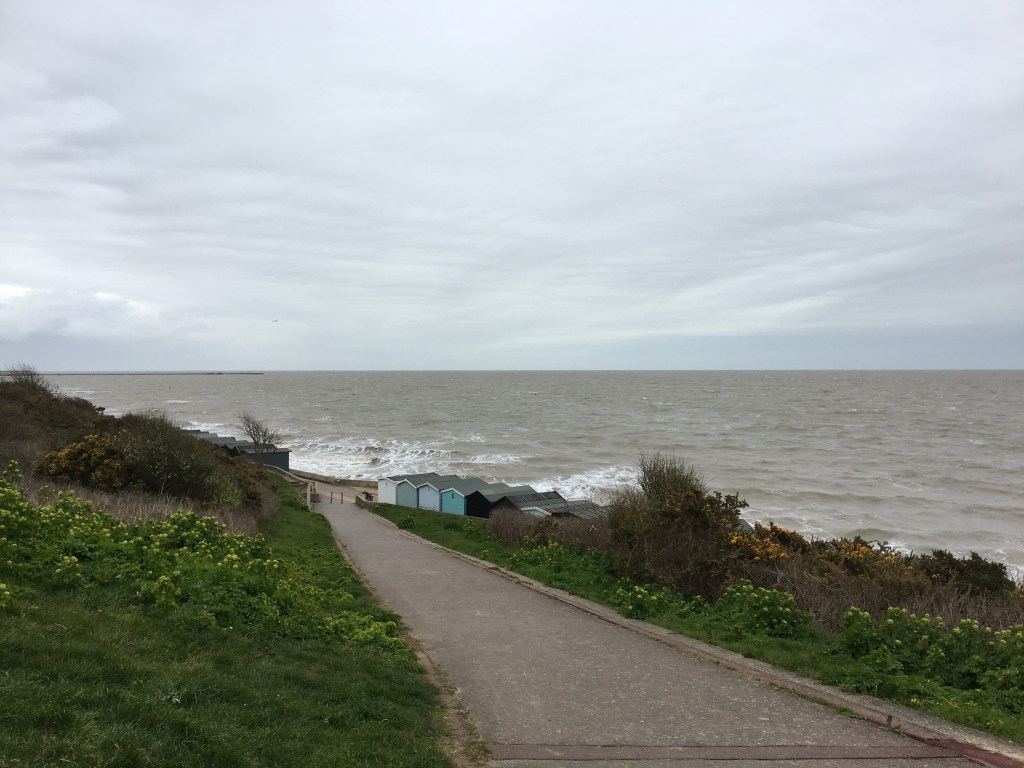
 Deborah Klee