It’s that time of the year when it’s hard to get out of bed. Friends tell me, ‘I’ve lost my mojo.’ I know what they mean. But that’s okay. We are meant to slow down in Winter.
I haven’t wanted to communicate on social media for a few weeks now. Writing my novel is fine. But looking outward – communicating– requires a different kind of energy, one I seem to lack right now. Family illness and a recent bereavement have contributed to this, but I believe this is a natural state given the time of year. We are in winter, between the Autumnal equinox on 23rd September 2023 and the Vernal Equinox in Spring – March 19th 2024. A time of rest and recouoperation in preparation for the Spring.
We are part of nature and, as such, follow the same patterns and rules as all living things. The autumnal equinox marks the beginning of a growing cycle. It is a time to replenish and gather strength. In the autumn and winter, we often need more sleep and food – preferably nutritious food but for me its comfort foods – warm stews and fruit crumbles. We may choose to go inward and retreat from the world. If we could hibernate, I think some of us would.
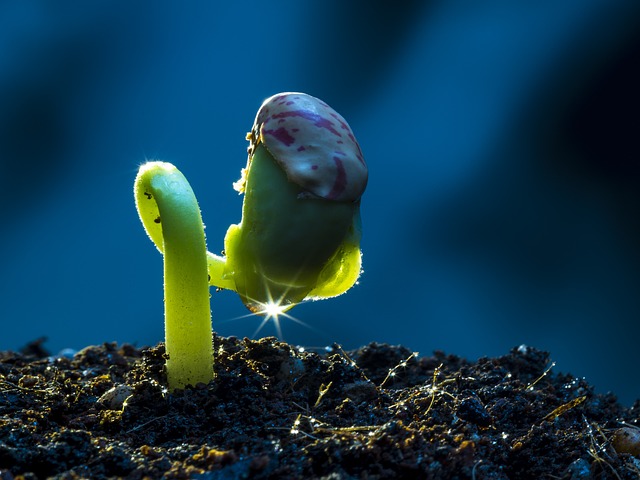
22nd December 2023 (3.27 am GMT, to be precise) was the winter solstice. The longest night of the year and shortest day. Now we are moving towards the Spring Equinox when day and night are the same length – twelve hours apart. Maybe you are feeling a gradual return of your energy. Inspiration for new projects may nudge you, like tiny shoots beneath the soil.
Instead of beating myself up for failing to post regularly on social media or hit marketing targets, I am trying to embrace this period of replenishment and renewal. Some mornings – not all of them by any means – I get up early to practice yoga and meditate. This has made an incredible difference to my day. For example, I had been stuck with a plot point in my work in progress. An hour or so of yoga and meditation had ideas flowing.
I imagine myself a bulb beneath claggy soil – gathering my strength so that I can push up through the earth and burst with vigour into spring.
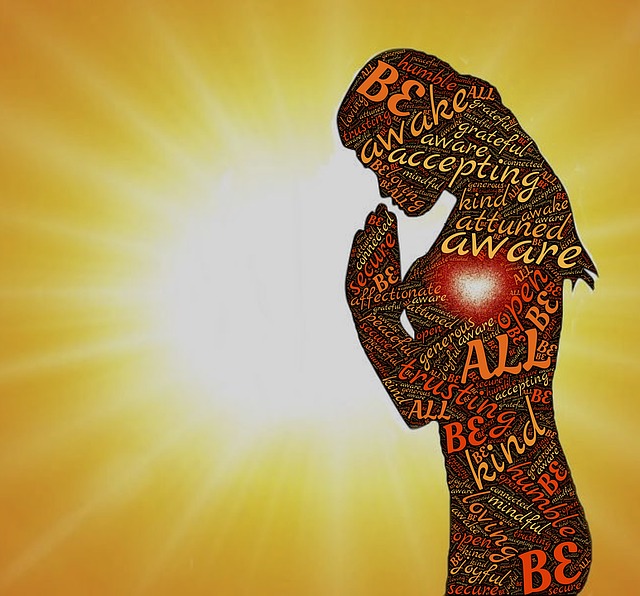
Do whatever you need to nourish your body and soul. Above all, be kind and patient with yourself.
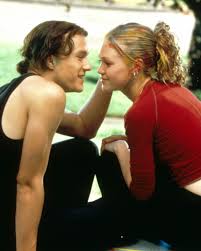
An image from the film 10 Things I hate about you, showing Heath Ledger, and Julia Styles lovingly gazing into one another’s eyes. Because I love that film and the title of this blog is a good excuse to use an image from it.
In this 8th episode, season two, of the Mindful Writer, author and blogger, Anneliese Knop tells me about her life with seeing dog, Greta, and shares many words of wisdom. It really is a fascinating interview.
Before I introduce you, let me tell you about my writing journey. Yesterday I wrote The End. Woo Hoo. It’s a fantastic feeling when you finish writing the first draft of a novel. The idea for writing about a sunken village has been with me for about seven years, after seeing an image of a church spire in the middle of a reservoir. I knew it would not go away until I found my story. It took several months of playing with ideas, then a visit to Yorkshire to visit the reservoir, before everything clicked into place and I had the outline for a story. I started writing it soon after Christmas aiming to complete the first draft by the end of March, so I am ahead of schedule. There’s lots more work to do. I always say the first draft is you, the writer, telling yourself the story. I do a lot of planning before I write so hopefully it is structurally sound but I will be relying on my developmental editor to tell me what needs fixing. Then starts the first round of edits.
In the meantime, I will be preparing The Last Act for publication in July.
I am very focused about achieving my goals, but this strength has a downside as my guest this week explains. So, let me introduce you.
Anneliese Knop, is an author and blogger. She writes fantasy with co-author Galadriel Coffeen and her blog, Look on the Dark Side, gives a fascinating account of her life with seeing dog, Greta. Anneliese was born with a genetic degenerative retinal condition, but this has not limited her in any way. She quotes:
‘Where is it written that all our dreams must be small?’
In this episode Anneliese explains:
Toxic Positivity
Toxic Perfectionism
Why we should love the things we hate about ourselves
Why dog owners and their dogs might benefit from couple’s counselling.
Anneliese has already achieved what some people might consider big dreams, and I don’t doubt there is more to come. I was excited to meet Anneliese and asked her to tell us a little more about herself.
Anneliese explains that genetic degenerative condition means that she is blind. ‘I am passionate about good stories, good mental health for all, and promoting professionalism and career advancement in the blind community.’
I love Anneliese’s blog as it is so informative and well- researched. In one blog post, she discusses toxic perfectionism and toxic positivity. I asked Anneliese to explain these and the impact they can have on a person.
I feel most passionate about Toxic Positivity.
A lot of pressure is put on people, particularly disabled people to put their best foot forward, all the time.
In the disabled community, we put pressure on ourselves and each other not to appear bitter, or angry. We do not want to become an emotional burden as well as a physical one. And we don’t want to give disabled people a bad name.
Toxic positivity is about denying reality – clinging to a positive mindset to the exclusion of the negative or unpleasant sides of reality. An unwillingness to acknowledge that sometimes life is just hard.
We all have bad days, and that is normal. The toxicity comes from denying this reality, which then isolates people and gives them no out-let for finding and giving compassion to one another.
Toxic perfectionism comes from a very healthy desire to be excellent at what one does, that becomes toxic when anything less than perfection is completely unacceptable and triggers anxiety, self-loathing, anger, either turned outward or inward. So, both of these things can come from a good place, but they are taken to unhealthy levels.
I suggest we are perhaps all on a spectrum, from the healthy to unhealthy positivity and perfectionism.
Anneliese agrees, describing how a positive attitude enabled her as a blind person to achieve what seemed like impossible dreams.
There are two sides to every attribute, I observe. What we perceive to be positive attributes can have a negative side and vice versa. I am very motivated, a self-starter, and that is great because I am focused and work hard, but the downside is, I beat myself up when I don’t meet my personal expectations. I am compassionate to other people, but I am not always compassionate to myself.
Anneliese agrees and says that in couples’ counselling, she sometimes asks a couple, what character trait in your partner really annoys you? That trait has always been there, and it is why you fell in love with them. So, which part of this trait is the part you fell in love with? In revealing that we discover that the thing which is annoying them the most is the very thing that attracted them. It’s just not working well at the moment.
The same is true for yourself. The things that you find frustrating are also the things that you love about you. They are just out of balance.
I love Anneliese’s approach. When we feel angry and frustrated with ourselves, soften a little and view ourself with compassion, find the positive side of what we view as a negative attribute and be thankful.
Anneliese says, I like to tell clients and fellow writers:
Your inner critic is doing you a favour. She might be over-zealous in doing it, but how is she helping you? You should be thankful for that.
I agree with Anneliese and say that our inner critic is trying to protect us. When they tell us: ‘You can’t do that. You will fail’, they are trying to stop us from getting hurt. We need to say, ‘Thank you. I can hear you, but it’s okay. I’ve got this.’ Be loving to that inner voice and understand its intention, but have faith that it’s okay. You can do this. I call them the goblins.
Anneliese laughs. ‘That’s cute.’ In family therapy, she tells me, there is a popular approach called Internal Systems Family Therapy. It’s basically that we have lots of parts of ourself – goblins of yourself, inside and you have to work out how to get them to all work together. Sometimes, one of them has been exiled by the others, or wounded before they can do their job. And so, another goblin is working harder to make up for it and in order to find balance you have to find the wounded, exiled part, heal them and invite them back into the birth of yourself.
I reflect. So, love all of them? And balance them. Because they are working together with the common goal that they all want you to succeed. This was perhaps an over-simplification, but Anneliese kindly agreed.
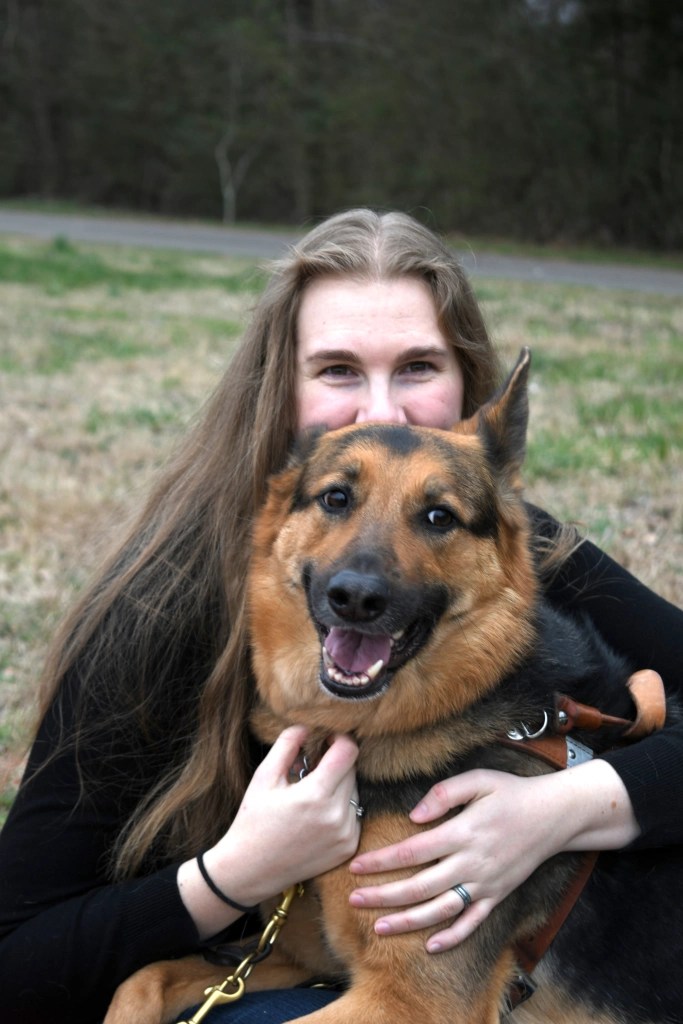
Anneliese with seeing dog, Greta
On to my next question, which again came from Anneliese’s excellent blog. I read that Greta, her seeing-eye dog, experienced behavioural problems, which Anneliese researched to understand her better. I asked, ‘You have a Master’s in Christian counselling and so this must have been fascinating for you. What did you discover and how might this relate to us humans?’
Anneliese replied, ‘That is kind of the core of my blog right now. Describing our journey as a working team to explain different mental health concepts.’ She went on to say that when Greta had some behavioural issues, she approached it like couples-counselling.
Because when a dog has issues, then the human does too.
It doesn’t necessarily mean the human caused the issues. Parents of dogs tend to blame themselves almost as much as parents of humans do. You and your dog live together in companionship and so you are bound to impact one another. So, if your dog is anxious, you are aware of that and will respond. Or, if your dog is fearful, energetic, or hyper, that has an impact on you. And so, when you work with your dog, you have to work with yourself too. Just like in couples’ counselling. If one partner has an affair, a traumatic injury or a job loss, this will have an impact on their partner as well as on them. So, it is important that couples acknowledge that and are prepared to work co-operatively as well as independently.
When I recognised that Greta had what I liked to call post high-school stress disorder, after interning at a high-school, brought on by the rambunctious activities of the teens – they did respect her, but she didn’t like the way they were treating each other and frankly, I don’t blame her – then I got myself a therapist and a dog trainer who I refer to as our doggie couple’s therapist.
I asked what behaviour Greta was exhibiting.
Barking at people when she was distressed. She wanted to restore order and so she barked. I felt, everyone is going to think she is an aggressive, badly behaved dog, and we are going to destroy the reputation of service dogs and access law. And I’m going to ruin the world for all blind people, ever. And that’s why I needed a therapist! See, another example of toxic positivity.
I remarked that by working with Greta and the dog-trainer, Anneliese had learnt something about herself.
What I didn’t recognise is all my life I heard definitions of anxiety that didn’t match my experience. People expressing concerns about what might happen in the future.
I didn’t worry. What I did was rehearse and resolve the same problem over and over again. And that is also a definition of anxiety.
It took Greta’s issue for me to realise that I spent hours a day resolving and planning for every possible conversation where someone would criticise us for the slightest misbehaviour on her part. I realised; Oh, I have anxiety. That definition I heard isn’t the only one out there. If I had realised there were things such as rumination and repetitive thoughts, I might have taken action years earlier for myself, not related to Greta.
I could identify with the anxiety Anneliese describes. For me, meditation helps to stop the repetitive thoughts.
Again, we come back to balance, Anneliese reassures me. It comes from a good thing: the ability to look out for potential problems ahead and plan for them, is a healthy natural skill that people ought to be able to develop. It’s a good thing. It’s just a problem when you can’t stop doing it. When it gets in the way.
Your brain is designed to move in and out of threat mode easily. When you can’t get out of threat mode, that’s when you have anxiety.
I understand, I say. ‘It’s learning how to still your mind and understand what’s happening.’
Anneliese says: Mindful meditation can allow us to watch our thoughts, disentangle them and then, in a way, consciously reach for the on/off switch to take us out of threat mode.
I add: And to be compassionate and kind. It’s always easier said than done, but we are all works in progress.
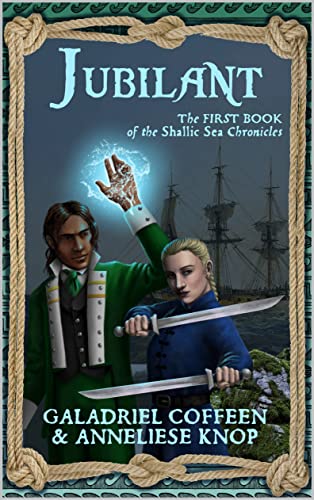
Cover of book: Jubilant. The First Book of the Shallic Sea Chronicles by Galadriel Coffeen and Anneliese Knop.
I ask another question from Annelies’s blog. As a writer, you experience the world differently to sighted people. In your blog post, Overcoming the sight barrier in world building, you explain touch don’t tell and how you envisage the world through your hands. Can you tell us more about your approach to world building?
World building tends to happen more in science fiction and fantasy genres, but it can happen in historical fiction. It’s where you construct a world or part of a world that doesn’t exist. For example, Tolkien’s Middle Earth, or C.S. Lewis’s Narnia.
Being blind from birth, I’ve not been able to experience the world visually, so I don’t care what a person’s clothes are like, for example. I found I felt disengaged from many books because they did not engage all the senses. But then, I read books like the Redwall series by Brian Jacques and he spends a lot of time describing the texture, scent, and flavour of food, and the sound of singing, the accents different characters have, and the scent of trees, flowers, and damp earth. He is a multi-sensory author. And I thought:
Well, my world is pretty rich even though I can’t see, so how can I convey the wealth of experience that I have to people who are so used to limiting themselves to their eyes as their primary sense? How can I make them experience my story with their whole body?
So, when I write about an experience I have not encountered before, for example, firing a cannon; the first thing I will do is research the mechanics of how it works, then I will look up recordings of the sounds, or I will go to a museum that has a cannon and I will put my hands on it, with permission. I get away with a lot because I am blind and they recognise that just looking at something in a museum doesn’t cut it for me. I look for as many experiences that I can experience with my full body and translate that on to the page in the same way that another person might look up an image on the internet and describe it visually on the page.
I could have talked to Anneliese for hours, but sadly, we ran out of time. She shared some fascinating insights. But you can hear more from Anneliese by visiting her blog https://comelookonthedarkside.wordpress.com
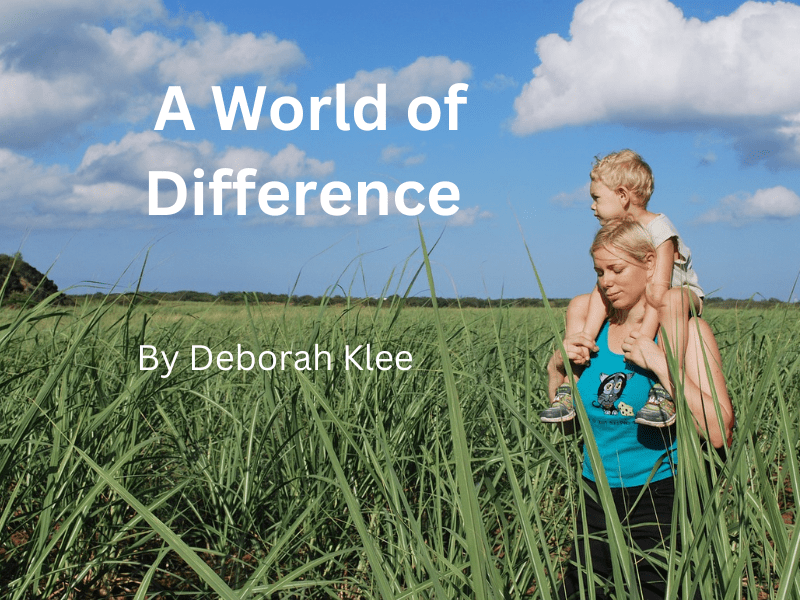
A woman walking in a field of tall grass carrying a young boy on her shoulders. Image for giveaway short story by Deborah Klee A World of Difference.
After meeting Anneliese for this interview, I asked her to read the draft of a short story I had written about a sighted boy living in a world where everyone was blind and his sight was considered a disability. The observations in her feedback were invaluable. For example, a blind woman in my story touched the face of her love interest to discover his features. Anneliese pointed out that a person blind from birth would have no interest in what a face looked like. Her comments enabled me to write a much better story. You can access a free copy of A World of Difference by signing up to my newsletter. Or read more about the value Anneliese added to my story as a sensitivity reader, in my blog post: What would the world be like if everyone was blind?
So, until next time, take care of your beautiful self, and trust the journey.
In this third episode of season two, The Mindful Writer, Isabella May talks frankly about her writing and spiritual journey. It was recorded some months ago, and listening to it today, I realise how my writing life has changed since that interview. At that time, I had two complete manuscripts and was undecided whether to pursue a traditional publishing route or Indie publish. Now, I am approaching the launch date of The Forever Cruise – the paperback is already on sale with Amazon. I needed to make sure I could order copies in time for my book launch and with postal strikes and Christmas approaching I didn’t want to risk any delay. Anyway, listening to Isabella’s philosophy about being true to yourself, and trusting you are on the right path, it reinforced the decision I had already made. Before we get to that fascinating interview let me update you on my writing journey.
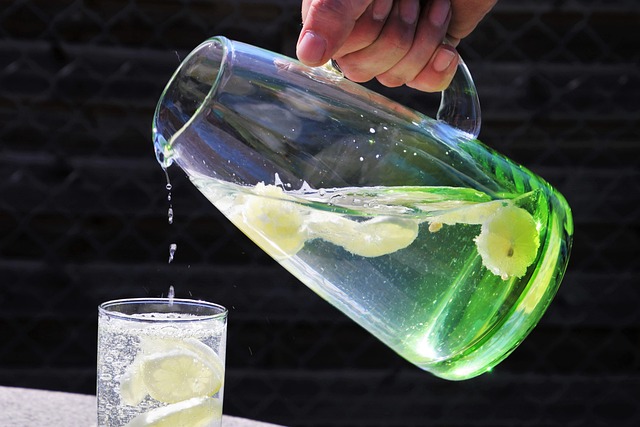
Since my holiday, which was only six weeks ago, life has been hectic. All great things – and related to writing but too much. When I plan and commit to things, I underestimate how much time and energy each activity takes. Everything is in my diary but I do not take account of how much energy I have. Sometimes I think of my energy like a jug of water. There is only so much available to me each day. I have to stop planning activities by time and start thinking about the energy they use. It’s no good filling every hour with tasks if there is no water left in that jug! And I have to replenish the jug with relaxation. I am celebrating my 63rd birthday this week and although I am in excellent health, I am beginning to realise that maybe I need to listen to my body and slow down – just a little.
Writing news – my WIP on a sunken village is progressing well. The Last Act is out on submission with publishers. And The Forever Cruise will be published as an e-book 1st December. Life is good!
Now on to the interview.
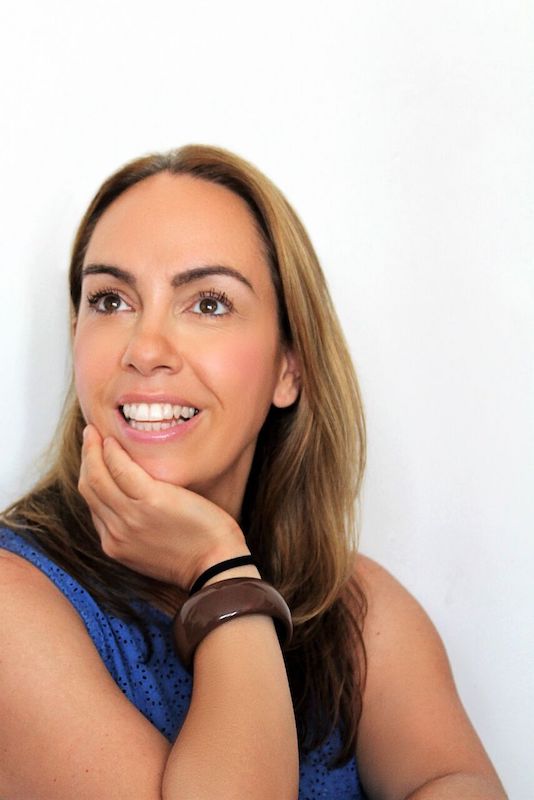
Isabella May is a level 4 pranic healer, and the author of foodie, romance, journey books. Having experienced domestic violence and the birth of a still born daughter, Isabella went on a spiritual journey.
In this interview Isabella tells me how her understanding of The Law of Attraction, and Pranic Healing have transformed her life and led to her to a deeper understanding about her journey as a woman, and as a writer.
Deborah: Hi, today I’m talking to Isabella May. Hi, Isabella.
Isabella: Hi, thanks for inviting me.
Deborah: An absolute pleasure. Isabella May, is author of eight foodie, romance, journey books. And I love saying that because they are my three favourite things: food, travel and romance. She’s a successful author, and has a life that Isabella described in a blog once as ‘pretty damn rosy.’ In fact, you’re joining us from the Costa del Sol in Spain as we speak, which is where you now live.
Isabella’s journey has not been an easy one, her experience of school bullying, a decade of domestic violence, and the heartbreak of a stillborn daughter, are life events that many of us would not recover from. Isabella attributes the positive changes in her life to a spiritual awakening.
She is now happily married with a family, and was traditionally published before embracing the opportunities of being an indie author.
Isabella, this is quite a journey. Can we start with your spiritual awakening? Perhaps tell us a bit about this experience and how it helps you to manage the highs and lows of being a writer. As I said, being a writer can be a very emotional experience. But it should be a picnic in the park compared to what you’ve been through. Tell us about your learning how you’ve used that.
Isabella: In many ways it has been a lot easier. So, I grew up in Glastonbury, which I don’t know if every single person listening has heard of it, but it’s a very spiritual, mythical town in the UK, in Somerset. And I think that really sets the tone for my spiritual journey. You have always got that intrigue, and there’s something about being born – I wasn’t born on the ley lines, but I lived in Glastonbury from toddler through to 27. So, I think you absorb that energy. And that stays with you, even if you move.
Yes, I now live in Spain, and in between that I’ve lived in various cities in the UK. I did a degree in languages. I was based in Bordeaux and Stuttgart – so, France and Germany. And around my early 20s, I started to get into self-help books. Let’s just say, I started off with Men are from Mars, Women are from Venus, like many people would have. And that piqued my interest. And then, you know, I started to devour quite a few mainstream books, and you start thinking alternatively. And then, eventually, when we moved to Spain,
I stumbled across the secret, as many people will have, on the law of attraction. And that’s when things really started to kick into gear.
I’d been through, as you say, all of those awful experiences. Financially, we weren’t in a great position as a family. I had walked away from a career – a really good jet-set career in foreign rights and selling children’s books overseas. So, I was flying off to different countries regularly every few weeks. And yeah, it was a really great time. But unfortunately, I ended up working for a company toward the end of that career, that treated me very badly as a woman, particularly in light of the stillbirth I went through
I was very backed into a corner by many male members of staff, let’s just say – and it was an awful, awful experience. So that’s another one to add to the list.
I think I started to piece together around that time, when we came to Spain, that things weren’t happening to me. It was a cause-and-effect thing. It was a law of attraction thing. And that’s what really, really got me thinking.
I was in a position then where my husband basically said: Look, you know, your career in foreign rights, obviously, it’s over. We had two young children to look after. So, I had two other children – one either side of the stillbirth. And I couldn’t really continue with my foreign rights publishing career, but I’d always wanted to write. I always wanted to write – I wanted to write a book, which was very different to the usual rom coms that are out there.
I wanted the book to include domestic violence, because it’s something I have been
you through. But I wanted readers to understand that it can happen – even when you have good things going on in your life.
So, for example, for me, I was working in publishing and one side of my life was very rosy. And, you know, I’d step out the door and I was one person. But when I came back home, at the end of the day, I was the downtrodden. I wasn’t a housewife – I wasn’t married, but I was the downtrodden housewife. And I wanted to put that out there.
So yeah, my husband, who was not part of that domestic violence relationship, he was very supportive. And he basically said: Look, you know I’ve got this job in Gibraltar. You can’t really do much with the school hours that the children have here, because they are very short in Spain. Start jotting ideas down and you know, go for it. Use this time to write that book.
So yeah, The Secret, kind of tied in with all of that, and it felt like I was on a path that I should have always been on – the signs always been there. I hope I’m not taking too long to, to answer this question. Along the way – the signs had always been there. They had been there since I was a toddler on a potty, when I used to have a pile of books by the side of me, and I wouldn’t get off – and I’d end up with a red ring around my bottom. And I used to – also when I was a young child – make up quirky, silly stories about the people on our street. I’d draw illustrations to go with them. And they were always a bit wacky – a bit different, you know. They always had that sense of humour laced through them. So, I think that’s where the rom com aspect comes from.
Deborah: That’s fascinating. I want to pick up on something you said earlier, before we get too far ahead. You said something very interesting. You said you realised things weren’t happening to you. It was two-way. That’s interesting, because lots of writers can feel –when they’re experiencing rejection, and they are feeling that they are outside and can’t get into that traditional publishing process – frustration. They can feel very victimised – things are happening to me. So, can you just shine a light on that and tell us a bit more about what you mean by that which might be helpful?
Isabella: Yes. So, I think it’s just – sort of, that realisation that your thoughts –
your thoughts, your feelings, your actions, everything is energy.
I’ve learned to expand on that much more now. Because after The Secret, the Rhonda Byrne Law of Attraction books, I went on to study Esther Hicks, and Abraham. And then after that, shortly after that, pranic Healing came into my life. And that changed everything. It was like the missing piece of the puzzle.
And it’s the understanding that you’re planting seeds all the time, everything you put out there, is multiplied and comes back to you.
So, you know, if you want good things to happen in your life, if you want success – you’ve got to stop looking at yourself in a certain way. And I can’t speak for everyone, because I think you’ve got to be at a certain point on your spiritual journey to accept that and to understand that – you know, you can’t kind of force it down anyone’s throat. And I must admit, I did start to do that when I got into The Secret. I’d have people come over to stay here and I’d leave copies in the spare room – like a preaching sort of fairy godmother, but everyone’s on their own journey.
I was at that stage in my journey where I was ready, the student was ready the teacher appeared in the form of these books.
And yeah, I really sort of started to realise – particularly with pranic healing, which is just such a high level of spiritual truths, that everything I was doing, you know, everything I received was of my own making. And when you start looking at things in that way, and realising everything’s energy – and taking karma and things like that into consideration, you look at things differently. But again, I know this isn’t going to gel with everybody and I know this is something that will really be difficult for some people to accept, let’s say.
So, you know, for me, that’s where I’m at in my spiritual journey and it’s made all the difference. All the difference. It’s made my life so much clearer. It’s helped take away the bad emotions associated with writing because I went through quite a struggle with the whole rejection side of things as you say. I take critique and rejection really badly – I always have done. I sort of felt like a star shaped peg really trying to fit into a square hole for a long, long time.
And, you know, whatever I tried – I’m going on to sort of answer another question here – but whatever I tried, it felt like I was pushing all the time – pushing, and pushing, and pushing. And I also felt like the industry owed me because I’d worked on foreign rights for so long. I think I’d spent 12 to 15 years in foreign rights in some form or another. I’d sold books in 45 plus languages everywhere from Korea, South Korea, to Iceland, to the Dutch Island of Aruba, to South Africa. And I felt like, hang on a minute – the traditional industry owes me. I’ve done all of this for them. Now, I want them to put my books out there.
But you get to a point when you realise, you have to surrender because your mental health is on the floor from constant rejections.
And I was always so close. It was always Yesbut. Yes, you wrote really beautifully.We love it, but you’re trying to do too much. That was the usual old chestnut rejection I would get.
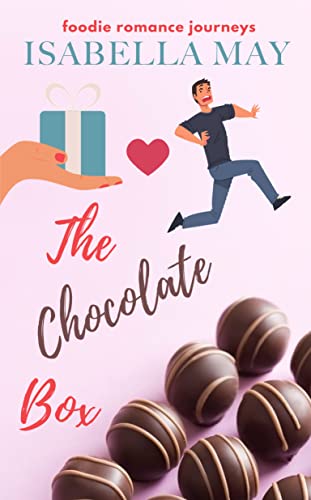
For me, things came to a head when – I’ll be quite honest, I did a Romantic Novelist Association thing. Kind of like a conference where they pair authors with an agent or an editorial director. You choose your top three, and they put you together and you have a chat. You send off your manuscript, and they look through it and appraise it. I don’t think any of them had kind of looked at the fact I’d been traditionally published before. And they were just – It was awful. They were teaching me how to suck grapes, basically. And one of them basically said – this was someone from a big top five publishing house. No, you need to write the whole thing over again. That was from my book, The Chocolate Box. You need to write the whole thing over again. And we would suggest you base it in a hotel, and you have the character dropping chocolates under the pillows … And you do this and you do that. I thought, hang on one minute, you’re rewriting my entire story. That doesn’t happen in it at all – you know, it’s just not what it’s meant to be. It’s based in a French Gite. And it’s a team-building retreat run by this woman who’s faked her CV to be HR manager, so she can get the guy who works at the company. No, I don’t think I’m basing it in a hotel. Yeah, so I think that was it for me. I just thought, why you’re putting yourself through this? I just didn’t know why I was doing it anymore. It’s not working.
You know, and I’ve also seen so many writers spend two years of their life constantly sending off subs and things and it’s great when it works. But sometimes it’s not meant to work – sometimes trad isn’t the path to take and the universe is trying to tell you something, you know?
Deborah: I must jump in there, because you’ve touched on something that is very relevant to me for where I am in my journey. I’ve self-published two novels. I’ll be frank too. I had a leading literary agent representing me on my first book, who said that she thought it’d be snapped up by the industry – that it really deserved to be published. I was so excited. And she went out to the big five. And anyway, 18 months later – I mean, I had to keep doing rewrites – rewrites, and rewrites for her. But the end result – we were pleased with that, but I didn’t get a publishing deal. And then, she dropped me because I’d never actually signed a contract. It really – looking back – it was only if I’d made it with that book, that she was going to sign me. So, that was it. I was completely back into having to find an agent again. That’s the reason I self-published. For me, it was wonderful – not just the self-publishing experience, the indie author experience, which I’ve loved. It was realising that I didn’t have to give away the control or responsibility for my happiness to a person or an industry – that I could take control of that.
I loved that freedom, becauseit can really wear you down that whole waiting for somebody to say, Yes, I approve of you. Yes, you’re good enough.
And all the things that we read into it – which they’re not saying, but we read into it. Our esteem is held in, you know, in their hands as far as we see it at the time. So, I moved past that. But now, I’m at the point where I’ve got two full manuscripts and I’m going through that process again, this time with a very different attitude because I’m much lighter of heart. I’m not handing responsibility to anyone. I know there are options. And I keep on looking to the universe for answers – am I to carry on as an indie author? Or am I to go this way? And it’s difficult. I’m older than you. And I think to myself about how much time I’ve got, you know, whether you can waste 2- 3 or 5 years, waiting for a yes, when you don’t know how many writing years you’ve got in you.
Isabella: I totally understand what you’re saying. And that, for me is one of the things that you really, sort of, take into account. I mean, no, I don’t like comparing myself to other people. But I’ve started on this writing journey at the same time as other friends and some of them have been messed about by literary agents to be quite frank – they won’t be listening to this podcast – I don’t think, but if they are – sorry. They have been.
And they are younger, okay. And that’s their path, perhaps. But I can’t help but think, well, I’ve got 10 books out there in that space of time, and it’s not quantity, obviously, it’s quality.
But I think as long as you stay true to yourself, as long as you know – if you get to that point eventually, where they’re not discrediting your unique voice – the agent or publisher that signs you. But if you’re being asked to rewrite things so much, that it’s a totally different story and it’s not what’s come from your heart, and your soul, then I think it’s hard to sit with that – as how to stand in front of that book and feel as proud about it as you could be. And I mean, in a way, I kind of liken it to the same way that women, in particular, have fought to be heard for centuries. You know, we have writers and stories who don’t naturally fit in, we’ve all got a unique storytelling voice. And if that’s being watered down too much, that’s not what we’re here to do.
I think we’ve all got unique voices and unique ways of expressing ourselves. And we do ourselves a massive discredit, if we are moulding ourselves too much to fit into the industry.
I think as long as you’re not forging your creativity by ticking all the boxes of an agent or publishing house, then that’s fine. But I don’t think anyone will ever truly be satisfied if they go down that route and have to do that too much. And I think then, success is fleeting and meaningless in a way.
And what I love is the way that traditional publishing has been shaken up at the moment, we’re entering – or we already have, into the Age of Aquarius, and creativity really needs to shine now. That’s what we’re being called to do.
So, there’s new ways of doing things, you know, evolution is part of it. And we don’t need these badges of honour from these big companies. They are lovely but like you say, you’re seeking an outsider’s approval all the time. And for me, that should really only come from the readers, not from the gatekeepers.
I find that frustrating – we only, really, need our own approval, and obviously, some readers – otherwise nobody’s going to buy our books. And obviously, a good editor. We can’t just throw material out there willy-nilly. But yeah, everything’s changed so much. And you can see that as well with, for example, with Booktoc. So, I’m a big part of the Booktoc community at the moment.
Deborah: Sorry. What is that Booktoc?
Isabella: Tik Tok
Deborah: Oh, Tic Tok – Booktoc. Got it.
Isabella: I didn’t want to get involved, initially. Actually, Lizzie, who was on this show before, she coaxed me into it. And yes, it’s made quite a difference in terms of daily sales on daily Kindle Unlimited patriots. And what I love about it is that you can truly be yourself on that platform, to people of all ages, all backgrounds, all genres of writing, and we are just on there for the books, we’re not on there for anything else. We’re literally just on there for books. So, we have our own book talk hashtag, but you can be yourself on there. So that’s a great place for your personality to shine and it then creates a level playing field for all of us. There is no advantage over being a traditionally published author on there. And you’ll find that indies are selling many, many times more books than the traditional authors because indies have more time to go on there and do it. The traditionally published authors are like, Well, I’m not doing this marketing. My publisher should be doing that.So, you know for me, it’s made a huge difference.
And it’s free as well. It’s a really creative platform. There’s so much you can do with it. And I find it very exciting. And the fact that sort of turned up the year that I made the decision to be completely self-published, I think that’s great. It’s really exciting. I mean, I’m not obviously selling millions of books. It’s changed things. It’s definitely changed things andyou realise you can then be directly in touch with your readers. You don’t need anyone gatekeeping, or telling you your books are good enough, you know – they will.
Deborah: I love that. I didn’t know that there was this Booktoc I knew about Tik Tok. But there’s so many horrible things on Tik Tok, I decided not to get involved. I’m going to check it out now.
Isabella: It’s in Tik Tok – If you see what I mean? It’ll be #booktoc once you’re in TikTok. And yeah, I’d heard a lot of bad things about Tik Tok, I really had. I was very reluctant to join. I understood, it was all teenagers lip synching, and dancing around in bikinis and all that kind of thing. And honestly, nothing could be further from the truth. It’s a very positive, supportive community.
So, I will go there as opposed to spending my time on Twitter, for example. I’m not on Twitter very much anymore. And I kind of switched my time marketing #booktoc. So, you’ll find Mind Body Spiritual Authors on there, as well, you know, all sorts of authors, from all different genres. It’s really good.
Deborah: So, Isabella, how do you find your emotional courage, your resilience, and your determination when you need it? Where does that come from?
Isabella: Well, it’s certainly been tested through the pandemic, like most people’s but meditation. So, I do a very specific meditation called Twin Hearts, which I try to do every day. But it really does cleanse the aura of stress and negative energy. It really calms everything down and stops all the mind chatter. It’s great. And then, where I’ve learnt pranic healing, I also apply pranic psychotherapy techniques to physically remove stress, anxiety, depression – anything like that, from the chakras. So, that’s amazing. It really, really helps. And it also boosts motivation.
And also, I suppose having a sort of sense of purpose and a sense of destiny. And knowing deep within that I am on the right path now, now that I’m self-publishing.
And having a vision as well, I think it’s important to keep a vision in mind and not to compare yourself to others.
That is one of the worst things that you can do as a writer, and I’m very guilty of doing it from time to time.
Deborah: One of my biggest fears, I guess, because I’m further back in the journey than you are – having only indie published two novels. I spent a lot of money on getting it done probably: structural edits, copy edits, good cover design. I did it all properly. But there’s a lot of financial investment, and what I find difficult – where my courage is affected, I kind of know that the more books I get out there, and the more promoting and advertising, it will eventually pay off. But I feel very uncomfortable about spending that much money. Without – you know, my courage fails me when I don’t see the income coming anywhere near to matching the expenditure. How do you how do you cope with that?
Isabella: Again, go back to the pranic healing side of things that’s been incredible with helping me with all aspects of life. Pranic healing covers finances as well. So, it covers health, spirituality, relationships, and finances. And yeah,
it’s just having that understanding that you have to give to receive, you have to exhale to inhale. Everything’s a cycle.
You have to kind of look at it in that way. But it can be very difficult. I understand that at a grassroots level, when you’re in the thick of it and you’re thinking oh my goodness, you know, I’m spending out on editing – I’m doing this, I’m doing that. It’s difficult to justify carrying on but what I look at, as well, is the fact that abundance and prosperity comes in from many, many different channels. Sometimes it doesn’t come back to us directly from our books, but it will come through other means. And that’s been really interesting to look at.
My books have a very kind of uplifting, good energy feel to them, I suppose. They help people escape and they’re infused with positivity. Ultimately, of course, they have some baddies and things like that, but they’re very uplifting. And I think when you’re putting words out there, obviously words have vibrations, or on the spiritual side – they literally do have vibrations.
So, if you’re putting good words out there, and you’re helping people in some way to perhaps think about improving areas of their life, and you can sow these kinds of seeds into a romcom even, then I think, ultimately, you are going to get that good karma back at some point.
It might not be immediate, but the more you put out there, the more it will come back. And so, it’s just trusting really, but it is hard at times. It’s hard when you don’t see that instant gratification as you would with, you know, a nine to five office job where you’re getting paid at the end of the month – you know what’s coming in, and it’s regular.
Deborah: That’s really helpful. Thinking as well, about some women – I know some women who have expressed a feeling that they’re being selfish if they spend time to write instead of being with their partner. And, again, spending money on something if they have a joint account with their partner. Now, I’m not talking about me here, but I’m talking about other women who might be listening, who have felt that to pursue a creative hobby or interest that maybe a partner sees as a hobby, feels selfish. And so, what would you say to them?
Isabella: Well, I think it harks back to – and I’m, you know, this is such a timely question – I’m reading so many books at the moment where women’s rights, you know, the suffragette movement, all sorts of things, are coming into whatever fiction I’m reading. And I just look back at it, and I think we have to keep pushing for this, you know,
we have to let our voices be heard, whether it be in our writing, our storytelling, whether it be in voting or you know, equality – when it comes to things like abortion. It encompasses everything we do.
That’s one of the reasons I write foodie, romance journeys, because I get so fed up with hearing women justify how many calories they’ve eaten, and that side of things. It’s the sort of everyday nuances that get swept under the carpet if we don’t stand up for them. I would say that many women, not all women, but many women have had families, and we have brought children up and we’ve mothered and now it’s time for us, we’ve made sacrifices with our careers. And just because the money isn’t coming in immediately, you know, we are entitled to do this. It’s something for us, whether we’re doing it for a hobby, or we’re doing it as a career. You know, we’re entitled to have this time to express ourselves creatively. And we’re not just doing it for ourselves, we’re doing it for all the women who’ve come before us – for all of them, who struggled and fought to get us to where we are today. And we still got a long way to go on this journey. So, it’s really important, I think, and I understand, it’s not easy.
When I got together with my husband, I was the breadwinner and things have totally turned around since children – as they do, and now he earns a lot more than I ever did back then.
But I just think you support each other. And you know, if you’ve got a partner who doesn’t support you, then well, I don’t like to say it. But maybe it’s time to ask questions as to your relationship and things like that.
Deborah: Thank you. Thank you. I’m getting a lot out of talking to you. I hope – I’m sure, everybody will. But I personally thank you as well, for so much. So, Isabella, what words of wisdom would you impart to your younger self? It’s a question I ask everybody that comes on to this podcast. If you were to look back at that time when you were really at your lowest as a writer and struggling – from where you are now what would you say to your younger self?
Isabella:
I would say it’s all happening perfectly and stop comparing yourself to everybody else.
I still do it now and I still have to tell myself off for doing it. But I do. I will compare myself to other writers. I think, well, you know, they’re signed up with that publisher, and they have all these books out, and have been translated into all these foreign languages. Something I would love – seeing as I worked in foreign rights for so long. I hope they appreciate how lucky they are. You know, they’ve won this award, or that award. They’ve done, this, that, or the other. And then, I look at them and think – well maybe that don’t have a family. Maybe it’s easier for them to write and produce more. Maybe they are older than me. Maybe they started their writing career in their twenties. There are so many variables, and we are all such different people. And so, you can’t, and shouldn’t, compare yourself to anyone else because no two journeys are the same. But I also do believe that it is all happening perfectly and even the books that you’re not so proud of – or for me, I’ve changed my covers multiple times – you look back and think – yes, but if that hadn’t happened, I wouldn’t be here now at this point. It was a learning curve and a steep learning curve too – being a self-published, indie author. It’s perhaps a steeper learning curve for us than traditional authors. So, I think we have to give ourselves a huge pat on the back, because we have to do so many things, and wear so many hats: writing, and marketing, and publicity. You know, all the variables. And so, yeah, I think we’re doing an amazing job.
Deborah: That’s true. There are so many things I could ask you. You are so fascinating. I’ll have to ask you to come back again on a future show, I think. But before you go – any parting thoughts to encourage writers out there?
Isabella: I would just say:
Stay true to yourself. Don’t be too seduced by traditional publishing.
This is the mistake I made. I was published traditionally with a small press, and they were lovely – Crooked Cat Books. However, they then changed their list and decided to go dark, so my books didn’t fit. So, me and a number of other authors – we all got our rights back. At that point, I thought, that’s it I’m going to have my big break now. I’ve had three books out there. Everybody is going to want to snap me up. I’ve got a nice – small, but loyal readership. I had been with a small publisher and obviously they couldn’t afford much marketing. I thought – That’s it now. Who wouldn’t want me? You know, I write books about food, and romance, and they’ve got good reviews. I got a bit big for my boots, I suppose – I’ll be honest. But I was so fixated on success happening only via the traditional publishing industry – and that was my mistake. Things are really different now, you know. Indies, self-published authors have shaken up the industry so much. It’s not what it was. The hey-day, the golden years, have absolutely gone. They really have. We can go straight to market now, with books, and things are very different.
We hold our destiny in our own hands.
And so, I know it is a question of finances – as some of us are paying for editors, and good cover designers, and all the rest of it – but I would think seriously about spending years: chasing, and subbing to agents, and you know, going through all that turmoil because it can be. If you’ve got a thick skin, fine go for it. But even then, you know, you can get snapped up and you find, quite often, that there are one or two authors who are cherry picked and have all the marketing thrown at them – and you still have to do your own marketing. So really, in many ways, you might just as well self-publish. And it is so much fun. It really is.
Whether your writing journey takes you on a traditionally published route, an independently published, self-published, or a hybrid one the most important thing is to embrace the experience. Be open to possibilities as you plough your own furrow. I have never been more content and rewarded in my writing life as I accept where I am now with gratitude.
So until next time, take care of your beautiful self and trust the journey.
My thanks to yoga instructor, Jocelyne Leach, for inspiring this week’s blog post.
The world feels as though it is full of extreme views right now. When we listen to the news, it is no wonder we feel the antagonism. In recent years, conflicting views about politics, policy, and the behaviour of world leaders, have divided families, and friends – certainly here in the UK, and from what I hear, in the USA.
We take these thoughts and feelings into our daily lives, as we absorb the negative energy. So, finding our equilibrium – a fulcrum on which to find a balance between extremes is needed now more than ever.
Creatives are prone to extremes in emotional response. It seems agents/publishers are fond of saying I/we loved … before going on to give an honest and balanced critique. It is IMHO an overused word in the publishing world – used, maybe, to manage our fragile egos.
Authors want readers to love their books and fear that they might hate one. It is always love or hate. We swing between feelings of elation and despair. Those great highs are often followed by an adrenalin dip, and/or the need for another high. That is perhaps why we feel the need to constantly check sales, reviews, or social media comments. It is an addiction to receiving positive reinforcement.
I know that I have a need for approval. For most of my life I have had a habit of ending my statements with a question – isn’t it? Don’t you? A boyfriend once pointed this out to me.
Like many new writers, it was important to me to receive validation. I have had this through the belief of my agent, feedback from editors, book reviewers, and readers. This should be enough but l find myself swinging from either end of that scale – it’s all fantastic or doom and gloom. I am trying to focus on that steadying fulcrum in the centre, to accept the reality, the ways things are – perfectly OKAY.
I know that my need for approval goes back to my childhood, wanting the approval of my parents, particularly my father. There are some painful childhood memories that I have buried but there lies the root of my need for approval. Understanding myself is the first step to letting go of that need.
There is nothing sexy or exciting about OKAY. To accept what is and be still with it will take time and patience for me. I am trying to break the habits of a lifetime. I will do this through meditation. By noticing my emotional responses with compassion and then letting them go.
Julia Cameron wrote in The Right to Write, Keep the drama on the page. Creatives love drama, but there is no need to play them out in our lives. Let’s try and find that quiet, mindful path, between extremes.
At the beginning of a new year, we often reflect on what we achieved the previous year and plan for the coming one. The big achievements are easy to identify, maybe you started a new job, completed a creative project, or lost some weight but we are not always aware of the smaller actions that have had an impact on others.
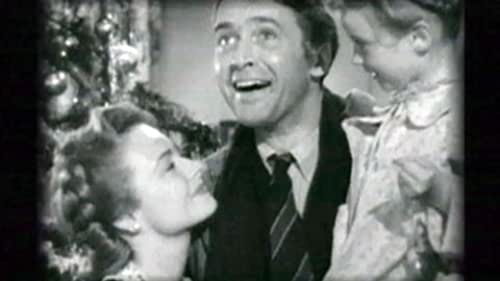
In the lead-up to Christmas, I love to watch the James Stewart film, It’s a Wonderful Life. This 1946 classic is about an angel who is sent to earth to show a disillusioned man what the world would have been like without him in it. He learns how his actions had an impact on others – the ripple effect.
Last year I discovered a new favourite film Journey Back to Christmas. It is a delightful family film about a WW11 nurse who is transported to 2016. She thought that her life had no purpose until, on the night of a comet, she is transported to the future and sees for herself the impact of her small actions.
Its a Wonderful Life
Both of these films are great reminders that we are powerful individuals who, by being part of creation, impact those around us in profound ways – even though we cannot always see this.
We can all recall a conversation or the comment of a friend – maybe a stranger, that has led us in a certain direction. It was an advert for a creative writing group in my village that reminded me of a passion I had neglected for years. I joined a small group that met in the home of a writer. This writer had self-published a novella and the creative writing group that she set up was to help build her confidence as she had anxiety and was trying to get back into the workplace. One week, she suggested that we try writing a story of 5k words and then share 1k of that story each week when we came together. The creative writing group folded before we got to share more than the first 2k words of our stories but my 5k story became my first novel. I did not publish it then but went on to write four more novels. However, last year I reworked that first novel and it is out on submission for publication. The young woman who started that creative writing group may not consider it a great achievement. She may even have beaten herself up for not being able to continue the project. I would love to tell her the impact that she had on my life.
I have many more examples and I am sure you will have a few of your own. A chance remark that led you to apply for a job, a story on TV that inspired you to try something new, or the kindness of a stranger that made you feel valued and restored your hope for the future.
John Bain – Pixabay
Just because we cannot see the impact of our actions that doesn’t mean they are insignificant. Perhaps our greatest achievements are those that we will never know. So, when you sit down to write what you have achieved at the end of the year remember that by being open and kind you may have achieved more than you thought.
I believe that we are all connected and great things happen through us when we are receptive. Miracles and angels are a result of this – remember the saying God works in mysterious ways?
You may be somebody’s angel today and you will never know.
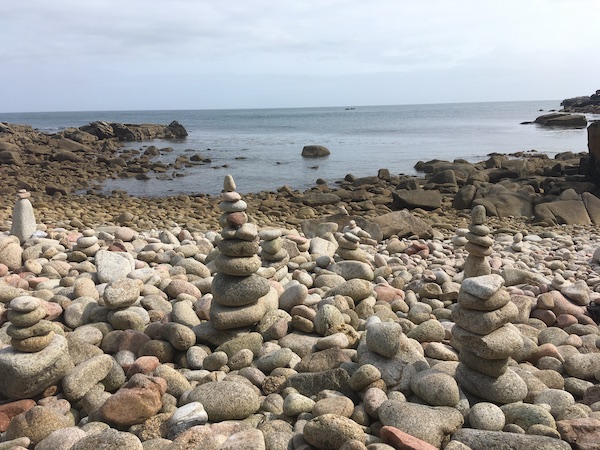
When I was in my thirties, frustrated at my failure to achieve the next step on the career ladder, I remember walking on a pebbly beach. I thought, I am like one of those zillion pebbles, why would an employer pick me? There was so much competition, I felt as though I was invisible and my dreams unachievable.
What I have learned since is that every single pebble on that beach is perfect and unique. Together they are astounding but each and every one of them has a place and purpose. I found my purpose – the perfect job for me but it wasn’t until I relaxed and valued myself that my future found me.
Whether you are applying for jobs, querying agents, or submitting to publishers, there is a lesson to be learnt from those pebbles on the beach.
You are unique and perfect. Take stock of what you have achieved, your skills, your experience. Everything that makes you who you are today – right now. The opportunity you are seeking needs to fit your perfect shape.
Every pebble, shell, and grit of shingle fits perfectly into a whole. The sea smooths rough edges, it carries flotsam in its tide, and welcomes the rivers and streams that flow into its vast ocean. We are part of something bigger.
Nature will find your perfect fit, what you need to evolve and become the person you are meant to be. Your job is to be clear where you are now in your development so that you can recognise the right opportunity when it arises – and it will.
Taken at Isles of Scilly
You are one of a million, but you are also one in a million. Nobody else has your unique combination of skills, knowledge and experience. The job, agent, or publisher that is right for you – the perfect fit, will be drawn to you when you know what you are looking for.
Think of putting together a jigsaw puzzle. At first the mound of jigsaw pieces can feel a bit overwhelming, but when you hold one piece in your hand and really study its form, the exact shape of each side, then it becomes much clearer where that piece fits within the bigger picture.
Just as the sea shapes and moves, your life will unfold in its own time. Keep present and trust the process. Everything happens at the right time. Because nature is perfect and we are part of nature.
For practical guidance on finding the perfect job this link will take you to an earlier blog.
If you had suggested a year ago that I was self-sabotaging my chances of success in securing a publishing contract I would have denied it vehemently. I had done everything in my power to make that dream come true. I had an agent and my novel went out on submission, there was nothing I could do to influence the outcome. All of that is true. However, I have come to recognise a pattern of self-sabotage when I am striving for the things that I want most in my life. I hope that by sharing this with you I might help you to recognise similar patterns of behaviour in yourself.
We may not understand why we self-sabotage, but to achieve our dream we don’t have to. We just need to become aware, to observe with compassion, and by fractionally changing our direction of travel – steering that cruise ship one degree East, we can end up in a different place.
Understanding my behaviour and its impact has been a gradual process. In an earlier blog on How to stay the course and succeed I described how early signs of success and encouragement have led me to overreach in the past – trying to run before I can walk and then throwing up my hands in frustration when things don’t pan out as I had hoped. This is an over-simplification of a complicated thought process but it was the beginning of my growing awareness.
Couleur Pixabay
Is there a goal, an elusive dream, that you have failed to achieve despite doing everything within your power to make it come true? If you are a writer, it may be getting an agent or a publishing contract, but it could be anything: losing weight, finding a loving partner, getting a promotion. For me it has been, getting into OT college (age 18), getting a promotion (age 39), getting a publishing contract (recent years).
Every time that I was bashing myself against an unyielding wall, I thought I knew why things weren’t happening for me. I blamed other people, my circumstances, an unfair system. I would have done anything within my power to achieve my goal and had proved that through my hard work, determination and perseverance, so it had to be out of my control.
If I had kept an open mind and gently looked inward, not judging myself but with patience and kindness, I might have discovered how some of my behaviours were having a negative impact. These are the patterns I have observed in my behaviour:
Rushing off an application/submission
Have you pressed send on an important job application, competition entry, or query letter and then regretted being so hasty because you could have done a better job? I do this all of the time. I put it down to being efficient and getting a job done or being an impatient person. Neither of these is completely true. I am meticulous about writing a professional report for work and I am a perfectionist when writing and publishing a novel. So why do I dash off an application/submission when it is so important to me? I am protecting myself from rejection. If I get a negative response, I can say it is because I messed up my application. When we want something too much, we fear disappointment and so we take control – in this case, I was taking control of my failure.
Another move is to say, ‘I don’t know whether I want this job or not.’ I have heard myself and members of my family claim this when applying for a job. The line that follows is, ‘So I won’t be disappointed if I don’t get it.’ We are telling our loved ones please don’t pity me or be disappointed when I’m rejected. We don’t want to let them down. But by going into an interview with this thought, however peripheral, we are sabotaging our chance of success because the lack of interest will be apparent. I have done this myself. I even got the feedback that I was the best candidate on paper but I came over as not wanting the job.
Thorben Ki Pixabay
Ignoring advice
It is annoying when someone suggests that we do something a different way, or learn new skills to achieve our goal. It means that we are not as ready as we believed ourselves to be. There is a knowledge/skill gap and as we look into what seems to be a gaping hole, we lose confidence. What if we are not good enough? We aren’t that person. We don’t fit. We will be found out. Instead of filling the gap and adapting our approach, we close down. I know that to be commercially successful as an author I need to be more genre-specific. I have spent years denying this and justifying why I can’t make my writing fit into one genre. The result is that whilst I can write books that are well received with great reviews, I will never achieve my dream of reaching a wider audience of readers until I learn to adapt.
‘I can’t.’ ‘I’ve tried.’ ‘It doesn’t work.’ How often have we cried out in defeat instead of knuckling down and doing the work: Learning a new skill, Trying a different approach? Sometimes we have to take what feels like a step backwards so that we can move forwards.
When I finished writing the first draft of my first novel, I sent it out to an agent and got a very encouraging response. It was a revise and resubmit letter with pages of comments to inform the rewrite. Instead of doing the work, I abandoned the manuscript and started on a new project. I threw away a golden opportunity. I justified this later by saying at that time I didn’t understand the implications of this positive and generous response. I misinterpreted it as ‘You are not good enough. Try again.’ This was what I was telling myself not the agent. For some reason, I did not think I deserved to be taken seriously.
There are lots of reasons why we might self-sabotage and our ingenious minds find subtle ways to do this. The good news is that as soon as we become aware of these patterns of behaviour we start to change.
Don’t beat yourself up if you think that you are self-sabotaging. You are just protecting yourself. Be kind and compassionate to the part of you that believes you are unworthy, is afraid of failing, disappointing others, or feels a bit overwhelmed by the idea of success.
Sometimes we get stuck in a rut believing that this is all we can have – if we expose ourselves as self- sabotaging then we have to accept that we may have wasted opportunities and that can be painful. I believe that the right thing happens at the right time. It may have taken me longer to get to where I am now but that is because I had to work through those experiences.
Changing my behaviour will not happen overnight but I feel as though my compass has been reset. I am cruising towards my paradise. I just had to change course a fraction.
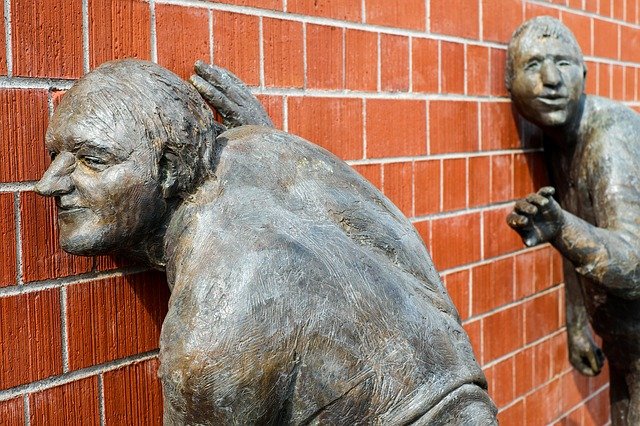
I have a distant memory of a counsellor explaining that finger puppets could be used in therapy to help a person understand and accept different aspects of their personality. It must have been when I was training or practising as an occupational therapist. I don’t know how this therapy was to be practiced or whether or not it was successful, but it came back to me as I thought about the writing process.
Both reading and writing take us on a journey of self-awareness. Like many writers, I have kept a journal for most of my life, from my diary entries as an angst teenager to recent reflections and meditations on life.
As writers we create characters and dig deep to capture emotional memories so that we can make these fictional characters and what they are experiencing believable. We ask questions of our characters, curiously delving into their inner worlds. They sometimes behave in unpredictable ways that surprise us. My characters took over and led me in another direction, a writer is often heard to say.
This takes me back to the finger puppets. I think that every character we create carries a little of us. The parts of ourselves we are comfortable with, as well as the parts we deny or fear. In storytelling, we have the opportunity to explore how our characters react in different situations. It wasn’t until recently that I discovered myself crying as I wrote a scene. I realised then that I had learnt how to express real emotion on the page.
Maybe it is because I have spent my whole career listening to adults who have felt excluded or misunderstood that I have tried hard to put myself in their shoes and understand something of their life experience. Writing from the perspective of characters who have a different experience of life, helps me to develop more empathy. In gaining a greater understanding of others, we gain more self-awareness.
As readers we are transported into the inner world of a protagonist. The experiences of these fictional characters may trigger emotional memory or make us question our beliefs. I believe that reading makes us more empathetic. A few books in particular have increased my awareness and understanding of life from a different perspective. Although I read it several years ago Lori Larsens, story about conjoined twins Rose and Ruby The Girls has stayed with me. It challenged my assumptions about what life might be like for a conjoined twin.
There have been a number of books in recent years from the perspective of people on the autistic spectrum, including Mark Haddon’s, The curious incident of the dog in the night-time, Gail Honeyman’s Eleanor Oliphant is Completely Fine, and Graeme Simsion’s The Rosie Result. Although people who are on the autistic spectrum will all have very different experiences, these stories have gone some way to increasing reader’s understanding and awareness.
Recently, I enjoyed reading the first book in Roz White’s Sisterhood series. This novel about the experiences of five very different transgender women moved me and opened my eyes to what a life lived as a transgender woman might feel like. Next week I am interviewing the author Roz White to find out about her experience as a transgender author.

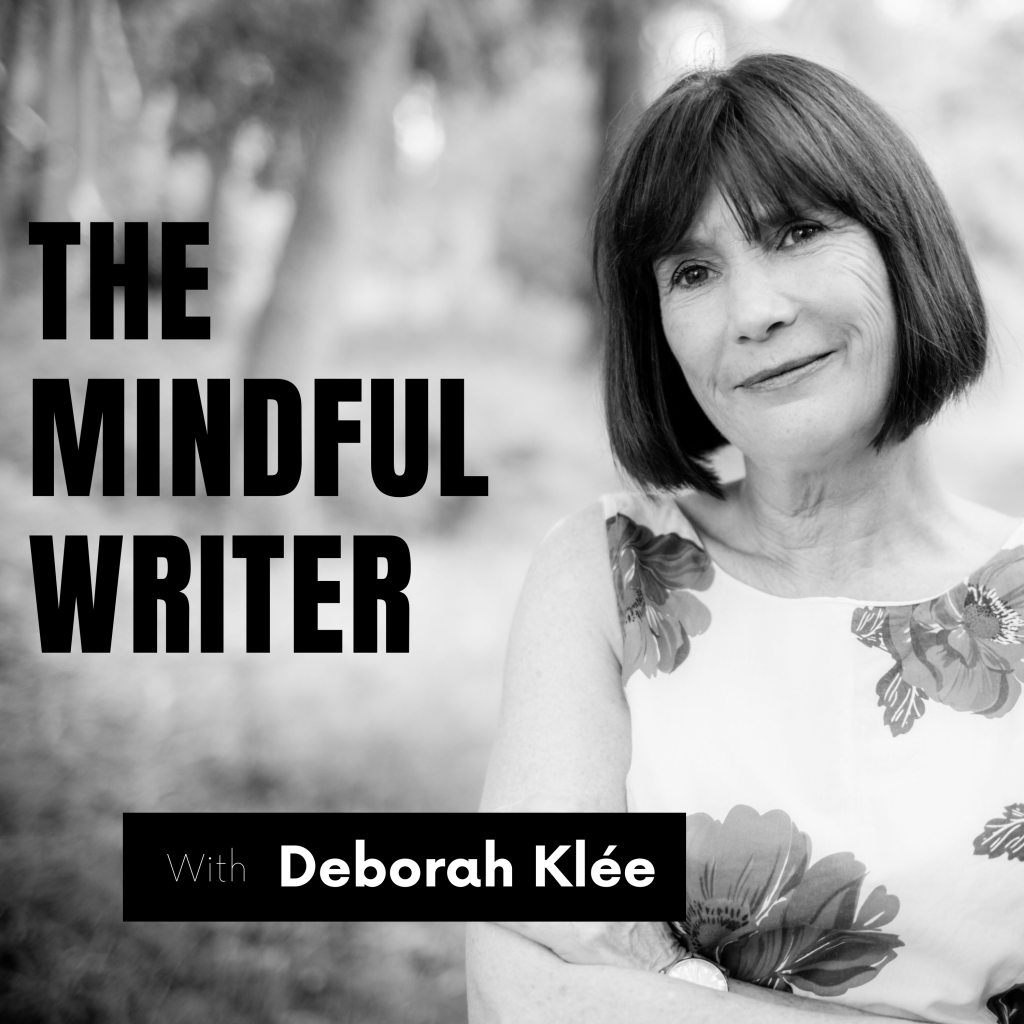


 Deborah Klee