In this episode of The Mindful Writer, Sandell Morse tells me about her journey back to herself and why it is never too late to pursue our dreams. Before I introduce Sandell, let me update you on my writing journey.
I am making steady progress with my WIP, a dual timeline story set in 1940s war years and 1964, north Yorkshire. My 1964 protagonist travelled in to Harrogate to buy a pink gingham dress similar to a popular one sold in Biba that year. I wanted to know where young people would have shopped for fashionable clothes in 1964, Harrogate, so I sent a message to the Harrogate, Past, Present, and Future Facebook group.
Within one minute I received a response, followed by many more. 138 comments to date. I loved the recollections that people shared: glass fronted wooden counters and drawers from which items were carefully removed by assistants wearing gloves, then displayed over the counter for inspection; the discussions about which shops were there in 1964 and which ones came later. We all love to reminisce and share memories about our community. History is preserved through these stories handed down through generations.
So, my heartfelt thanks to the Harrogate, Past, Present, and Future Facebook group for their generosity in sharing their memories, and for their support in my research of this novel.
Memoirs are a powerful form of story-telling. They give us a glimpse into another life, another time, another culture. They enable the writer to reflect and make sense of life experiences, sometimes finding new meaning.
This is a great lead in to this week’s guest, Sandell Morse, prize-winning author of a fascinating memoir. So let me introduce you.
I was humbled to interview Sandell Morse. This prize-winning author’s journey is remarkable. At 81 Sandell’s first book The Spiral Shell: A French Village Reveals Its Secrets of Jewish Resistance in World War II, was published, receiving much critical acclaim – a silver medalist in the 2020 Sarton Women’s Book Awards for Memoir and a finalist for the 2021 New Hampshire Literary Award for Nonfiction.
The Spiral Shell is a double journey, one outward in which Sandell uncovers long-silenced stories of courage and resistance in a village in Southwest France, and one inward as she unexpectantly finds herself on a journey back to her own Jewish identity.
I asked Sandell what inspired her to write this memoir and how the story developed as she researched Jewish resistance in WW11.
Sandell started writing when she was middle-aged. First fiction, and then non-fiction. She had a residency at Moulin à Nef, a retreat owned and operated by the Virginia Centre for the Creative Arts https://www.vcca.com/ in Auvillar, France. Auvillar is on the Campo de Santiago, a pilgrimage walk, which means that it is also on a Crusaders Route and that got Sandell thinking about Jews both in the Middle Ages and during World War II.
She chatted to a rabbi about her interest and he suggested she meet a friend of his. Initially, Sandell had no intention of writing a book. Her plan had been to write a series of essays. The connection made through the rabbi, led Sandell to a French woman who was a Jewish scholar and a journalist. She became Sandell’s translator. Another connection led Sandell to the discovery of a nine-year-old resistance courier who had lived in the village with his family. He shared Sandell’s maiden name and so it intrigued her to discover more.
It was like following a trail of breadcrumbs, Sandell said.
I commented on how life was sometimes like that, leading us along a path that we had not expected. It sounds as though everything fell into place for you; I said.
‘It was not so much falling into place as being present in the moment.’
She went on to say; I was 71 when this all began. I had raised my family, and I had been writing for many years, but I had not travelled alone.
‘I had the opportunity to be the person I wanted to be. Just me.’
I returned to the same village in France, many times. I was introduced to Germaine Poliakov, a 92-year-old-woman who had been a caretaker in a secret house in another village not far from where I stayed. We became very close.
I was interested in Sandell’s observation that now that she no longer had responsibilities as a parent she could be herself. I have spent much of my life being a wife, and a mother. When I try to find my true self, I think back to the person I was before I took on these roles. I wondered whether Sandell had found freedom in this, later in life.
‘Yes’, she said. ‘That is what I experienced.’
I quoted back to Sandell her epiphany as she described it in a press release:
‘I wanted my French friends to acknowledge their heritage and history. But what was I thinking? They were holding a mirror to my face. This was what I wanted to do, stand tall and say to the world, I am a Jew. No more childish games. No more now you see me, now you don’t. No more being a Jew only inside the comfortable world of other Jews.’
I asked Sandell how writing her memoir changed her perception of herself and her community.
‘That was huge,’ she says. I was the daughter of a German/Jewish American father whose family came over to the States in the mid-1800s, and an Eastern European orthodox family on my mother’s side. My father’s main goal was assimilation. Assimilation is when a minority group take on as many characteristics of the majority group as they can. But the irony is, you can never belong, because however much you try – you won’t be us.
I had blue eyes and fair hair so it was easy for me to assimilate. I celebrated Christmas, a wreath on my door, etc. Then, when I was studying for a Master of Arts in literary studies, I took an interdisciplinary class about dealing with the past, led by a Holocaust scholar and and an English scholar.
I did a lot of reading and research and I realised that assimilation was a kind of erasure of a culture and people and that was Hitler’s goal. I didn’t want to contribute to that and so I started going to synagogue and learning more about my Jewish identity.
When I was interviewing, Germaine, she was also a very assimilated French/German Jew– in France there is a lot of hidden antisemitism – Germaine told me about her experience when she went to a concert. A friend whispered to her, ‘That conductor. He is Jewish.’ She observed her friend would not have mentioned anything had the conductor been Christian.
Sandell asked Germaine, if she then told her friend that she too was Jewish. Germaine said, ‘You can’t do that here.’
I asked Sandell how long it took her to internalise her new understanding and then change her behaviour.
It’s ongoing, Sandell says. As a Jewish person I grew up as a minority where the majority were Christians. The way Christians understand being Jewish is from their interpretation of the bible – Old Testament. Jewish people read the Hebrew bible before it was translated.
This interested me as I have long felt that religion, particularly Christianity is based on scriptures written thousands of years ago and interpreted by man. I expressed my belief that religion unlike spirituality is manmade and can be about power. Religions can set people against each other. In my view, there is one God but many ways in which to worship as we all come from different backgrounds and cultures. I would love to study theology so that I could identify the common truths that run through all religions.
Sandell agreed with me that religions have more that unites them than divides them. However, we did not entirely agree on the importance of rituals. I explained that I no longer went to church as I found the rituals imposed on me distracting and as a result I felt further from God. When I meditate, I experience a deeper connection.
Sandell’s view is ritual takes us to past, present, and future within a framework. That Judaism gives us the freedom to create our own rituals. She went on to say that she doesn’t believe in God, but in spirituality and mysticism. In Judaism, there is no hierarchy. No head of church. Every synagogue is a small community.
I asked Sandell how her attitude to ageing had influenced what she had achieved in her life.
I have come to accept that you cannot deny your body is ageing. My mother-in-law was a wise-women. She told me,
‘You don’t give things up – they give you up.’
I thought, I am not going to give anything up until I really have to. So, I just keep going. I am a hiker, and a skier. Just keep going until you can’t.
I asked, ‘Do you think fear can stop us from carrying on doing things?’
Absolutely. People say to me, are you afraid you might break something? If I was, then I wouldn’t be able to ski properly because I would tense up. I just have to take the risk and accept the consequences. Sandell skis with a group of older people. One of the group broke her shoulder but now she’s back skiing. A man in his 90s still skis with them.
We laughed about the transition from ‘falling over’ when you are under 60 to ‘having a fall’ when you get older. The shift in perception of how others see you.
Sandell said that publishing her recent book gave her renewed energy as she had to learn social media and how to market when her book was published during the pandemic.
I asked for her words of advice to her younger self.
Sandell told me a wonderful story about how when she was 3-years-old she would stand on the porch and watch children pass by on their way to school. One day, unknown to her parents she followed the children to school and took herself to kindergarten. When her parents found her, the teacher said that Sandell could stay in the class as she was no trouble. So, she continued to attend kindergarten until she was old enough to start. When her mother tried to enrol her, the teacher said, ‘You can’t put that child back into kindergarten she will be nothing but trouble. You’d better get her tested.’
When Sandell was tested, she was asked to colour a picture of a cow purple. She responded, ‘I’ve never seen a purple cow.’ So, Sandell was enrolled in first grade instead of starting Kindergarten.
Her reply to my question, ‘What advice would you give your younger self?’ ‘None because I don’t think my younger self would have listened to anything I said.’
I asked, what advice would you give listeners who think it is too late to pursue their dreams?
As long as you are breathing and able to; give it one hundred percent. Sandell teaches creative writing workshops to people who have started writing in their seventies. When you get older, she says, life slows down and you reflect more than you did. Stories come out and you want to write them down.
Sandell is going to be my role model for ageing. Whenever I question if I am too old to try something new, I will tell myself, Sandell Morse is still skiing at 83.
When we finished recording this interview, I expressed concern to Sandell that maybe I had revealed too much of myself, my spiritual and religious beliefs. I am always careful to be inclusive as I do not want to alienate listeners who have differing views. I thought I might need to edit the chat but when I listened again, I decided that it was okay to share my personal beliefs. They feel deeply personal and exposing myself in this way made me feel vulnerable.
I think that this is true for all creatives when we express ourselves through our art. It takes courage to be authentic. To dig deep. In writing her memoir, Sandell has shared a transformation of self. When we read other people’s truths it helps us to examine our own. I am grateful to Sandell for inspiring me with her honesty, courage, and her positive attitude to ageing.
I hope you are now convinced that it is never too late to pursue your dreams, whatever they might be – maybe you will write a memoir?
In this second episode (season two) of The Mindful Writer, author Gabriel Constans, tells me how being mindful and finding balance in life has enabled him to achieve his life purpose.
Before I introduce you to Gabriel, let me update you on my writing journey.
I have just returned from a writing retreat with a wonderful group of writer friends. We have been meeting as a group for nine years. Everyone in our group of nine has developed as a writer and each of us taken very different journeys. One of our group became a best-selling Times author which made us all proud.
We celebrate each other’s success whether it is finding the emotional courage to continue writing despite feelings of self-doubt, publishing a debut, or having a short story published in a magazine. I would not have survived this writing journey without the support of my writing group. It is perhaps the best advice I can give any writer – find a group of writer friends. We have critiqued one another’s work over the years learning from the critique process as well as the personal feedback. We beta read each other’s work, talk through writing problems, and are loyal cheerleaders. When one of us succeeds we all do as we are invested in one another’s journey and share the excitement.
When I celebrate the launch of my 3rd novel The Forever Cruise on the 1st December, I know that my writer friends will be there cheering me on. I honestly could not have written this book without Ellie Holmes urging me not to ditch the idea because it was too difficult and then inspiring me to create a fantastic plot, and Janet, Catherine, Peter, Ellie, and Anita, beta-reading because they helped to make the book shine.
The group was formed when one of the group moved in to the area, leaving behind another writer’s group. This founder member put out a request on a local Facebook group and an advert in the independent bookstore. The rest is history. My point is, you can make it happen. If there is not an existing writers’ group in your area start one. It could be the best thing that you do to improve as a writer and to enjoy the writing journey.
The FWG 2022 Writing retreat. Top left me and writer friend, Janet Bridger. Photos by Catherine Rendall
Now, let me introduce this week’s guest.
Gabriel Constans is the author of fiction, and non-fiction. His book A Brave Year (52 Weeks Being Mindful) draws on his lifetime practice of daily meditation.
In this episode Gabriel explains how writers can:
Find balance in life
Achieve writing goals with a calm and quiet mind
Fulfil their potential and purpose
You can spend more time with Gabriel by visiting his websites.
Deborah: Dr. Gabriel Constans has an impressive CV both as both as an author and a caregiver. His catalogue of fiction, nonfiction and short stories is too long to list here, but I will provide a link to Gabriel’s books in the show notes. Gabriel has served the community over the past few decades as a grief counsellor, a social worker, a massage therapist, a certified thought field therapist, a mental health consultant working with teams and ex-convicts on substance misuse, and as an advisor for the street children of Rwanda project. He has a doctorate in death education, a master’s in pastoral counselling, and a Bachelor of Science in Human Relations and organisational behaviour.
Wow, your achievements are breath-taking. What has driven you on this journey, Gabriel? And what have you learned along the way? I should say welcome and hello, first of all, before I throw the question at you.
Gabriel: Oh, welcome, and it’s a pleasure to be with you. And thank you for that question. I think in some ways, it’s interesting what started me on this journey was a couple things when I used to work – as far as caregiving, I worked as a nursing assistant on the cancer unit at the local hospital.
I saw a person in pastoral care, and how she interacted with people, and supported. And I decided, that’s what I wanted to be when I grew up.
So, I went back to school, and got all the degrees I needed to do it. And that’s why I about three years later, no, four or five years later, started working in pastoral care at the hospital. Before that I had already been involved with hospice for a long time. So that way, I was able to combine really a lot of what I did as a volunteer, with my work and vocation.
Deborah: Can I just ask you something there. First of all, how old were you when you saw that person working in pastoral care? And the other thing really is, do you think sometimes when we see something or hear something, it triggers something – a sense of purpose? I wonder if you could explore that with me.
Gabriel: Yes. I already had felt a sense of purpose. For other things I was involved with, such as hospice and in counselling and that I had been doing since I was about 16 in different formats. But this was the first time I saw that, and thought,
‘Oh, I can do this and have enough money to live on. And do something that is also perhaps the most helpful for other people at the same time. So, it gave me a purpose as far as my job, vocation.
The purpose as far as being with other people, and helping other people came before that. But this – when I saw Rosemary Helmer, who was the person who was in pastoral care at that time, that’s what inspired me to see it was possible to do both at the same time. I think I was about 20. See, we had one son, one daughter, one son we hadn’t adopted anybody yet. I was around 25. So, that’s what happened.
Deborah: So, where did you go from there in your life? You’ve had such an interesting life. Can you tell us a few of the milestones?
Gabriel: Well, I started actually, around that same time. I started writing again, a lot more. I hadn’t written since I did an alternative newspaper in high school years before and I started writing fiction again. That was a big turning point for me because I started realising two things, one that I enjoyed it, and that I have a lot to learn to make it better. And part of that started, in some ways, like you, when you were making up stories to a younger brother, and then to your daughter. When the children were little, I would make up stories and start just creating them as well as reading comic books but and then I realised there were stories that I wanted to start telling talking about. And I think it wasn’t. So, I started doing fiction and then after a while, I started doing a lot more nonfiction, doing profiles of people that I thought were inspiring. Getting things accepted in different newspapers, journals, and magazines in the US and around the world. Then, after some time, I started going back to writing more fiction. As the kids got older, the fiction changed.
Deborah: I was reading about one of your novels, the Buddhist’s Wife, and I wondered, do you have Buddhist beliefs yourself?
Gabriel: I do, although I don’t per se state that I’m Buddhist, because in many ways, it’s – for some people, it’s become a religion. But in other ways,
it’s essentially practising being mindful and compassionate to people, and to yourself, and finding out what works and what doesn’t.
So, there’s no – in its pure essence in Zen and Buddhism, there is no hierarchy. There is no church, or group. There are just people that are seeking what is true – what they discover what is true, in order to connect with other people.
So, I started going to a Zen monastery when I was 16. It was the only thing in the area where I grew up – a small town and a lumber mill in Northern California, that I really connected with. And it was about an hour away. So that was my first introduction to it. And actually, the first time I got married, that’s where we got married at the Zen Buddhist monastery. So, in some ways, I guess I have been a Buddhist – in quotes since then.
Deborah: How have your spiritual beliefs influenced your daily life and your life as a writer? Either / or?
Gabriel: I think primarily spiritual beliefs because through the years I went through different phases of girlfriend, a Jewish girlfriend who wanted to be Catholic, so I became Catholic. And we worked with Mother Teresa co-workers. And then at another time, I went to Quaker meetings for a long time.
I think primarily,
it’s influenced me by realising there’s something beyond myself. And that we all have a similar connection of being human.
I think those are the two primary ways it’s influenced me. I found that through different practices, by paying more attention to myself, I was able to let go of myself more. And so, in that way it has helped me to be more present and helpful with other people, as well, the more that I practice in my own life. So, in that way, spirituality, which can mean a lot of things I know to a lot of people. That’s what it means to me. A way to get out of myself and connect with others.
Deborah: It sounds simple, but it’s incredibly profound. And it’s a work in progress. I should think, for everybody.
Gabriel: Absolutely. It’s ongoing.
It’s like I’ve been meditating for over 50 years, and I feel as though I have just started.
Deborah: Really. I’m new to it then because I’ve been meditating every day for four years and it seems I’m very much on the nursery slopes compared to 50 years.
Gabriel: You have all the time to serve. The time is irrelevant in a way. Just now is now. So yes, I think the thing that meditation – actually with a lot of spiritual practices, that probably is the most difficult for me which is one reason that I learned over the years and wrote the book, A Brave Year (52 Weeks Being Mindful) to make it easier for people to do.
The thing that I forget the most is to just remember to be present, and to pay attention to what I’m thinking, feeling, and sensing with my senses.
Because it’s so easy to get caught up in what our mind is telling us. All the things we’re doing, or all the things we think we need to do, or what comes next, or what already happened. And that’s what our mind is, that’s for.
Deborah: It’s part of being human, isn’t it? Very hard. It leads me to talk more about the writers’ journey and the process for writers, because I know lots of writers and other creatives listening will really be wrestling with the wanting to control and the difficulty in letting go when they’re thinking about their work, and getting it published – getting their voice heard, getting it out there. So, what advice or help might you pass on to other creatives?
Gabriel: Probably what I learned and keep remembering is –
really be clear why it is that you are writing? What is your intention for writing?
No matter what it is, you’re writing – nonfiction, fiction, fantasy, regardless of the genre, what is your intention? Why do you want to write? Or why are you writing? I think that’s probably the most important place to start. And also come back to asking yourself that question. Because if it’s to have other people reaffirm you or to become well known, or to make money, or just to be creative – to create different worlds that take you outside of yourself. Or whether it’s journaling and writing something just about your own life and your experience as a way to take it out of your life and look at it and also to externalise it and let it be cathartic. All of those reasons are okay. Any reason as to why you are writing is okay. But if you’re doing it for some of those intentions, such as wanting to make money or being well known, or want lots of people to read what you write, or have people tell you positive things, ‘Oh, you’re such a good writer,’ or to reaffirm who you are, or to give meaning in your life, for those reasons, it can be very lonely and a long, long time. So, that’s why it’s important to look at why you’re doing it, and then doing it because you enjoy writing. And to continue doing that, regardless of the outcomes can be really life-saving as far as your energy, and your grief, and disappointment, and dealing with rejection.
Because the more secure you feel in yourself, the more okay you are with who you are and how things are in the moment. Then you don’t get as attached to the outcomes.
I still do sometimes. But it comes and goes more quickly. And it’s not so overwhelming.
I still get excited about screenplays accepted or, you know, after years of trying to get something produced. I get all excited and, you know, dance around and etcetera but the other times when three producers don’t want to look at it. One or two finally look at it and then months later say they aren’t interested – the feelings that that brings up, I’ll acknowledge them as well. Usually, sadness and disappointment. But it doesn’t last as long and doesn’t prevent me as much as it used to in the past from continuing to keep writing and keep doing it.
Deborah: I agree with you entirely. Really helpful. And hearing you say it in such a thoughtful way is really helpful. I think it’s something that people will listen to and find really calming on this journey, which can be very rough, and tumultuous? How do you self-care? Because you will have times, as we all do, when, as you say, when you have had a setback or disappointment, or just life gets in the way and it’s a bit overwhelming. How do you self-care apart from the meditation? Do you have other things that you do to keep your equilibrium?
Gabriel: Yes. I balance out the day quite a bit. And it’s easier since I work at home now with pretty much everything. It is more difficult when you’re out at a job, or working, or doing other things or with raising children. I remember those times. Even though I’m still like raising children as adults sometimes. So, it’s much more difficult but having a balance helped the most when I had a really packed day. All those things are pretty much the same things I do now. Just not as much as I do now. And what those things were, and are: doing yoga in the morning. Meditating every morning. Doing tai chi. I love being outside, and we have a small garden – I never used to be into gardening at all. And then all of a sudden one day it just became my thing. I don’t know why. So, being outside if possible.
Nature is something bigger than yourself, other kinds of living creatures being around.
You can do it in the city too, if you live in a city, if you live in London or a big city, and it’s pretty much all concrete. There are still little places you can go. You can find little parks. Just going for a walk, being out in the air and paying attention to yourself and not necessarily all of the people and things around you. I love watching movies and reading books which are all things that take me outside of myself – my own cares and worries and stress.
Deborah: Sounds like you have a similar sort of life to me. I wake up I do my yoga. I have a lovely walk by the sea. I do my meditation, and I write, and I spend time with my lovely husband. So, yes, is it’s a good life.
Gabriel: Yes, wonderful. That sounds really wonderful.
Deborah: Like you I did work hard before I retired. So, life brings different things in different seasons.
Gabriel: Yes. What was the work that you did? It was in health care, wasn’t it?
Deborah: Varied. I started off by training and then working as an occupational therapist. And then, my husband gave up work when daughter was born. She’s now 32. And he didn’t go back to work. So, I’ve been the main wage earner, which was great, because that propelled me to fulfil my potential, I guess. And I’ve always loved what I do.
So, I went into managing health services, and then into regulation. And in the latter years – the last 15 to 20 years, I lose count, I’ve had a management consultancy for health and social care. And I’ve been writing safeguarding adult reviews, independent inquiries, you know, domestic homicide reviews and chairing boards for safeguarding adults. So, I’ve been doing that in the latter years, but most of my career was working with older people. So, I did lots to do lots of work, both as a clinician and in informing government policy through national reports and things. So, my work also was very much writing before I was writing fiction, I was writing national reports, I was writing my safeguarding adult reviews. So, it was always writing, it’s just changed to writing fiction now. And I always say that now I write happy endings for people because they were never happy safeguarding reviews.
Gabriel: Yes, so many things are beyond your control. How wonderful. Thank you for the support and what you’ve done for so many people for so long to help them in different circumstances,
Deborah: And likewise, to you. I don’t know about you but I feel that it’s been a privilege and a pleasure, being able to work with people in health and social care. And I don’t know about you – you must tell me. But I feel that for so long, I’ve been listening to people who have experienced adversity, and have had to cope with incredible challenges in their lives. Perhaps feeling on the outskirts of society, and unheard. I’ve listened to them. And my paid job was making sure those voices were heard, and fighting for them, really. So now that I write fiction, those voices still kind of play out in my head. These characters come into my books, which are almost like the ghosts of the voices from my health and social care career. I don’t know whether you find that you carry a lot of that with you still in your work?
Gabriel: I do and actually especially with hospice because I went into homes and people’s families, as a social worker and bereavement counsellor for many years, and in all kinds of situations. A lot of those stories, and people have been reflected, not the same names, I changed the situations and stuff. But they had a big impact on me, and influenced how I write characters, as far as fiction. And then of course, with a lot of nonfiction I wrote. A lot of that is about death and dying, and trauma, and resilience, and how to live your life without – so obviously, those are drawn a lot from those experiences as well. But it has come out in fiction as well, in different ways. I think I learned a lot about, about people. And the variety of ways, the endless variety of ways, of how we comprehend and how we act. And what happens in our lives, and the beauty of how different people are. And yet also how similar in some ways so that we can all relate to a character. Even if it’s a fantasy that takes place somewhere zillion times in the future. I try to write fantasy. There are still certain characteristics about it that we can identify with.
Deborah: So why do you write? You were saying we should consider our purpose for writing? What is it that makes you feel you need to write?
Gabriel: For nonfiction, when I started writing a lot of nonfiction articles and books, there was very little about death and dying available to people. And it was still – it still is, but even more so – something people didn’t talk about or deal with grief and loss. It was the same with birth and midwives having it back in the home (home births). You’ve had it in the home a lot longer in UK, but up until the 70s it was still illegal in the US because the medical community pretty much hijacked it and said it was a whole technical thing that had to be done in hospitals. So, with hospice, and with people dying, it was very similar having it be in the home, as opposed to in the hospital. So, when I first started writing, I wanted to make it more available to people, what a natural thing grief and loss is. And reaction, and the differences between just grief and normal reaction to loss and complicated grief and how to get support.
So, I think for a lot of nonfiction when I first started writing, it was to help support people, and inform people, help them make a difference. And with fiction, I always came up with a story, with ideas for things. And stories that I hadn’t seen somebody else do exactly the same way. Even though all fictional stories are the same, in many respects. Just those little things and different combinations of stories or characters, I just felt compelled to write about. Actually, the first fiction book – this may sound weird, being a male,
I wanted to empower women’s voices in characters of women who have never been talked about – hardly ever in fiction, let alone nonfiction, for their experience to be available to people, or what I imagined their experience might have been.
So those are some of the primary reasons I think that I still write fiction.
Deborah: I’m sure that your stories are helping people in the same way as your work and caregiving did.
Gabriel: I don’t know if it is or not. It’s something that I love doing.
If it makes people laugh, or something touches them and gives them a break from other things going on, or something that was a bad they identify with. That’s wonderful.
Deborah: It’s a great thing as a writer, when you get feedback from readers that you’ve touched a chord and something’s meant something to them. I think that gives writers great joy, doesn’t it?
Gabriel: For sure.
Deborah: Well, you’ve shared many words of wisdom with us, is there a parting message you’d like to share?
Gabriel: A message I think that is probably the most vital is:
If you are clear why you write and continue doing that, then be consistent about it.
People with a lot of things, especially with writing, try it for a month or two and if they don’t have what they determine success, or people don’t say it’s ‘Oh, it’s wonderful’, then they stop. I think one reason that I’ve been able to have so many things published and produced etc. was not because I’m a fantastic writer. But because I’ve been consistent and kept getting better, as the years went along. In the first years, I thought, ‘Oh, this is the best thing I’ve ever written’. Now, oh my gosh, I look back and think oh, this is horrible, how could I have thought that.
So, being open to constructive criticism, getting somebody who’s willing to be really honest with what you write, I think makes a huge difference.
And then being open to changing things completely from how you thought they might go. And keep working on things.
Deborah: Have you taken any of your early works down of have you left them out there?
Gabriel: I haven’t taken any of them down but I think some of them aren’t available anymore, because magazines don’t exist. Some of the publishers of the players I first wrote, I think they don’t exist anymore.
Deborah: Thank you very much Gabriel. I really enjoyed meeting and talking to you. I wish you continued success.
Gabriel: Thank you so much. I really appreciate you taking the time and having this conversation. I hope it is as enjoyable to you as it has been to me.
Great words of wisdom from Gabriel. Why do you write? I write because it brings me joy. Of course, I love getting feedback from a reader that they have enjoyed a story. Entertaining a person, triggering emotions, or memories is a wonderful accomplishment. Connecting with readers through the written word is why I write.
It has taken a couple of years and a lot of hard work finding my readers but now, with my third book about to be published, I am reaping the rewards. I have found my readership and I write with them in mind. It may only be a few hundred people today but I value each one of them and I know that my tribe of readers will continue to grow. Be patient and consistent writer friends. And above all find joy in writing.
So until next time. Look after your beautiful self and trust the journey.
In this sixth episode of The Mindful Writer, best-selling author Lizzie Chantree, shares some practical lessons on how to succeed and find joy in your writing life.
Before I introduce you let me update you on my writing life.
I have some exciting news to share. In the past couple of weeks, I decided to publish The Forever Cruise on 1st December, and The Last Act on 1st June next year. I love both of these books and can’t wait any longer to share them with my readers. My last novel Just Bea was published 17 months ago. During that time, I have been going back and forth with agents, and publishers. Although I have received interest in both manuscripts, I realised that it would take at least another 18 months until my next book could be published – and I cannot wait that long. I have built up a loyal following and want to keep those readers entertained with my new books. As soon as I made that decision, I felt a rush of energy. I am back on track and it feels good! My local independent bookstore is hosting the book launch for The Forever Cruise, and I am meeting with my cover designer in a couple of weeks.
Yesterday, I met the wonderful Lizzie Chantree in person for the first time at a writing buddy event she co-hosted with author Christine Penhale. We sat in a spacious room above a café to write, network, and enjoy fabulous coffee. Now it is your turn to meet Lizzie, so let me introduce you.
Lizzie Chantree is a best-selling author of uplifting romantic reads and Networking for Writers. In this episode Lizzie explains:
How to develop a positive mindset
How to make good use of the resources and networks available to us
How to build our readership, reader by reader
How to be a kind and compassionate manager (to ourselves).
Deborah: Hello, Lizzie, lovely to see you on my podcast.
Lizzie: Hello. Thank you for inviting me.
Deborah: You’ve had an incredible career: You founded your first company at 17, invented a ladder stop spray – The Runaway Spray. I love the name of that. And then, when your daughter became unwell, you made a transition from successful businesswoman to best-selling author. A remarkable journey, which shows you’re a woman of courage, determination, and obviously have a very positive mindset. So, I’m sure we’re going to learn a lot from you about where that comes from, and how you maintain that to achieve the incredible things that you have done. So, have you always had a positive mindset? And where does that come from?
Lizzie: Oh, thank you for that. I think I have grown up with a positive mindset because of my parents. I grew up in a very, very creative family. And my parents didn’t ever sort of say You can’t try that. You know, if I came up with a crazy … I was coming up with crazy ideas from a very young age. My parents never said, That’s just ridiculous. Don’t do that. They said, Give it a try. And you know, if it doesn’t work, learn from it, move on to something else. So, I always thought – well, I didn’t ever think I can’t do that. I always thought I’ll give it a try. If it goes wrong, try something else learn from it. So, I think that has always been my mentality. And basically, that is thanks to my parents.
It is a really positive way of thinking. Do you do this? Have you done the same thing with your family?
Lizzie: Yes, absolutely, with everything. You know, life’s very fluid, things change. You know, most people grow up, and then they do something completely different to what they were doing when they were younger anyway. So, we try not to set too many pressures or too many boundaries, with you know, your work life. Because you know, if something doesn’t work – the same thing, just try something else, or teach yourself new skills, or go back to school or to college and learn new things. Or go to the library and pick up some books, online courses. I’ve taught myself so many things on this writing journey through online training. So, you know, there is a world of possibilities, you’ve just got to look for them. And a lot of these online courses and things actually are free as well. So many free resources out there. It’s just a matter of finding them.
Deborah: It is really hard when you’re a writer, because it’s not just about writing is it? It’s about writing and marketing. And as you say, all the things you have to learn. I started this journey of being an indie author at the beginning of the lockdown. And when I was counting all the things that I had to learn in terms of technology it was amazing. If you look at the beginning of what you’ve got to learn, it could put you off, if you look back at what you’ve achieved, you think, Gosh, I’ve done all that. So, what’s stopping me going on to the next, the next thing and the next thing? But it’s very easy for us to get put off, isn’t it? When we think to myself, Oh, I made a mess of that, you know, we’re our own worst critic critics, we can really give ourselves a tough time. And that can put people off carrying on.
Lizzie: Totally, I think like you say we do. There’s a lot of use imposter syndrome in the creative industries where we just feel not good enough. And also, we haven’t got sort of bosses and things saying, Oh, that was wonderful. You did a good job with that today. Pat on the back. You know, that was brilliant. We have to be our own bosses. So, if we do something well, we have to say, Yeah, that was brilliant. But we don’t do so much of the Oh, well done, we’ve achieved that even if it’s making a book meme or talking to someone online or getting 100 words on paper, or whatever your targets are. We tend to forget about saying nice things to ourselves. And yet, if we haven’t written the 100 words, or we haven’t done the main today, or we haven’t spoken to someone online that, Oh, that’s useless. You know, I’m so terrible. I can’t, I can’t do it. I’m not doing enough. But we tend to impose those kinds of things on ourselves. So, in a way what I try and do is set manageable goals, like small ones, and then tick them off as I go along. And if I miss something, then I add it to the next day. It’s not the end of the world. But I think it’s really important to get a balance and also to praise ourselves when we do something well.
Deborah: Yes. Really good points there. I have been a really good manager to people that I’ve supervised and managed in my working career. I’ve been a kind, generous manager supportive and nurturing. But I’m a horrible manager to myself because my expectations are really high. And like most people, I think, we drive ourselves hard. I pick up on the things I haven’t done and not the things that I have. So, good advice there.
Lizzie: Even as a manager you still even if you’re kind and caring, you still might have high expectations of the people that are working for you. You want them to do well. You want them to achieve great things. So, even though you’re having those high expectations for yourself, we still need That that’s really lovely. Well done. You’ve reached that goal. You’ve done that writing. You’ve done that little bit of marketing, or whatever it might be, and maybe go and have a coffee, or go for a walk in the garden, or play with a dog, or pick up the phone and ring somebody because that means something to someone else as well. So, I think it’s also about getting balance, because like you say, the marketing side of it can be really, really overwhelming.
When I came into it, I didn’t know any writers. I’d done writing courses when I was younger, but I didn’t know anything about, you know, the creative side of writing, and the industry. So, I had to learn as I went on, and it came from talking to other writers, meeting mentors, researching things online, and in creating my own community.
Deborah: And that’s really important networking, which we’ll come on to, because you are our guru on effective networking. Networking is so important, not just for opportunities it brings and it certainly does, most definitely, but for the writer, writing community, and your writer friends. Because even when we are slow to congratulate ourselves and celebrate our success, to give ourselves a pat on the back, our writer friends who are on a similar journey – they do that for us, too. I belong to a writers’ group. And, and we’ve been working together for about into about eight years, all of us writing novels. We meet each month and say what we’ve achieved: I’ve only done this. I’ve only done that. We remind each other of just how much we have done and how far we’ve come. I always leave feeling a couple of inches taller. So that support is important.
Lizzie: That’s the thing of saying, We’ve only done this, or we’ve only done that. And we always do that. I do it all the time. You know, I really try not to. But it’s kind of we feel that what we do maybe isn’t enough all the time. That we need to be doing more when actually what we’re doing is great at whatever pace it might be for whatever person, you have to do what is right for you and what works for you. And if you’re chipping away too, even if it’s a little bit of time, that is amazing.
But having that network around you, like you say – sometimes I’ll just go meet a couple of people for a coffee, or I’ve got one writer friend, we meet once a month, we literally make a few TikToks. We have a laugh. We meet over coffee. We have to be quiet if we go in the library because we are giggling too much work. But we are working together. We come across so many ideas. We talk about magazine articles, about blogs. We’re writing. We make TicTocs. We do our social media.
And it’s meeting your friend for a coffee; you know, we meet for a few hours, once a month or twice a month, and we come up with so much work. And it’s absolutely hysterical. It’s really bad. But to me, that’s work. But it’s fun. You know, it fills my creative tanks. We come out of there: I feel fantastic. She feels fantastic. We support each other with something we might be stuck with. We will talk about it. I’m really stuck on this. I’m doing too much of that. How do I get through that? And we just push through it with words over a coffee or cake or lunch or whatever. And that is still work. We’re still being productive, but in a fun way.
Deborah: Yes. Excellent. And that also replaces what we miss from our work environment. I, like you, was an entrepreneur and had my own businesses before I was a writer. So, I was used to that. But even then, I found those environments to bring together people who worked in a similar area who were also friends. And that creates what other people might have in their lunch hour or coffee break at work. So, if you’re writing when you’ve been working, perhaps you’ve been made redundant, or you’ve changed jobs and you’re more isolated from people – it’s recreating those things that helps you survive in your workplace by creating it around you.
Lizzie: Exactly. And it doesn’t even have to be in person; it can be online. You know, with the way things have happened with COVID and things like that, it’s opened up different opportunities. People think of things differently now. So maybe if you can’t get to the coffee shop, or you can’t get out, you haven’t got transport or you’re in a rural location, or you’re in a different country to the people you’re working with, it doesn’t matter. You can jump on Zoom. You can jump on some chat rooms or on Facebook or Twitter. There are ways to not have to be isolated not have to be on your own. Because, like you say, writing is a really isolating profession in some aspects. And so it’s a really good way to meet other people, find people that have got similar interests to you. And there’s lots of places locally. You could visit your local library and ask them about a writing group, or a book group, or ask if you can go in and give a talk. Or just getting to know other people in your community, even the local banks. They host seminars for free about marketing and social media. It doesn’t necessarily have to be about writing. It can still be relevant to your business as a writer, but it doesn’t have to specifically be about writing.
Deborah: I’m just going to go back to something else you said that I wanted to talk about. We were talking about thinking I’ve not done enough. I’m not enough and how we drive ourselves crazy. Yesterday, I had a really lovely yoga class I attended. And when we were doing the meditation, it was about when you have lots of energy bringing that energy back down. So if people do yoga, the yellow one, the one around the navel, (solar plexus chakra) because I can’t remember the proper word for it. But it was about focusing there. And our meditation was, I am enough, I’ve done enough. I can rest without agenda. And I think that was just a wonderful mantra. I am enough, I’ve done enough. I can rest. And that bit about without agenda; how often do we think we’re resting, but all the time, our minds busy, busy, busy? I’ll rest. But while I’m resting, I’m going to get this done. Because I’m sort of resting. I’m not wasting time.
Lizzie: I totally agree about that. Our minds are always working, aren’t they? It’s always over running. And it’s fine, if you’re doing something, you’re thinking about book ideas, or something that’s exciting you because that in a way can be relaxing. But I think we do put pressure on ourselves to work, even when we’re asleep. It’s so ridiculous. No, we don’t give ourselves enough credit.
I’ve also grown up in an environment where my parents have run businesses that have always been quite busy. So, I’ve always been very aware of being in the present. There’s no point going somewhere and doing something if you’re thinking about something else. This is what I’ve grown up and learnt from my parents, because they obviously have very busy lives. If you’re going to go and meet someone and have a cup of tea, or if you’re going to go and take an afternoon off, or if you’re going to go work for the morning, or the afternoon or all day, whatever – be present, be present in what you’re doing. Because if you’re going for that cup of tea with friends, and you’re actually thinking, I’ve got a deadline, I should have been doing this, I’ve missed that this morning, I haven’t written my words, I haven’t done my 1000 I haven’t done this. What is the point in being there? You might as well not be there. You might as well be at home, or in your office, or wherever doing those 100 words, 1000 words, whatever – be present in what you’re doing. Because then your body does get to relax. You get the creative tanks filled back up. And then, more often than not, you’ll go back and you’ll be more productive later because you’ve had a rest. You’ve had a creative time. You’ve seen different things or you’ve spoken to somebody different. Without that constant, like you say, that voice in your head about I should I should be doing this. What you should be doing is what you’re doing at that present moment.
Deborah: That’s another really good point. There are so many good messages from you to capture. When I’m doing something in the kitchen – I come away from my writing, and I’m making a cup of tea, or just getting the laundry, something I’m doing in my mind is still working on my writing. Actually, it’s not working on my writing, it’s usually fretting – something that I’m worrying about. And while my mind is doing that, I always, always, do something stupid. I will make a cup of tea for my husband, who I know isn’t in the house; I put something in the fridge instead of the washing machine, I will do something ridiculous. And that just demonstrates when you think that you are concentrating on a task, when your mind is whirling away on something else, you’re not present. It’s so important.
Lizzie: It’s also a waste. It is a waste of your own time. Even if it’s doing housework. You might as well be productive, get the housework done. When it’s over and done with and then you can move on to whatever it is you’re thinking about. This is where I find list writing and things like that can sometimes help because that kind of empties those thoughts from your mind. You’re putting them onto paper. They’re in front of you. So, you can see them, they’re there, you can cross them off, you can move them to another page. This is a good way of systematically writing down tasks so that you’re not constantly thinking about I should be doing this next It’s blame culture, I think. Because everything we hear is quite negative. So, we need more positive energy, positive thoughts, positive news, to help people because otherwise they are going to feel worried and stressed. And they’re not good enough all the time, because they’re not hearing enough positivity. I think that’s really sad.
Deborah: Your life hasn’t always been smooth and golden. You had a very difficult time when your daughter was two years old and she was very unwell, and you had to leave your successful business. During those years is when you went through a transition to writer. Can you tell us about the emotional journey of how you found the courage to move from businesswoman to writer and what was going on for you at that time?
Lizzie: Yes, it was. At the time I didn’t think of it as being tough. I just was going through it; so, you just have to deal with it. But yes, my child was very, very, ill from a young age. She just coughed constantly. She just couldn’t breathe. She was on ventilators. She was in the hospital every month and on tablets every month. Then obviously, as a parent, you just feel distraught, because you feel like you’re not being good enough. Again, it’s that just not good enough thing, when obviously you can’t help it – you’re not, you’re not not good enough. And also, very frustrating because we didn’t know what the problem was, she had so many tests. And I had to basically watch her. I didn’t like anyone going near as her in case they breathed on her and she got another cough. But it was every month, you know, she could cough for nine hours, stop for an hour, and then keep coughing.
So, we didn’t sleep for years, basically. And it was just trying to find a way to cope with the stress. So obviously, I spoke to professionals about how to cope with the stress. They helped me to understand that actually, it didn’t mean I was a terrible parent, it just meant that my child was going through something and any other parent in that position would feel the same way. And they also taught me the coping mechanisms, which I still use today with stress, which is how to balance – you know, work and play, how to keep my mind on an even keel so that I’m not overloading myself.
So, what I did was, I just decided I needed to stay awake at night because I had a baby monitor. And I needed to listen to her to make sure she was breathing. So, I just thought I needed to stay awake. I tried sweets, and cake and coffee and, everything, and nothing worked. So, I thought, you know, I’ve been on a writing course many years ago, and I was writing as a child. I had an idea for a book. I thought, well, let’s just try that. And literally, that is what I did. I just sat every evening for a year in my studio with my baby monitor next to me, and I just listened to her breathing or coughing. And I wrote a book.
I wrote my first book Babe Driven and I literally packed it full of sunshine, sandy beaches, gorgeousness, happiness, cocktails, the lot. And it was just a total opposite of my life at that time. But it just helped me so much to just visualise those things in my brain when I was going through such a hard time. And it also made me feel that maybe one day someone would read it. And it would also help them through a hard time. You know, if they were having a bad day; they might be able to read it and they feel, happier, and uplifted and smiling. So really, that was what motivated me to keep going.
And then after a year, I literally stuck in a cupboard for five years. Again, it’s the imposter syndrome. I didn’t have the courage to do anything with it for five years, until her health started to improve. Then, once her lungs started to mature, and she could breathe better. And we started to get more answers about the problems with their health, then I felt, okay. And all I did was I sent it to three smaller publishers and two of them offered me contracts. So, it kind of went from there.
Deborah: Fantastic. And your books certainly do make people feel brighter and happier. So, you do give a gift to those who read your books. Definitely.
Lizzie: Thank you.
Deborah: That’s a wonderful thing that you can do as a writer – when that you express emotion, and then you find that it’s touched somebody in a way, it makes it worthwhile.
Lizzie: You just want people to not feel like they’re alone. You know, everybody’s going through stuff. You can think on the surface, you might know what someone’s life is like, actually, we don’t really know what people are going through in their own lives. So, it’s just a way to sort of be in people’s homes and provide something they can kind of open and just not feel that they’re going through things alone. And that if they are going through something, to make them smile. You know just to give them some respite from the stress and the worry, because we have a lot of things like that to go through. And even if we’re not going through anything, then that’s absolutely incredible too. If that brings a smile in any situation, then that’s what I’m all about.
Deborah: Absolutely. As you were talking, I was thinking. I think our lives are like a book in themselves. You know when you’re reading a book, and the author drops in the breadcrumbs. Then, of all these things come together the end of it. You say Oh, that’s why all of those things happened. All of the skills and experiences you picked up along the way; You’re using all of those now – today, as an author. You have your parents, your upbringing of the Try something, see if it works, try again, you’ve got all that you learned through your own business, your retail business, marketing, all the things you brought from that. And then you had what you learned when your daughter was unwell about managing your own health and well-being and coping with that. So, all of that has come together. You’re using everything that you’ve got.
Lizzie: Yes, totally. And I think, you know, when you’re going through something, all you can feel is the pain and the suffering and you don’t realise that you’re learning things. Obviously, now I’ve realised how much I’ve learned. I mean, my daughter she’s so proud of what I’m doing and she tells people she’s the catalyst of my writing career and things like that which is true. You know, out something so awful has come something
really, really beautiful. But obviously, I didn’t know that that was going to happen at the time. And, we just feel so proud of what’s happened and come out of something like that.
I think all the skills, like you say, throughout our businesses, that nothing has been wasted: the graphic design, the marketing, the advertising, the networking. I’ve learned through having wholesale and retail shops, talking to customers. And, you know, I love that side of the business, getting to meet customers and making products for them, and things like that. It was just a joy. So now, I’m still making products, but just in a different way.
Deborah: So what would you say if you were looking back now at yourself, when your daughter was perhaps two or three, when you were at your lowest? What words of wisdom or advice would you give yourself?
Lizzie: Just to be kind to myself, I think. That’s something I learned
with help – not to beat myself up and think I’m not good enough. I’m failure, I’m not doing enough for my family.Those sorts of thoughts are quite toxic. But at the time … I’ve got a very problem-solving brain. And so, if I see a problem, my brain is automatically thinking, Right? What’s the solution? How can I help someone? What can they what can we do to solve this problem? So obviously, with a problem like that, I haven’t got the medical skills to know what to do. So, all I was doing was trying to find other solutions all the time, which is quite exhausting.
But I think you just have to use the resources you have and find that inner strength in yourself and just keep pushing forward and looking for new ways to enrich your life and, surround yourself with people that are like you, that are kind, and caring, and loving. And you don’t need to put someone else down to succeed in life. So, surround yourself with people that lift you up.
Deborah: Absolutely. I was thinking, when you were saying that you were driving yourself crazy trying to work on the things that you didn’t know about – the medical, trying to control areas, which you couldn’t control, because you had no control over them. So, you looked at what you could do, which is to be kind to yourself. And that made me think about how, as authors say, trying to get published, all of the things that authors drive themselves crazy about, the things that are out of their control, those are the things that make them feel helpless and anxious. I think if we can learn to let go of that, and give that up to a higher power – to God, to the universe, that which is out of our control. There is somebody who knows much better, what’s good for us, and what’s going to happen. So let go at that. Deal with the things you can, to be the best writer you can, to be the best at what you’re doing as you can. And to be kind to yourself. All the things you can control, focus on those and let go of the things that you can’t. There are others, a power, whatever, or other people that know better, and have your best interests at heart, we hope.
Lizzie: Yes, absolutely. And also, there’s a lot of people around. We’ve all got different skills, we can all help each other. If I know something that someone else doesn’t, I’m happy to help, or if they know something that might help me, you know, we all have got different skill sets. Not everybody can do everything. And that’s exactly what you were saying we can’t do everything, we’re human beings, we can just do our best. So, it’s asking for help when you need it as well. There are people around you can say, I’m not sure about this, would you mind just explaining it to me? Or looking online and finding a course. There are ways to help ourselves in areas where we don’t know things. We can’t be expected to know everything. Like you say, that’s life, it’s nature, it’s the world. We can just do what we can do, but we can also sometimes think we have to do everything on our own. I think that was what I was going through I was just like, I’ve got to solve this. It’s my child, her health. Obviously, we needed to do everything we could, and we tried every everything we could. Now she’s doing really, really well – as best as she can and that’s just incredible. So, I think sometimes, like at that time, I could have said to people I’m having a really hard time can someone help me? Come in to my home or whatever and help me but I didn’t. I did it on my own. I was like, I have to do it myself. I have to show that I’m coping. I’m being you know, smiley self. You go out and smile and you come home and you’re crying or whatever.
It’s the same with work with writing. Sometimes we think we have to do everything ourselves. We can’t ask for help, that would make us look weak, or that we can’t do something. And that’s not true. I think, kindness is a real strength in people. And sometimes, if we don’t know how to do something, then ask somebody that can.
Deborah: There’s a wonderful writing community on social media, if can’t meet people in person, as you said earlier. You have Twitter, a regular tweet-chat, and as do I. I’ve found the connections I’ve made with people through that, really meaningful.
Lizzie: Oh, it’s totally amazing. But again, it’s about making your community of like-minded people. And you know, they’re so supportive, the writing community are brilliant, the creative community, and readers. Readers are absolutely brilliant. And the book bloggers are incredible. They give up so much of their time to support writers, you know, so there’s a lot of support. We’re really isolated as writers sometimes. And actually, we don’t need to be because readers, they love books. There’s so many, they love all the aspects of writing, and they’re so supportive and give up their time to support authors and just chat to them. You know, they’re really lovely, lovely people.
Deborah: It is. it’s a wonderful community. And your Lizzie’s Book Club is a great Facebook group. That’s always fun. It always makes me smile. It’s my feel good. It’s where I’ll go with my cup of coffee to brighten my day.
Lizzie: That’s made my day. Thank you know. It’s just, again, it’s just lovely to chat to people that love books and love writing. And readers, they’re really supportive of all the writers, the writers are supportive of the readers. And also, just to have a bit of fun, you know, so it’s nothing too serious.
It’s all about just enjoying ourselves. Enjoying what we’re doing. Because we put a lot of effort into this. It’s our world, really. It’s everything. We think about it all the time. When you’re writing, you’ve always got characters in your head, and things like that. So, it’s lovely to chat to other people that understand the kind of book obsession, because I can just see a book and I’m drawn. If there’s one in the window, I’m drawn to it. If there’s coffee, it’s even better because I can get lost for hours. The same with my parents. I could lose them for hours in a bookshop. Can’t let them near it, because they’re gone for days. A book is such a special thing.
Deborah: Yes. As well as writing your wonderful novels (I shall give links in the show notes to find your author page, and links to your books), you’ve also written a book, which I found invaluable Networking for Authors, which shares a lot of your expertise around how to use networks. There’s so many ways networks can benefit you.
Lizzie: Yes. It’s finding people that have got a commonality, but they might not be doing what you’re doing at all. Like, I met a guy outside a hotel who was painting the hotel and he came in and introduced himself. I said, I was doing a book event. He said, his daughter loved books, and we swapped cards. You just never know, when you meet someone. I even met someone waiting in line for a changing room and started talking about things that were nothing to do with books, but it ended up in a quite a big deal for me; I started doing lots of seminars, and sending loads of paperbacks across, and things like that. So, you just don’t know who you’re going to meet. It’s just about being having business cards with you at all times. It’s such a simple thing to get the book covers on the front: website, contact numbers. Just hand them out. You know, when you’re going to coffee shops. I went to a coffee shop with my friend the other day, and we’re doing our TicTocs. And I said to the coffee owner, Do you put out business cards? and she went Oh, yes. And she literally put them in her card holder by the till. It’s just little things like that. It’s getting your name known, it’s getting the word out. And it’s just talking to people really. Just talking to people, not necessarily about I’m an author, I write books, just about books in general,
or anything in general that’s to do with creativity. It’s surprising how many times that comes back to talking about people’s work and what people are interested in. It’s really lovely to chat to people about their day and what they’re doing. It’s fascinating. I think as writers we’re just fascinated with people full stop.
But it is, networking is such a wonderful way to grow your network – meet new people, find opportunities, and also to get your work out there. I was completely unknown as a writer, when I published my first book. I didn’t know about writing. I got into a few writing groups, found mentors. And then my book went into the bestsellers list and that’s my first book and that is just down to networking. It must be from my history of being in business competitions and, running retail and wholesale shops.
Deborah: It’s not just because of that. It’s because your books are brilliant. Give yourself credit. You’re doing that typical impostor syndrome thing, It’s just because.
Lizzie: I’m always thinking, Why was that? It’s really odd!
Deborah: It has been lovely chatting with you. So many gems of advice, and words of wisdom there, which I shall capture in the show notes. Thank you so much Lizzie
Lizzie: Oh, thank you for inviting me. It’s been an absolute joy as always.
I have to admit Lizzie Chantree is one of my role models. It is no coincidence that my website is similar in appearance to hers. Her warm, inclusive approach to marketing her books by networking and being kind resonates with me and it obviously works. Her books are uplifting – great for a summer read. I am on holiday in Norfolk now, as this episode goes live. I have two of Lizzie’s books on my Kindle and intend to do a lot of reading.
I hope that you are enjoying the summer. Please get in touch to share your news. It is by talking to each other, extending our networks, and being interested in one another that great things happen.
So, until next time… look after your beautiful self and trust the journey.
‘Knowing yourself is the beginning of all wisdom.’
Aristotle
At the beginning of last week’s podcast, The Mindful Writer, I told you how I was applying Know Yourself to my writing journey. Understanding our personality type, our strengths, and our weaknesses have, for many of us, been part of our professional life. The personality tests, which at one time seemed to be a requirement of the job recruitment process, labelled us so that we could be fitted into an organisation. But there are trillions of shapes and sizes – every one of us is unique. And nobody knows us better than ourselves.
We have an amazing resource of inner knowledge, gained through a lifetime – maybe many lives. We are the best textbook on ourselves; we just have to look inside.
When we take time to learn who we are: How we think, feel, react, learn, grow What makes us happy, sad, frustrated, fulfilled Our values, and beliefs What we are good at and where we struggle Motivations, aspirations, fears
The list goes on.
Christos Giakkas – Pixabay
We can use this self-knowledge to flow through life with less resistance and angst. As creatives, we can achieve our best work and reach our audience.
I believe that by knowing and accepting our unique selves we can take joy in the writing journey. Envy, shame, imposter syndrome, despair, and fear of failure become a thing of the past.
Getting to know ourself takes time, it is our life’s work, but if we stop and look inward there is so much knowledge already there. The truth is, we try and deny it. We are too busy trying to be like someone else instead of honouring our unique selves.
I have got to know myself over the years through: Journaling Meditation Yoga Mindful activities such as walking in nature Reflection Observation
It helps me to write down how I am feeling. To reflect back on how I behaved in the past and the consequences of my actions – there are behaviour patterns for me: Starting a new project with energy and enthusiasm then burning out. Impatience – stepping in to try and take control of a process rather than allowing events to unfold in their own time. Driving myself hard with high expectations lead to feelings of failure and disappointment when I do not achieve my goals in the anticipated time frame.
By recognising these behaviour patterns, I can treat myself with compassion. It is like being a caring, and wise line manager/supervisor. Journaling has helped me to have these conversations with myself. To set realistic goals, to keep motivated, and to self-care.
In last week’s Mindful Writer, Grace Sammon talks about finding meaning in the moment. What is this moment teaching me? It is a good way to stop and reflect on how we are feeling – to check in on ourselves, before reacting.
There are many books on how to write a novel. I know that I work best starting with an outline plan – nothing detailed just the beginning, midpoint, ending, and the key pinch points. Every time I start to write a new novel, I wonder how I achieved it before. Every time is different.
A best-selling author friend of mine wrote a letter to herself as a reminder that: She will experience overwhelm and despair at some point in writing the first draft. She will panic and be terrified of failing. Because this is what always happens to her. She wrote to herself with compassion reminding herself that this is part of her writing process and that she always comes through it.
Understand the different approaches on writing a novel and then find one that is right for you. There is no right or wrong way – but there is the best way for you. And you are the expert on this.
Similarly, the time it takes to write a novel. How often and how much we write. I like to write every day when I am working on a story. I typically write one chapter a day, because my chapters are short and this satisfies me. Another person may prefer writing on one or two days of the week. I write early in the morning because I am a morning person, another person may prefer late at night. Do what works for you and don’t compare yourself to others.
Stock Snap Pixabay
We bring to our writing life skills, knowledge, and expertise, from other areas of our life. Understanding what we are good at, and enjoy doing, should form the basis of our marketing plan.
Facilitating group work, listening to people and enabling them to be heard, sharing good practice and resources – have been key components of my working life for the past few decades. It makes sense for me to use this experience in my approach to marketing.
Networking is the basis of all marketing practice – making meaningful connections with other writers and readers. My podcasts, Castaway Books, and The Mindful Writer, allowed me to sit quietly with my guest and listen to how they have experienced life, using questions to explore with them deeper meaning. This comes naturally to me after a career in health and social care.
The Friday Salon tweet-chat and virtual writing retreats draw on my management consultancy experience facilitating groups and sharing good practice.
My marketing approach will be different from yours because you will bring to it different knowledge, skills, and experience. For example, one of my writing friends worked in quality control and is skilled and knowledgeable about systems. He used this expertise to develop a quality system for writing a novel in one month – The Efficient Novelist. Sharing this model through social media, seminars, and a book has been an important component of his marketing plan.
Another writer was in advertising and sales. This writer uses Pinterest, Instagram and Facebook to share beautifully designed posts. She finds visually appealing content to share with readers and writers.
There is no one marketing plan to suit everyone. If we know ourselves then we can find an approach that, not only are we good at, but one that we enjoy. When we find that niche approach it doesn’t feel like work. I forget that my podcasts, and meeting with Friday Salon friends started as marketing. I am making meaningful connections. My networks continue to expand, and amazing people have come into my life as a result. This is what marketing is about. By forming these networks and connections we invite new opportunities.
So, take time to know yourself. Go inward and listen. What brings you joy and what fills you with dread? Where is fear holding you back? Be honest with yourself. Be compassionate and kind. Know that we are one of a kind – one in a million. When we do what comes naturally, we flow with ease.
This is a work in progress for me. I keep forgetting that there is nothing to worry about. That everything is working out just fine.
The problem is, there are millions of other books out there, so why is someone going to pick yours?’
Ian Miller
Recently a fellow blogger and author Lizzie Chantree posted this quote on her Facebook page to stimulate discussion. It is perhaps one of the most common thoughts a new author or even a seasoned one has. It is what relatives and friends will tell aspiring authors. Why bother?
My brother is excited to be on the Faber Academy novel writing course. One week their tutor asked them to write down and then share their secret fears about becoming an author. All of them said similar things: I’m not good enough. It’s almost impossible to get a publishing contract. What if I put in all of this effort and nobody reads my books?
Every aspiring author has these doubts. Musicians and artists have similar concerns. We perceive an impenetrable gate guarded by gatekeepers who will send us on an impossible quest to win our heart’s desire.
Bernswaelz – Pixabay
Last week I had a dream. My brother was suffering from this familiar writer’s angst and so I explained to him why he had to follow his dream and how he had complete control over his future success and happiness. When I woke up, I felt as though a weight had been lifted from me. My dream changed my mindset. Of course, I had and will continue to have, those same fears that every creative experiences but my subconscious/ higher self/ God spoke to me in my dream and so I will attempt to share this with you.
We have become brainwashed to believe that success means fame and fortune. This is reinforced daily through the media, from comments by family and friends, and our ego as we compare ourselves to others.
This interpretation of success is based on a commercial world where the gatekeeper’s goal is to make money. There is nothing wrong with that we all need to earn a living. A writer needs to be both creative and mindful of the business of publishing. However, we should understand that interpretation of success is a commercial one and has absolutely nothing to do with our personal success.
We have come into this world with a purpose. A seed of desire has been sown in our hearts. Just as an acorn has everything within its DNA to become a magnificent oak tree, we have within us an infinite potential to fulfill all that we desire.
To succeed is to follow that dream. To be courageous and audacious. To put everything that we have into being the best that we can be. There are no gatekeepers. The only thing that can stand in our way is our lack of self-belief and fear of failure.
Mabel Amber- Pixabay
Last year, I told you about my plan to broadcast a new podcast The Mindful Writer. It’s something I have thought about for months. I’ve been sharing my inner journey as a writer with you here but I wanted to talk to other creatives to hear about their experiences. The idea wouldn’t go away. It felt like something I had to do but something held me back. I was afraid of putting myself out there and asking other creatives to do the same. To voice out loud our fears and vulnerabilities is a big ask. I was also a bit overwhelmed by the amount of work required – the knowledge and skills I would have to learn. Then there was that voice – the thought goblins: There are so many podcasts out there who is going to listen. Is it really worth the effort?
I truly believe that when something is in our heart, an idea that won’t go away, then we have a responsibility to act on it. Yes, this took me out of my comfort zone but that is when the magic happens – when we start to grow. At the beginning of February, I reached out to potential guests and I have been overjoyed with the response. I have a project plan and I am taking one step at a time. It’s exciting and scary. This is success.
I have indie published two novels, The Borrowed Boy and Just Bea. My third and fourth novels will be ready to publish this year and I am hoping to secure a traditional publishing contract. However, I am not looking to this outcome as the answer to my dreams – it is just one possible outcome. To look to the gatekeepers of the creative industry as the people who can grant you what your heart desires is to hand over responsibility for your happiness. No wonder it feels so painful and wrong.
Gerd Allman – Pixabay
If you are waiting for an agent to represent you, or a publisher to offer a contract, and feel the angst that we all feel then try visualising it as a tight ball in your diaphragm – that’s what it feels like to me. Take that ball of negative energy and place it outside of yourself. Maybe you can see it now that it is detached from your body? Let it stay there.
Now, look upon yourself as a loving parent, a wiser version of you – be kind and compassionate. Fill yourself with positive, loving energy. Remember that you have everything that you need to fulfill your dreams.
As you listen to your heart and follow those dreams you will be surprised by the miraculous things that happen. I am every day. The messages I receive from readers who have enjoyed my books, contacts made with like-minded people from all over the world, invitations to speak at book clubs, being featured on other writers’ blogs, comments on my show Castaway Books. The list is endless.
So, the advice I gave my brother in my dream was to: Redefine the meaning of success Remember you hold the power to your peace and happiness Be the best that you can be Be joyful – you are doing what you love Celebrate every success however small
You are amazing!
One final note. Lack of recognition and financial reward did not stop Henri Toulouse- Lautrec, Johannes Vermeer, Vincent Van Gogh, or Emily Dickenson from creating incredible works of art – thank goodness. All died penniless not knowing the impact of their work.
Season one of The Mindful Writer starts on 4th May 2022. If you would like to be a guest on this show contact me at dkauthor@btinternet.com telling me why you would like to share your story.
If you had suggested a year ago that I was self-sabotaging my chances of success in securing a publishing contract I would have denied it vehemently. I had done everything in my power to make that dream come true. I had an agent and my novel went out on submission, there was nothing I could do to influence the outcome. All of that is true. However, I have come to recognise a pattern of self-sabotage when I am striving for the things that I want most in my life. I hope that by sharing this with you I might help you to recognise similar patterns of behaviour in yourself.
We may not understand why we self-sabotage, but to achieve our dream we don’t have to. We just need to become aware, to observe with compassion, and by fractionally changing our direction of travel – steering that cruise ship one degree East, we can end up in a different place.
Understanding my behaviour and its impact has been a gradual process. In an earlier blog on How to stay the course and succeed I described how early signs of success and encouragement have led me to overreach in the past – trying to run before I can walk and then throwing up my hands in frustration when things don’t pan out as I had hoped. This is an over-simplification of a complicated thought process but it was the beginning of my growing awareness.
Couleur Pixabay
Is there a goal, an elusive dream, that you have failed to achieve despite doing everything within your power to make it come true? If you are a writer, it may be getting an agent or a publishing contract, but it could be anything: losing weight, finding a loving partner, getting a promotion. For me it has been, getting into OT college (age 18), getting a promotion (age 39), getting a publishing contract (recent years).
Every time that I was bashing myself against an unyielding wall, I thought I knew why things weren’t happening for me. I blamed other people, my circumstances, an unfair system. I would have done anything within my power to achieve my goal and had proved that through my hard work, determination and perseverance, so it had to be out of my control.
If I had kept an open mind and gently looked inward, not judging myself but with patience and kindness, I might have discovered how some of my behaviours were having a negative impact. These are the patterns I have observed in my behaviour:
Rushing off an application/submission
Have you pressed send on an important job application, competition entry, or query letter and then regretted being so hasty because you could have done a better job? I do this all of the time. I put it down to being efficient and getting a job done or being an impatient person. Neither of these is completely true. I am meticulous about writing a professional report for work and I am a perfectionist when writing and publishing a novel. So why do I dash off an application/submission when it is so important to me? I am protecting myself from rejection. If I get a negative response, I can say it is because I messed up my application. When we want something too much, we fear disappointment and so we take control – in this case, I was taking control of my failure.
Another move is to say, ‘I don’t know whether I want this job or not.’ I have heard myself and members of my family claim this when applying for a job. The line that follows is, ‘So I won’t be disappointed if I don’t get it.’ We are telling our loved ones please don’t pity me or be disappointed when I’m rejected. We don’t want to let them down. But by going into an interview with this thought, however peripheral, we are sabotaging our chance of success because the lack of interest will be apparent. I have done this myself. I even got the feedback that I was the best candidate on paper but I came over as not wanting the job.
Thorben Ki Pixabay
Ignoring advice
It is annoying when someone suggests that we do something a different way, or learn new skills to achieve our goal. It means that we are not as ready as we believed ourselves to be. There is a knowledge/skill gap and as we look into what seems to be a gaping hole, we lose confidence. What if we are not good enough? We aren’t that person. We don’t fit. We will be found out. Instead of filling the gap and adapting our approach, we close down. I know that to be commercially successful as an author I need to be more genre-specific. I have spent years denying this and justifying why I can’t make my writing fit into one genre. The result is that whilst I can write books that are well received with great reviews, I will never achieve my dream of reaching a wider audience of readers until I learn to adapt.
‘I can’t.’ ‘I’ve tried.’ ‘It doesn’t work.’ How often have we cried out in defeat instead of knuckling down and doing the work: Learning a new skill, Trying a different approach? Sometimes we have to take what feels like a step backwards so that we can move forwards.
When I finished writing the first draft of my first novel, I sent it out to an agent and got a very encouraging response. It was a revise and resubmit letter with pages of comments to inform the rewrite. Instead of doing the work, I abandoned the manuscript and started on a new project. I threw away a golden opportunity. I justified this later by saying at that time I didn’t understand the implications of this positive and generous response. I misinterpreted it as ‘You are not good enough. Try again.’ This was what I was telling myself not the agent. For some reason, I did not think I deserved to be taken seriously.
There are lots of reasons why we might self-sabotage and our ingenious minds find subtle ways to do this. The good news is that as soon as we become aware of these patterns of behaviour we start to change.
Don’t beat yourself up if you think that you are self-sabotaging. You are just protecting yourself. Be kind and compassionate to the part of you that believes you are unworthy, is afraid of failing, disappointing others, or feels a bit overwhelmed by the idea of success.
Sometimes we get stuck in a rut believing that this is all we can have – if we expose ourselves as self- sabotaging then we have to accept that we may have wasted opportunities and that can be painful. I believe that the right thing happens at the right time. It may have taken me longer to get to where I am now but that is because I had to work through those experiences.
Changing my behaviour will not happen overnight but I feel as though my compass has been reset. I am cruising towards my paradise. I just had to change course a fraction.
In my novel Just Bea, Ryan tells Bea that instead of trying to make herself fit she should find what fits her.
Bea says to Ryan,
‘…I could at least prepare. Do everything possible to increase my chances of success. And I did. It’s harder for me because it doesn’t come naturally, fitting in.’
He replies,
‘Maybe that’s because you’re starting from the wrong place. Take those Jiminy shoes. You didn’t go squeezing your foot into a pair that was too small or make do with ones that were too big? That would be daft. No, you found the right fit for your size and shape.’
The analogy of finding a shoe to fit came from advice I received when I had become stuck in my career. I was restless in my job; it no longer fulfilled me and I wasn’t getting shortlisted for the jobs I thought I ought to be applying for.
Up until my late thirties, my career progression had been linear. I always knew what the next step should be until I reached this stage in my life. I could only see two options: to stay where I was, or in a similar role, feeling frustrated and dissatisfied, or get promoted to the next level and that wasn’t happening.
A wise woman told me that I had outgrown my job and like a badly fitting show it was starting to pinch and rub. That I knew. But how did I fix it?
The advice was the same as Ryan gave Bea, ‘Find your shape and size and then find the job that fits you.’
Chris Kinkel Pixabay
I had tried everything else and was tired of throwing myself against the same wall – applying for jobs with high expectations, then disappointment when I got rejected. I had to find another way and although the advice seemed a bit vague, I decided to give it a go.
There were no instructions or rules so I made my own. I had to start with a clean sheet of paper – no preconceived ideas, a completely open mind.
I made a list of things that I was good at and enjoyed. For example:
Researching what works well and why
Problem-solving
Mediating
Listening to and enabling others
Writing
Then I made a list of the things I didn’t enjoy in my current job.
For example:
Conflict
Internal politics
Operational management
Bureaucracy
Hierarchies
I kept on writing – brainstorming. When pages of paper were covered in lists, diagrams, and swirls I took stock. I had a job specification but I didn’t know whether there was a job that would meet it. The posts I had been applying for certainly didn’t. It was a template – my shape and size. Now I just had to find a job that would be a perfect fit.
The next time I opened my trade journal on the jobs page I didn’t look at the job titles, instead I checked the descriptions and then, if they were a possible, I requested a job specification. If I had not taken this approach then I would never have discovered the perfect job for me. My eyes would have slid past the job advert as I had become 100% focused on what I considered to be the next logical move.
I had to go through a rigorous selection process but all of the exercises played to my strengths and of course, I was offered the job. It is a job that I loved and it led to many more exciting opportunities.
There is a lesson for us here. When we hit a brick wall we need to stop and consider why. There is a reason. If we are too focused on one particular outcome then we are blinded to other opportunities and it takes longer for us to find the right path.
We are unique individuals with our own special gifts. How can we expect others to see what we have to offer if we do not know ourselves? It takes imagination and self-belief to find our right path. Honesty and courage. The alternative is to stay still and be miserable or beat ourselves up by believing we are not good enough.
Whether you are looking for promotion, a change of career, or trying to get published, stop and take stock – recognise your unique contribution and then find the right home. I have done this in my journey to publication and in finding the best way to market my books. I know what I am good at and situations where I do not thrive. Nobody knows you as well as you do. So be kind and nurture yourself.
I always told my daughter you can be anything that you want to be. At three years old she said, ‘I want to be a king and an acrobat.’ Of course, if you could be anything why wish to be a queen, when you could be king? Anyway, this was the explanation she gave me when she was older and I questioned, why a king?
My beautiful daughter is now thirty-one and as you can see from the photo below, she is an accomplished acrobat and much more. She is both King and Queen of her world, and of my heart.
To make the most of our time on this earth we first need to discover our life purpose. When we find this, it is like unleashing a powerful energy- our life force. Some people call it a passion. It drives us to achieve and can fill us with an unbearable longing – a heartfelt wish, as we strive to fulfil our potential and become our authentic self.
It is a challenging journey. The vision that we have – to become a King, may feel impossible at first and there will be times when we wonder if we should just give up. That it is too hard. It is hard. My mother always told me that nothing worthwhile is ever easy. When we find the thing that brings us joy – our purpose, then we must honour ourself and our creator by pursuing our dream.
Self-doubt
The biggest barrier to success is self-doubt. Before we even get started the thought goblins will be telling us that there is no point, that there is too much competition, we can’t afford the specialist equipment, we are too old. Thought goblins will come up with one reason after another. It is their job, they are trying to keep us safe, and avoid the risk of disappointment or failure. Another voice – our heart, will tell us not to give up, that this is our dream. We must follow our heart. Listen to our inner voice.
Creatives will know the power of self-doubt. The fear of failure that can kill an idea before it has a chance to take root.
Above all else believe in yourself. Practice daily affirmations if that helps. I save my best reviews and emails from editors and publishers that tell me I can write, and I read these when I feel my confidence ebb.
Discouragement
Our family and friends might love us dearly, however, when we discover a new passion, and start to realise our potential we change. This can have an effect on our relationships. Partners and close friends might feel uncomfortable with a shift in the status quo and try to hold us back, by feeding our self-doubt or discouraging us. Listen. Be kind and understanding. Reassure. But do not let this deter you from your goal. Your loved ones will adjust in time and if they do not then it is their problem to resolve not yours.
Competition
There will always be some people who are more and some who are less accomplished than we are. Learn from those who are more skilled and offer assistance to those who are not. When we start looking around to size up the competition, we lose our stride and fall back. Do not compare yourself with others or with other versions of yourself. Keep present. Focus on what you are doing now and strive to make it the best it can be.
photo by Dimitris Vetsikas Pixabay
Dead ends
I recognise these. Twice in my life I have experienced what I perceived to be the way ahead closed to me. These events were of such significance that on both occasions I had dreams portending the need for me to change direction. The first time it was a career change. I was applying for jobs as the Chief Executive of a health trust. I had prepared well and was being championed by influential players. The night before my first interview I dreamt that I could not exit a roundabout as I had intended. I didn’t get the job. The dream recurred each time I went for a similar job. When I re-evaluated what I wanted from my career and looked more widely at the options available to me I found a much better fit.
The second time I experienced this was a couple of decades later. I was represented by a respected literary agent and my novel was on submission to publishers. Everything was looking rosy and yet I had that same dream again. You guessed it. I did not get a contract. Several months later I self-published my debut and have not looked back.
When it feels as though the way ahead is blocked, we are being led in another direction. Listen to your intuition. New pathways reveal themselves when we are open to new possibilities.
Perseverance
Never, ever give up. During the most challenging periods of my journey to publication I found inspiration in a couple of films: Eddie the Eagle and Walt before Mickey.
Michael Edwards, AKA Eddie the Eagle represented Great Britain in the 1988 Winter Olympics Ski Jumping, fulfilling his life long ambition to compete in the Olympics. Edwards was disadvantaged in every way and yet overcame adversity through determination.
Similarly, Walt Disney in the film Walt before Disney, experienced one knockback after another. He hit an all-time low that would have anyone else throwing in the towel. But not the hero of this film. Walt Disney had absolute faith in his talent and refused to give up no matter what. Like Eddie the Eagle, he finds another way.
These are exceptions you might say. Their stories have been dramatized for film. This is true but I took from these films the inspiration and motivation to persevere.
Disney may have experienced extreme lows but look at the highs that came after. When you get a set- back look forward to the time when this will be reversed in equal measure!
You can be anything that you want to be. Believe in yourself and follow that dream.
When I was a small child I remember saying to my mother in earnest, ‘I don’t know what God wants me to do.’ A teacher must have told a story from the bible which I took to heart. I would have been about seven-years-old. I remember clearly being anxious that I had an important purpose in life but could not recall what it was. My mother made light of my remark as she tucked me up in bed, but that thought stayed with me.
Finding our life-purpose sounds terribly grand and noble, but all it means is discovering who we are meant to be. We each have a unique combination of attributes. The way that we see the world. Our life experience. Talents, knowledge, and networks. Like the seed of a plant, our DNA has within it all that we need to become our unique self.
Imagine your life like a story. There are clues dropped like breadcrumbs; you are not the reader but the protagonist of this story. Have you ever visited a place and had an aha moment as though you recognise its significance? This has happened to me throughout my life, whether it is a place of work or somewhere that I will one day live. The relevance of that spark is not obvious at the time but later when I find myself back there, I realise why I felt a connection. Maybe the same is true of the people that we meet.
Following on with the analogy of our life being like a story, I want to share with you another observation. I believe that when we get to the end of our life and look back, it all makes sense. How we got to where we needed to be. Why things happened as they did. If you are going through a dark period in your life, turn the pages knowing that all will be well.
But I digress. There are other signs for us to follow. When I am deciding whether a job is right for me, I ask myself, does the prospect of this job make my heart sink or sing? I apply this to any big decisions. Trust your heart. When your heart soars you are on the right track.
I was recently asked to address a conference of public sector workers on my transition from working in health and social care to becoming a full-time author. I am sharing with you an extract from my presentation, as these words clarified for me the values that have shaped my life.
My life purpose has been one of championing and enabling people who feel disadvantaged. I spent my career trying to improve people’s experience of care. I chaired boards, wrote national reports, talked with ministers, and in recent years wrote many Safeguarding adult reviews and domestic homicide reviews. My head and heart are filled with the stories of people who have experienced and, in many cases, overcome adversity. In my local and national reports, I strived to give a voice to those people.
Now I am a full-time author my purpose has not changed. In fact, I feel compelled to release those voices. To give them life and to write them a happy ending. They are still clamouring to be heard and unless I get them down on paper, they will continue to hound me. I don’t write to try and change the world, or to deliver a message. I write because it brings me joy. I hope that the immense pleasure I get from writing my novels is experienced in some way by the reader. If in reading about my protagonists’ lives, I stir some empathy or shine a bit of light that brings hope then I am grateful.
I have often said in my blogs that a seed is sown in our hearts by our creator for us to nurture to fruition. Like the sap which rises in plants as they prepare for growth in the spring, the idea becomes a passion and drives us on a path to succeed and fulfil our dream/goal. Noticing this energy, what excites us and makes us happy helps us to find direction and purpose.
Do what you love, because that is what you will be good at, and in turn, you will be successful.
At seven years old I recognised the importance of finding my purpose in life, even if I did not know what it meant. Every one of us is unique. We each have a valuable contribution to make. Do not compare your path to anyone else’s. Follow your heart and believe in yourself because you are awesome.
‘She’s not showing any commitment to your relationship,’ a girlfriend counselled me as we took our habitual walk and talk by the sea.
I check my phone every few minutes, exasperating my husband. I wonder if he thinks I am having an affair.
Maybe my email was worded wrong and she misinterpreted what I said. Or – I missed something written between the lines of her text. I check again. And again.
Maybe she’s just not that into me.
No, I wasn’t having an affair. I was stressing over the lack of contact from my literary agent. It really is akin to dating. That feeling of elation when you receive an email full of exclamation marks – the agent loves your work and, in my case, ‘I am waiting on the edge of my seat,’ to receive my full MS. And another the next day, ‘I can’t stop thinking about your novel.’ Heady stuff. You hand over your heart.
A new love affair or a collaboration with an enthusiastic literary agent is wonderful. It is to be celebrated and enjoyed. However, it is important to stay grounded. When we look outside of ourselves for affirmation that we are ‘good enough’ we hand over the responsibility for our happiness and wellbeing.
Take back control for your happiness
I am not suggesting that you hold back in any way, or distrust this new relationship, only that you do not look for external validation of your worth. We hear it said by spiritual gurus and counsellors that we are enough, in fact, more than enough. They are wise words, but not so easy to believe when we are filled with self-doubt.
To take back control, listen to your heart and not the thought goblins who whisper criticism and doubt in your head. You need to really listen to your heart to understand what you want and why. That’s easy you might say, ‘I want to be a successful published author.’ Or, ‘I want to meet my soulmate, get married, and start a family.’ Dig a bit deeper. Ask yourself why. Get to the root of what you want and need.
For me, it is to reach as wide an audience as possible, because I have something to say and want to be heard. I want to connect with readers through my words and make a difference – whether it is to give a few hours of escape or to inspire in some way. I have a unique combination of skills and experience that make me who I am. My purpose is clear and is not dependent on another person. A publishing contract is just one way to achieve my goal. I have everything I need to fulfil my potential and achieve my dreams.
It is great to find true love, to get approval, and positive affirmation. We all need this. But when it does not come from the source we expected, it doesn’t mean that we are undeserving. It just means, it isn’t the right one for us at that time.
You are God’s gift
You must have heard the saying, ‘He/she thinks they are God’s gift.’ Well, guess what, you and me – we areGod’s gift to the world. We have been provided with all that we need to fulfil our unique purpose. It may have arrived in a box, like a flatpack from Ikea – full of odds and ends that are a mystery to us. The instructions assure us that everything is there, we just need the patience to put it all together. When we are distracted, comparing ourselves to others, and seeking approval, we are neglecting our gift.
Spend time marvelling over everything in that box. Value each of the parts, however small, because they are essential to creating our true self: our skills, attributes, personality traits, our dreams and wishes, our passions. When we realise just how amazing we are, we are fired up with positive energy. Not only is that very attractive – we are no longer a box of oddments, we are the shiny fully assembled model in the shop window, it enables us to know exactly what we need and to be discerning. Instead of waiting to be chosen, we do the choosing.
Many years ago, I watched a television programme that left an impression on me. An older woman explained why she took up sky-diving in her sixties. It was an antidote to the risk of an ever-diminishing life, as a result of living within her comfort zone. As we get older, we can be less inclined to take risks and settle into a comfortable routine. Sky-diving is a bit extreme. I considered trying a tandem skydive but the thought of jumping out of a plane terrifies me. In the 2001 film Kate and Leopold, Meg Ryan has to step off the Brooklynn Bridge, to be reunited with Leopold and to live the life she truly desires. I love that film, but every time I watch it she goes to jump and I think, I couldn’t do it. I would lose everything because I would be too afraid.
There is a parallel here to life. It’s great being comfortable, feeling calm and secure. When our world changes, establishing a routine can help us to feel in control. During lockdown, a routine helped many of us create a sense of stability in a scary world. However, over time we can become stuck, moving within the boundaries we have established. Comfort turns to discontent as we become aware of our unfilled potential. It is frightening to step out of our comfort zone: fear of failure, rejection, or disappointment. But we risk losing much more if we stay put. We risk losing the opportunity to fulfil our potential, and to discover new interests and passions. We aren’t just denying ourselves the expression of our true self and all that we can be, we are denying it to the world. We have a responsibility to fulfil our potential and that means continuing to learn and grow, whatever stage of life we are at.
In an earlier blog Welcoming change, I told you how I was letting go of a successful career as a management consultant to start a new one as an indie author entrepreneur. It was and is scary. I was very comfortable with my working life, but this meant that nothing challenged me. I had decades of experience in health and social care. I could take on any management consultancy job in my field and know that I had the skills and experience to deliver. It was a great place to be and paid the bills. Outside of my comfort zone was my unfulfilled potential. I knew I wanted to be a published author and there were other things, other versions of me that I needed to explore. I am only just discovering some of that potential, as I try out new things.
Yes, we may fail. I made my first book promotion video without looking at the camera because I didn’t know where it was on my phone. I’ll know next time, so it isn’t failure; it’s my first attempt. I like the old adage that when we mess things up we just need to use the experience as manure to nourish future projects.
The past six months have been a steep learning curve for me. I have learnt how to: commission and work with a creative team (editors and book cover designer), format a manuscript for publication, self-publish, set up and write a blog, use Mailchimp to share a newsletter, and use social media (Twitter, Instagram, Business page on Facebook). I am planning a YouTube channel to broadcast twice a week from January 2021, and I am writing and publishing another two novels next year.
I am sixty and so I have not grown up with the technology that younger people are experienced in using. Of course, I have experienced frustration and felt stupid. What happens if my investment of time and money doesn’t pay off? I have felt weary, exhausted from the effort and relentless drive to succeed. But, I am growing. I am learning. And I am transforming. I am becoming a new me. I am pushing out into the unknown and with each step into that magical terrain, my world becomes bigger. Instead of feeling the weight of fear and uncertainty, I am going to embrace each new experience and find joy in learning.
There’s just one other thing I will resolve to do. This is the scariest of all. I am going to visit my local swimming pool and jump into the deep end. It is a first step. I will not jump out of a plane, but maybe, if I can learn to do that without fear, I might just be able to jump back in time to be with the love of my life, should a Leopold beckon me one day.
I am writing this blog on the first day of the summer solstice, here in the Northern hemisphere. It seems fitting, as today I am writing about change.
Steven Rogers said, ‘Beginnings are usually scary, endings are usually sad, but it’s what’s in the middle that counts.’ I am embarking on a change in my career and it is scary. I have been here before, when I moved from the clear career path as an executive manager in the NHS to a very different role working for the Audit Commission, a national regulator of local authority and health care services. Then, as now, I moved from the safety of a role where I was respected and knew what I was doing, to one where I felt like the new girl – clueless and deskilled.
In recent years, I have been letting my profile as a consultant in health and social care decline, so that I can commit more time to writing. Just thinking about this change gives me palpitations. It’s a mixture of fear and excitement. I worked hard to establish my management consultancy and it has been successful, but since my mother died a few years ago, I have been pursuing my passion for writing. Maybe her passing made me realise that I had to make the most of every day.
Finding the courage to take a new direction
It is easy to stay in a place where we feel comfortable, instead of taking a risk to follow our dreams. I am not suggesting writers should give up paid work to write full-time when they have no guaranteed income. I am in a fortunate position of being semi-retired and so I can afford to bring in less money and focus more on writing. But, when I was a hospital manager and stepped off the career ladder to take a route that was unfamiliar I had to be brave. It was the right decision for me and led to greater things than I could ever have imagined, but it took a leap of faith.
Your heart tells you when it is time to make changes in your life, although it may take some time before you get the courage to listen to that inner voice and act. Letting go is the hardest part of that journey. If you are at the top of a mountain, feeling successful and valued, albeit unchallenged, stepping into the unknown is scary. If you have established a home routine that works and is comfortable, but no longer meets your needs, then disruption is scary.
The space between ending and beginning
Then, as now, emails relating to my day job went from a torrent of daily communications to a trickle and then nothing. Did that mean I was no longer important? I wasn’t needed? In the NHS Trust, there had been a reorganisation, and I had talked myself out of a job as I searched for a role that would enable me to improve services. All was quiet and I was afraid that I had wrecked my career.
In that quiet time, I meditated and reflected. A mentor suggested the role I was in no longer fitted me. She suggested I spend time working out ‘my shape’ and then find a job to fit – keeping an open mind. If it hadn’t been for that space between the ending and beginning I would never have found my path.
I am back in that place again today. I have intentionally let my consultancy business decline, turning down work, and moving my focus from networking with health and social care colleagues to networking with the writing community. I am in the space between, feeling my way, uncertain what the future may hold. Everything is unfamiliar and I am pushing myself every day to learn new skills: setting up this blog, using social media to network, publishing my debut. I am no longer the expert, the person to go to, a person well connected within a community. Maybe one day I will be, but now I am at the bottom of a mountain, with a steep climb ahead.
Fulfilling our potential
Everything has a season. A beginning, a middle and an end. Like our breath. It is the pause between breaths, the space between thoughts where the divine happens. We have to be still, to hear what is in our heart, and be open to new possibilities. We don’t know what the future will look like, we just have to have enough faith to let go of the old. Then wait. Beneath the ground nature takes its course and seeds germinate. Looking at bare soil is very, very scary.
If we cling to what we know and never have the courage to learn something new, then we fail to fulfil our potential. Isn’t that what we are all here to do? To be the best version of ourselves that we can? This weekend it is International yoga day and the summer solstice here in the UK. As we go into the first day of summer, I hope that your harvest is plentiful and your dreams fulfilled. Namaste.

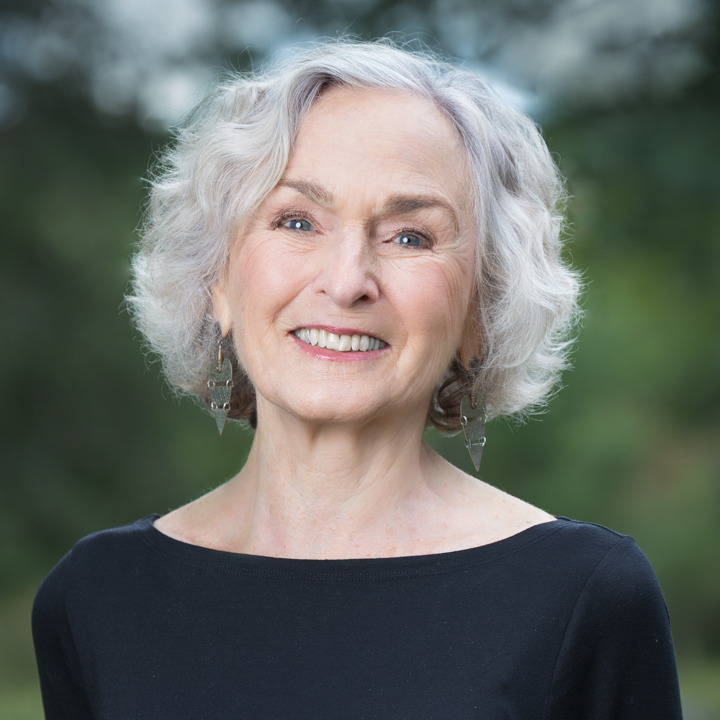
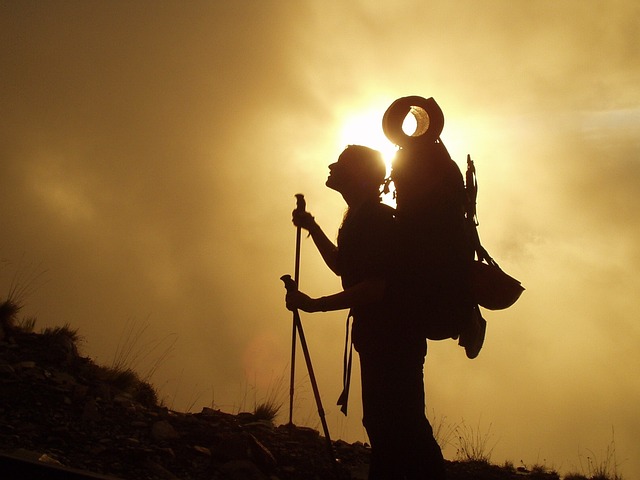

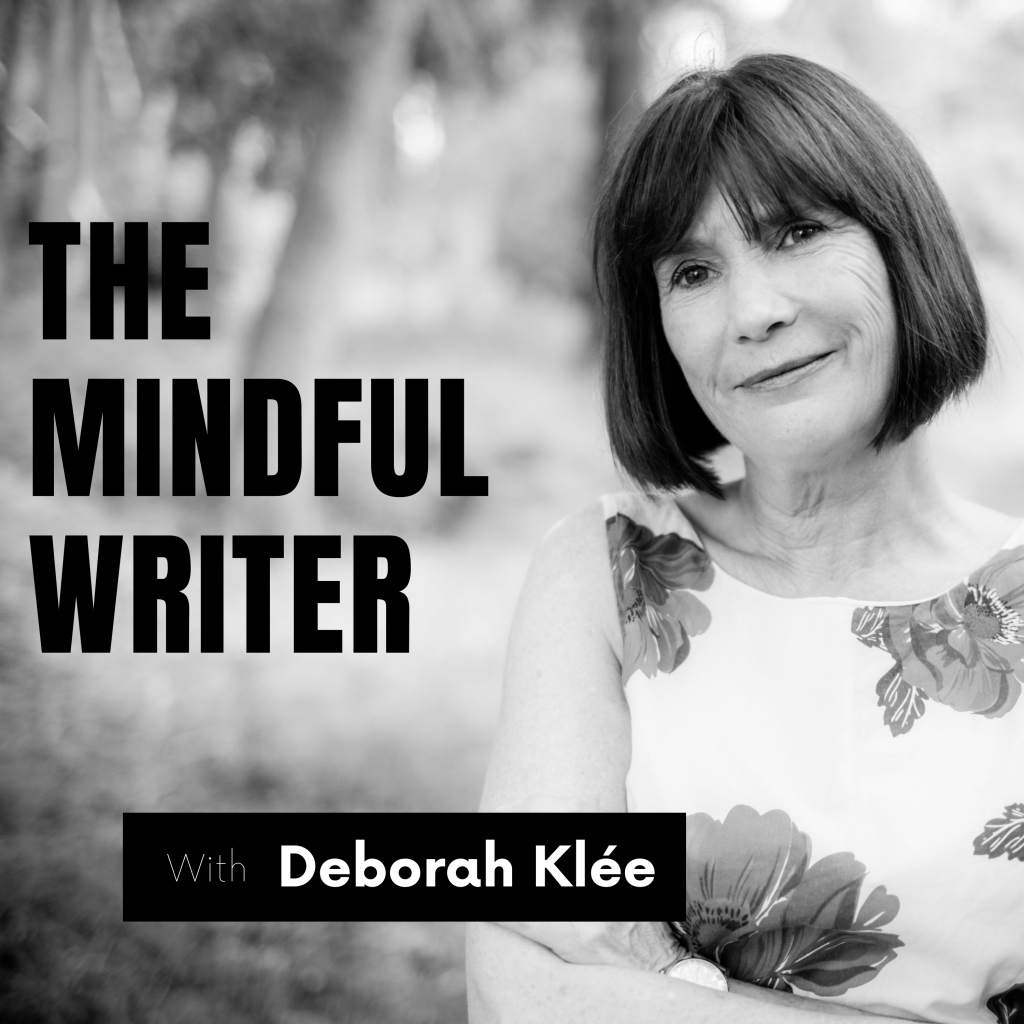
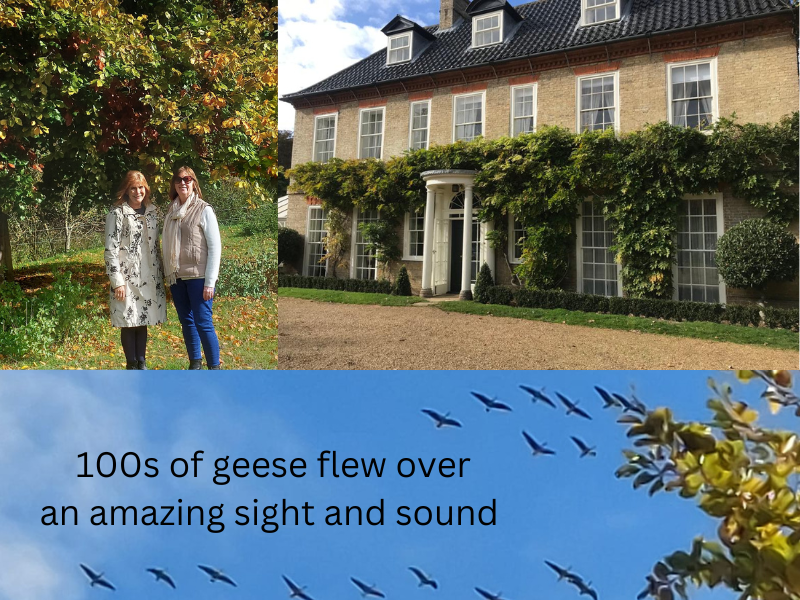



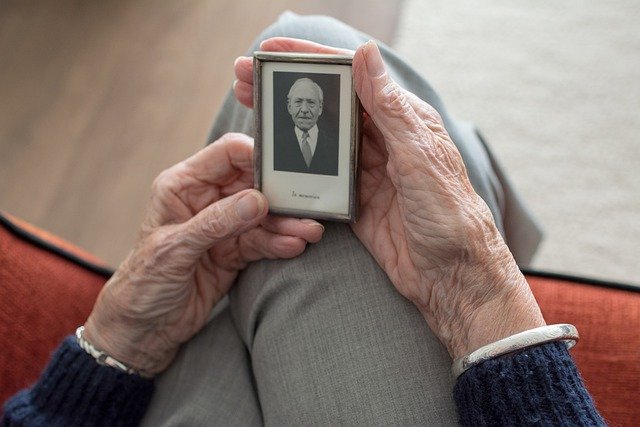

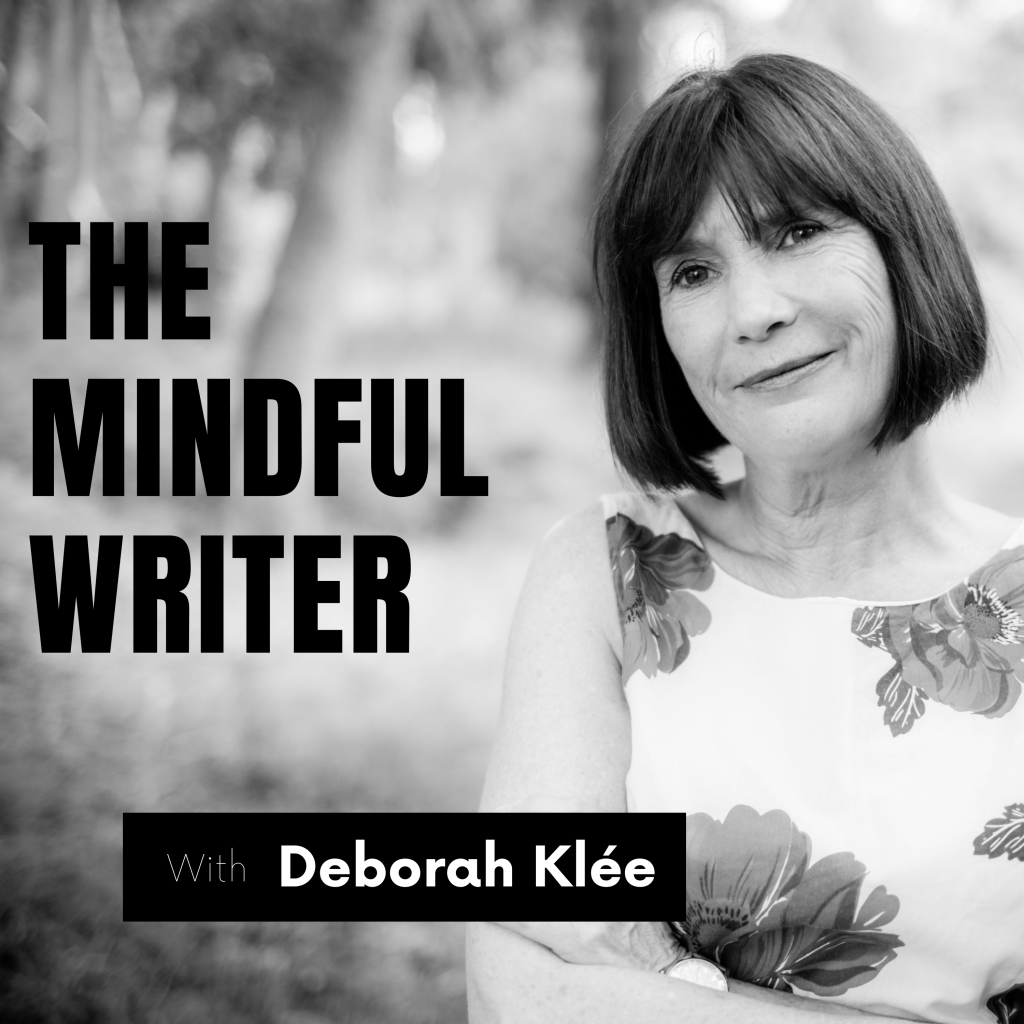
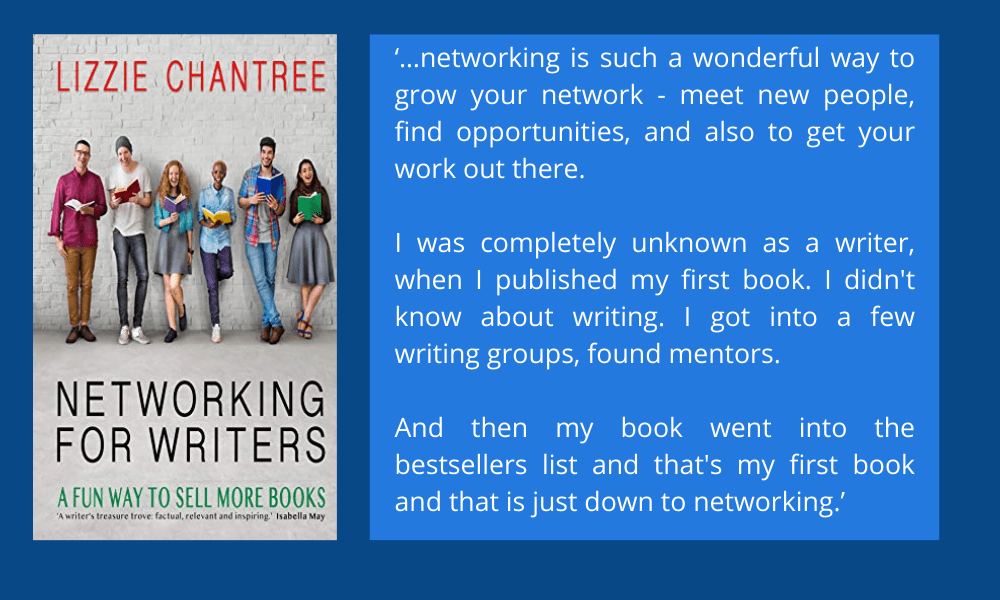
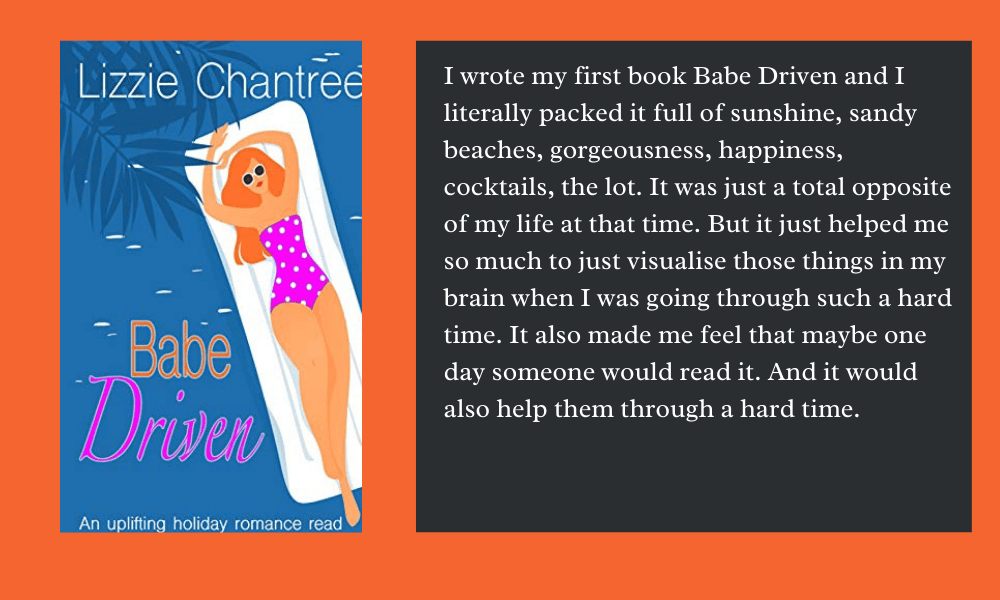

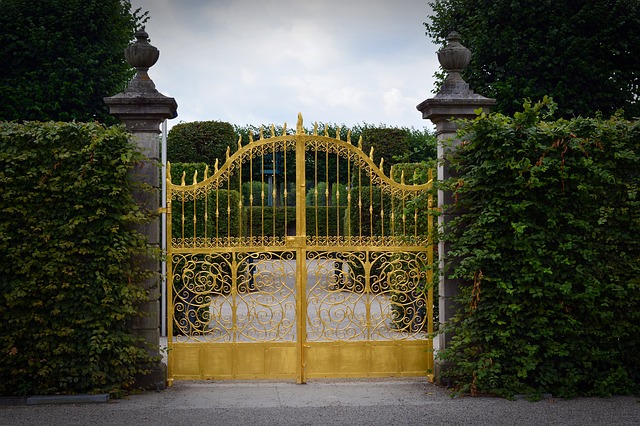
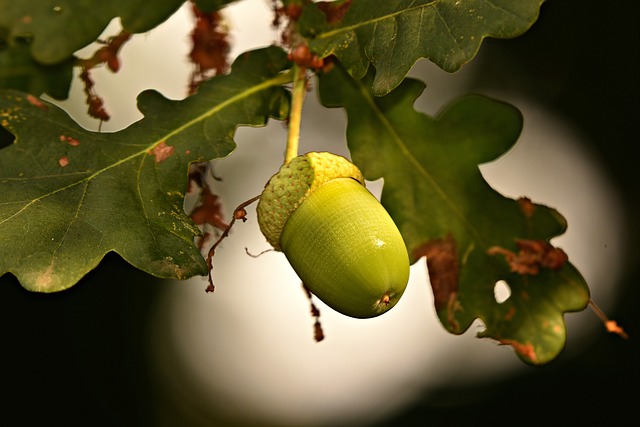

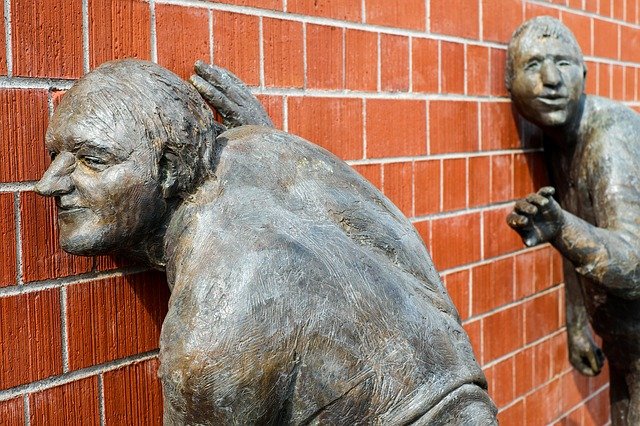



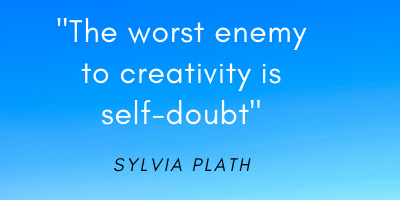




 Deborah Klee