In this ninth episode, season two, of The Mindful Writer, I chat with wellness author Nita Sweeney, about movement, meditation, and creativity.
First, a quick update from me. I’m looking forward to going away for four weeks cruising the Caribbean, then a transatlantic crossing and Europe. It’s only a couple of weeks away, and so I’m trying to achieve my writing goals before setting sail. One of these was completing the first draft of my sunken village novel and I’m pleased to say I’ve sent a complete manuscript to my editor to review whilst I’m away. On my return, I will be doing final edits on another novel, The Last Act, before it. Goes to publication on 1st August. So, I am in that delightful stage of a pause between activity – a time for replenishment and renewal. Opening up space for new ideas, projects and inspiration to find me. I am always very much on the move, but sometimes it is just as important to be still.
Movement and meditation is the theme of our chat this week, so let me introduce you to my guest.
Nita Sweeney is an award-winning wellness author, meditation leader, mental health advocate, ultra-marathoner, and writer coach – so, an excellent guest for this podcast. I was interested in exploring the inspiration and learning from three of Nita’s books.
Depression hates a moving target: How running with my dog brought me back from the brink (anxiety and depression)
Make Every Move a Meditation: Mindful Movement for Mental Health, Well-Being, and Insight.
You Should Be Writing: A journal of inspiration and instruction to keep your pen moving.
I asked Nita about her book. Running with your dog? This was your first book, but it took some time for you to find a home for it. Can you tell us about this book’s journey – how it came to be written, and then published?
Nita explained how she had written several works and tried to get published for many years without success. When her twenty-four-year-old niece died of cancer, followed by the loss of seven loved ones and a cat over an 11-month period, Nita expressed deep depression.
A friend posted on social media, ‘Call me crazy, but this running is getting to be fun.’ That message inspired Nita to try running. At first, just 60 seconds at a time. As she got into running, Nita found her mental health improve to the extent that she could stop taking some of her medications.
It occurred to her that there was a story in her experience. At first, she thought it was: Depressed, middle-aged woman starts running and eventually runs a marathon. But then she realised the story was: Middle-aged woman runs to save her life.
A friend who was also a writer and an editor, encouraged her to submit this story for publication. After previous disappointments pitching her memoir, Nita was reluctant. This friend said, ‘If you just wanted a book with your name on it, then you could have self-published by now. Be honest with yourself. If you want to be traditionally published, then that’s what you have to go after.’ Nita wanted what she called a gold star. For Nita, a publishing contract was an affirmation that her book was worthy. So, she set out with a plan to find an agent and if unsuccessful, find a publisher. Her last resort would have been to
self-publish. Not because she considered it inferior, it just wasn’t the publishing experience that she wanted for herself.
Nita pitched to 108 agents, 133 publishers who did not require agents, and entered 30 competitions. Her book was a finalist in the Falkner award and it was nominated for another award. These awards persuaded a publisher that it was worthy.
We talked about the emotional impact of losing a parent. Until you have lost a parent, I don’t think you understand the depth of pain experienced.
‘It’s like a club you don’t want to be in,’ Nita said. Especially a 2nd parent. You become an orphan and despite being an adult you feel adrift – unanchored.
We agreed it doesn’t matter what age you are, when your mum dies, you feel like a little kid.
‘It was as if I knew there was a cliff over there, but it was hidden by a veil. When Mum died, it was as though someone had ripped away that veil.’
Back to running, Nita explained that the friend who inspired her to run was the same age and build as her at that time.
‘Looking back, that (social media) post saved my life. You never know who is watching. Who you will inspire, or whose life you will change.’
I observed that Nita would have inspired many readers through her books.
‘I can’t think of the person reading my books when I write. I have a coaster: Dance like no-one can see you. I need one that says: Write like no-one is reading. When I edit, I think about the reader but not when I’m writing.’
I commented on that inner critic who sits on our shoulder when we write. We have to learn how to silence them so the writing can flow.
Nita worked as an assistant to best-selling author of Writing Down the Bones, Natalie Goldberg, for many years and took several of her classes. The writing practice Natalie teaches is to set a timer and just write.
Natalie Goldberg talks about the Guardians at the Gate. She visited a Zen monastery in Japan. Huge, grotesque statues stood at the gates. Natalie says, Your inner critic is like the guardians. They roar, ‘How much do you want this? What are you prepared to risk?’
Our inner critic is trying to protect us. Nita says that she has a guardian on one shoulder and a little cheer-leader with pom-poms on the other, chanting, ‘You can do this Nita!’ The guardian is louder with its roar but they both want the best for her.
I asked how she makes her peace between those two voices.
‘I often think the guardian/inner critic is trying to keep me safe. So, I just think: I know you are trying to protect me, but it’s okay I have a plan. Let’s just see where it goes. You just have to keep moving. It’s like writing. The inner critic is yammering away at you, but you just have to keep your hand moving along the page. So long as you are writing, the inner critic won’t catch you.’
This is why Natalie Goldman uses periods of time for writing. You keep your hand writing, no matter what. That’s the key. If you don’t acknowledge the inner critic, it starts screaming. So, it’s important to acknowledge it calmly.
We discussed Nita’s other two books, both about movement. Make every movement a Meditation and You Should be Writing, which is about keeping your pen moving. There’s a theme here!
‘Let’s talk briefly about You Should be Writing’, Nita says. ‘I co-wrote this book with my publisher. We took author quotes and wrote about them. It’s to inspire creativity and can be used as writing prompts or a writing journal.’
We then discussed Every Move is a Meditation.
Nita explained you can meditate in any position, including whilst moving. You pick a time period or a distance/ activity and an object of meditation: thoughts or body sensation. Then, start moving and when your mind wanders from your object of meditation, take your mind back or choose another. You do this with the goal of being equanimous – trying to have a bit less preference about pleasant or unpleasant sensations. That’s the practice described in her book. Often the meditative state happens naturally when we are absorbed in an activity, for example, running or writing. The activity has a natural calming effect on the body. It’s about present moment awareness – where you become absorbed in the activity.
Nita had the idea for a book on daily mindful meditations but Mango wasn’t ready for this book from her as she had an audience of readers who were interested in running to manage anxiety and depression. So, Making Every Movement a Meditation was intended for that audience.
I enjoyed talking to Nita and, as always, the time passed far too quickly.
You can find out more about Nita and her books by visiting her website:
I had hoped to prepare one more podcast before going away, but realised that was a bit over-ambitious. I will be back with another episode of the Mindful Writer in June with guest Gail Aldwin.
I will be thinking of you whilst on my cruise, jotting down ideas and inspiration to share with you on my return. So, while I am away, take care of your beautiful self and trust the journey.
It is that time of the year when we write our good intentions, fuelled by an ideal of what we think our life should be. Comparing yourself to others or an earlier version of yourself is unkind. I was one of four children and had a wise and loving mother. She appreciated what each of us brought into the world and made room for us to shine without dimming one another’s light. That doesn’t mean I wasn’t furious when my little sister bought a pair of satin trousers (Abba style), the same as mine in a clashing colour, and then wore them to the same event as me. Siblings argue and compete. But a kind parent appreciates who we are without comparing us. We need to be that loving parent to ourselves.
When we tell ourselves what we should be, we are denying what we are. We imagine ourselves and our life to be different and beat ourselves up that we have not attained that life.
Replace I should with I am. This past year I have relaxed into the reality of my life. Not the life I thought I should have – because I was comparing myself to others, but the glorious reality of my life right now, the way it is. To let go of the angst, the tight control of an angry parent yelling at me to do better, was like sinking into my yoga mat. I could feel the release, the expansion of my heart – room to breathe.
When I realised how great my life is and marvelled at all I have achieved, I found joy in every task. Life was no longer a race or competition. It became an adventure – a magical, mystery tour. Because, when I let go and allowed my life to unfold, great and unexpected things happened.
Many self-help books tell us to imagine what our ideal life would look like with the promise that if we see ourselves living that life, it will become our reality. Manifesting abundance has become a common mantra for those who follow new-age thinking. I believe we can attract good things into our life by being open to opportunities, daring to move outside of our comfort zone, and by being positive. There is nothing mystical about this. It is about taking risks, seeing opportunities, and projecting a positive image that inspires confidence in us.
Instead of starting the year by visualising what your ideal life would look like and what you should do to achieve that, try this:
Visualise how you would like your life to feel. How does it feel now?
In yoga and meditation, we work through the body, relaxing it from our fingers to our toes. Recognising where we hold tension and then letting go. Understanding where we hold tension in our acceptance of self is similar. Maybe we have some work to do on letting go of past hurts? Be compassionate and kind – not critical.
Focus on the reality of your life now. What is it teaching you? When this time has passed – and time passes far too quickly – what will you miss? One day we may look back with regret wishing we had the same person, or people in our life, the health that we have today. We may long for an ordinary, predictable day. So, cherish every moment.
Relax into the now and let go of expectation. You are enough. If you have just one new year’s resolution, let it be – Be Kind to You. Because you are amazing.
In this episode of The Mindful Writer, Laurence Anholt, best-selling author, and multi-award winner author, explores the relationship between fathers and sons, and shares some useful writing tips.
Before I introduce Laurence, let me update you on my writing journey.
This podcast is going live the day before the official launch date of The Forever Cruise. The paperback was published a few weeks ago and has had excellent reviews. So, I am looking forward to the launch party on 1stDecember, at my local independent bookshop, Caxtons.
This may sound weird but for the past few decades I have experienced prophetic dreams about career and aspirations. They always take the form of a car. For example:
Missing the turnoff on a roundabout: Did not get the job and career went in a different direction.
Car reversed: Received a revise and resubmit response from an agent.
Car joining motorway without stopping at junction: Agent submitted MS to publishers without first asking me to sign a contract or to meet.
I could go on. I have a dream, sometimes recurring and then the event follows.
A few weeks ago, I had a car dream that made little sense until now. It was a recurring dream where the car turned a corner. I thought maybe I was to change direction, write something different, or I was about to be offered a publishing contract. But none of these explanations rang true.
Whether or not you believe these dreams were prophetic, I think you will agree that we all have intuition. Our heart knows but sometimes it takes a while for us to register this mentally. Maybe my car dreams are about my intuition being heard when I am sleeping.
In the past couple of weeks, the dream has made sense to me. So many amazing things have happened, and it seems are continuing to happen, as I approach the launch of my third novel. Incredible support from my local community and social media friends, in ways that I could not have imagined. Every day I get another surprise. I will tell you about these wonderful gifts in a future blog.
This leads me in to introducing this week’s guest. Laurence talks about the dappled light – how we need both the highs and lows in life. The balance. So, if you feel as though you are on a long road with no light at the end look forward to turning a corner. Who knows what magnificent views await you? And now my friends on to the interview.
Laurence Anholt has been at the forefront of UK publishing for thirty years and consistently amongst 150 most borrowed authors from UK libraries across all genres.
His award-winning books span every age from baby board books, through to his adult crime series, The Mindful Detective.
In this episode Laurence talks about fathers and sons:
How his father’s experience as a young man liberating Belson had a ripple effect on the generations that followed.
How criticism is like weed-killer on the shoots of new life
Why we should embrace the light and shade in our lives
Laurence Anholt
Deborah: I’m delighted to welcome Lawrence Anholt to the Mindful Writer podcast today. Lawrence has been an author for over 35 years. His books, he says, reflect the ages of his children, as he first wrote stories for young children, then older children, young adults, and today he writes for adults.
Laurence is multi-talented as an artist, Illustrator, and an author. He once owned a bookshop which went by the wonderful name of Chimpanzee Beside the Sea, which I love. It makes you smile, just saying it.
Laurence lives with his wife, Cathy, who is also an artist. And they’re passionate about renovating properties, creating beautiful homes. Their current home includes a rewilding project. So fascinated, reading all about your background, and really delighted to meet you, Lawrence.
Laurence: So nice to meet you, Deborah, thanks for inviting me.
Deborah: Well, Lawrence, I haven’t got enough air time to do justice to all you’ve achieved in your life to date, and I’m sure, there will be more to come. But hopefully, we’ll learn more about you as we talk. You had huge international success as an award-winning author of children’s and young adult’s books, before writing your Mindful Detective series, which is what drew me to you – with the word mindful, which I found fascinating. But, before we go there, and we will go there, because I want to talk about that.
I listened to a radio four programme recently called Forethought, in which you were sharing some of your family history, which inspired The Hypnotist. I want to start there, because it’s really interesting how your family history, and your relationship with your father, inspired you to become an author and perhaps influenced what you wrote. Can we talk about that?
Laurence: Yes.
I had a complicated and quite difficult relationship with my father. When he died about 10 or 12 years ago, I honestly thought to myself: Well, I never really knew him.
He was a very secretive man. And actually, Deborah, right now I’m working on a sort of memoir – a sort of autobiography. So, every day now, I’m sitting down and writing about my father and my relationship with him. So, it’s something that’s very much in my mind.
As a child, and as a teenager, I really didn’t get him at all. I felt rejected by him, he wasn’t a good communicator. And it was only really later in life that I began to find out where he was coming from. Why he was the way he was; about his background experiences during the war, and the whole history of his family, which impacted so much on him. And it’s almost a cliche, but these things are like dropping a pebble in a pond; they have ripples that run through the generations.
There’s just simply not time to go into it in detail now. But my father came from a Dutch Jewish family with Persian roots. And during the war, he was a member of British intelligence. And he had some pretty horrific experiences in occupied France and occupied Holland. And eventually, he was in the group as a very young man of British allies who liberated Belson.
So, he saw some really appalling stuff at a very young age. And when he met my mom, he just simply hadn’t processed it. And there was no way of processing it, I think back then. So, when we all came along – when we were born, actually, you know, I’m quite old – not that long after the war. My father was not ready to have children, in many ways. Emotionally, he was still a child himself. And that had huge ramifications for me and my siblings. And it’s something I’ve been working with, for the whole of my life, really.
I think a lot of my friends actually – it’s extraordinary, and I’m talking about men here, but the same thing, I’m sure is true of women – you know, did struggle with their relationship with their father.
Particularly my generation, because the father’s had been through the war and so on.
So, yes. I mean, that’s very much part of who I am and who I always have been. And I think because he wasn’t nurturing as a father, I think I struggled a lot with self-esteem as a young man and at school. I failed miserably at school, actually. And so, I guess my life journey has been that journey of trying to find who I am, trying to find some degree of self-esteem –enough at least to write, and to paint, and to do the things that I want to do.
And also, in particular for me, not to repeat the same mistakes with my own children, and now my grandchildren. So, I remember – I had kids quite young – and I remember almost consciously thinking to myself that I was going to do the opposite, really, of what my father did or didn’t do. And I would just finally say that, you know, none of this is to cast blame. When I was a young man, if you’d have asked me, I would have said, I hated my father. You know, that’s the way that we were. But I mean, that’s a pretty pointless and kneejerk way of reacting. And I think now, you know, I respect him. There are many, many things that I admire about the man he was: a very liberal man and without prejudice, really. And a self-educated man. And he’d been on an extraordinary journey himself. So, you know, I do have respect for who he was, but he wouldn’t have won any parenting awards, let’s put it that way.
Deborah: It’s interesting, isn’t it, as you get older, that you can look back with compassion at your parents, as you go through different, similar stages – life stages, you can look back, and perhaps look back on yourself as well, with some compassion?
Deborah: Interesting, you were talking about your generation and fathers who went through the war. That’s really interesting, and that I’ve picked up that a lot with men. And, you know, years ago, because I was an occupational therapist early in my career and worked in mental health, and I found a book – I just wished I had bought it. I think, I must have just it on a library shelf. It was about the main reasons why – men and fathers, and they were categorised with the case studies about the reasons why there were conflicts or problems between men and their fathers. And somebody had written this from a mental health perspective. And it was so powerful, about that important relationship between father and son.
Laurence: Yes, and it’s been a huge privilege for me. I have three grown up children and four grandchildren. And I have two daughters, and a son. And just concentrating for a moment on the relationship between men and boys. I mean, for me, it’s been one of the most – it almost makes me well up to talk about it – it’s been one of the most profound and rewarding things in my life, to develop a relationship with my son. A really close relationship. He lives in Berlin. Now he’s an artist, a painter, very, very successful. And we have such a close relationship. And it’s, it’s sort of everything I would have wanted with my father, but just didn’t happen. And I have a grandson too. And I can see the same thing happening there. It’s not to say that I was perfect as a father, in any way at all.
But I’ve always thought that raising, I mean, it’s one of the things that attracted me to writing and illustrating children’s books is because I’m very interested in early childhood, those formative years, those very early weeks, months, and years, really do affect the people that we become.
And one of the things that I understood, I think, is that raising children in a way is kind of really very simple. You know, children just want our time. They want to be heard. They want a discussion. They just want you to show up. And, you know, I’ve said before that …
raising children is almost like growing plants, that in a way you water them, you give them sunlight. And that criticism is almost like weed killer.
And I received a lot of criticism as a child, both from my father but also at school. That’s the way that schools worked largely back then. I received so much criticism. And even now I struggle with that inner voice, that critical inner voice, and I’ve had to very consciously understand that that voice doesn’t belong to me. It’s not my voice – that the these are thoughts that were implanted there at that very formative age. So, with my kids, I set out to do the opposite really, to, you know, when they came home with their first drippy paintings, it just seems so natural to say: It’s wonderful. It’s beautiful. And to watch them grow and flourish. From that point, I think is an absolutely marvellous thing. And you know what you give your children you get back ten times over in your own life. So, that’s very important to me. In fact, if I was to say, You know what I’m most proud of in my life? It’s not so much anything to do with work, it’s to do with my relationship with my kids and my grandchildren. And that’s the most precious thing to me. It really is.
Deborah: That’s wonderful. You’ve written some amazing children’s books. You wrote the Anholt Artists books for children, which brought together your love of painting because you started life as an artist, didn’t you?
Laurence: Yes, I did.
Deborah: So, the question really: life as an artist, and life as an author is, it’s a very, very difficult path to take. So why did you choose to do that? Were you pushed or persuaded in any way to go out and earn a living? Because you spend lots of time with your children, but it must have been very difficult making that decision?
Laurence: Yeah, that’s a really good point. I mean, yes, I was pushed to do something. Although, you know, my father, both of my parents were people who were very interested in the arts in general. So, it’s not like they were forcing me to become a dentist or something. But I do remember my father, when I first had a child saying: You know, now you’ve got to face up your responsibilities and pay your mortgage, and so on. Perfectly fair.
And I did work for a while, as a school teacher. I taught art for a while, but not for long. And then, very quickly, I got into the business along with my wife, Catherine, of writing and illustrating picture books. And it seemed very natural to me. And well, above all else, it allowed me to be at home, to work from home. And not only that, but sort of integrate the children into my work. You know, a lot of our early ideas came from our own children. So, it ticked a lot of boxes looking back on it.
None of that it was a conscious plan at the time. But also, yes, I’ve always been both an artist and a writer. I’ve always been interested in both of those things. And when you think about it, picture books are one of the few ways in which you can do both. That series that I do about great artists came really very naturally to me. And in fact, 35 years on, I’m still working on those. I’m doing some interesting projects related to those right now – stories about great artists for young children. Yeah, so when I’m working on those, it’s the words, and the pictures running together, almost like a sort of footpath beside a stream, really through t a story. And I like that very much.
And just finally to say, that when I’m writing novels now, writing novels for adults, I think, visually. I’m not sure if everybody does, but I see the events, almost like a movie in my head. I’ve always just thought in that way. I think visually. And so, for me, when I’m writing,
when I’m writing (for adults), I get myself almost into a state of sort of lucid dreaming, you know, where I see and smell and touch everything that’s around me. And I’m sort of lulling myself into a hypnotic state. And again, this ties into meditation and the whole sort of mental attitude towards writing.
And that for me is the secret. When I’m in that stage, then the writing comes very fluidly. And the characters become very real and the places become very real. And when I’m not, then it just ain’t happening. And then there’s that whole struggle of, of getting into it. So, a bit of a rambling answer, but yeah.
Deborah: No, that’s incredible. So, the stories you write, the ones you write for children: the Anholt Artists, and the Hypnotist, which is about race and the Ku Klux Klan, and The Mindful Detective novels, they’re all about values and life lessons. Because The Mindful Detective is about the values and life of a Buddhist detective. And I know there’s messages in each of the children’s art books. So, is that always your intention?
Laurence: Yeah. It’s certainly not something that I sort of set out to do. I certainly don’t want ever want to be didactic. But yes. I suppose part of writing is exploring what you’re learning and what you’re feeling in your life. And so that spills out into the work.
I mean, I write often to try and solidify my own ideas, and if those ideas are passed on to other people and you know, that’s absolutely a bonus.
The Hypnotists was a young adult novel about, as you say, civil rights and the Ku Klux Klan. And, yeah, I mean, I absolutely did want to educate young people about that very, very important era in history. And, you know, I’ve had some really interesting correspondence with young people about that. But, yeah, I don’t ever want to be sort of preachy.
With The Mindful Detective, in a way, I think what entertains me about it is that he’s this very unlikely cop. He’s a cop who feels too much for his own good. Besides the sort of Buddhist aspect, he’s also an empath. So, when he’s confronted by a crime, it horrifies him. It appals him. And I think that’s one of the reasons that I wanted to create this character. It was because I’ve often looked at – we’re all fascinated by true crime and that sort of thing – but it amazes me quite often, how detached people are by it all. And I guess if you were a detective or a cop, you would have to develop a pretty thick skin. But I’ve often sort of thought, well, what would that actually be like? What would it be like for me? I mean, I would be traumatised by what I’ve seen. So, my character, Vincent Kane, The Mindful Detective, is a very reluctant cop. He really doesn’t want to be here at all, but he’s damn good at it because he has these intuitive skills, ways of relating to people, and also an instinctive sleuthing skill, almost like a sort of Native American tracker. So, he picks up on things that other people don’t see. And that’s why he’s always pulled back to these things. Pulled out of his blissful life in his cabin on the under cliffs outside Lyme Regis, where he sits in in meditation and enjoying nature, every time he’s reluctantly drawn into some bizarre crime. So that’s the basic idea.
Deborah: Sounds fantastic. I’ve got to read them. You practice meditation yourself, don’t you? So, I wondered how that helps you as a writer.
Laurence: Yes. I got into – I mean, I’ve talked a lot about my father, the person I haven’t talked about is my mother, who was an extraordinary woman. My parents just couldn’t have been more different. Again, I’m writing about this now. So, it’s very much in my mind. My mum was Scottish English. And whereas my father was olive-skinned, dark and secretive, my mother was an academic. She loved literature and writing. And she was an English teacher; a wonderful woman. And she also had a kind of almost hippyish interest in eastern philosophy. She loved to travel.
And I remember, in my teens I think, being dragged along to a transcendental meditation group that she joined. And that was a thing that we had in common throughout our life, really; that we talked about the sort of spiritual side of things. And so, I got into meditation through her really at a relatively young age. And I’m sort of on and off, and on and off with it. And I would always come back to it at times of particular stress or particular difficulty. I’d realise that there was something missing. And then I have to think that what is it? What’s missing? What’s missing? And then I’d realised that it was that. And I think that, you know, the world that we’re living in now, is a very complicated and quite scary world. And for young people, particularly, they’re faced with so many existential threats, and there’s so much anxiety about and social media intensifies that.
And so, I think meditation and some sort of spiritual basis, some sort of foundation in our lives is more important, perhaps, than it ever has been.
And there’s a lovely thing happening as I’m talking now, which is, the sun’s coming out across the sea out of my window. It has been a foggy day and the sun’s just coming out. So, there we are. That’s what meditations like. It’s restorative. And so, I meditate not because I’m a spiritually aware person, but because of the opposite. Because I have a naturally very overactive mind. I have a brain like Piccadilly Circus in the rush hour and I just need this to stabilise my life.
And so yeah, I start each day sitting for 30 minutes. And it’s tremendously important because it helps me to focus. And you know, in the old days, I remember when we first got computers, there was that D fragmenting process that you had to do with your computer. And it’s a bit like that, you know…
restoring factory settings in your mind. Getting rid of the clutter. Just sitting in silence. And then writing comes so much easier from that point.
It also helps me to settle that critical voice and get ready for writing? So, it’s invaluable for me? Yeah.
Deborah: I agree, because I like to – I have to – do a daily meditation because as you say, if I don’t do it, I can feel it. It’s like missing a meal. You need it for your nourishment.
Laurence: Exactly. Exactly.
Deborah: And like you, for me, it’s to still myself, and all of that noise that goes on in your head: the critic, the worrying, the anxiety. It’s just calming down. Very good.
So, if you go back to the young Lawrence, perhaps when you were going through the most angst with your family life or worrying about life as an artist? What, what words of wisdom would you say to your younger self now?
Laurence: Yeah, I mean, that’s a tricky one. Because I think what I lacked as a child was, you know, that encouragement that should have come from other people, i.e., from my father, from teachers at school, and so on. And so, you know, that’s not something that I could fix. But actually, I’ll tell you something that’s just come to mind, Deborah, which I think applies to writers and to children as well.
When I was writing children’s books, I spend a lot of time visiting schools. And I would talk to really quite young kids about that inner voice about the way that we talk to ourselves. And I remember a thing that I would say to kids of six or seven years old, that they would really, really understand. I would say to them,
imagine that you’re sitting down at a table and you’re trying to draw a picture or do some creative writing and you’ve got a friend who’s standing at your shoulder and the whole time you’re working they’re saying: That’s rubbish. That’s no good. That’s never going to work, you know? What would that be like?
And the kids would say: Oh, my God, it would be impossible to do your work. And then I would say to them: Do you have an inner voice? Do you speak to yourself? And they would understand that, and they would recognise that yes, they probably did. And I think we all have an inner voice. And so, I think that this idea of examining that inner voice and making sure that it’s helpful, that it’s constructive is really, really important, wherever you are in your life.
That’s one of the things that I learned from getting interested in Buddhism. I did a full foundation course in Buddhist philosophy. And I remember the very first principle of Buddhism that I discovered that just rang so true to me, was, the Buddha said this incredible thing two and a half, thousand years ago, which I believe to be one of the truest things that has ever been said. He said,
the mind is everything. What you think you become.
And when you think about it, that is so profound, because everything that we experience in our life, is through the filter of our own mind, and through our own thoughts. And so, if we can affect that inner filter, that inner voice, and just become aware of it, and look at the way that we’re speaking to ourselves, and what sort of a climate and inner climate we’re creating, then we can begin to change that. Not by blaming ourselves, or criticising ourselves further, but just by bringing awareness to it, which again, is a Buddhist philosophy, bringing awareness to things. And then slowly, slowly, slowly, changing that inner voice to something more positive.
So, to the children I would say:
Imagine that that friend behind your shoulder goes away and another friend comes in who’s encouraging saying, ‘That’s great. That’s fantastic. You’re doing so well.’ How would that affect what you actually produce?
And I think as adults, we can do this on a daily basis. This has been the journey of my life really. I absorbed so much negativity. I had an extraordinary experience when my father died, which was clearing out his house. And for some strange reason, he’d kept my school reports. I’m not sure why. And they were, without exception, incredibly negative and critical. And, you know, I failed so badly. And it’s almost like these teachers, and my father had got into this thing of, you know, that I was fulfilling a prophecy, you know: He’s stupid. He’s lazy. There we go, this proves it. And so, it went on. And there was this kind of negative spiral that just went on, and on, and on.
And so, the journey of my life, I think it has been, it still goes on, on daily basis, has been learning to just tweak that. Just to change it. And it’s magical. It’s extraordinary. And it ties in with, you know, this whole thing of manifesting. It’s thought of as a sort of modern concept, but that’s part of Buddhism as well. That, you know,
if you start believing in positive things, then good fortune does seem to flow your way to the most extraordinary degree.
And I remember, you know, in my 20s, and 30s, late 20s, and 30s, when I was beginning this journey with my wife, Cathy, of writing and illustrating children’s books, for whatever reason, I was in a very positive frame of mind. I was meditating at the time, and it was just quite extraordinary. There was this sort of wonderful tide of good fortune that seemed to flow towards us, and it sort of just felt so natural. And then you lose touch with that, and you become doubtful and cynical, and it leaves you. And then it comes back again, you know, and I think that’s such an interesting, such an interesting concept. Again, another Waffly answer.
Deborah: No, that’s fascinating. I’m hanging on your every word, as I’m sure listeners will. You’re so interesting and inspiring. I know – and I’m talking from my personal experience – I’ve gone through times where everything is going really great. And you’re thinking, wow, you know, I’ve manifested this – I don’t use those words –but I’ve manifested this. I’ve been really positive and done all the right things. Everything’s going great. And it goes on for so long. And then suddenly, you go into a real slump. And either, things don’t happen when you think they should; they don’t happen the way you think they should; you feel out of control, and you feel as if it’s left you, and you’re lost. And whatever wonderful spirit was guiding you and blessing you, seems to have disappeared for a bit. Let’s talk about that, because that’s an important stage that we all go through. What’s your reflections on how to deal with that?
Laurence: So absolutely true. I experienced that myself. I think one always will experience that. So, what I would say to that is, I think, again, I would look at a little bit of wisdom that used to come from my own mum. She had this this amazing philosophy. And one of her favourite words was the word dappled. Dappled is a lovely word. And I remember at quite a young age, she shared a poem with me by Gerard Manley Hopkins, which is called Pied Beauty. And it’s about the dappled quality of nature, you know, the way that the light falls through a tree in light and shade and the way that the cows in the field are dappled and so on. And, Gerald Manley Hopkins, she explained to me, was using this as a metaphor for life – the light and the dark. And again, this comes back to Buddhism, that, you know, one cannot exist without the other.
And so those dips and dives that we constantly enter and then leave are as much a part of life as the joy. That it’s impossible to be in a joyful blissed out state all the time. Life just isn’t like that.
But I think that what you can do; you can you can’t avoid those things. You can’t avoid illness. You can’t avoid tragedy. You can’t avoid so many things. I mean, so much of what’s going on in the world right now is out of our control. But what you can do, is adopt a state of sort of benevolent acceptance, in a way. Which has to do with embracing those lights and darks. And again, the, you know, coming back to Buddhism, the Buddhist monks would have this practice of meditating in the charnel grounds. You know, alongside the dead bodies, because it was part of this acceptance of mortality and death. And all the things that we in the West push away and reject. It was to do with that thing of accepting it all. Accepting it all, for whatever it is; the dappled things in life, and sort of being at ease with that. Because after all, you cannot avoid it.
We will all die. We will all become ill. We will all get older.
And so, if you’re fighting it … I think that’s one of the things that’s so unhealthy with this Instagram culture that’s been pushed on young people. They’re being encouraged to aspire to this idea of perfection, which is an illusion. It just simply doesn’t exist. So yeah, I also think with writing, those periods of uncertainty, when you examine them afterwards, are not quite what they seem. It feels sometimes like you’ve lost touch with your creative flow. But actually, if you examine it afterwards, it’s, I’m trying to remember who it was The boys in the basement…
Deborah: Stephen King?
Laurence: Stephen King, said, ‘The boys in the basement, (the girls in the basement too), you know, there’s something cooking down in the bottom oven – and just to accept that. When it’s difficult, go for a walk. I’m very blessed here. We have a lot of space. We’ve got a bit of land, and so just to sit at a desk beating yourself up, is not the best way to be. So, make use of the times when you’re outside, just doing something completely different are as important, I think. That is all I can say.
Deborah: Thank you. Well, I think time is going to start running out, and I could talk to you forever. So many fascinating insights. It was a real privilege to have you join us today.
Laurence: Such a pleasure, Deborah.
Deborah: Any last words, before you go?
Laurence: People often ask for little writing tips. I mean, one very small writing tip I’ve been thinking about a lot. My daughter, Maddy, published her first book – really good book, last year about toxic relationships. She’s a really good writer. I was speaking to her just yesterday and she got rather stuck at a particular point and she was asking me for advice. And she said that she had lost connection with what she was writing, And I was in a similar place myself. So, we had a bit if a discussion about it. Maddy had trained as an actor. And so, I said to her, it’s those skills that you need to apply here. In other words what I’m saying in a convoluted way is that as writers we need to step inside the skin of our protagonists. So, when we get stuck. When we get lost. It’s because we’ve lost connection with our characters. And so, what you can do as a writer, when you get stuck is become an actor and start feeling what they are feeling. For me, feelings and emotions are often the key to getting things moving again. So, if I’m just not able to connect with a situation in the story, I try to do that. To think what that person is feeling. In writing this thing that is almost autobiographical, I was struggling with that and I realised it was because it was just really rather painful – this business of remembering how lost and painful it all was. And so, you have to go there; really step in and feel those kinds of feelings and then the writing starts to flow from that point.
So, I would say as a little tip for a writer, when you get stuck, inhabit those emotions; experience the feelings of your protagonist at that particular point and see if that starts to get the machine flowing again.
I hope you enjoyed that interview as much as I did. Laurence was so interesting; I was reluctant to say goodbye and probably over ran. If you are still with me, I am going to end by reading the poem Laurence mentioned by Herald Manley Hopkins. Pied Beauty.
In this second episode (season two) of The Mindful Writer, author Gabriel Constans, tells me how being mindful and finding balance in life has enabled him to achieve his life purpose.
Before I introduce you to Gabriel, let me update you on my writing journey.
I have just returned from a writing retreat with a wonderful group of writer friends. We have been meeting as a group for nine years. Everyone in our group of nine has developed as a writer and each of us taken very different journeys. One of our group became a best-selling Times author which made us all proud.
We celebrate each other’s success whether it is finding the emotional courage to continue writing despite feelings of self-doubt, publishing a debut, or having a short story published in a magazine. I would not have survived this writing journey without the support of my writing group. It is perhaps the best advice I can give any writer – find a group of writer friends. We have critiqued one another’s work over the years learning from the critique process as well as the personal feedback. We beta read each other’s work, talk through writing problems, and are loyal cheerleaders. When one of us succeeds we all do as we are invested in one another’s journey and share the excitement.
When I celebrate the launch of my 3rd novel The Forever Cruise on the 1st December, I know that my writer friends will be there cheering me on. I honestly could not have written this book without Ellie Holmes urging me not to ditch the idea because it was too difficult and then inspiring me to create a fantastic plot, and Janet, Catherine, Peter, Ellie, and Anita, beta-reading because they helped to make the book shine.
The group was formed when one of the group moved in to the area, leaving behind another writer’s group. This founder member put out a request on a local Facebook group and an advert in the independent bookstore. The rest is history. My point is, you can make it happen. If there is not an existing writers’ group in your area start one. It could be the best thing that you do to improve as a writer and to enjoy the writing journey.
The FWG 2022 Writing retreat. Top left me and writer friend, Janet Bridger. Photos by Catherine Rendall
Now, let me introduce this week’s guest.
Gabriel Constans is the author of fiction, and non-fiction. His book A Brave Year (52 Weeks Being Mindful) draws on his lifetime practice of daily meditation.
In this episode Gabriel explains how writers can:
Find balance in life
Achieve writing goals with a calm and quiet mind
Fulfil their potential and purpose
You can spend more time with Gabriel by visiting his websites.
Deborah: Dr. Gabriel Constans has an impressive CV both as both as an author and a caregiver. His catalogue of fiction, nonfiction and short stories is too long to list here, but I will provide a link to Gabriel’s books in the show notes. Gabriel has served the community over the past few decades as a grief counsellor, a social worker, a massage therapist, a certified thought field therapist, a mental health consultant working with teams and ex-convicts on substance misuse, and as an advisor for the street children of Rwanda project. He has a doctorate in death education, a master’s in pastoral counselling, and a Bachelor of Science in Human Relations and organisational behaviour.
Wow, your achievements are breath-taking. What has driven you on this journey, Gabriel? And what have you learned along the way? I should say welcome and hello, first of all, before I throw the question at you.
Gabriel: Oh, welcome, and it’s a pleasure to be with you. And thank you for that question. I think in some ways, it’s interesting what started me on this journey was a couple things when I used to work – as far as caregiving, I worked as a nursing assistant on the cancer unit at the local hospital.
I saw a person in pastoral care, and how she interacted with people, and supported. And I decided, that’s what I wanted to be when I grew up.
So, I went back to school, and got all the degrees I needed to do it. And that’s why I about three years later, no, four or five years later, started working in pastoral care at the hospital. Before that I had already been involved with hospice for a long time. So that way, I was able to combine really a lot of what I did as a volunteer, with my work and vocation.
Deborah: Can I just ask you something there. First of all, how old were you when you saw that person working in pastoral care? And the other thing really is, do you think sometimes when we see something or hear something, it triggers something – a sense of purpose? I wonder if you could explore that with me.
Gabriel: Yes. I already had felt a sense of purpose. For other things I was involved with, such as hospice and in counselling and that I had been doing since I was about 16 in different formats. But this was the first time I saw that, and thought,
‘Oh, I can do this and have enough money to live on. And do something that is also perhaps the most helpful for other people at the same time. So, it gave me a purpose as far as my job, vocation.
The purpose as far as being with other people, and helping other people came before that. But this – when I saw Rosemary Helmer, who was the person who was in pastoral care at that time, that’s what inspired me to see it was possible to do both at the same time. I think I was about 20. See, we had one son, one daughter, one son we hadn’t adopted anybody yet. I was around 25. So, that’s what happened.
Deborah: So, where did you go from there in your life? You’ve had such an interesting life. Can you tell us a few of the milestones?
Gabriel: Well, I started actually, around that same time. I started writing again, a lot more. I hadn’t written since I did an alternative newspaper in high school years before and I started writing fiction again. That was a big turning point for me because I started realising two things, one that I enjoyed it, and that I have a lot to learn to make it better. And part of that started, in some ways, like you, when you were making up stories to a younger brother, and then to your daughter. When the children were little, I would make up stories and start just creating them as well as reading comic books but and then I realised there were stories that I wanted to start telling talking about. And I think it wasn’t. So, I started doing fiction and then after a while, I started doing a lot more nonfiction, doing profiles of people that I thought were inspiring. Getting things accepted in different newspapers, journals, and magazines in the US and around the world. Then, after some time, I started going back to writing more fiction. As the kids got older, the fiction changed.
Deborah: I was reading about one of your novels, the Buddhist’s Wife, and I wondered, do you have Buddhist beliefs yourself?
Gabriel: I do, although I don’t per se state that I’m Buddhist, because in many ways, it’s – for some people, it’s become a religion. But in other ways,
it’s essentially practising being mindful and compassionate to people, and to yourself, and finding out what works and what doesn’t.
So, there’s no – in its pure essence in Zen and Buddhism, there is no hierarchy. There is no church, or group. There are just people that are seeking what is true – what they discover what is true, in order to connect with other people.
So, I started going to a Zen monastery when I was 16. It was the only thing in the area where I grew up – a small town and a lumber mill in Northern California, that I really connected with. And it was about an hour away. So that was my first introduction to it. And actually, the first time I got married, that’s where we got married at the Zen Buddhist monastery. So, in some ways, I guess I have been a Buddhist – in quotes since then.
Deborah: How have your spiritual beliefs influenced your daily life and your life as a writer? Either / or?
Gabriel: I think primarily spiritual beliefs because through the years I went through different phases of girlfriend, a Jewish girlfriend who wanted to be Catholic, so I became Catholic. And we worked with Mother Teresa co-workers. And then at another time, I went to Quaker meetings for a long time.
I think primarily,
it’s influenced me by realising there’s something beyond myself. And that we all have a similar connection of being human.
I think those are the two primary ways it’s influenced me. I found that through different practices, by paying more attention to myself, I was able to let go of myself more. And so, in that way it has helped me to be more present and helpful with other people, as well, the more that I practice in my own life. So, in that way, spirituality, which can mean a lot of things I know to a lot of people. That’s what it means to me. A way to get out of myself and connect with others.
Deborah: It sounds simple, but it’s incredibly profound. And it’s a work in progress. I should think, for everybody.
Gabriel: Absolutely. It’s ongoing.
It’s like I’ve been meditating for over 50 years, and I feel as though I have just started.
Deborah: Really. I’m new to it then because I’ve been meditating every day for four years and it seems I’m very much on the nursery slopes compared to 50 years.
Gabriel: You have all the time to serve. The time is irrelevant in a way. Just now is now. So yes, I think the thing that meditation – actually with a lot of spiritual practices, that probably is the most difficult for me which is one reason that I learned over the years and wrote the book, A Brave Year (52 Weeks Being Mindful) to make it easier for people to do.
The thing that I forget the most is to just remember to be present, and to pay attention to what I’m thinking, feeling, and sensing with my senses.
Because it’s so easy to get caught up in what our mind is telling us. All the things we’re doing, or all the things we think we need to do, or what comes next, or what already happened. And that’s what our mind is, that’s for.
Deborah: It’s part of being human, isn’t it? Very hard. It leads me to talk more about the writers’ journey and the process for writers, because I know lots of writers and other creatives listening will really be wrestling with the wanting to control and the difficulty in letting go when they’re thinking about their work, and getting it published – getting their voice heard, getting it out there. So, what advice or help might you pass on to other creatives?
Gabriel: Probably what I learned and keep remembering is –
really be clear why it is that you are writing? What is your intention for writing?
No matter what it is, you’re writing – nonfiction, fiction, fantasy, regardless of the genre, what is your intention? Why do you want to write? Or why are you writing? I think that’s probably the most important place to start. And also come back to asking yourself that question. Because if it’s to have other people reaffirm you or to become well known, or to make money, or just to be creative – to create different worlds that take you outside of yourself. Or whether it’s journaling and writing something just about your own life and your experience as a way to take it out of your life and look at it and also to externalise it and let it be cathartic. All of those reasons are okay. Any reason as to why you are writing is okay. But if you’re doing it for some of those intentions, such as wanting to make money or being well known, or want lots of people to read what you write, or have people tell you positive things, ‘Oh, you’re such a good writer,’ or to reaffirm who you are, or to give meaning in your life, for those reasons, it can be very lonely and a long, long time. So, that’s why it’s important to look at why you’re doing it, and then doing it because you enjoy writing. And to continue doing that, regardless of the outcomes can be really life-saving as far as your energy, and your grief, and disappointment, and dealing with rejection.
Because the more secure you feel in yourself, the more okay you are with who you are and how things are in the moment. Then you don’t get as attached to the outcomes.
I still do sometimes. But it comes and goes more quickly. And it’s not so overwhelming.
I still get excited about screenplays accepted or, you know, after years of trying to get something produced. I get all excited and, you know, dance around and etcetera but the other times when three producers don’t want to look at it. One or two finally look at it and then months later say they aren’t interested – the feelings that that brings up, I’ll acknowledge them as well. Usually, sadness and disappointment. But it doesn’t last as long and doesn’t prevent me as much as it used to in the past from continuing to keep writing and keep doing it.
Deborah: I agree with you entirely. Really helpful. And hearing you say it in such a thoughtful way is really helpful. I think it’s something that people will listen to and find really calming on this journey, which can be very rough, and tumultuous? How do you self-care? Because you will have times, as we all do, when, as you say, when you have had a setback or disappointment, or just life gets in the way and it’s a bit overwhelming. How do you self-care apart from the meditation? Do you have other things that you do to keep your equilibrium?
Gabriel: Yes. I balance out the day quite a bit. And it’s easier since I work at home now with pretty much everything. It is more difficult when you’re out at a job, or working, or doing other things or with raising children. I remember those times. Even though I’m still like raising children as adults sometimes. So, it’s much more difficult but having a balance helped the most when I had a really packed day. All those things are pretty much the same things I do now. Just not as much as I do now. And what those things were, and are: doing yoga in the morning. Meditating every morning. Doing tai chi. I love being outside, and we have a small garden – I never used to be into gardening at all. And then all of a sudden one day it just became my thing. I don’t know why. So, being outside if possible.
Nature is something bigger than yourself, other kinds of living creatures being around.
You can do it in the city too, if you live in a city, if you live in London or a big city, and it’s pretty much all concrete. There are still little places you can go. You can find little parks. Just going for a walk, being out in the air and paying attention to yourself and not necessarily all of the people and things around you. I love watching movies and reading books which are all things that take me outside of myself – my own cares and worries and stress.
Deborah: Sounds like you have a similar sort of life to me. I wake up I do my yoga. I have a lovely walk by the sea. I do my meditation, and I write, and I spend time with my lovely husband. So, yes, is it’s a good life.
Gabriel: Yes, wonderful. That sounds really wonderful.
Deborah: Like you I did work hard before I retired. So, life brings different things in different seasons.
Gabriel: Yes. What was the work that you did? It was in health care, wasn’t it?
Deborah: Varied. I started off by training and then working as an occupational therapist. And then, my husband gave up work when daughter was born. She’s now 32. And he didn’t go back to work. So, I’ve been the main wage earner, which was great, because that propelled me to fulfil my potential, I guess. And I’ve always loved what I do.
So, I went into managing health services, and then into regulation. And in the latter years – the last 15 to 20 years, I lose count, I’ve had a management consultancy for health and social care. And I’ve been writing safeguarding adult reviews, independent inquiries, you know, domestic homicide reviews and chairing boards for safeguarding adults. So, I’ve been doing that in the latter years, but most of my career was working with older people. So, I did lots to do lots of work, both as a clinician and in informing government policy through national reports and things. So, my work also was very much writing before I was writing fiction, I was writing national reports, I was writing my safeguarding adult reviews. So, it was always writing, it’s just changed to writing fiction now. And I always say that now I write happy endings for people because they were never happy safeguarding reviews.
Gabriel: Yes, so many things are beyond your control. How wonderful. Thank you for the support and what you’ve done for so many people for so long to help them in different circumstances,
Deborah: And likewise, to you. I don’t know about you but I feel that it’s been a privilege and a pleasure, being able to work with people in health and social care. And I don’t know about you – you must tell me. But I feel that for so long, I’ve been listening to people who have experienced adversity, and have had to cope with incredible challenges in their lives. Perhaps feeling on the outskirts of society, and unheard. I’ve listened to them. And my paid job was making sure those voices were heard, and fighting for them, really. So now that I write fiction, those voices still kind of play out in my head. These characters come into my books, which are almost like the ghosts of the voices from my health and social care career. I don’t know whether you find that you carry a lot of that with you still in your work?
Gabriel: I do and actually especially with hospice because I went into homes and people’s families, as a social worker and bereavement counsellor for many years, and in all kinds of situations. A lot of those stories, and people have been reflected, not the same names, I changed the situations and stuff. But they had a big impact on me, and influenced how I write characters, as far as fiction. And then of course, with a lot of nonfiction I wrote. A lot of that is about death and dying, and trauma, and resilience, and how to live your life without – so obviously, those are drawn a lot from those experiences as well. But it has come out in fiction as well, in different ways. I think I learned a lot about, about people. And the variety of ways, the endless variety of ways, of how we comprehend and how we act. And what happens in our lives, and the beauty of how different people are. And yet also how similar in some ways so that we can all relate to a character. Even if it’s a fantasy that takes place somewhere zillion times in the future. I try to write fantasy. There are still certain characteristics about it that we can identify with.
Deborah: So why do you write? You were saying we should consider our purpose for writing? What is it that makes you feel you need to write?
Gabriel: For nonfiction, when I started writing a lot of nonfiction articles and books, there was very little about death and dying available to people. And it was still – it still is, but even more so – something people didn’t talk about or deal with grief and loss. It was the same with birth and midwives having it back in the home (home births). You’ve had it in the home a lot longer in UK, but up until the 70s it was still illegal in the US because the medical community pretty much hijacked it and said it was a whole technical thing that had to be done in hospitals. So, with hospice, and with people dying, it was very similar having it be in the home, as opposed to in the hospital. So, when I first started writing, I wanted to make it more available to people, what a natural thing grief and loss is. And reaction, and the differences between just grief and normal reaction to loss and complicated grief and how to get support.
So, I think for a lot of nonfiction when I first started writing, it was to help support people, and inform people, help them make a difference. And with fiction, I always came up with a story, with ideas for things. And stories that I hadn’t seen somebody else do exactly the same way. Even though all fictional stories are the same, in many respects. Just those little things and different combinations of stories or characters, I just felt compelled to write about. Actually, the first fiction book – this may sound weird, being a male,
I wanted to empower women’s voices in characters of women who have never been talked about – hardly ever in fiction, let alone nonfiction, for their experience to be available to people, or what I imagined their experience might have been.
So those are some of the primary reasons I think that I still write fiction.
Deborah: I’m sure that your stories are helping people in the same way as your work and caregiving did.
Gabriel: I don’t know if it is or not. It’s something that I love doing.
If it makes people laugh, or something touches them and gives them a break from other things going on, or something that was a bad they identify with. That’s wonderful.
Deborah: It’s a great thing as a writer, when you get feedback from readers that you’ve touched a chord and something’s meant something to them. I think that gives writers great joy, doesn’t it?
Gabriel: For sure.
Deborah: Well, you’ve shared many words of wisdom with us, is there a parting message you’d like to share?
Gabriel: A message I think that is probably the most vital is:
If you are clear why you write and continue doing that, then be consistent about it.
People with a lot of things, especially with writing, try it for a month or two and if they don’t have what they determine success, or people don’t say it’s ‘Oh, it’s wonderful’, then they stop. I think one reason that I’ve been able to have so many things published and produced etc. was not because I’m a fantastic writer. But because I’ve been consistent and kept getting better, as the years went along. In the first years, I thought, ‘Oh, this is the best thing I’ve ever written’. Now, oh my gosh, I look back and think oh, this is horrible, how could I have thought that.
So, being open to constructive criticism, getting somebody who’s willing to be really honest with what you write, I think makes a huge difference.
And then being open to changing things completely from how you thought they might go. And keep working on things.
Deborah: Have you taken any of your early works down of have you left them out there?
Gabriel: I haven’t taken any of them down but I think some of them aren’t available anymore, because magazines don’t exist. Some of the publishers of the players I first wrote, I think they don’t exist anymore.
Deborah: Thank you very much Gabriel. I really enjoyed meeting and talking to you. I wish you continued success.
Gabriel: Thank you so much. I really appreciate you taking the time and having this conversation. I hope it is as enjoyable to you as it has been to me.
Great words of wisdom from Gabriel. Why do you write? I write because it brings me joy. Of course, I love getting feedback from a reader that they have enjoyed a story. Entertaining a person, triggering emotions, or memories is a wonderful accomplishment. Connecting with readers through the written word is why I write.
It has taken a couple of years and a lot of hard work finding my readers but now, with my third book about to be published, I am reaping the rewards. I have found my readership and I write with them in mind. It may only be a few hundred people today but I value each one of them and I know that my tribe of readers will continue to grow. Be patient and consistent writer friends. And above all find joy in writing.
So until next time. Look after your beautiful self and trust the journey.
We all know the serenity prayer with the line: ‘God grant me the serenity to accept the things I cannot change.’It makes absolute sense, if we can’t change something or influence the outcome then why would we waste energy trying to do the impossible? And yet this is what we find ourselves doing again, and again, at least it was a pattern for me.
As this is a blog about the inner journey of the creative, I am going to focus on the things that creatives cannot control in their creative journey, and how to live peacefully accepting this fact. Creatives create. We pour our heart and soul into our work; what we cannot control is how our work is received when it goes out into the world. Authors, artists, songwriters, and performers suffer whenever they release new work. Waiting for critics, agents, publishers, or the public to respond can feel torturous.
S. Hermann & F.Richter – Pixabay
Through meditation, I learnt how to live peacefully during these periods of uncertainty, letting go and trusting God. I have used the word God because that is what I believe however, replace God with the Universe or anything else that is meaningful to you. What is important is an acceptance that there is a higher power.
I think of it like this. My job spec is to create – to produce the best work I can. Improving my craft, getting feedback, striving for excellence – these are all within my control. My boss – the higher power, has a different job. He (she /it) governs the universe, is the creator of all things, and knows exactly what is required and when. I believe that God is working in my best interests so that I can fulfil my life purpose according to his plan for me. You might reword this to say that the Universe or your higher self knows your purpose and will manifest what you need to become the person you are meant to be.
So, imagine you have this boss who has the power to make anything happen – to perform miracles, who knows everything – what is, and what will be. With a boss like that, we can safely let go of control. All we need to do is keep the lines of communication open so that we see the opportunities presented to us, and follow our intuition. I truly believe this and it has brought me peace. If things do not go the way I had hoped or expected then I accept that there is a bigger picture and in time I will understand.
AllNikArt – Pixabay
We are driven by what is in our heart and I believe that seed has been sown for a purpose – it is what we are meant to pursue. How and when that dream comes to fruition is out of our control but everything in the Universe works in perfect harmony. When I let go, believing that what is meant to be will be, I have more creative energy, insight, and clarity. I am not wasting my energy interfering in what is God’s business – I am getting out of my own way so that good things can happen.
It is human nature to try and control everything in our lives, especially when it matters so much to us. Of course, I have moments when I am fearful and question my faith, what if I am deceiving myself? At these times I think of myself kindly and talk to the inner child. A child has a limited perception of the world. I try and reassure this part of me from another place that has greater understanding. I think that having the serenity to accept the things we cannot change is perhaps one of the greatest challenges for creatives.
I have brought together four blogs previously published into one guide and updated them with what I have learnt since.
March 2019
It was Lent. My emotions were all over the place and my anxiety levels high. I had been plucked from the slush pile by a leading literary agent the previous year and after months of rewrites and edits, I was either on the brink of stardom or would soon be flung back into the sea. That was how I saw it then. All or nothing. My imagination would run away with me as I envisioned every scenario. It’s what we do as writers.
That day, I made one of the wisest decisions of my life. I committed to meditate every day for the Lent period. It is 2021 and I have continued to practice daily meditation. At first, it stilled my mind and helped me to manage fluctuating emotions, now, two years on I have greater insight, self-awareness, and positivity. My life has transformed. I am sharing my experience and learning with you so that you:
Are happy and fulfilled with where you are right now in your writing journey.
Are excited by the myriad of possible outcomes that will lead to your success.
Recognise and are open to opportunities when they present themselves.
Make full use of your time and energy to learn, grow and fulfil your potential.
Lead the writing life that you dream of.
Pixabay
March 2018
Eight hours after sending a query letter to my dream agent I received this response:
I’ve just read the opening of THE BORROWED BOY as your letter immediately stood out. I am absolutely hooked by your voice and the original premise, and I’d love to read the rest.
Please do send at your earliest convenience – I’ll be waiting on the edge of my seat.
Who wouldn’t be over the moon to get an email like this? I have read excited tweets from writers announcing their joy at getting a full manuscript request. It is something to celebrate indeed but important to keep present and not allow your imagination to run ahead.
I sent my manuscript after reading the whole thing through yet again. A couple of days later I received a response. I have included a few extracts from that email here:
Thank you so much for sending me the full manuscript of THE BORROWED BOY. It is absolutely compelling, one of the best novel openings I have read in a long while with a stand-out premise that really sets this book apart.
Editorially, I do have some thoughts …..
I would love to sign you to my list and work with you editorially, if you would be interested in editing along these lines?
We work extensively editorially with a lot of our authors, to really make sure their books stand out and shine and are snapped up by editors – which this book absolutely deserves. So, I’d love to hear if you might be in tune with these ideas, and whether it’s something we can work on together.
I’ll very much look forward to hearing from you.
Exciting stuff. Of course, I accepted and worked with the agent and editor to get it ready for submission. Each time I sent back a revision that had addressed all of the editorial comments I was hopeful that this was it. I had finally succeeded and was about to be launched as a hot new talent.
So, with an agent and in-house editor’s valued guidance, I wrote and rewrote and rewrote again, each time getting more pages of comments. Then, just before Lent, I received an email that made me think if I didn’t ‘get it right’ this time, then I would have thrown away my one and only opportunity to get published. Terror. I was going to fail.
Physical signs of stress which I hadn’t experienced for a couple of decades returned: eczema, IBS, migraines. I would wake up at three in the morning unable to go back to sleep. Relationships suffered, as I was irritable and over-sensitive.
Pixabay
Learning to let go
Then March 2019
I started with ten minutes of mindful meditation each day. Just keeping my mind from wandering or dropping off to sleep was a challenge. But I found with practice, that for just a few minutes, the constant noise of the voice in my head was silenced. You know how it is, all the what-ifs?
Mindful meditation made me feel grounded and focused, whereas before, my thoughts were skittish, either wildly excited that I was on the brink of success or full of doubt, telling myself that I was a fraud and my agent was probably regretting taking me on. The calm experienced in meditation expanded and I felt back in control.
I realised that no amount of worrying about what might happen would make any difference. It’s crazy how our mind hangs on to something as if things stop happening when we stop willing them to. Accepting that I had no control and letting go was a challenge but those ten-minute meditations helped.
Now
Looking back, I can see that my intuition was telling me that things were not right.
I had invested too much in a particular outcome. I had no control over that outcome but it was just one possibility. My agent had not signed me or met with me. We had not even spoken on the phone. I greatly valued the editorial input but this was not enough. If I had been open to other opportunities and maintained a calm and inquiring mindset, I might have sown other seeds, entered a short story competition, started another novel, networked on social media. Instead, I wasted my energy in a constant state of anxiety and despair.
Photo- Deborah Klée
Learning to be patient
Then April 2019
I sent the next draft of my novel to my agent and tried hard not to stress about her response. I knew, in my heart of hearts, that if this draft of my novel didn’t meet with my agent’s expectation, then we might well be saying goodbye. Although I had been working with this agent for over a year, I still hadn’t signed a contract, met her, or even spoken on the phone, although her in-house editor did have a very helpful phone conversation with me early on in the process. This agent is one of the best, many of the authors she represents are international bestsellers. Her agency was growing and changing. It’s no wonder that she could spare me little time and was slow in replying to emails.
Writer friends cautioned me but I was willing to accept these terms as I was gaining a lot from the editorial comments on each draft of my manuscript. In my head, I likened it to dating. The same feelings of excitement and apprehension as I waited impatiently for her reply.
Now
I realise that I was looking outside of myself for affirmation that I was good enough. I had invested this agent, who I hadn’t even met, with responsibility for my happiness and fulfilment. Only I had that power and I was woefully neglecting myself. Today, I am happy with who I am and where I am in my writing journey right now. Through meditation, I feel real gratitude for all that I have achieved and the myriad of opportunities that are waiting for me. Every day I sow new seeds of possibility through the connections I make, the actions I take, and the conversations I have. There is an abundance of possibilities waiting to happen.
Photo by Deborah Klée
If that one thing would happen – my life would be different.
Then May 2019
I needed meditation more than ever. By now, I had progressed to longer meditations.
Tara Brach www.tarabrach.com generously shares hour-long seminars on meditation practice. I would listen to these whilst ironing or making the evening meal, headphones on. In one of these seminars, she said something that struck a chord with me. I’m sorry but I can’t remember which one it was. Anyway, it was something like this:
We believe that if this one thing would happen, maybe meet the right man/woman, get a promotion, or in my case get published, that everything in our world will be better. We give this monumental importance. Just as we do in fearing something really bad. But, when this ‘thing’ actually happens it’s just a blip up or down in our state of being. Think about it – that job you finally got, getting pregnant, meeting the man or woman of your dreams. Or, the bad stuff, being made redundant, having your manuscript rejected. There’s a short period of euphoria or depression and then life resumes. It doesn’t change everything.
So, when my agent responded in May to say that she loved the changes that I had made to my manuscript and with just a couple of tweaks, she would be excited to send it out to publishing editors, I was of course thrilled. My journal reads, ‘It has finally happened. I have reached a milestone – jumped a hurdle. My novel is to be sent out to publishers and an amazing agent wants to represent me.’ I checked that she really was my agent, just in case I had been deceiving myself, and she confirmed that she was. I told my writer friends on Facebook, did the edits, and sent it back. My agent said that she would send me her marketing strategy and so I waited.
I don’t know whether it was Tara Brach’s influence or my meditation practice but I was very calm. I think as writer’s we take tiny steps. I imagine us all hiking up a mountain, the path curving around and upward, like a spiral. Each step is small, it’s only when you look down that you see just how far you have come.
Maybe, it’s watching or reading about dramas, great personal success stories, that we crave the elation of those dizzying heights. The reality is, change is more often gradual. But that doesn’t make for a sensational story.
Now
By being present I have found joy in everyday things. As a result of lockdowns, we have all learnt to appreciate the things that we once took for granted. When we are impatient for something to happen, we miss what is happening right now – the lessons we need to learn, the actions we need to take today to bring us closer to our goal.
Your B Pixabay
Meditation to help generate new ideas
Then June 2019
Through meditation, I was able to be more productive whilst waiting for responses from my agent. Before I started my meditation challenge, I was just too critical of my work afraid that I didn’t have anything else to offer. Now, with the benefit of meditation, my mind was more open to new ideas.
I found an excellent meditation for creativity and on one occasion, I did it before going to bed. At around four in the morning, I woke up with so many ideas, I jumped out of bed and wrote them down. My second novel came to me so fast I couldn’t stop writing. I forgot to worry about not receiving a publishing plan from my agent. Until July when I prompted her.
Now
That second novel was Just Bea. Meditation has become part of my creative process. Early morning meditation, writing morning pages (Julia Cameron The Artists’ Way), and running all help to stimulate ideas.
Meditations for disappointment
Then, July 2019
If hearing the news that my novel was ready to go out on submission was a high, then it was followed by a low. Apparently, there had not been a great response to ‘the pitch.’ It was going to be a challenge to find a home, as it wasn’t ‘on trend’ right now and editors were being cautious in the current market. This was before the pandemic and I suspect times are even tougher now for debut authors. Meditation came to my rescue again.
Whatever you need meditation to help you with, type it into the YouTube search engine. It’s an amazing resource. I typed in guided meditation for disappointment and found a guided meditation for healing disappointments.
I have used it again and again. It’s very effective.
Now
I have learnt not to attach myself to one particular outcome. It is hard not to but the truth is that we do not know what our path to getting published will look like. Whatever it is it will be right for us and will happen at the right time. I believe this 100% and have absolute faith that what is for me will find me – so long as I am open to receive it.
Jill Wellington – Pixabay
Attracting abundance
Then – August 2019
My agent’s marketing strategy was to first send my novel to one of the big five publishers on an exclusive. This means that they have first refusal, rather than having to bid against other publishing houses.
I overdosed on meditation. Instead of driving myself crazy imagining different scenarios, I meditated with vengeance. I meditated to invite abundance into my life. There are lots of meditations on using gratitude to create abundance, the theory being that when you are thankful for the good things in your life you attract more. I had a lot to be grateful for – my ‘cup over-floweth.’ In fact, I felt as though I already had too much and I was wrong to want more. But I did. I desperately wanted a publishing contract.
Some of the meditations on abundance are about using meditation to create prosperity and wealth. I avoided these at they didn’t sit well with me. I was struggling with my faith as I felt I was being punished for seeking fame and fortune. That I had already had more than my fair share.
Now
I truly believe that we never have too much. We have enormous potential and it is our responsibility to use it to make a difference. I am grateful for the wonderful life I have lived but as long as I am still on this earth I have more to achieve. My heartfelt desire to write and to be read was planted in my heart for a reason. The universe is abundant. My success is not at the expense of another. There is more than enough for everyone to achieve all that they dream of. In fact, we are all interconnected – made of the same stuff. Together we are changing the world – making it a better place.
Photo by Edana Minghella
Trusting the journey
Then- September 2019
It didn’t work. By September, the editor who had my manuscript rejected it and from her comments, I don’t think she could have read it. But there was a plan. My agent resolved to get my novel into the hands of the right editors and proposed a list of thirteen. We waited until after the Frankfurt Book Fair in October. And waited.
I really believed that good things were going to happen for me. I had absolute faith and confidence. When I wobbled, I repeated my mantra, The right thing will happen at the right time in the right way. You are exactly where you are meant to be right now. I had reason to be optimistic, I had a brilliant agent and my manuscript had been sent out to a number of publishers. There was nothing I could do except concentrate on writing my next novel, which was progressing well.
I am a bit of a control freak. This served me well in the past, as I founded two successful businesses but I needed to learn to let go and trust the process. My daily meditations now included ones to help me do just that.
As weeks passed without any news, I managed my anxiety by imagining that I was in a rowing boat. I pulled the oars inside and lay back to allow the boat to take me along the river. When the boat got caught on reeds, I waited patiently knowing that the flow of the river would dislodge us and carry us to the ocean. It was a soothing thought.
‘If we haven’t got an offer by Christmas, we’ll meet to discuss the next steps’, my agent reassured me. So, there were next steps. This wasn’t the end of the journey. Equipped with positive affirmations, I clung to the sides of that little boat and willed the river to carry us onward.
Now
I am truly grateful to that agent for believing in me. She was true to her word and despite having a very full and busy list she brought my MS to the attention of publishers. I wasn’t wrong to have faith in her and to stay the course. However, I did need to do this mindfully and this is what I learnt through meditation. Looking back, I wonder whether this happened for a reason as my experience in 2019 strengthened me. I became more resilient and self-sufficient. I have learnt to be happy and content whilst losing sight of my goals.
Larisha Koshkina – Pixabay
A revelation
Then January 2020
As I waited and meditated, I realised that I hadn’t fully understood the law of abundance. I was using meditation to wish, like a talisman. If I meditate enough, my wishes will be granted. It was no different from the early days, before meditation when I constantly fretted about the future.
Meditation taught me that abundance is about inviting what we need into our life. When we are very still and not distracted by our noisy thoughts, we are more observant of things that come our way: the comment made by a friend, a social media message that attracts our attention, something we thought might come in useful but had forgotten. These are like breadcrumbs that lead us to the right path. When you are curious and open to ideas and opportunities, things start to happen. Meditation helps you to see more clearly, to understand what you truly want, and opens your heart and mind to receive what comes your way.
I started out wanting validation as a writer. By picking out my submission from the hundreds that are sent to her every week, my agent had done just that. The wonderful rejections from top publishing editors that glowed with praise were also validation.
What I truly wanted now was to reach out to readers, in the hope that my stories would have some positive impact. I wanted to connect with readers in a meaningful way. Fame and fortune were never my goals.
Maybe, I was just preparing myself for disappointment but it didn’t feel like that. I didn’t want to rely entirely upon this one agent, who despite her best intentions to serve me, was incredibly stretched as a result of her success and brilliance. How could I be open to new possibilities, if I wasn’t looking around me and making connections?
What next?
Eventually, I was forwarded four rejections. Two of them gave such glowing reviews that for a while I pinned these above my desk. However, the bottom line was, they didn’t know how to market my novel. I didn’t hear anything from the other nine, maybe my agent did but she never said.
I had completed a second novel, which would be appreciated by fans of the first, but I suspected, would have the same problems with marketing.
My agent and I agreed to part company for the time being, so that I could pursue other opportunities to get my two novels published.
Photo – Deborah Klée
Reaping the rewards of meditation
At the start of my meditation journey, I would have been devasted to think I no longer had an agent and was back to square one. It was my biggest fear. Now, it was liberating. I had been set free! No more waiting for responses, waiting to be chosen. I chose ME. And it felt really good.
It was then that things started to happen. New people came into my life to support me, I came across resources and ideas that excited me. I realised then what inviting abundance into my life really meant.
Now
In August 2020 I self-published The Borrowed Boy. It has received three awards to date and great reviews. In February 2021 I self-published Just Bea. I commissioned the same editor who worked with my agent.
As an Indie author entrepreneur, I started a weekly blog and a YouTube channel and Podcast Castaway Books.
I have written a third novel Misdirection and will be submitting it to agents and publishers this summer.
I have loved every moment of my writing life. I’ve met some amazing people through social media and feel as though my world has opened up – and that’s in lockdown!
Daily meditation and journaling are integral to my writing life. I’ll just keep on working, sowing seeds, and trust the creator of all things to give life to those that are meant to be. I am finding joy in all that I do and have stopped feeling anxious about what may or may not happen.
I hope that some of what I have shared speaks to you.
Last year I posted a blog, on how to Restore and renew your creative spirit. In this blog, I talked about the importance of self-care to prevent burnout and suggested several ways to achieve this including a Spa day at home – given the restrictions of lockdown.
The right time
This weekend the opportunity for me to enjoy a D.I.Y. spa day presented itself at the perfect time. The perfect time because I was at a low ebb:
A recent bereavement
A heavy workload
Recovering from a migraine and vertigo.
My thoughtful daughter sent me a package of destress goodies for Mother’s Day because she knew that arranging my father’s funeral and other associated matters was taking its toll. This wonderful gift included: Soft fluffy socks, destress bath oil, scented candles, a moisturising face mask, a bottle of Prosecco, and some luxury chocolates. The chocolates did not last long and the Prosecco is waiting until we can invite guests back into our home, but the other goodies were perfect for my spa day.
My yoga teacher was offering a two-hour restorative yoga session live on Zoom Spring Radiance Retreat on Saturday 10th April – so that had to be the day of my D.I.Y. Spa.
An honest account of the day
I dedicated the whole of my day to self-care and relaxation. It was exactly what I needed. This was yesterday and I am still in the zone. So, in the spirit of continuing to be kind to me, I am writing this week’s blog on my experience, rather than attempting to create something new. This will be an honest account, complete with unflattering photographs.
The night before, I had a dream about my spa day – I was that excited! In my dream, a couple of dear friends and my daughter turned up to share the day with me and although I was pleased to see them, I was a little disappointed that I did not have the day entirely to myself.
The morning
7.30 am – I sat at the computer in my nightclothes with a cup of tea and wrote for a couple of hours. Always a great start to the day.
9.30 am – My husband got out of bed – my signal to stop writing and join him for breakfast. We prepared smoked salmon with scrambled eggs and I made a cappuccino. We often enjoy a special breakfast at the weekend. I knew that it would keep me going until late afternoon and I would have time to digest it before restorative yoga at 3 pm.
11.00 am – I went for a walk by the sea, as it is walking distance from my door. Tempting as it is to share a photo of the beach as it was this morning, tide out – an expanse of sand and bright sunshine, it would not be an accurate record. That morning the sky was overcast, there was a bitter wind, and the tide was in. I walked along the Greensward rather than risk coming into close contact with other walkers on the promenade and cut my walk short.
Preparation
Back home. I gathered together all of the things that I might need for my spa day. I felt as though I was a child again setting up an imaginary game. We are fortunate that we have two reception rooms and so I have taken over the front room for yoga, meditation, and Zoom. This is what I thought I might need:
A couple of rolled-up towels and fleeces to use as bolsters in yoga
Aromatic oils to roll onto my skin
Scented candles
Eye mask
Yoga blocks
Cleanser and moisturiser to prepare for head and face massage
Moisturising face mask
Nail manicure and polish things
Laptop – for Zoom classes
Kindle
Journal and pen
I used everything except the nail manicure and polish things. In addition, I set up scented candles around the bath, bath destress oil, and matches to light candles.
That all took some time to gather together. I gave strict instructions to MOH not to disturb me and that if anyone phoned, I was not available. I found some Spa music on YouTube and used my phone to play it through the TV.
After a mug of camomile tea – not my usual choice but I thought it would be more calming than a caffeinated drink, I was ready to go.
The afternoon
1.00 pm – Head and face massage.
I had a recording of a class on yoga facial acupuncture led by my yoga teacher Jocelyne Leach. You can join her virtual classes and sign up for the next virtual restorative yoga retreat here: https://www.facebook.com/corevitalityyoga
However, there are free facial acupuncture demonstrations on YouTube. I found this one:
The head and face massage took an hour and was incredible. I had experienced it once before and remembered that it made me very relaxed and sleepy. It was a great way to start the spa part of my day and did wonders for the last traces of a migraine.
2.00 pm – My daughter had sent me a moisturising face mask by Simple as I have dry and sensitive skin. I had not used this before and didn’t know what to expect. It was a folded, heavily moisturised mask in a sachet. I unfolded it as instructed and placed it over my face. Set my phone for a 15 min alarm and then I lay back and relaxed. The spa music was playing through the TV and by then I truly felt as though I was at a spa.
2.15 pm – Originally, I had planned to have a relaxing bath before restorative yoga but I was so relaxed I didn’t want to rush around. Instead, I reclined my seat and relaxed with a book. I am reading Jo Thomas My lemon Grove Summer perfect escapism.
2.50 pm – I prepared for the restorative yoga class which started at 3 pm. Jocelyne’s Spring Radiance Retreat was excellent. It didn’t finish until 5.15 pm but I have no idea where the two hours went. All of that time was spent in relaxing poses, just being. Unless you experience this yourself, it is hard to imagine just how uplifting and restorative it can be. I had a journal with me but was too relaxed to record anything. I recommend Jocelyne’s restorative yoga classes and retreats but you can also find some shorter classes on YouTube and add a Yoga Nidra class.
The evening
5.30 pm – I was starving. I had intended to prepare a healthy salad but with my bones turned to jelly and not having the inclination to stand I just grabbed some carbohydrates – a sandwich and a bar of chocolate. Next time I will prepare a meal in advance that I just have to microwave. MOH had fended for himself so I didn’t have to concern myself with preparing a family meal.
6.15 pm – I ran a bath, poured in the destress oil, and lit candles. I don’t know how long I lay there but by the time I got out, dried, and put on my snuggly pyjamas I was totally relaxed.
My evening finished with a Romcom – Notting Hill.
In Summary
Anyone can create a D.I.Y. Spa day. What you include will be personal to you. Make sure you protect your time and space by:
Turning off phones and removing batteries from the doorbell, and/or asking others in your home not to disturb you.
Avoid all social media – however tempting it is to share a record of what you are doing.
Wear cosy, comfy clothes that do not restrict.
Make the space relaxing with candles, music, lighting.
It was the next day – this morning when I went for a run by the sea that I realised some of the benefits. Before my spa day, I was feeling anxious about work and overstretched. Running by the sea I had absolute clarity about my work, ideas for new projects, inspiration for my creative writing, and a feeling of peace and tranquillity.
I won’t wait so long before booking my next D.I.Y. stay-at-home spa day.
And as promised a very unflattering image. I may use it for this year’s Halloween card.
Recently, I had a dream. The ground had fallen away in my garden, exposing the roots of plants and shrubs, and if that wasn’t bad enough, somebody had moved the fence reducing my garden to a fraction of its former size. It is an easy one to translate, given the fear and uncertainty surrounding the pandemic. On a day to day basis, I think I am fine coping with the changes to my life, and I am taking good care of myself and loved ones. My dream tells me otherwise. This is a challenging time for all of us, and we need now more than ever to practice feeling grounded.
In the UK we have just heard that we are to have another full-scale lockdown, following other countries such as France. Although this is not a complete surprise, I understand fully the fatigue and distress this will cause for many people. It is as though we have been running a marathon and just as we think the finishing line is in sight we find out we have miles yet to run.
Everybody’s situation is different. You may be afraid about your future income and paying the mortgage or whether your business will survive. A health professional working at the frontline exhausted from treating patients in the first wave and facing an even harder winter. A single person living alone without the company of work colleagues and friends, concerned for your mental health. Or separated from a loved one who is in a care home wondering whether you will ever see them again. It is tough. It is painful and it is frightening.
The turmoil created by uncertainty and fear makes us unsteady. We find it hard to concentrate, sleep badly, feel panicked, and anxious. I get migraines and eczema, my body’s way of telling me that there is an imbalance in my body that needs attention. This is what it means to feel ungrounded.
To be grounded is to feel connected with your body and/or the earth. It is about being fully present. To have a clear and calm mind. It is difficult at this time, but essential if we are to take care of ourselves and our future. When we have a clear mind, we are more receptive to ideas and opportunities. We are better able to plan and to take control of the things we can influence.
There are practical things that we can do to feel more grounded.
Go for a walk where you can get close to nature. I love to walk in the woods. The smell of leaf mould, rich dark earth soft beneath my feet, and ancient trees, it is a great way to feel connected to the earth and forget for a while about any worries. If you live in an urban area, any green space can offer similar benefits.
Try mindfulness meditation. If this is new to you the HeadSpace app is a good place to start. You can find a 7 day free trial at www.headspace.com The meditations last no longer than ten minutes. With practice, you can learn to still your mind. Even if it is just for one minute, you will start to feel the benefit of regular practice. When I was new to meditation I would find ten minutes each day, even if it meant sitting in my car when I had a short break at work or listening on the train. My blog on Meditation Challenge Part one explains how learning to meditate helped me to feel grounded when experiencing a challenging time in my life.
Exercise. Something that focuses you on your body and stops your mind from wandering. For me this is yoga. There are yoga classes for being grounded on YouTube. Try Yoga with Adrienne. If you don’t enjoy yoga then dancing, Pilates, running, swimming – anything that helps you switch off your thoughts and connect with your body.
Relaxation – using a guided visualisation or listening to calming music. Try to focus inward and ask yourself what you want and need. Then honour yourself with kindness. If you need more sleep, get an early night. Try and reduce the pressure on yourself. In my blog Restore and renew your creative spirit, I suggest how you can enjoy a spa day at home.
To feel grounded, we need a solid foundation. I imagine myself as a tree. My roots go deep into the earth, holding me firm, and my branches reach up, the leaves absorbing energy from the sun. I am strong. I am grounded. This is my mantra and affirmation.
When you feel fatigued and overwhelmed, try thinking about it this way: The experience is making you stronger and more resilient. As you learn how to still your mind and draw on your inner resources you are growing as a person. You are becoming a warrior and will be better equipped to face future challenges.
A mind in turmoil is of little use but a calm mind will help you to spot new opportunities and solutions to problems. Control the things that you can by focusing on what needs to be done, and let go of the things you have no control over.
As this blog is about the inner journey of the creative I will use an example from the writer’s life. You can write and publish a novel to the very best of your ability using all the resources and expertise available to you, but you cannot control who buys your book or what the reviews say. Sure, you can spend time and money on marketing your book but that is all. Despite this, all writers angst about sales and reviews. It can make a writer feel panicked and anxious – sure signs of being ungrounded. Comparing yourself to others – feeling inferior or superior, are signs of being unconnected to your body and true self. Stay grounded. Be consciously present. Focus on the things you can control and let go of those you cannot.
I hope that this helps you to find ways to stay grounded. Keep safe and be kind to yourself.
We have all experienced those dark days during this pandemic. The days when it feels as though it will go on forever and you mourn all that you have lost. Your independence, freedom, social contact, hugs, travel, and adventure. Many people have lost loved ones and/or their livelihood. We have endured months of this challenging time and like marathon runners, we sometimes hit a wall.
Last week when I popped into the little grocery store on the corner of my road, the owner, an Asian woman who always greets her customers with a smile and kind words, seemed distracted. She wasn’t hearing what I was saying and she was making mistakes. When I asked what was wrong, she told me that she was afraid of the consequences of this third lockdown (in UK) on her, her family, and her business. I reminded her of how well she had managed the last two lockdowns and how we had all relied on her shop. She said, ‘That was because in the first lockdown we didn’t expect it to last more than two months and so it was easier.’
I replied, ‘When I’m running and feel as though I can’t run another step, I follow Paula Radcliff’s tip. I tell myself that I just have to run to the next lamppost. That’s easy. Then just one more. Could you think of the lockdown like that? Just get through one week or a month at a time?’
I didn’t think I had offered much comfort but she paused and I could see she was giving this some thought. Each time I pop into the shop she reminds me of what I said and tells me that it did help. So, I am offering it up here as just one little tactic that might help to change your mindset.
When I experience a particularly dark day, I practice gratitude. It is not the gratitude I learnt as a child, ‘Think of all those who are less fortunate than you.’ When we do that it can make us feel guilty for being miserable and that does not help.
Hans Braxmeier Pixabay
Gratitude, love, and joy generate feelings that lift our spirits. Even when we are feeling low, we can find those emotions. Writers have to do this all of the time. We remember a feeling so that we can describe it accurately and in doing so experience it again from memory. A good writer conveys this to the reader triggering their emotional memory.
On a dark day, this takes a bit of effort but some techniques can help you to go inward and experience feelings of gratitude.
Imagine yourself as a young teen or older. This younger version of yourself is given a glimpse of your life now- what you have achieved, where you live, the people in your life. How does that feel? I know I would be overwhelmed with gratitude that my life worked out as it did. Take just one thing that you never thought possible that you once desired with all your heart – something that is now part of your life. Feel the gratitude as if you are that younger self looking into the future.
We very quickly take for granted the good things in our life. Last week I noticed that my diamond eternity ring had slipped off my finger without me noticing. I was frantic. The ring represented a special time in my life and was a symbol of a long and happy marriage. As I searched for my ring it felt impossible. It could be anywhere. I kept telling myself it was just a thing, not a person and so I should not be so materialistic but I won’t lie I felt sick. Then, miraculously I found my ring in the wastepaper basket. It slipped off my finger when I was wiping away excess hand cream with a tissue. I said a prayer of thanks. The gratitude for finding my ring was powerful. I held onto that emotion. Think of a time in your life when you were thankful for what felt like a miracle. Or remember a time when you regained full health after a period of illness. We have a deep sense of gratitude but it is fleeting. By remembering how it felt you can generate the uplifting power of that emotion.
Travelling, meeting with friends and family, hugs and kisses, going to the theatre and exhibitions, these are all things that are missing from our lives right now. Instead of mourning the temporary loss of these privileges focus on how lucky we were and are (because they will return to us). Feel the gratitude for these gifts. We may think that we will never take them for granted again but we will.
I have suggested a few ways in which you can generate a feeling of gratitude on a dark day when you perhaps do not feel that you have anything to feel grateful for. Similar techniques can be used for generating feelings of love and joy. Meditation gurus and yogis believe that these three emotions vibrate on a higher frequency which has a positive impact on our physical, emotional, and mental health. I know that when I practice gratitude in the ways that I have described it is very effective in lightening my mood.
I did not want my post to be all about me so I saved my news until last. Today 1st February is publication day for my 2nd novel Just Bea. I am extremely grateful to you for reading my books, the writing community for your support, and the amazing book bloggers who work so hard to read and review books so that they can introduce them to new readers. If you would like to join my launch party this week or follow the blog tour then head over to the Just Bea page to find out more.
Through prayer and meditation, we learn to ask for what we want and need, and teachings tell us that we will receive. But how? You might ask. If only it was that simple. I think it could be that simple; if we learn how to stop putting obstacles in our way.
There are different sorts of asks and I have described these as three wishes: The Heartfelt wish. The Fairy godmother request, and the one-minute miracle.
The Heartfelt wish
There are the big asks, for example, to become a published author, or to get the career progression we long for. I know all about those longings. The hours spent in meditation and/or prayer, writing in my journal. In my lifetime, I have had three big asks. When I was a teenager, I desperately wanted to train as an occupational therapist. It wasn’t just a career option, to me it was as much a dream as the contestants on a TV talent show seeking fame. I really, really wanted to get accepted for training. As it happens, my application was rejected, as I hadn’t chosen the right options to study at school. I left school without taking my exams, and then a miracle happened because I was called for an entrance exam and interview and got a place as a result of an administrative error. It wouldn’t happen today, but I qualified and worked for twenty years in the NHS.
In my thirties, I was frustrated because my career in hospital management was not progressing in the linear route that I had planned. It took a while before I realised that my destiny was another path, one that brought me greater satisfaction.
And then, there was my dream to become a published author, and my writer friends know all about the angst of that longing.
Curtesy of Sarah Ritcher Art Instagram
The Fairy godmother request
These are the cries for help when we face an impossible task because we don’t have the skills, time, or money. We all have different skills and knowledge. When we don’t know how to do something there is always somebody who does, but we have to ask. It is not a weakness to ask for help, and most people are glad to assist, so long as it is not always the same person and we reciprocate by helping others.
A few weeks ago, I was feeling exhausted mentally as I had worked hard on getting my debut The Borrowed Boy published and then preparing my second novel, Just Bea for publication. My cover designer was ready to complete the full cover and needed my blurb for the back of the book. I had written so many versions of this book blurb over the past two years, but I couldn’t get it right. I sent my final attempt to a couple of writer friends, both of them said it needed work. I went to bed feeling overwhelmed by the task as I had nothing left to give.
The following morning, I opened my emails to find that my wonderful writer friend Ellie Holmes had taken my poor attempt and like Rumpelstiltskin had spun straw into gold. The perfect blurb was waiting on my computer in an email that she sent at around 6 am with a message that it had come to her during the night. What an amazing friend!
Curtesy of Aline Dassel Pixabay
The one-minute miracle.
You know the every day asks: Please let me catch this bus. Let there be a parking place outside the school. My grandmother had rheumatoid arthritis and lived alone in a ground floor flat. She didn’t have any family living close by and depended on care services for meals, getting dressed, etc. My grandmother told me that whenever she needed help with something, she would send up a prayer and within minutes a kind neighbour would happen to drop in as if in answer to her request. The angels appear exactly when needed.
I have experienced a few of these angels myself. In my blog, Life changing decisions I told the story of how a stranger came to my rescue when at nineteen I flew from London to Arizona to surprise a pen friend, forgetting that I only had his PO box number. I found myself in Tucson at 3 am, 80 miles from Bisbee where my friend lived, with no phone number or address.
I believe there are five rules to getting what you want.
Big or small the same rules apply when asking and receiving.
1. Ask and believe
When you ask for something, whether that is through meditation or prayer to God, the universe, your guardian angel, or whatever power you believe in – have faith. Believe that you have been heard and that your needs will be met.
2. Forget about timing
Your request may not be answered immediately and you may think it never will. Be patient and trust that the timing will be perfect. Not a moment too late or too soon.
3. Relax and be present
Let go of anxiety and be tranquil knowing that your prayer will be answered. It is only when you are relaxed and calm that you will recognise when it happens.
4. Expect the unexpected
The manifestation of your desire may not be in the way you perceived it to be. Be open to new possibilities however unlikely they might at first seem.
5. Give thanks
Remember to give thanks. Show your gratitude by helping others. Pay it forward.
I hope that all of your dreams and wishes come true.
A period of lockdown seems the ideal time to clear out cupboards and drawers. It is a job that I hate but I always get a sense of satisfaction knowing that I have thrown away things I no longer need and created some order to help me find the things I do need. It must be four or five years ago that I last went meticulously through all of my personal belongings to do a clear out. Since then, I have emptied my parents’ home and so more things have found their way into the eaves of my house, to sort out later. The trouble is, later never comes and every time I open certain doors, everything comes tumbling out.
Clearing the home of a person who has died or is moving permanently into a care home brings into sharp focus the amount of stuff we acquire in a lifetime, most of which we do not need. It is of course much easier to decide what to throw out and what to keep when we are doing this for someone else. We hang onto things because of the memories associated with them because we might one day need this thing, or just because letting go is hard.
As I look in dismay at the disorder of my once organised drawers, cupboards, and the eaves of my house, I cannot help but draw an analogy with the clutter of thoughts that cram my head. Just as physical clutter creates visual stress, mind clutter creates emotional and mental stress. We cannot find what is important because it is lost in our jumble of thoughts. Sometimes we need to declutter the mind so that we have more clarity over what is important to us and can work on letting go of the thoughts that no longer serve us.
Let’s start with the surface clutter: the to-do list, and the distraction of social media. The thoughts that have us darting our attention from one thing to another and achieving very little. Call it our sock drawer!
Make a list of what needs to be done, break it down into tasks for the months, weeks, and days. I have a marketing plan for my novels. There is so much I want to achieve that I have a to-do list that realistically will take months if not years. Every time I find a marketing tip, something that I should do to promote sales, I add it to my long list. Then, I prioritise for the month setting an achievable goal. Each week, I work towards this goal, breaking down the steps. My desk diary has tasks for each day. I stick to this. Every time I think of something else I should/could do, I add it to the long list and return my focus to that day’s tasks. Before I established this discipline, my mind was like a bluebottle buzzing from one thought to another never settling long enough to complete anything.
Socks paired and sorted – time to tackle the knicker drawer. Social media can rob us of time and drain our energy unless we create some order. I turn off notifications when I am working so that I am not distracted by pings and messages. I love spending time chatting with Twitter and Facebook friends but I try to set boundaries around the time spent on this. Scheduling tweets for the week using Buffer helps. Also, a system such as Tweet deck. When I am being very focused I set a timer and interact on Twitter from Tweet deck where I can be intentional in the way that I network. I also indulge in a bit of chatter when relaxing, but I recognise that I am making this choice over other relaxation activities so that it does not become a habit.
Sorting out our drawers is the easy part. Now, we will go a bit deeper and tackle the cupboards. Open the door and thoughts come tumbling out. The constant chatter that replays past events finding fault, and worries about the future. The to-ing and fro-ing from past to future leaves us feeling giddy and ungrounded. We need to be mindful of the present, to still our mind. Exercise helps as we focus on our breath and become aware of the physical sensations in our body. Being close to nature is also good. If you practice mindfulness meditation for a few minutes each day you will soon take back control of these troublesome thoughts.
Now, into the eaves of the house. Maybe you have an attic or basement. It’s where you have stored long-held beliefs and memories. Part of you knows that they are there, waiting for your attention – much like the treasures I brought back from my parents’ house. The thoughts that we feel an attachment to and are reluctant to let go of. Maybe it is a childhood memory. A past hurt or grievance. Or a negative belief about ourselves. Sorting through these thoughts needs time and care. Let’s take one of these thoughts at a time. We will sit quietly where we are comfortable, safe, and cannot be disturbed and then lovingly unwrap the thought. Why have we held onto it for so long? Is it serving us or holding us back? Maybe we thought we would need it one day; how else would we remember not to make the same mistake again? If it is time to let that thought go, do so with compassion for yourself. Meditation has helped me to discover these thoughts and to let them go. I have found Tara Brach’s talks and meditations particularly helpful.
Decluttering the mind is an important part of self-care. Just as our homes can become disorganised, so can our minds. When we spring clean our home, we throw away what we no longer need, and tidy the things that are important to us so that they are easy to find. We feel energised and more in control. The same is true when we manage our thoughts.
As creatives, we are passionate about our art. A desire to share our work with other people can be all-consuming. We drive ourselves harder and harder to succeed. Does this sound familiar?
Writers, artists, musicians and entrepreneurs have some character traits in common. These can be both a blessing and a curse. This blog is about recognising our superpowers as creatives and nurturing them with self-care so that they serve us well.
Creatives are sensitive people. As we regularly tune into the right side of our brain to create, we further develop our intuition.
I suspect that many of us are empaths. An empath is a highly intuitive person, who senses the feelings and emotions of the people around them. We absorb other people’s pain, as we try to ease their suffering.
Creatives are perfectionists. We are self-critical, and that inner critic can sometimes prevent us from expressing our self for fear that our work will not be good enough.
We tend to be good and loyal friends. Our emotional intelligence means that we are often successful in the workplace, and are caring and supportive of our staff.
Our drive to succeed makes us self-starters. As entrepreneurs we put everything into our work, striving to achieve the best we possibly can.
These attributes are amazing superpowers, but they need to be treated with respect, or we risk burn out, writers’ block, feeling overwhelmed, or emotionally and mentally exhausted.
Burnout
A new project gets one hundred percent superpower. We are flying high. For example, you have finished writing a novel. You have self-published and spent weeks marketing it. The steep learning curve has been worth it because you have received fabulous reviews and your friends and family are proud of what you have achieved. Or, you have set up a new business and after months of work, you have launched with a fanfare.
This is when we are most at risk of burn out, if we do not recognise how to look after our superpowers. There is likely to be an adrenalin slump after the work and excitement of a launch. We will be vulnerable to our self-critic when we look at how far we still have to climb, and our energy levels will be low.
I have noticed on social media that a number of creatives are experiencing low energy levels and poor health. It is not surprising as we are trying to adjust to and cope with a pandemic. As empaths, personal stories of heartbreak and loss, and those we hear from friends, and the media affect us deeply. This is another reason why we need to take extra care of our mental and emotional health at this time.
Self-care
If you are anything like me, you will be very good at giving advice to friends, telling them to take care of their emotional and mental health but may fail to look after yourself.
A holiday or a spa day away from home may not be possible, at this time but you can create this at home. Find a day when you are going to be alone for all or part of the day and plan some treats. This will be different for everyone, but this is what my retreat day would include:
A guided meditation for chakra alignment or deep relaxation. There are several on YouTube. I favour Deepak Chopra or The Honest Guys.
Restorative yoga. Again, there are workshops on YouTube, but I subscribe to Core Vitality Yoga, and recommend the virtual retreat, I equip myself with a couple of pillows, a bolster or rolled-up towel, a throw/blanket, a face mask, and soothing oils, for this.
A light lunch made up beforehand. This would include a delicious salad, fresh fruit, and maybe a smoothie.
A walk where you can enjoy nature.
A warm bath with scented oils, and candles. I might put a conditioning mask on my hair, or include other beauty treatments such as a face mask.
Put on comfortable clothes to lounge in and read a book or listen to music.
Manicure and pedicure if you feel inclined.
I have enjoyed a couple of home retreat days like this. It is important that you have a complete break from work and social media on this day. Do not let anything interfere with this special time. I promise you, it will feel good.
On a day to day basis, we can take care of ourselves by slowing down. How many of us obsess about being active on social media? I love my Twitter friends, and because of that, I do not want them to feel pressurised into constantly responding to me. Mindfully monitoring the time that we spend on social media can be beneficial to our emotional and mental wellbeing.
Find time to do things that you enjoy. I have been so intent on getting my debut published that I have neglected other interests: riding my bike, walking in the woods, crafting, and baking. I am going to make time for these things, and when I do engage in them, I will try to be one hundred percent present.
A visualisation
Finally, I will share with you a little visualisation that helps me. I imagine that we are all climbing a mountain. Some travellers are ahead and others behind. When I look down, I am surprised at how far I have come. Small steps each and every day have had an impact. However, I am tired and I still have such a long way to go. I sit at the side of the mountain and rest. The view before me is beautiful. It is momentary – the exact fall of the light, the little bird that has alighted at my side, the flowers in bloom. I rest in the moment.
‘Why do you need to carry that heavy backpack?’ a voice says. ‘Everything you need will be provided.’ And so, I let go of my load.
There is a well of crystal-clear water and I drink my fill. As I rest I help others on their journey. I know that when I need a hand or a word of encouragement there will be others to help me.
As I set off again I feel lighter and restored. Instead of worrying about the climb I enjoy the sun on my back and remember to admire the view.
These are techniques that help me. I hope that by sharing them I have given a hand to you on that mountain path.
When I was a young occupational therapy student studying psychology, I was delighted by the word cognitive dissonance and it’s meaning. In simple terms, it’s when you are not sure that you are doing the right thing and so you balance reasoning in favour of the action you have taken. Like convincing yourself that the dress you bought was a good buy because although it doesn’t fit right now, it will when you lose that additional weight, and it was half price in the sale. It’s human nature that we always want to be right. In our quest to be right, our brains work overtime coming up with all the reasons that we are doing the right thing, even when our gut says we aren’t.
Head or heart
In my blog Meditation challenge part two, I was working with a leading literary agent to get my novel ready for submission to publishers. There are other times in my life where I have been led by my thoughts and not my heart, but I am going to use this example as I have learned something from the experience, that I would like to share.
I can put my finger on the date when I should have paused and taken stock. It was my birthday and I was out having lunch with a girlfriend when the email I had been waiting for showed up on my phone. Two weeks prior to this, I had submitted my edited manuscript to my agent. I was excited, as I believed I had responded to all of the points raised, and I was really pleased with what I had accomplished. This email was going to be BIG. She would love it! What if she didn’t? My hands trembled as I opened the message. It was a holding email; my agent was busy and would get back to me in a month. In fact, it was four months before I got a response.
Thoughts are just thoughts
Our thoughts can drive us crazy, as we use them to try and make sense of our world – confirming our worst fears or imagining the reality we want to believe. Thoughts are not the reality, they are just thoughts. My thoughts at that time were: this is my only opportunity. Everything hangs on this agent’s response. When I didn’t hear back, I assumed the worst. I judged myself and started to lose confidence in my writing ability. My thoughts imprisoned me in a false reality.
Psychology tells us that our thoughts are not always rational. I got stuck in a loop where my thoughts resulted in a fear of failure. My emotional response to perceived reality triggered further irrational thoughts. If only I could have broken that cycle by realising that they were just my thoughts.
We always have choices
A good friend suggested to me that by not meeting with me or getting me to sign a contract, my agent was avoiding any attachment so that she could more easily drop me if we didn’t get a publishing contract. I didn’t disagree, all that my friend said was true. I was acting with my eyes open. However, this is where cognitive dissonance came in as I convinced myself that I didn’t have a choice. I reasoned that it didn’t matter because my agent was going to bring my manuscript to the attention of top publishers. She had an amazing reputation and I was lucky to have her representing me. I had nothing to lose. Besides, what if nobody else wants to represent me? a little voice in my head whispered. I didn’t think I had much choice.
Feeling stuck
So often, we get stuck in a situation that is not serving us well, but we convince ourselves that there is no other way.
When we feel stuck it is often because we are believing something that is not true. There is always another way. Sometimes it feels as though there isn’t, but we just have to use our imagination – and that should be easy to us. We are creative people.
Instead of trying to justify our actions or inaction by building a wall of perceived truth, we need to listen to our hearts. My heart was telling me that I wasn’t happy. If I had honoured myself with kindness, and acknowledged that although they felt real, my thoughts were just thoughts not reality, I might have broken free sooner.
Sometimes we knock ourselves out by repeatedly hitting against a wall when all we have to do is walk around it. There is always another way.
Going forward
Looking back, I can understand now that my agent’s success at that time led to changes in her working life that she had not anticipated. When we parted company, she explained that her world had changed significantly since we started working together. I realise now that her lack of communication was no reflection on my writing ability, and wasn’t personal. I had responsibility for myself. There were other options. The editor who was working with me at that time also worked freelance. Since becoming an Indie author, this editor has worked with me on my next novel, and I hope that we will continue to work together.
It was fourteen months after receiving a holding email that signalled a change in my working relationship with my agent that I suggested it might be better for us to part company. I have had no regrets since, but I could have saved myself the misery and self-doubt of my negative thoughts.
Of course, I can still list all of the positives that justify why I stayed with that agent for a year longer than I perhaps should have done. Cognitive dissonance is a powerful thing. But, I have learned from this experience.
Lessons learned:
When something doesn’t feel right, listen to your heart (gut/intuition)
List the thoughts that are limiting you and then let them go.
When negative thoughts stick, be kind to yourself and allow time to shift your thinking.
Honour yourself with courage and respect, you are responsible for your destiny – nobody else has this power.
When we still our thoughts and listen to our heart, a greater power reveals itself.
Writing, painting and, playing music are like meditation. You know that feeling when you’re in the zone? For me, it feels like slipping into a quiet place in my head, where ideas flow without me having to think too much about it.
Using the right side of the brain
I came across Betty Edwards, Drawing on the right side of your brain, when I was practicing life drawing, several years ago. She explains that the left side of our brain is concerned with logical thought and the right with creativity. Betty Edwards, can explain this much better than me, see her website and blogs https://www.drawright.com.
When we are writing or drawing and allow the right side of our brain to lead, we allow our creativity to flow unchecked. The left side of our brain wants to analyse what we are doing and judge how good it is. When I was worried about whether my debut novel would find a market, my mind went blank. I didn’t think that I had another novel idea in me. Everything that came into my head, I dismissed. The left side of my brain squashed any glimmer of creative thought.
Writers’ block
Writers and artists need to have a business head, selling our work is a business. But we have to separate this from the creative process. When a person complains of writers’ block, I believe it is because they cannot quieten the left side of the brain and tune in to their creativity using the right side.
Meditation Writing Exercises
This is where meditation helps. The deep relaxation of meditation stills your mind. That feeling of being aware but also in a dreamlike state is similar to being in the zone. If you can prepare to write by first meditating, you may find that ideas come more easily and you switch off the critical part of your brain that tries to censor what you write.
Morning Pages are a daily practice of writing first thing in the morning, allowing a stream of consciousness to flow, to stimulate creativity. This exercise is making the most of your body’s relaxed state on waking, to tune in to the right side of the brain.
Try writing something immediately after your meditation practice. Don’t worry about grammar, spelling, or sentence structure. Just write. I use notebooks for these and never travel without one. When I read them back, I’m sometimes surprised at the beauty of the writing. If I had set out to write in that way, I wouldn’t have been able to. It comes from somewhere deep inside and I need to be in that relaxed meditative state.
You might also try a guided meditation on creativity. There are a few but I recommend Mind Valley’s one, see my blog Meditation Challenge Part Two.
The Artist Within
I started this blog by saying, writing and drawing are like meditating. To improve any of these skills, you need to practice, ideally a daily routine. When you first start to meditate you will find that your mind wanders and you have to gently bring it back to the present. It’s the same when you’re writing. You want to focus inward but the left side of your brain keeps trying to tug you back, distracting you with daily trivia or criticising your inner voice. That’s okay, just as in meditation, you patiently refocus until you find yourself in the zone.
Namaste
At the end of a yoga class we say to one another ‘Namaste’. This, as you no doubt know, means, ‘The divine in me bows to the divine in you.’
I think that as writers and artists we are connecting the divine in us with the divine in others. Creating from the heart, we are offering up something of ourselves. It will be received and interpreted by others, as it touches something in them, this could be excitement, empathy, joy or inspiration. A good book makes you forget the outside world as you absorb yourself in an imaginary world. Art and music can touch us in a profound way.
Keep yourself in brackets
When I was learning how to facilitate group work as a health and social care professional, a wise mentor said to me, ‘You need to keep yourself in brackets.’ I think that we have that same responsibility as writers. If the divine in me is to connect with readers on an emotional level, they need to believe in the world I have created and not be jarred into the present by an awareness of the writer. That can be a narrative tone, which is like the writer looking over your shoulder explaining why they wrote a particular line or too much disclosure on social media. There is a fine balance between getting to know a writer and maintaining a sense of mystery and awe. I hate it when I love an actor in a particular role and then I find out that they are not a nice person.
And so, I will refrain from telling you about the contents of my laundry basket and instead wish you Namaste, until next week when the topic will be how reading and writing can help us to develop greater empathy.
If you have been following my journey in the past three blogs, you will know that I used a daily meditation practice to help me to manage the emotional highs and lows of the path to publication. Lots of other things were going on in my life, but I have used this one example to show how meditation changed the way I responded to things. If you have taken on this meditation challenge, please tell me how it has helped you.
My novel was out on submission at this stage in the story.
A revelation
As I waited and meditated, I realised that I hadn’t fully understood the law of abundance. I was using meditation to wish, like a talisman. If I meditate enough, my wishes will be granted. It was no different from the early days, before meditation when I constantly fretted about the future.
Meditation taught me that abundance is about inviting what we need into our life. When we are very still and not distracted by our noisy thoughts, we are more observant of things that come our way: the comment made by a friend, a social media message that attracts our attention, something we thought might come in useful but had forgotten. These are like breadcrumbs that lead us to the right path. When you are curious and open to ideas and opportunities, things start to happen. Meditation helps you to see more clearly, to understand what you truly want, and opens your heart and mind to receive what comes your way.
I started out wanting validation as a writer. By picking out my submission from the hundreds that are sent to her every week, my agent had done just that. The wonderful rejections from top publishing editors that glowed with praise were also validation.
What I truly wanted now was to reach out to readers, in the hope that my stories would have some positive impact. I wanted to connect with readers in a meaningful way. Fame and fortune were never my goal.
Maybe, I was just preparing myself for disappointment but it didn’t feel like that. I didn’t want to rely entirely upon this one agent, who despite her best intentions to serve me, was incredibly stretched as a result of her success and brilliance. How could I be open to new possibilities, if I wasn’t looking around me and making connections?
What next?
Eventually, I was forwarded four rejections. Two of them gave such glowing reviews that for a while I pinned these above my desk. However, the bottom line was, they didn’t know how to market my novel. I didn’t hear anything from the other nine, maybe my agent did but she never said.
I had completed a second novel, which would be appreciated by fans of the first, but I suspected, would have the same problems with marketing.
My agent and I agreed to part company for the time being, so that I could pursue other opportunities to get my two novels published.
Reaping the rewards of meditation
A year ago, possibly even six months, I would have been devasted to think I no longer had an agent and was back to square one. It was my biggest fear, in The Meditation Challenge part one. Now, it felt liberating. I had been set free! No more waiting for responses, waiting to be chosen. I chose ME. And it felt really good.
It was then that things started to happen. New people came into my life to support me, I came across resources and ideas that excited me. I realised then what inviting abundance into my life really meant.
A guided meditation around this time told me that when bad things happen, our body’s natural defence is to avoid getting hurt again. I must admit, that my first instinct after parting with my agent was to not put myself out there again. The thought of trying to find another agent depressed me. Then, as a result of meditation, I considered again, with a calm and rational mind. I wrote to a few agents who I thought might be interested in representing me, I contacted a few independent publishers and I investigated Indie publishing. This time, I did not attach myself to any one outcome, I just threw out some seeds to see what would happen. I could not have done that a year ago.
So, how has a daily meditation practice helped me over the course of a year?
No more headaches or eczema
I am no longer agitated and distracted and so I can savour each moment of my day
I am excited and positive about the future
If I do feel anxious, I know that meditation will calm me
New people, resources and ideas are already coming into my life
My relationships are healthier and happier.
I will offer you one final meditation, The Honest Guys Positive Life Affirmations.
You may even write a few of your own. I have my favourites, and repeat them when I’m running!
I wish you the best in your writing journey, wherever you might be. I hope that you have found these blogs helpful, whether or not you are a writer.
In my next blog I will talk about using meditation to develop creativity.
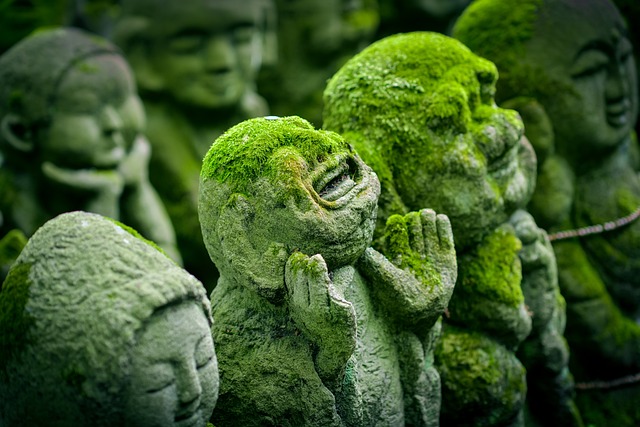
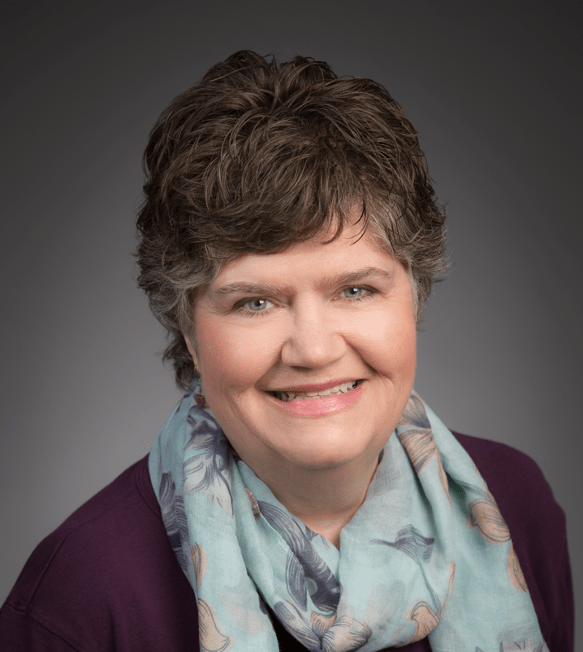

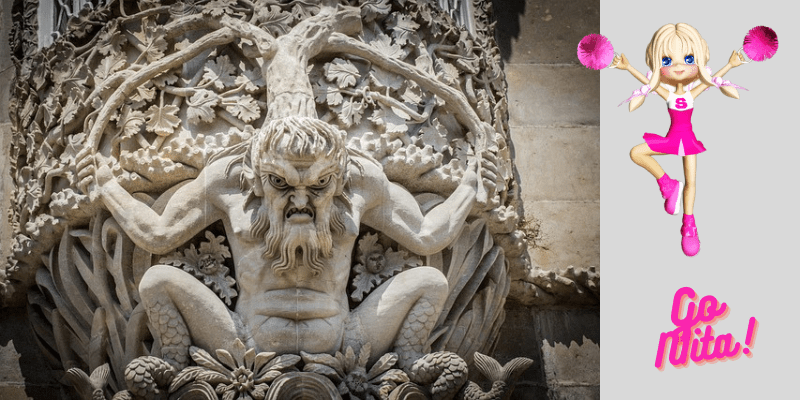
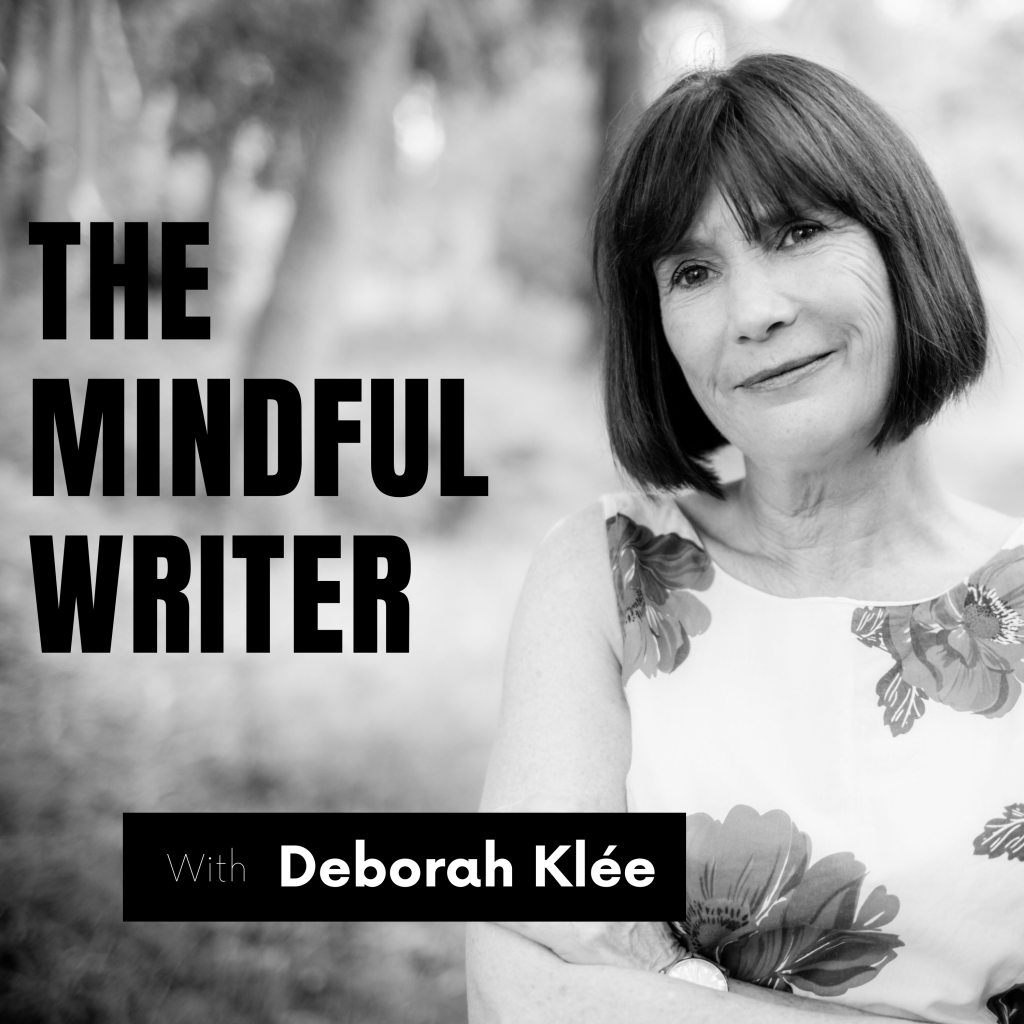


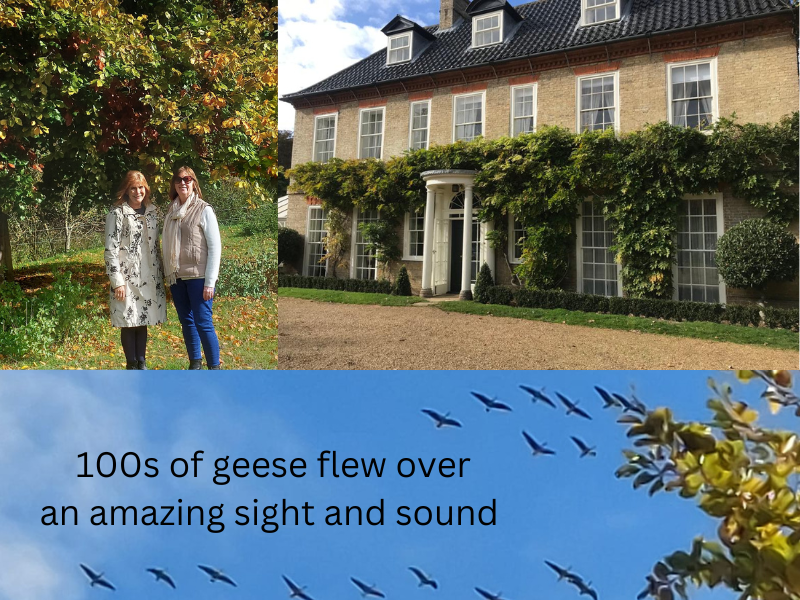



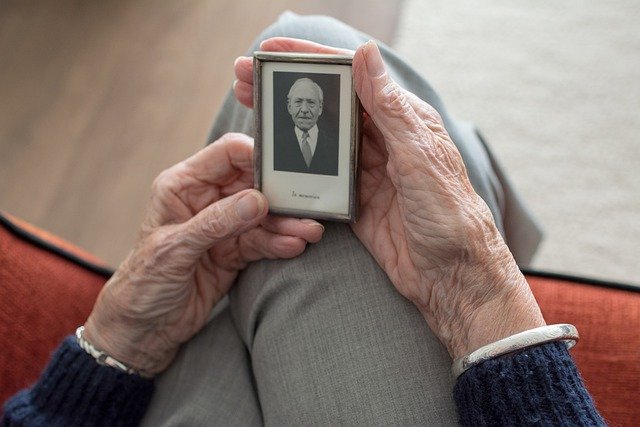




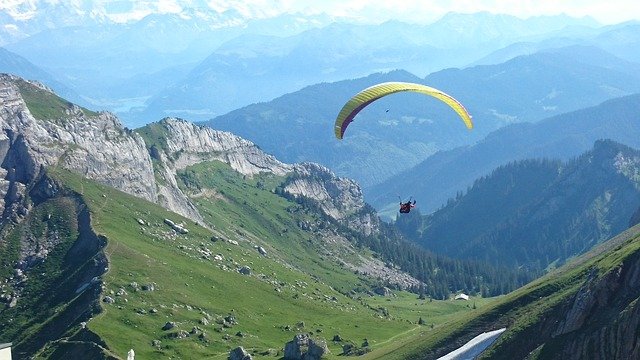














 Deborah Klee