In this episode of The Mindful Writer, Sandell Morse tells me about her journey back to herself and why it is never too late to pursue our dreams. Before I introduce Sandell, let me update you on my writing journey.
I am making steady progress with my WIP, a dual timeline story set in 1940s war years and 1964, north Yorkshire. My 1964 protagonist travelled in to Harrogate to buy a pink gingham dress similar to a popular one sold in Biba that year. I wanted to know where young people would have shopped for fashionable clothes in 1964, Harrogate, so I sent a message to the Harrogate, Past, Present, and Future Facebook group.
Within one minute I received a response, followed by many more. 138 comments to date. I loved the recollections that people shared: glass fronted wooden counters and drawers from which items were carefully removed by assistants wearing gloves, then displayed over the counter for inspection; the discussions about which shops were there in 1964 and which ones came later. We all love to reminisce and share memories about our community. History is preserved through these stories handed down through generations.
So, my heartfelt thanks to the Harrogate, Past, Present, and Future Facebook group for their generosity in sharing their memories, and for their support in my research of this novel.
Memoirs are a powerful form of story-telling. They give us a glimpse into another life, another time, another culture. They enable the writer to reflect and make sense of life experiences, sometimes finding new meaning.
This is a great lead in to this week’s guest, Sandell Morse, prize-winning author of a fascinating memoir. So let me introduce you.
I was humbled to interview Sandell Morse. This prize-winning author’s journey is remarkable. At 81 Sandell’s first book The Spiral Shell: A French Village Reveals Its Secrets of Jewish Resistance in World War II, was published, receiving much critical acclaim – a silver medalist in the 2020 Sarton Women’s Book Awards for Memoir and a finalist for the 2021 New Hampshire Literary Award for Nonfiction.
The Spiral Shell is a double journey, one outward in which Sandell uncovers long-silenced stories of courage and resistance in a village in Southwest France, and one inward as she unexpectantly finds herself on a journey back to her own Jewish identity.
I asked Sandell what inspired her to write this memoir and how the story developed as she researched Jewish resistance in WW11.
Sandell started writing when she was middle-aged. First fiction, and then non-fiction. She had a residency at Moulin à Nef, a retreat owned and operated by the Virginia Centre for the Creative Arts https://www.vcca.com/ in Auvillar, France. Auvillar is on the Campo de Santiago, a pilgrimage walk, which means that it is also on a Crusaders Route and that got Sandell thinking about Jews both in the Middle Ages and during World War II.
She chatted to a rabbi about her interest and he suggested she meet a friend of his. Initially, Sandell had no intention of writing a book. Her plan had been to write a series of essays. The connection made through the rabbi, led Sandell to a French woman who was a Jewish scholar and a journalist. She became Sandell’s translator. Another connection led Sandell to the discovery of a nine-year-old resistance courier who had lived in the village with his family. He shared Sandell’s maiden name and so it intrigued her to discover more.
It was like following a trail of breadcrumbs, Sandell said.
I commented on how life was sometimes like that, leading us along a path that we had not expected. It sounds as though everything fell into place for you; I said.
‘It was not so much falling into place as being present in the moment.’
She went on to say; I was 71 when this all began. I had raised my family, and I had been writing for many years, but I had not travelled alone.
‘I had the opportunity to be the person I wanted to be. Just me.’
I returned to the same village in France, many times. I was introduced to Germaine Poliakov, a 92-year-old-woman who had been a caretaker in a secret house in another village not far from where I stayed. We became very close.
I was interested in Sandell’s observation that now that she no longer had responsibilities as a parent she could be herself. I have spent much of my life being a wife, and a mother. When I try to find my true self, I think back to the person I was before I took on these roles. I wondered whether Sandell had found freedom in this, later in life.
‘Yes’, she said. ‘That is what I experienced.’
I quoted back to Sandell her epiphany as she described it in a press release:
‘I wanted my French friends to acknowledge their heritage and history. But what was I thinking? They were holding a mirror to my face. This was what I wanted to do, stand tall and say to the world, I am a Jew. No more childish games. No more now you see me, now you don’t. No more being a Jew only inside the comfortable world of other Jews.’
I asked Sandell how writing her memoir changed her perception of herself and her community.
‘That was huge,’ she says. I was the daughter of a German/Jewish American father whose family came over to the States in the mid-1800s, and an Eastern European orthodox family on my mother’s side. My father’s main goal was assimilation. Assimilation is when a minority group take on as many characteristics of the majority group as they can. But the irony is, you can never belong, because however much you try – you won’t be us.
I had blue eyes and fair hair so it was easy for me to assimilate. I celebrated Christmas, a wreath on my door, etc. Then, when I was studying for a Master of Arts in literary studies, I took an interdisciplinary class about dealing with the past, led by a Holocaust scholar and and an English scholar.
I did a lot of reading and research and I realised that assimilation was a kind of erasure of a culture and people and that was Hitler’s goal. I didn’t want to contribute to that and so I started going to synagogue and learning more about my Jewish identity.
When I was interviewing, Germaine, she was also a very assimilated French/German Jew– in France there is a lot of hidden antisemitism – Germaine told me about her experience when she went to a concert. A friend whispered to her, ‘That conductor. He is Jewish.’ She observed her friend would not have mentioned anything had the conductor been Christian.
Sandell asked Germaine, if she then told her friend that she too was Jewish. Germaine said, ‘You can’t do that here.’
I asked Sandell how long it took her to internalise her new understanding and then change her behaviour.
It’s ongoing, Sandell says. As a Jewish person I grew up as a minority where the majority were Christians. The way Christians understand being Jewish is from their interpretation of the bible – Old Testament. Jewish people read the Hebrew bible before it was translated.
This interested me as I have long felt that religion, particularly Christianity is based on scriptures written thousands of years ago and interpreted by man. I expressed my belief that religion unlike spirituality is manmade and can be about power. Religions can set people against each other. In my view, there is one God but many ways in which to worship as we all come from different backgrounds and cultures. I would love to study theology so that I could identify the common truths that run through all religions.
Sandell agreed with me that religions have more that unites them than divides them. However, we did not entirely agree on the importance of rituals. I explained that I no longer went to church as I found the rituals imposed on me distracting and as a result I felt further from God. When I meditate, I experience a deeper connection.
Sandell’s view is ritual takes us to past, present, and future within a framework. That Judaism gives us the freedom to create our own rituals. She went on to say that she doesn’t believe in God, but in spirituality and mysticism. In Judaism, there is no hierarchy. No head of church. Every synagogue is a small community.
I asked Sandell how her attitude to ageing had influenced what she had achieved in her life.
I have come to accept that you cannot deny your body is ageing. My mother-in-law was a wise-women. She told me,
‘You don’t give things up – they give you up.’
I thought, I am not going to give anything up until I really have to. So, I just keep going. I am a hiker, and a skier. Just keep going until you can’t.
I asked, ‘Do you think fear can stop us from carrying on doing things?’
Absolutely. People say to me, are you afraid you might break something? If I was, then I wouldn’t be able to ski properly because I would tense up. I just have to take the risk and accept the consequences. Sandell skis with a group of older people. One of the group broke her shoulder but now she’s back skiing. A man in his 90s still skis with them.
We laughed about the transition from ‘falling over’ when you are under 60 to ‘having a fall’ when you get older. The shift in perception of how others see you.
Sandell said that publishing her recent book gave her renewed energy as she had to learn social media and how to market when her book was published during the pandemic.
I asked for her words of advice to her younger self.
Sandell told me a wonderful story about how when she was 3-years-old she would stand on the porch and watch children pass by on their way to school. One day, unknown to her parents she followed the children to school and took herself to kindergarten. When her parents found her, the teacher said that Sandell could stay in the class as she was no trouble. So, she continued to attend kindergarten until she was old enough to start. When her mother tried to enrol her, the teacher said, ‘You can’t put that child back into kindergarten she will be nothing but trouble. You’d better get her tested.’
When Sandell was tested, she was asked to colour a picture of a cow purple. She responded, ‘I’ve never seen a purple cow.’ So, Sandell was enrolled in first grade instead of starting Kindergarten.
Her reply to my question, ‘What advice would you give your younger self?’ ‘None because I don’t think my younger self would have listened to anything I said.’
I asked, what advice would you give listeners who think it is too late to pursue their dreams?
As long as you are breathing and able to; give it one hundred percent. Sandell teaches creative writing workshops to people who have started writing in their seventies. When you get older, she says, life slows down and you reflect more than you did. Stories come out and you want to write them down.
Sandell is going to be my role model for ageing. Whenever I question if I am too old to try something new, I will tell myself, Sandell Morse is still skiing at 83.
When we finished recording this interview, I expressed concern to Sandell that maybe I had revealed too much of myself, my spiritual and religious beliefs. I am always careful to be inclusive as I do not want to alienate listeners who have differing views. I thought I might need to edit the chat but when I listened again, I decided that it was okay to share my personal beliefs. They feel deeply personal and exposing myself in this way made me feel vulnerable.
I think that this is true for all creatives when we express ourselves through our art. It takes courage to be authentic. To dig deep. In writing her memoir, Sandell has shared a transformation of self. When we read other people’s truths it helps us to examine our own. I am grateful to Sandell for inspiring me with her honesty, courage, and her positive attitude to ageing.
I hope you are now convinced that it is never too late to pursue your dreams, whatever they might be – maybe you will write a memoir?
In this episode of the Mindful Writer, author Kim Nash, shares her secrets to success, but before we learn how to make our dreams come true, let me update you on my writing journey.
After the successful launch of The Forever Cruise in December, I am hunkering down to work on my fifth book set in Yorkshire. My plan is to complete a first draft before I go away for a month cruising the Caribbean and then cross Atlantic to the Greek islands. My plan is to leave this draft with beta-readers whilst I enjoy a break and fill my creative well with fresh story ideas. On my return, I will prepare The Last Act for publication in July. Then back to my Yorkshire novel. A busy but exciting year ahead. I’m really looking forward to the cruise.
It’s great starting the new year with plans and goals. There is a lot that we have no control over and life will always throw unexpected challenges. My guest this week explains how she turned her dreams into a reality and shares many words of wisdom on dealing with life’s curve balls.
So, let me introduce you.
Kim Nash is the author of uplifting, funny, heartwarming, romantic, feel-good fiction. Kim is Digital Publicity Director for publisher Bookouture (a division of Hachette UK) and is a book blogger at www.kimthebookworm.co.uk.
In this episode, Kim tells me:
How she turned her dreams and wishes into a reality.
Kim, you have a remarkable history of achievement. A love of reading inspired you to start a blog reviewing books, Kim the Bookworm. Your outgoing personality and can-do attitude led to you securing a position at Bookoutre (digital publisher) where you are now Head of Publicity and social media manager. In 2019 your debut Amazing Grace was published by Hera followed by another three books in quick succession. As I said, a considerable achievement.
How have you turned your dreams and wishes into reality?
Kim’s journey started with book blogging. She read a book by Milly Johnson, A Spring Affair. It was about a woman who cleared clutter from her home and discovered it was her life that needed to be decluttered. At the time of reading this book, Kim was experiencing challenges in her own life. The book helped her gain a different perspective. At the end of the story, the author invited readers to contact her to give feedback. Kim wrote to say what the book meant to her and was astounded to receive a reply hours later. Milly wrote, ‘You lady are the reason that I write.’
Kim and I talked about the joy of receiving feedback from readers. Kim says:
‘The best thing about being an author is when a person you have never met chooses your book out of all the books available to them and it helps them through a situation or takes them away from their normal life.’
We agreed that if you touch one other person, you have achieved something incredible as a writer.
‘Comparison is the thief of joy,’ is one of Kim’s favourite mantras. For her, success is not the number of books she has sold but the number of times she receives messages of this kind from readers.
It was Milly Johnson who encouraged Kim to set up a book blog. Having had one important exchange with Milly, Kim contacted her again and asked her if, as an author, she felt a book blog would be useful. At that time, there were few book bloggers. Once again, Milly inspired Kim with confidence and she started her book blog – Kim the Bookworm.
Kim’s work as a book blogger took her into the publishing world, as she became known to authors and publishers. She was invited to launch parties and other events where she networked. One day a publicist at Bookoutre contacted Kim to ask if she would review a book. In her response, which was yes, Kim asked a question: ‘If you know of anyone in publishing who would like to employ an enthusiastic book lover, let me know.’
As a result, Kim was offered a job with Bookoutre. She had years of experience in PR and marketing as well as her love for books and reputation as a book blogger. It was an opportunity that brought together all the things that she loved.
I asked Kim what advice she would give based on this experience of seeing her dreams materialise.
‘Be brave enough to put yourself forward. Recognise what you need to do to make things happen. You can’t become an author without first writing a book.’
Always ask yourself what you need to know. For example, when will a decision be made? Be direct and ask the question.
Being an author can make you feel anxious, so don’t be afraid to ask the questions when you need an answer. Being an author is a massive emotional roller-coaster. Kim says: At Bookoutre we always try to get back to authors so that we do not increase their anxiety. It seems to be accepted in this industry that it’s okay not to get back to people, but it is not acceptable. Agents and publishers don’t get back to people. In any business other than publishing, it would be different.
I agreed. ‘Don’t hand over responsibility and control for your happiness to the industry or anyone. And don’t attach yourself to one particular outcome.’
Kim talked about having a can-do attitude. In response to the lack of literary cultural events in the area where she lives, Kim set up a local book festival with fellow author Phillipa Ashley. Her message is: If you want something to happen, then make it happen yourself. Another example is the book club she set up nine years ago.
If there are things you would like to happen – write them down.
Then write what you need to do to make them happen.
Finally, be brave. Step outside of your comfort zone and do it.
I asked Kim how she looked after her health and well-being given her busy life. I use a colour coded planner, Kim explains. The colour coding shows her the activities that are taking most of her time. When cleaning the oven takes priority over writing, she knows that she is procrastinating.
Kim loves nature. She takes her dog for walks, enjoying sunsets and sunrises, walks in the forest or by water. Sometimes she just needs to sit in front of the TV and binge watch a favourite series. Time with family and friends – laughing. These activities help her relax and unwind.
Kim is an inspiration to me and one of my role models.
I love her can-do attitude. Sometimes we may look at another person’s journeys comparing it to our own and we make excuses: that person has more opportunities, more money, more time. That might all be true. Their journey is different and we gain nothing by comparing. But we can learn from another person. How have they achieved success? Determination? Resilience? Persistence? Putting themselves forward as Kim did? Self-belief? What can you take control of in your life right now? What do you want to happen in your life and what do you need to do to make it happen?
I wish you the very best for 2023. The Mindful Writer Podcast will be back on 8th February with guest, Sandell Morse who explains how her journey to a French village uncovered long silenced stories of courage and resistance, and her unexpected inward journey back to her Jewish identity. Subscribe now so that you don’t miss this fascinating episode.
So, until next time: Take care of your beautiful self and trust the journey.
In this fourth episode of season 2 The Mindful Writer, Leah Bailey, talks about the power of words and explores how they can change our perspective.
Before I introduce you, let me update you on my writing journey. Publication day for The Forever Cruise gets closer, and I experience as many highs and lows as a cruise ship on a choppy sea. The paperback is already out, as I wanted to be sure I had copies in time for the launch party on 1st December – which is the day the eBook goes live.
Highs – I’ve had some wonderful reviews from readers who ordered the paperback, and advanced readers who received a copy of the eBook in exchange for an honest review.
Lows – I noticed some typos in the paperback and had to correct and re-order for the launch party. What have I learnt from this? I have reviewed my proofing process so that there is less chance this will happen again. Having beaten myself up for not being perfect, I have reflected and concluded that it is okay – we learn from our mistakes. I’ve been charging ahead at a million miles an hour, wearing myself out, and making mistakes. I set high standards for myself, and so, when I fail to meet them, I am tough on myself. I am learning to be kinder to me. To slow down. And to be grateful for where I am now on my writing journey.
I am looking forward to celebrating the publication of The Forever Cruise with my wonderful readers, friends, and family. It is with their support and friendship that I have been able to write and publish this book.
Sometimes we are so focused on what we have not achieved that we forget to cherish where we are now.
My guest this week, lives very much in the moment. I found her interview fascinating. So, let me introduce you.
Leah Bailey is a poet, and teacher of English language and literature. In this episode, Leah explains how we use language to:
Connect with other people
Make sense of our world
Express how we are feeling
Process thoughts, and emotions.
Leah also shares some practical exercises to write for wellbeing and reads two beautiful poems.
Leah Bailey
Deborah: Hi Leah, I am really pleased to welcome you to the mindful writer podcast. So, before you introduce yourself, and I shall do a bit of an introduction for you, I should just say you are recovering from the cat knocking over your mug of coffee.
Leah: Yes. Two of my key things for my sanity is my cats and my coffee. But unfortunately, they do sometimes collide.
Deborah: So welcome. Leah, you are a poet, with three collections of your poems now published, including the most recent, Coffee and Paper Cuts. I love the title of that one. The English language is your passion, and one that you share with others, both as a poet, and a teacher of English language and literature. So, let’s start with why you think it’s important to use the written word to communicate our thoughts and feelings.
Leah: I think that language is how we approach the world. It’s how we think; it’s how we communicate. And so, to be able to understand ourselves, using language, through reflection, and then to be able to communicate our understanding to someone else, connects us to other people: whether the language is our own, or someone else’s.
I did some travelling recently. And so, you know, when you’re in a country where you don’t speak the language, you have to communicate. And so, you find the words – you find the sentences – you find the capacity, using everything you have to get something across. That is quite important and valuable.
But language, and the words that we choose to use, can be both helpful and harmful.
And so having the right ones, and communicating what we actually want to say, instead of what we think we want to say. Miscommunication, can cause huge problems in terms of language. So, knowing and understanding the right words to use to communicate what you actually mean is vitally important for anybody: adults, teenagers, students, and teachers alike.
Deborah: And that is a skill, isn’t it? I remember my aunt years ago – I overheard a conversation; she was talking to my mum. And she said, ‘Oh, my husband gets so crossed with me, because he says, when we have arguments, you always win because you know, the right things to say, and I don’t have the language or I can’t express myself like you do.’ So, he felt powerless compared to her.
Sometimes there’s a bit of an imbalance or an inequality, when somebody hasn’t had an education, or they can’t express themselves so well, to actually be heard. So, I wondered how teaching language and working with students, adults and children, and young people, how you can help people to express their emotions.
Leah: Well, it’s important to try and get them to think for themselves, and not just parrot other language that they’ve heard. One of the most important parts of my job is not telling them what to think. Because obviously, that would be me imposing my ideas on them. My language, my words. It’s trying to get them to understand their own responses and their own thoughts, and put those thoughts into words, because all too often, they are just repeating something that they’ve heard in the playground, or just repeating something that they have heard in the classroom, or out in society, or on TV. So, the concept, you know, the concept of trying to get them to express themselves, but making sure that it’s them. Making sure that it’s their own thoughts, and not just the thoughts of someone else that they are copying because they think that that’s in fashion. So, the thing I suggest to all my students is to read as much as possible. It doesn’t have to be classics or poetry or, or even something beyond the fashion magazine. But any reading at all.
Any reading at all exposes you to more ideas. And the more ideas you have, the easier it is to express your own ideas.
Watching how a great writer does it, or how someone you admire does it, helps you do it better yourself. So, finding language – finding language to be able to suit your own ideas, is vital to being able to argue for yourself, being able to defend yourself, or support yourself.
And all too often people use it to manipulate others just because they’re better at it. So, you know, we know that language has a double-edged sword. It can be used for great, good things: persuading people to step up and do the right thing. And unfortunately, persuading people to engage in horrible things. So, you know, using the power of words is a dangerous tool, but is vital to be able to use yourself.
Deborah: As you said, at the beginning of your response, words can be used for good or for bad, and they can influence. They’re very powerful.
What about using language to help you understand your feelings, your emotions, and to understand yourself, when you’re in a dark place? How can writing help you to make sense of your world?
Leah: Well, writing for me has always been a kind of therapeutic use – a therapeutic effect. My process for writing is – usually when something occurs to me, or I have an emotion, or a feeling that’s happening, that is intense, especially whether that’s intensely good or intensely bad. But those intense feelings you have inside. My process for writing is to usually write down a single word, or phrase or something that I see in front of me. And that’s where I start. And then I write it by hand, and I just kind of splurge. I don’t worry too much about the technical things. And then when I take the handwritten and type it up, I can start to shape and develop it.
And for me, especially when it is negative, it’s taking it outside of my head, and putting it onto the page, so that I can look at it and observe it, and deal with it outside of myself.
So, whether your type of writing is poetry, or prose, or any kind of thing, it’s taking the feelings and trying to find the right words. And then shaping them, and dealing with them, and developing them outside of yourself on the page that I find the most helpful, because then it’s not in a tangle inside your brain. It’s in a defined – it’s online. It’s you know, in letters and words, and punctuation marks, and you can you can deal with it. And then when you have dealt with it, or when you’re satisfied that you understand it, you can shut the book and put it aside.
Deborah: That’s a really good way of describing it. It’s almost as if you can have a conversation with yourself, because you can get it out. And then, as you say, look at it objectively with fresh eyes. And it’s almost like a dialogue between you and your inner thoughts. Excellent.
Leah: Hmm. Wrestling with it.
Deborah: We were talking in another conversation we’ve had outside of this, about when a person is in dark place – a person experiencing depression. And they may not understand. How do they understand what’s going on? And how can loved-ones help – understand what’s going on? Because trying to give voice, or to be heard, or to explain – can words help with that?
Leah: Well, you know, obviously, in that previous conversation we had, you know, I deal with a lot of people who have different types of mental health issues. I myself, have dealt with episodic depression. So, it’s part of that kind of word tangle I said was in my head.
A lot of times people don’t, who have not experienced any mental health problems, will not understand the experience of it.
So, if you are able to somehow put it into words, that gets them closer to being able to understand the experience of it. But likewise, one of the main problems with things like depression is that there isn’t a reason. Loved ones and people that we are in relationships with, and friendships with, they desperately want to help. But it’s difficult to communicate reasons for something feeling the way it does, when there isn’t a reason. Because a lot of the difficulties with mental health, is that they’re irrational. They are just parts of our brain that are making us feel, and do, and say, things that we wouldn’t necessarily want to if we didn’t feel the way we do. That there’s no source. There’s no reason for it happening. And if you have experienced that, it’s difficult to communicate to someone else that there isn’t a reason. That you just feel the way you do. And so, using writing and using poetry to kind of communicate that helps someone else understand it.
One of the main purposes for all of my writing is to share experience good and bad: emotions, events, experiences.
To try and connect with someone who might not be good with words, as you said, someone who struggles with knowing words or knowing what to say, it’s helping that person say, ‘Yes, that – that’s what I feel. I’m not alone, thank God. I’m not the only one. Or someone who has never had that experience, to kind of feel it, however briefly, while reading the poem. And think, ‘Oh, my gosh, that’s incredible how that feels.’ or ‘That’s horrible. I wish I could help someone who feels that way.’ So that the concept of shared experience with writing makes it resonate.
I can’t tell you, there’s any number of poems that I’ve talked to with people that I know have read them. Then like that, you know, that made me cry, or that made me laugh, or I saw myself in that. And it’s not that I have anything necessarily special about putting those particular poems out there.
It is just, from my experience, from my observation, from my reflection, trapped in words and stuck on the page, and shared with someone else. Not just as a relief to me, so that it’s outside me and I can deal with it, but so that they themselves can see it, and know that they are not the only one feeling it and, and have a way of expressing it themselves.
Deborah: I’m glad you said that, because that’s really powerful. And especially to people who might be listening, who live with loved ones who go through depression. I hear so many people say, ‘I don’t know what to say. I don’t know how to help them.’ So that’s really helpful.
Leah: It’s important, you know, when you read these poems, or you read these experiences, or when you listen to people who have experienced it – putting it into words; it’s not about necessarily actively doing something. Just like there isn’t an act of reason that necessarily starts it; there’s not necessarily one trick, or one thing that you can do to help that person other than not give up on them.
You know, we people who experience depression, have a tendency to push people away and to isolate themselves, either because they feel like they deserve it, or because they don’t want to burden their loved ones in their relationship. They see someone trying to help them, and trying to help them, and trying to help them, and they feel like a burden. That you know, their completely irrational feeling is harming someone that they care about.
And so, the important thing with a loved one who’s experiencing mental health is simply the effort of trying to understand and not giving up on, you know, that continuing process, as they try to understand themselves, you work with them on that – you go on that trip with them. So that you both learn kind of together and deal with it.
You know, it’s something that I’m quite passionate about – trying to help the students and adults that I work with to be healthy in themselves. With that wellbeing in trying to explore those thoughts and emotions: positive and negative, that come from, from everyday experience.
Deborah: Thank you. And that leads me to my next question about your writing for wellbeing workshops. You work with adults, and you work with young people. So how does that work? How might somebody who doesn’t consider themselves to be a writer – they’re not going to write a novel, a story, or a poem – but they want to use writing to help them get in touch with their thoughts and feelings? How would they go about that?
Leah: Okay, well, that’s like a two-part answer. And the first one, and the reason I started the workshop, is because we have responsibilities all the time. We have emails to write and reports. And in this – in the academic context – were where I live, essentially, we have to write essays and we have to write stories. And even when we’re writing poetry and creative writing, it’s for a grade or it’s for a parental report, or it’s for an office email. And it doesn’t matter what job you’re in, a lot of the communication that we have to do day to day is our responsibility. And I started the writing for wellbeing workshop simply as an outlet and a one-hour a week outlet for people to just write for fun. To just write whatever’s in their mind, just for the sake of doing it, not for any other purpose, or any other responsibility.
Just to enjoy going through the attic, of their mind and kind of getting it out there without actually having to produce anything, or be anything other than what they want.
So, when I start the workshop, I’ll give you the other answer, which is: I provide stimulus. And so, if you don’t consider yourself a writer, that’s fine, you don’t have to be. The idea of writing for wellbeing is starting with something small.
I have writing prompts that I provide. For me, I have them on my Instagram, once a week. But when I come to the workshop, I have maybe lists of them, and I put them out and people can choose a particular prompt. Or there are tonnes of books that contain writing exercises that you can do. I use one called The Five-Minute writer, which is great, it has like 50 different five-minute exercises. The exercises or the writing prompts are just a start. It’s whatever comes to you from that.
There are ways of doing it using abstract nouns or random words. Like you can almost literally cut up a dictionary, and pick out a word. And then whatever comes to you from that word, that’s what you write about. Fiction, nonfiction, poetry, whatever. And then it doesn’t have to be 100,000 words, it can be 10, or it can be two sides of A4, or it can be whatever it needs to be. But the idea is to just kind of go with it. Whatever Association you have. We hear it all the time; people hear a song on the radio and it reminds them of a memory. Or they hear a certain phrase or quote from the film or TV show that they’ve seen, and it reminds them of something else, or the moment. So, that’s the kind of thing we’re talking about. You start with a writing prompt, or a word or an idea, and whatever is associated with that, that’s where you start developing it.
The next step obviously, could be a picture. When we take photographs, we don’t take photographs of everything and anything. I mean, you know, I do, because I’m weird. But I mean like observation of what’s around you – what’s important. So, when you are thinking about taking a picture, you kind of frame it. You look at it; you get the right angle; you get the right content in the photograph; it’s the same with writing. There’s information around us all the time – stimulation. I’m sitting in a room with the fan going. I can hear the buzzing of the fan. My cat is sneaking around under the bed waiting to destroy another coffee cup. The light outside is a particular threatening to rain kind of look. And I’m in just one moment here, feeling those things: temperature wise, topical wise. It doesn’t have to be a great metaphor of our time. It can just be what your senses feel around you.
Same with a photograph. When you take a photograph, it’s because you want to remember it. The whatever,that is in the photograph, is something that you want to remember. So, you can look at the photograph and do that same sort of sensory input. What temperature was it? What was the weather like? What were you feeling that made you want to take the photograph? Why do you want to remember it? Why is it important to you? Has that memory changed since you took the photograph? Does the feeling change since you took the photograph? So, all of those observational skills of what’s coming at us all the time is fodder for writing. You’ve got to do it. It’s being aware of what’s around you, and then putting it into words. And that’s just the external stuff. Once you start to develop that you can reflect on it, and turn it on the inside of what that stimulus on the outside does to your brain.
Deborah: And how does it help with health and wellbeing?
Leah: Being aware of what affects you is extremely important. Whether that’s noticing that every time it rains, you get a certain feeling. Or if you have a favourite coat, or a favourite bag, or every time you wear a certain shirt it reminds you of a certain person, or a certain day when you wore it before.
So, that awareness of what stimulates those feelings is extremely healthy because then you can start to pick and choose what makes you feel good.
And what makes you feel more yourself; what makes you feel your best self, and start to discard or minimise the things that don’t make you feel good, or don’t make you feel yourself. So, by extending our awareness, and for our observational skills in order to write about them, you start to notice things you might not have noticed before. And in noticing them decide whether they are beneficial or healthy, or includes your wellbeing. If you know that a particular – if you start to write about a particular voice, or a particular stimulus outside of yourself, that is not very healthy, not very helpful you can start to minimise it, or avoid it, or detract from it, to improve your wellbeing. And then, over time, the observation – the more you observe, the more you understand, the easier it is for you to decide what you keep inside yourself.
Deborah: Excellent. I think in addition to getting a greater self-awareness through writing, the relaxation of writing – going to a quiet still place, it’s quite meditative, isn’t it?
Leah: Yes, I do write in quiet places. Sometimes I do find that nice, quiet still place. When we have the workshop, it’s usually after school in a quiet classroom. We don’t always interact. I give out the stimulus, which they’re free to ignore. And then they just write and then people share, but they don’t have to share to get feedback. So, that nice quiet space.
I also write in the noisy bar, because that’s very stimulus heavy as well. So, I think both. I’ve met loads of writers and they all say they all have their place where they go writing. So, I think that it can be just as fun in a noisy bar as it can be a quiet classroom.
Deborah: But it’s the going there. In fact, that leads well into the poem that I hope you’re going to read. Because in this poem, when you wrote it, you were in a public place but you went very much inward to write it. So, it’s a good example. I shall let you introduce it.
Leah: Okay, so this is from my first book between Hindsight and Foresight, which is best of all the poetry I’d written from the time I was 14 Until I was 38. So, it spans a whole wide range of feelings and emotions and experiences in one volume.
This particular poem was written the first time I lived on my own – basically in my entire life. I’d never lived on my own, it was family or partners or uni. But this was the first time I’d lived on my own and I decided to go out to dinner, even though I was on my own. And so, the poem follows that process and it’s one it’s one of my favourites to use as an example because it was a sneaky poem. I thought it was going to be about one thing, and it turned out to be about something completely different.
Deborah: Lovely. It gives me shivers. It is beautiful. Tell us about what you thought it was going to be about, and what it ended up being about.
Leah: Well, this happened obviously, like I said, when I was living alone for the first time, but it was like a really dramatic change in my life. I’d never lived on my own. And so, it became,
it became … I thought it was going to be an exploration of me being lonely. And you know, how it felt to be lonely, or how it felt to be on my own for the first time. And
instead, it turned into kind of a – almost a mantra of realisation that just because I was alone, didn’t necessarily mean that I had to feel lonely. That I could still enjoy the twilight. I could enjoy a night out. I could, you know, just listen to the quiet, and the echoes, and the reflection, and have it not be negative, to be on my own.
So I started the poem thinking that it was going to be an exploration of how I felt being so lonely. And it turned out to be like, well, no, you’re alone – not the same. And it was very sneaky. Poems – ideas are not always in the charge of the writer. Sometimes they take over. And they’re like, No, no, this is this is what you want to write about. This is what you’re thinking; not what you thought that was.
Deborah: What it says to me, is that you’d gone out with one feeling – feeling like, I’m going to this restaurant on my own; I’m going to feel lonely. And this is what I mean about the process of the writing, because you were very much in the moment. You were picking up all the sensory cues around you, as you wrote them down. You were very much in the moment, and that enabled you to go inward. And as you went inward, you found that sense of inner peace, and the reassurance within that this is okay. So that’s where I think that writing can be quite meditative, and help you connect with your inner self.
Leah: Yes.
Deborah: It demonstrates this beautifully.
Leah: Yes, and as we were saying in another conversation about when we are in relationships.
When we are with other people – family, or partners, or friends – we change. We have different facets of ourselves, and we become that person that they relate to.
But when we’re on our own, the only person we have to relate to is ourselves. And so, the mirrors, the bouncing off of who we actually are, and how we actually are and how well we are or, our wellbeing, or how we are feeling. We have nothing to bounce off of when we’re by ourselves.
And so, within relationships: that is who we are. And it’s not always bad to be the person within the relationship. But our identity separate from our relationships, is also important to explore, which is where that kind of went. Define Alone is how I relate to myself when there’s only me there.
Deborah: I find that interesting, because I’ve been married to my husband for 38 years; I’ve been a mother for 33 years; and sometimes when I’m meditating, I just I just go back to who I was, before I was a mother, before I was a wife, to connect with my younger self. Because sometimes I feel that I can see myself so much through their eyes and their impressions of me.
When you’ve got a partner of many, many years, you kind of partly absorb part of them, as you do with your parents. Since my mother died, I can hear her voice in my head all the time with her views on things. I think all your loved ones – you get all of their noises in your head. And sometimes, finding that quiet still place that is you, is quite hard. Because you love them all, and your relationships with them are important, but there’s also a part of you that is uniquely you. And we lose sight of that sometimes, don’t we?
Leah: Sometimes, and it’s important to get back to it. And that is another benefit for the wellbeing of the writing, because
if you do write over time, you can then revisit that writing and remind yourself of a good thing. Or you can remind yourself of a negative experience you had and realise how strong you are to have overcome it when you’ve when you’ve gone past it.
So, by pinning it to the page, you’re not just dealing with it at the time for your wellbeing. But also, later on when you go back and you look at these things and you remember those pleasant experiences, and you relive those pleasant experiences, and you relive the darker ones realising how strong you are to have gotten past. And it’s like, you know, so it puts everything in perspective if you can look at it over time. So, it helps you at the time, and it helps you later to revisit it.
Deborah: That’s great. I’m going to ask you to read another poem, but this time, I would like you to read a poem that has influenced you. Because you were saying that sometimes you read a poem, which means that you don’t feel so alone. So, I’m interested in the receiving of poetry and hearing, as well as the … the two-way process of the words coming from you and receiving. So, I’m going to say goodbye to you in a moment but before we do that, please could you say something about receiving poetry – the other part of the two-way process?
Leah: Obviously, I read a lot because I am a teacher, and so I read constantly. My preference for reading is pre 1900 poetry and things like that. I do read some modern poetry. There’s a series published by Bloodaxe called, Staying Alive: Being Human, which is all very modern poetry written in the last one hundred years. It is very good – encompassing many, many topics. It’s good to dip into and dip out of when you need that kind of exploration.
The poem I want to read to you comes from an anthology that a friend gave me as a present when I was a teenager because she knows I love poetry. I love exploring other people’s feelings and seeing if it’s like, or unlike, my own feelings. It helps me to express. This particular poem that I’m going to read to you is by Grace Stricker Dawson. I’ve used it many times to express to other people who I feel that they have helped me, because the experience is similar. So, If I don’t have the words someone else might – kinda thing.
Deborah: Thank you Leah. I am going to say goodbye to you now, and then we will close the show with the poem you are about to read.
YOU ENTERED my life in a casual way, And saw at a glance what I needed; There were others who passed me or met me each day, But never a one of them heeded. Perhaps you were thinking of other folks more, Or chance simply seemed to decree it; I know there were many such chances before, But the others — well, they didn’t see it.
You said just the thing that I wished you would say, And you made me believe that you meant it; I held up my head in the old gallant way, And resolved you should never repent it. There are times when encouragement means such a lot, And a word is enough to convey it; There were others who could have, as easy as not — But, just the same, they didn’t say it.
There may have been someone who could have done more To help me along, though I doubt it; What I needed was cheering, and always before They had let me plod onward without it. You helped to refashion the dream of my heart, And made me turn eagerly to it; There were others who might have (I question that part) — But, after all, they didn’t do it!
A moving poem to end this episode. A reminder to be kind, and not just to others but to yourself. Would you speak to your best friend the way that you talk to yourself in your head? Our work for today – to love ourselves and to be the person described in this poem in the way that we take care of us. If you find it hard – think of the person who loves/loved you most and imagine what they would say to you. Feel their love.
So, until next time … look after your beautiful self, and trust the journey.
In this eight episode of The Mindful Writer Author and Life coach Matthew Williams tells me how he wrote himself out of what he describes as a shit place to write himself a better life story. Although Matthew hit rock bottom in his personal life he used this experience to create something amazing.
Before we launch into the interview I will update you on my writing journey.
After escaping Covid for more than two years it finally caught up with me. Like many others I picked up the virus whilst on holiday. To be precise Sherman, my husband contracted it on the last day of our holiday and I caught it from him four days later.
It is 14 days since I tested positive. One week in I tested negative and thought right – I’m fit. Back to work! I thought I had recovered 100% and wanting to make up for lost time threw myself into work and catching up on social engagements. Two days later I had an almighty migraine.
It is hard to let go of a busy agenda and resign ourself to what is. Being unwell filled me with appreciation for my usual state of good health and gratitude for the scientists who developed a vaccine and those who administered it.
We cannot control the things that happen to us only how we react to them. Matthew Williams is an incredible example of this. In this week’s podcast he tells me how he was compelled to share his story with the world so that others could journey with him from what was a very dark place.
Let me introduce you.
Matthew Williams is an author, public speaker, and life coach. In this episode he tells me:
How writing took him from a ‘shit place’ to achieving remarkable things
How you can change the story of your life by taking control of the pen.
Deborah: I’m particularly interested in exploring with you today your story, how you journeyed from what you describe as ‘a shit place,’ to where you are now as an author, speaker and coach. So welcome.
Matthew: Thank you very much for having me. It’s a pleasure to be here. And like you said, describing where my journey, my story started – it’s, yeah, it’s a long way away from there. And to have the opportunity to be sat here speaking as an author when it seemed like a million miles away. So yeah, it’s great to be here.
Deborah: Excellent. And we’re going to explore that with you because you have had a remarkable journey. But let’s just start with telling us about the significant changes in your life, which were a divorce, and struggles with mental health, which led you to becoming a published author, and an active campaigner for mental health, and setting up an online course to help others change their story.
Matthew: Yes, so my blog was where it all started really. That was, where are we now? So back in December 2015. So maybe seven years ago now. And it was a year on well, over a year on, from a marriage breakup. We’d been together 20 years, and married for nearly nine of those. And, and the year following the breakup I thought I was kind of running on adrenaline really. And again, all this is kind of, in hindsight, but once the initial kind of shock, you know, shock of what was happening – you have to start looking forward and obviously how your life is gonna be. I think then your focus is on the immediate term, and the practical things, you need to get sorted out – find somewhere to live – all of this kind of thing. I think the biggest thing for me is adjusting to the changes with my kids, my children. So, you know, from being there every day to suddenly not being there was very difficult. But like I say, I was mostly taken up with those kinds of practicalities.
I met someone and so, you know, one of the things I really found difficult was not being in that kind of family unit anymore. It was something that had always been very important to me. So, you know, I met someone and I felt that I kind of had that again. But you know, it’s such a tumultuous time. That relationship didn’t last – about 10 months. It was kind of a few months after that ended. And that was all very amicable. We were in different places, really.
It was one night in December 2015, when a lot of things kind of hit me all at once. You know, my ex-wife was kind of moving on with her life with a new partner and my ex-girlfriend was the same, and then you know, facing my first Christmas on my own and yeah, it was just a lot of things hit me all at once. I felt shit to put it mildly. It was not a nice time.
But it was really strange that I was in this hotel one evening, I was working away and I just felt compelled to write about it. And I’ve never, never done anything like that before. I mean, I’ve always been an avid reader, but I never thought that I could write. I just felt compelled to. That’s the only way I can describe it. I just knew I had to put it, put it down on paper. Type it on the screen and So I did. That evening, I just wrote how I was feeling and what I was going through at that particular time, downloaded the blogging app and published it, and so there wasn’t really a huge amount of thought, I just did it. And I had no idea what to expect.
But, you know, I got really encouraging feedback from people. I was obviously able to articulate what I was experiencing in a way that connected with people. And then, once I’d started, it just didn’t stop it. Again, I felt compelled to do this. There was loads more stuff I wanted to say. The mental health side of things – now, it was something I had already experienced twice, by this point. So, in 2006, and in 2013, I’d had some really difficult struggles with depression. And so, when my marriage ended, that was kind of at the back of my mind that obviously, I didn’t want to go back there. And same for over for over a year, I like to say, I’ve been kind of going on adrenaline or whatever, I’ve never felt any sign that I was slipping back. But at that point, it when I started writing I knew I was struggling, so it helped me really kind of process things. And so, I didn’t set out to write about mental health, you know, but I realised that it was such a big part of what formed me that I had to. It was about my third post that, I wrote about having suffered with depression. And again, that had a really big impact with people. I got opportunities to write and publish on different websites and things and yeah, I guess, I found my voice. I found what I was passionate about. It’s such an alien experience to go through, you know, a severe episode with your mental health. And to find that I could articulate this in a way that people understood and could relate to, you know, I realised it was something that I needed to use and make the most of really. As I say, I wanted to help people. And so yeah, through that I got involved in campaigning – various campaigns working for big charities. And, and that whole process led to the creation of my on-line course.
Deborah: Excellent. Let’s just stop there to unpick a few things there. Listening to you – it’s a really emotional journey. And you wrap it up as if it happened just like that. But it must have been incredibly painful time for you. And the growth, the emotional courage that you had to survive that and the growth you went through, to get from where you were to where you are now is incredible. And I just wanted to talk to you about a couple of things. One is that point where you were in a really dark place, which you describe as a shit place – which I think is a great way to describe it – from that shit place you had this sense of purpose, I need to write this down. And I just wanted to explore with you how that feeling of purpose drove you and reflecting back, what your thoughts are about the things that drive us to do what’s in our heart? What is it that leads us to do these things? And how do we listen to them and act on them? Perhaps just explore that with you a bit?
Matthew: It was a really emotional time and experience. Initially, I had a bit of an argument with my parents, my dad in particular. Back then, I was putting stuff out there that was very raw. And, you know, and they were my parents and were kind of concerned about me, a lot of people were, you know, seeing what I was writing. And what, yeah, I did, I felt driven to do. But initially, I think it was a really good way of me processing what I was going through and I, you know, my dad said, ‘Why can’t you just write about it? Why does it have to be public?’ And I really had to reflect on that because I’ve never been someone that wanted the limelight or attention. But I felt a real need to put it out there and I questioned myself about that. And what I realised was that by writing about it, I had to find a meaning for it. I had to find a purpose for it. It couldn’t just be, oh, look, I’m going through a shit time, you know. It had to mean something. And so, I had to find positives. I had to find a way of reframing it so that’s what I wanted to put out there. And this may be weird as well but I had a sense, right from the start that it was significant. When I started writing that it was a significant moment in my life, and it was going to mean something. And I just knew it. Even though I was in a really bad place, even though I’d never written anything before – I didn’t think, you know, I’m gonna be this great writer – I just had a sense that it was going to mean something. And one of the things that drove me one of the things that drove me
is that, at some level, I had this sense again – it’s not like I was consciously thinking, This is what’s going to happen. But somewhere, it was almost like, if I show myself at this real low ebb where I’m feeling vulnerable, exposed, and, and all of that kind of thing. At some point, there’s going to be a point at which to say, look, what all that led to. It was because of all that this happened. And by exposing myself in real time, it was almost like, people would see that. And people would know that yeah, you know, whatever- good does come out of it they’ve seen all the crap that happened for me to get there. That these things don’t just magically happen. There’s always a real struggle behind it. Again, not saying that, you know, I ever imagined some great pinnacle that I’d be on. But, you know, amazing things have happened.
I guess, it’s been difficult, again, isn’t that things, you know suddenly everything kind of falls in your lap. By being out there and putting yourself out there and making the connections that enables this because you’re coming from a place that is real, and people identify with that. I just felt a drive to do that.
Deborah: You’ve put that very well. And as you’re speaking it through, it sounds as if you are doing exactly what you say you do – you talk about changing your story. And as you’re talking about the process of writing down what’s happening to you with the faith that it would all turn out, okay, you’re kind of taking control of your story and writing it. But you’re doing it very publicly, which took a lot of courage to expose yourself in that way, which we’ll talk about. But you’re also sharing a narrative that other people can identify with. And you went out there doing that with a faith that it would end up okay. And it has, which is remarkable.
Matthew: Yeah, and that to be honest, that’s been one of the things that my struggles with mental health taught me. You asked about – I can’t remember exact wording, but you said something about people in a similar situation. But it wasn’t that… I’m trying to think how to put it. It’s almost that you have to strip away what’s stopping you doing it. So, again, I felt a need and a compulsion to do it. The challenge is then, do you take that step? And to me that’s about stripping away. I think a lot of people are held back from their potential because they are scared of what other people will think, or scared of failing, you know, whatever expectations people have on them and how they should live. And so, it’s more about removing the things that are stopping you. Because I think inside us, you know, that it’s there – you have to kind of uncover it and clear away the crap. It’s there in us and, and for me, it was actually my experiences with depression that helped me to do that, because it kind of freed me from fear and other people’s expectations because where it took me too and how bad it was – nothing can be worse than that nothing. And, you know, when I was in this room, and I could barely move, it didn’t matter what anyone else thought about me all that mattered was whether I could somehow find a way out of it. And at that time, I didn’t think I could, but I did. So, having got through that I wasn’t going to let what someone else thought of me stop me from living my life. Because when it comes down to it, when you’re in those places, you know, there’s no one around. There was no one who could drag me out of it but myself. And so yeah, it’s given me a great a trusting and faith that I can push through things because what I’ve already been through is, you know, nothing can be worse than that.
Deborah: And doing it once and getting that reinforcement that yes, this works. I can push through and achieve. It gives you more confidence and faith to do it again. So, you go on a positive trajectory, don’t you? It just gets better and better.
Matthew: Yes, absolutely. And it’s interesting you say that you know about fear. For me, one of the things I realised was that I think I’d always thought that I’ve been lucky. And I was constantly thinking, what if my luck runs out? But then I’m 47 now, and I’ve got enough life experience behind me to be able to trust more that things always have worked out, and not only has the crap time gone away, but something good has come out of them. So, I feel more that I can hang on to that. It’s always with me now. And that sense that at some point, my luck will run out – I don’t feel that now. I think there’s so much more at play. And a big part of it is knowing who you are and trusting your gut, your instinct and eradicating those fears and the blocks that hold you back. And yeah, I guess I trust in that a lot more now.
Deborah: In your online course Change Your Story, you work with other people to help them change their story. Can you tell us a little about that? The sorts of things that hold other people back and how you help them to tackle those obstacles just as you did?
Matthew: Yes. I’ve done a lot of work over the years. My career previously I was in sport, but I very much work with people on self-development, personal development.
And then I did the same in mental health for a while. A lot of people found it difficult to articulate their strengths, and would often underplay – downplay, their strengths and minimise them. Almost taking them for granted. Not even recognise them – you know, that’s just something they could do. And, you know, I think we’ve got this thing certainly in the UK, I think that we do that – kind of apologetic about the things that we can do well, especially if it’s something that we haven’t had to work at. But actually, there’s this focus that we identify weaknesses and try and get rid of them. I think well, one is the thing about knowing your strengths, and are you making the most of your strengths? And then that’s where, you know, you really live a kind of rich life where you’re using those strengths and can use them to help others in particular and that, is very fulfilling and rewarding. And also, reframe your weaknesses as, just characteristics, attributes. And what might be a weakness in one situation can be a strength in another. So again, it all came back for me as about being in the right story. Like you’re using the analogy of you being the leading actor in a story of your life. Well, that story needs to be the right story for you. And if it isn’t, that can cause a lot of mental distress and potentially mental illness. And so, I sum it up as like you wouldn’t put Rocky in a romcom – boxing is my kind of big thing – because it doesn’t fit the character. And that seems to resonate with people.
I think we often do drift in life and this is what happened with me, it was divorce, and mental health. It’s when things come along, that just shake you out of that and drifting along just isn’t an option anymore. Certainly, for me, clearly the mental health because you’re just not yourself anymore. I really questioned a lot of these things, who you are and what you’re doing in your life? So yeah, and I think that the analogy of a story, it puts some distance – it helps people to view their life more objectively and see things differently. We get very tied to the stories we tell ourselves. And the idea is that, well, it is just a story. And you’ve got the pen and you can rewrite it. Again, I think that’s an analogy that people can relate to. And it’s really interesting the realisations people have – little light bulb moments. You know, say I’ve done my job, when people have those lightbulb moments, but it’s true – I’ve given them a framework to look at things differently.
Deborah: I love that framework. I read somewhere, that at the end of your life, you’ll look back, and your story will all make complete sense. And being an author myself, that really resonates with me, because as writers, we put our protagonist through hell, but we know they’re going to have their happy ending. And all the little breadcrumbs we drop in our stories of things happening, that the protagonist has to pick up on to find where they’re meant to go, that happens to us in our lives. And it’s only when we can see that– just as you were able to go inwards, and pick up what it was you wanted to do, and understand who you were and what your story needed to be. And so, it’s only when we do that, we kind of pick up all the hints around us which are leading us in the right direction, if only we open our eyes, heart, ears and listen.
Matthew: Definitely. And it. Was writing that really taught me that and writing my own story. It is amazing how you recognise threads and themes in your life. And again, this is something that became part of my programme about, you know, What’s the plot of your story to date? It reveals things about how, again, how we view our life and what we’re capable of in life. And yeah, it was amazing how, again, different things, you know, seemingly disparate events suddenly form part of a bigger whole.
The quote that sums all that up for me from Steve Jobs, and it opens my book about the connecting the dots. That you can only connect the dots looking backwards. So, you’ve got to trust in something. And you’ve got to trust that those dots will connect in the future. And so, you have to have faith in something, whether it be your gut, intuition, God the Universe, wherever it is, but you have to trust that something is leading you to that. And that is so powerful to me. I think it echoes in everything that I do, really that, you know, that idea that whatever is happening, finding some sense of meaning and purpose from it and turning it into something that, again, where there’s a moment in which I yeah, that’s why that happened.
You can’t connect the dots looking forward; you can only connect them looking backward. So, you have to trust that the dots will somehow connect in your future
Steve Jobs
Deborah: There’s some wonderful insightful gems there, which I’m looking forward to sharing with listeners. I will give the Steve Jobs reference in the show notes, and a link to your on-line course Change Your Story.
Before you go, can you share with us your words of wisdom? What is the key thing – you’ve told us about sharing the story, can you put that into a mantra or something that listeners can take with them?
Matthew: Oh, the big thing for me is that we as a species, we’re storytellers. We create narratives around everything that happens in our life, who we are, our relationships to others. All of that is a story that we tell ourselves. And the question is who, who is holding the pen? And who is writing that story? Are you consciously creating the story of your life? Or are you allowing it to be written for you by other people’s expectations – by a particular person in your life, whether it be a partner, a parent, an employer? Are you handing the pen to somebody else? At any point, you can take that pen and you can create your story. And so what this is about – it’s about taking more control over the pen that writes your story. And talk about plot twists – you can’t control everything, and the last couple years have shown that more than more than most, I guess. But we can always choose how we respond to it. And again, and we can use the lessons from those changes to take a new direction, to learn new things about ourselves, to become more who we’re meant to be. And it all comes back to that. You taking control of the pen and you deciding which direction your story’s going to go in.
Deborah: Excellent. Thank you.
Matthew: That’s a bit of a long mantra that.
Deborah: No, no, you’ve said it very well. Take control in writing your own story. Perfect. Thank you, Matthew.
How has writing transformed your life? I know that I would not have gone through a journey of self discovery had I not experienced disappointment and frustration on my writing journey. I would not have started my blog or this podcast. I would not have met amazing guests from across the world or connected with you. Writing brings us so much more than the end product of a book.
I would love to hear from you. You can write to me at dkauthor@btinternet.com or leave a message here.
So, until next time … Look after your beautiful self and trust the journey.
In this fifth episode of The Mindful Writer Grace Sammon talks about the advantages of writing novels later in life, and shares her wisdom on coming back from a dark place.
Before I introduce you, let me update you on my writing journey. I have been focusing on two important lessons as a mindful writer.
The first: Know yourself. This lesson found me through another writer’s blog post (I’m sorry I cannot find the source, despite searching for the past 20 mins), and was then reinforced in a yoga session the following day. I love this synchronicity – making sure we hear the message.
Photo courtesy of Congerdesign – Pixabay
We are all unique individuals and we know ourselves better than anyone else can. So, listen to yourself, check in. This is why we should not compare our journey with others. How and when we write, what we write, what we need to thrive, our natural rhythm, our strengths and weaknesses – which can also work to our advantage. We have the greatest text book on being our best self, we just have to look inside.
And the second lesson I found through this interview with the inspirational Grace Sammon. When I felt a bit downhearted about my writing journey I did as Grace suggested and counted each and every blessing. There are so many! My writing journey has more joy than disappointment. This week’s guest, Grace Sammon, can explain this much better than me, so let me introduce her.
Grace Sammon
Grace Sammon, is an entrepreneur, educator, speaker, and author. She has written three non-fiction books and recently published her award-winning debut novel The Eves. Grace is a radio show presenter for The Story Tellers, and Launch Pad, and founder of Author Talk Network
Deborah: I’m delighted to welcome Grace Sammon to The Mindful Writer podcast. Grace is the author of The Eves, and other stories. So welcome Grace.
Grace: Good morning and thank you for having me.
Deborah: It’s a delight. Whereabouts are you in the world? And what time is it where you are?
Grace: It is 8.30 in the morning in Sarasota, Florida.
Deborah: Excellent. I am just outside London in the UK and it’s afternoon here. So, Grace, you have been traditionally, independently, and hybrid published. You’ve written fiction, and nonfiction, which you describe as very different journeys. Like me, you write book club women’s fiction. Your radio show and Podcast for Storytellers captures the experience of those who choose to leave their mark on the world through the art of story.
So, let’s start by talking about leaving our mark on the world. You had a full and varied career founding and managing four companies – two of them not for profit, before you embarked on a career as an author. So, what led you to write.
Grace: I love that words magically appear on a page and speak to our hearts in ways that touch us and stay with us. And it gets to that question that you are asking about leaving our mark on the world. I’ve always written, you know, as a small child I wrote stories about my siblings. I wrote in each of my careers. What’s different now is that, I’ve switched to the world of novels.
So, I actually have three other books that are in the field of education. But this novel is a different journey to the three other books; they focused on education and how to improve the American High School. And they were both independently published, and traditionally published. This book is really a book that I wrote for myself thinking I was done.
I was at that in-between place in life where I wasn’t a full-time mom, because I had adult children. I wasn’t working the way I had been working traveling 200 days a year and my parents – one was deceased, and one was quite elderly. I asked the question, now what? And I wanted to solve that question the way I’ve done through many parts of my life.
Some people journal. I don’t regularly journal, but I wanted to sit down and write and pose a question for what does a woman – this woman, do to transition and leave their mark on the world. And suddenly it went from a small writing project to a novel. And then so many things that I did not anticipate.
Deborah: I find the transitions in our lives very interesting. People can take them two ways. Transitions come sometimes because of age, sometimes because of circumstance, sometimes they’re welcomed, and sometimes they come uninvited and unwanted, and there’s two ways you can deal with it. You can either be completely thrown off track and go into a depression or anxiety thinking, what am I going to do with my life?
Or, as you did, you can say, now what’s next? And see it as a great opportunity. What age were you when you came to write – fifties or sixties?
Grace: Well, I started writing in my forties for my profession, but when I switched to being a novelist, I was mid-fifties, I think.
Deborah: So, 10 years. It’s funny. It’s very similar to me. I’ve always written because I was writing papers for government, and reports, domestic homicide reviews, all sorts of things I was writing, but I started writing novels seriously in my mid-fifties. I think it’s a really good time to come to write – later in life, because I think that we come with so many advantages that we didn’t have when we were younger.
And it’s interesting because I’ve read debates on social media and in, and The Guardian newspaper, there was one where an award was being given for younger writers, not older writers. Or was it the other way around? Anyway, it stimulated a lot of debate, almost as if it was a competition.
Well, of course there’s no competition. Writing should cross all divides. It’s what connects us. But I personally I find there’s lots of advantages to writing later in life. What are your views on that?
Grace: I agree with you entirely, for several reasons. First, I think we have more life experience so we can reach back to our younger selves.
We have a different perspective on the older people that we’ve met and engaged with. So, we have a broader bandwidth of experience, but also, and this is, I think very true for me; I’m much more compassionate. I’m more compassionate for myself. I’m more compassionate for the younger me. I like that, that age experience has given us the gift of maybe not being as judgemental, so we can treat our characters differently.
Not that all of our characters are lovable and certainly my characters are very flawed, but I love that we can get into them in a way I don’t think I could have. I would’ve been pretending too much.
Deborah: It’s a really good point. It’s an emotional growth, and maturity, that you have later in life that you can bring into your stories.
I think there are other practical advantages too. If we are fortunate enough to be financially secure, we don’t have that, ‘I must earn a living through my writing.’ And having the time, if you’ve got young children. I have so much admiration for writers who are managing families and work, and still finding the time to write, because I don’t know that I could have done it.
I probably couldn’t, which is why I waited until I was able to manage my time better.
Grace: Oh, I agree with you entirely on that. I am involved with so many different author networks now. And to be watching these what I consider young moms who have kids and they’re still driving to soccer and they have that pressure of still having a regular job.
I find it amazing, the passion they can bring to the work that. When I was writing my books in my educational life, it was very tailored. It was a process. Also, when I was younger, we didn’t have the opportunities and the obligations of social media.
Deborah: That’s right. But you and I both have been successful business women and still are as authors. What we bring then from our work experience is: we are confident at public speaking, at marketing, at managing our finances. The list goes on. The different things that we’ve acquired through our work, which perhaps if you are younger, you haven’t got all that work experience either. I think the other thing is, is the confidence that we have in ourselves because we’ve already succeeded at things in our working life.
So, we perhaps have a bit more self-esteem and confidence about what we can achieve.
Grace: Yes. And I think with that, is that very real pressure that we don’t have. We do not need to make a business out of this, and that is a luxury. And I’m very aware that it is a luxury and to have the gift of self-confidence, but also to have the gift of not having to make it work and being delighted when you do get the royalty cheque or the speaker engagement. That is all now, at my age, a bonus. And I also want go back for a second to that idea of compassion, because I realize that this sense of self confidence is in part earned, but it’s also in part a gift in that I have been gifted with not having anxiety, not having chronic depression.
When I look at people in my sphere, whether they’re younger or older – that compassion I spoke about earlier. I used to poo poo quite honestly, you know? Oh, get over. It. Don’t be anxious. Or why are you depressed for this long? I think situational depression is something that I’m familiar with, as you alluded to in the beginning about, you know, sometimes these life changes come unexpected, but I’m very aware of the gift of not being anxious, not being chronically depressed.
So, it’s an opportunity to embrace the world every day in a way that not everyone can. And I want to be compassionate about that.
Deborah: Absolutely. A really good point. I think writing in a way is very cathartic and a really good way of helping people when they are in a dark place as well.
Have you always had a sense of purpose Grace?
Grace: That is a fabulous question because I don’t think I’ve always had a sense of purpose, but I do think what I had, and have, is always trying to find meaning in the moment. So even if it’s in a dark place, there’s that question of, How do I make this change?How do I get out of this? How do I learn from this? So, there have been many times, I think, where I don’t, or didn’t have a sense of purpose and meaning, but there were ways to find out about, How does that turn my life around? I’m not shy about expressing the fact that I was sexually abused as a child, and that was something certainly I wish I could have avoided, by a family friend.
But if I look at the ways that made me more compassionate, that it led me to my early work in education, to work with underserved communities that did not have a voice – their educational system, or in the volunteering that I have found always gives more back to me than I seem to give. So, I’ve done work with what we call here in the United States, Guardian ad Litem programs.
They’re basically. Programs where children are taken away from their families for neglect or abuse, and you don’t become their physical guardian, but you become their guardian for medical and legal, and the whole case management. So, I have found ways from a previous experience to give voice to a little girl that I was, who did not have a voice, but I’ve healed through that.
I’ve done a lot of work with Hospice. Giving voice to families as they release their loved one and giving love and support to that individual when they are in the process of dying. So, while there have been certainly many points in my life where I felt adrift, if I take that time to figure out, What is the meaning in this? What do I learn from that? Then, I begin to find purpose. And then I begin to find meaning, and then I find joy.
Deborah: That’s really interesting. Through your writing, you are giving voice to that child and I suspect you are giving voice to the people that you’ve spoken to and whose journeys you’ve shared professionally and throughout your life.
That connects us, doesn’t it. When you write something in a book and then somebody reads it and they respond to what you’ve expressed, that’s an amazing feeling. When you connect with readers.
Grace: That’s absolutely the best part of doing this. I love doing podcasts and, and you are so kind to have me on your new show, and I’m so excited about what you’re accomplishing here.
So, the opportunity to talk about writing, and our characters, because we all know that in our hearts, they’re very real people. I love it. Just this week, I got a letter, an email, and I love it when readers do that. And when I get that letter that says your book touched my soul on so many levels. Because what I try to accomplish in my book, The Eves is that the youngest character is 15. The oldest is 94. And there’s the main character who is hopelessly broken and she doesn’t know what she wants to do with her life. She has no sense of purpose. Her children are gone from her life. And the subtitle of the book is, when our stories are told- everything changes. And Jessica, that main character goes and meets this group of older women who are living on a farm in Maryland, above the beautiful Chesapeake Bay. By telling their oral histories, she begins to find her footing. So, I got this beautiful email the other day that said, You know, my children don’t talk to me. I don’t think there’s hope. I feel so broken. Like the main character in your book, I drink too much. And it was such … I was weeping at the gift she had given me.
And that is something that you hope to accomplish. The other thing that I really wanted to accomplish with the book was that people value the stories of older people. And to listen to those and to not stereotype those older people. Whether they’re authors of our age, if you will, or whether they’re much older, I want us still to have value, to be able to leave our mark on that world.
Deborah: Absolutely. And that is where we started: Writers leaving their mark on the world. It sounds like that is exactly what you are doing with your beautiful books. I’m really looking forward to reading. As you talk about it, I want to read it more and more, because all of my career I’ve worked with older people and now I’m in my entering my 60th decay. I’m probably becoming an older person.
My l first novel was about an older woman, and a younger woman, and about a community. So, lots of parallels. And that yours sounds wonderful. I’m really looking forward to reading it.
Grace: We’ll have to exchange novels, my friend.
Photo courteously of Timur Kozmenko Pixabay
Deborah: Absolutely. Yes, most definitely.
So, where do you think all that courage and resilience you have comes from? Because your life is a life well lived from how you’ve described it. You’ve had such challenges in your life, but you have this sort of radiance, strength, and compassion – as you say, for yourself. Where has all that come from? And have you always been like that or have you had to nurture it within yourself?
Grace: Oh, you know, I think I’m just lucky. I don’t know the answer to that. It was interesting, at some point when I was abused, I was twelve, my sister unfortunately was seven and we decided to confront all of this when we were in our late twenties. It was not a positive experience at all. When we tried to go to an adult, it happened to be a priest. So that was at the height of the priest scandal here in the United States. But one of the things that was a real jewel that came out of it was that one of the people we were trying to litigate said to me, You have turned your scars to stars. And I loved. I don’t know that it was true, but I loved the idea that not me – but that someone, could turn (because it didn’t feel that way to me), but that someone, could turn their scars to stars.
I don’t know where that sense of resilience comes from. I don’t know if it’s, you know, my parents were a – pick yourself up by your bootstraps, as we might say here.
I think also I got divorced, very young. I had a three-year-old and a six-year-old and I went two weeks to the day before Christmas. And I put my little son on the counter at the post office. I thought I was picking up Christmas presents, and it was my husband who I was still living with and thought, all was okay. Married to. And it was our divorce papers. Oh! And I went, Oh my goodness. And I still had to go home and have dinner on the table and make it Christmassy for the children. I would be the first to admit, I probably have gotten through a large portion of my life by, not denial – repression. So, you know, you deal with that later because you’ve got stuff to do now. And I think, you know, sometimes that old saying of fake it till you make it. But there still has to be – and this is my older wisdom, you’ve got to find the joy in every day, even in the bleakest of moments you’ve got to find that at least I had a proper cup of tea or I got a phone call from someone.
I think now, that is one of my big life lessons to find that joy in every day.
Deborah: That’s amazing. I love that. Turn your scars to stars. I’ve not heard that expression before. It’s beautiful, amazing. And find joy in every day. Do you go through a gratitude meditation or anything every day – systematically? Or do you actually think to yourself, What is the joy from today?
Grace: I do. I didn’t always. Several years ago I had a friend and we sat down and we talked and she was talking about gratitude. And she makes gratitude lists. And she gave me a pad where I could write the 10 things I was grateful for. And she shared her story so beautifully.
She had talked about a point in her life where she had a very cantankerous divorce, and she would just go to the beach and cry. And someone told her she needed to find joy and gratitude every day. And she thought that was preposterous. So, on her list, she would write down sand. Sand. Water. Beach. But what she found just from that act of mindfulness, she was able to grow that list and cry less because it was that: Sand. Seagull. Bird. Wave. Sunlight. Cloud. Rainbow. People chatting. People walking. And her list, really unbeknownst and unplanned to her, grew.
And I find that I do, when I put my head on the pillow at night I think, What a day. I don’t want to paint a rosy picture. There are so many times where I am overstressed and there are family issues to deal with and health issues within the family. I am at an age where sadly we have had 10 people since the first of the year – and we’re recording here in early April, who have died. So, I am at that age where that is going to be more common. You know, when we were younger, we went to lots of weddings. Now we go to lots of celebrations of life. So, I think that I do – I do put my head on the pillow every day and say, Oh my goodness, look at the things that happen.
I’m also incredibly lucky. There’s a character in my book, The Eves, his name is Roy Gill. Roy is the most upbeat, always happy, walks in the door, going, Greetings. Greetings. And he’s just a delight. He is also the least fictional character in my book. He is my husband. It is very hard to have down moments when you live with someone who finds joy in every day.
So, we look out the window and we go, ‘Oh, look, the storks are here. Or, ‘Oh, look, the Cardinals are at the bird feeder.’ We live in this perpetual moment of finding joy, even in the midst of wrestling with something very, very difficult.
Deborah: You bring joy. Just listening to you fills me with joy. So, thank you for that gift.
Grace: Thank you.
Deborah: You’ve imparted, so many wonderful words of wisdom. I won’t ask you specifically for words to a younger self, because you’ve got so many here – unless is there anything else that you would say to people who are perhaps at a difficult time in their life struggling, perhaps creatives, or people who think that all sounds great, but how – How do I do that?
You’ve given some great tips, like using gratitude to build joy. I love that. Is there anything else you’d like to impart?
Grace: Well first, I would say I’m not a Sage at all. I’m not a Sage on the stage. This is me today. And you know, that could change tomorrow. I’m very aware of that. Well at any age, it can change in a moment. Right? But I want people to know to be patient with themselves.
On my website, http://www.grace salmon.net. There are life lessons. As I mentioned, Jessica in my book is so horribly broken. She writes down what she hears people say, because she wants to remember. So, on my life, on my website and in my back of my book, there’s things that I call Jessica’s life lessons. And some of them are so mundane, like: Be kinder than you need to be. First do no harm. There’s a doctor in the book that she learns that basic truth from.
But I want us to be compassionate for ourselves, to set realistic expectations, to realize we are all going to fall. ‘This too shall pass,’ is something both of my parents said all of the time. And I think that when you’re in that dark place you don’t know that – you really don’t believe that. I know after my dad died my fabulous husband now, he decided that we weren’t going be together any longer. We’d only been married, nine and a half years. So, when my dad died 12 years ago, I took to my bed for six weeks. Not entirely, but pretty close. And I had a bossy girlfriend who finally came at like week five and said, ‘Stop this. This is nonsense. You have a life to live.’ And there’s a similar character in my book who tells Jessica the same thing.
So, listen to your bossy friends. They will be a lifeline for you. But basically, just be gentle with yourself. This too shall pass.
Deborah: That’s lovely. I’m going to end there because it’s so such a beautiful statement to end on. You’ve shared with us some wonderful thoughts that I shall include in the show notes, so people can return to them. Also, links to your book, The Eves, and to your website.
And so, thank you so much, Grace. It was absolute pleasure meeting and talking to you today.
Grace: It was a gift to be with you and great luck on this important podcast.
Deborah: Thank you.
I hope that you enjoyed that interview as much as I did. I was really inspired by Grace’s words of wisdom:
Turn those scars into stars.
Name something to be glad about however small and add to it.
As I said at the beginning of this episode, I now do that with my writing journey. It is too easy to focus on the things that disappoint us and forget our achievements, and joys.
Please drop me a line to share the joys of your writing journey, I would love to hear from you. dkauthor@btinternet.com
And so, until next week, take care of your beautiful self and trust the journey.
I went for a run by the sea this morning. The sun was shining and the was tide out. There was even a shard of rainbow suspended between an arc of clouds. Whenever I go for a run by the sea, I get so many ideas and find clarity on some of the things that have been troubling me. It’s as though I have a conversation with my inner self or a greater power.
Anyway, on this morning’s run I was thinking about a film I watched on Netflix this week, Paycheck with Ben Affleck. It is an exciting thriller, but it also has a message: When things don’t go the way you planned and you are disappointed trust that God or the Universe has a better plan for you. Follow the signs even when you don’t know what they mean. Of course, the film makes no mention of this but I drew a parallel. If I tell you anymore, I will spoil the film for you. It’s well worth watching – very exciting.
Stories have been used for thousands of years to pass on wisdom and learning. In today’s podcast, Kamina Fitzgerald, reminds us of three stories from the Bible which have powerful messages to help us on this writing journey.
Deborah: Hello, Kamina Fitzgerald. I’m absolutely delighted to welcome you to the mindful writer podcast, because I discovered you through reading your blog posts. The School of Life Sessions. I love the way you introduce them with, The school bell has rung …
Kamina: Hello, Deborah. It’s a pleasure being on your podcast today. And the main way I start my blog is The class is now in session. And then at the end, I will say, The school bell has rung, class is dismissed.
Deborah: Excellent. And that comes from the fact that you are a teacher by profession, and currently the vice-principal of a business school?
Kamina: I’m vice principal of a middle school here in North Carolina, and I was a business teacher. So, you are correct. And so, I look at not only teaching as being – teaching the lesson, but also teaching life lessons. So, my blog is really centred around sharing those stories to motivate and inspire. And I look at it as a lesson – everything that I write.
Deborah: And you’ve also written five books about life lessons, for which I will give links in the show notes. Could you tell us a little about them?
Kamina: Okay. Well, mostly the first book I wrote was a children’s book called Bumper Stucco Village – Patience as a virtue. And I wrote that a long time ago. It has kind of a Disneyland feel of a girl who is going to be promised to someone. And she was worried about that because she wanted to marry for love and she met someone and wished she could marry that person. And at the end, she gets a chance to, so it was kind of a story. If you want to read it; it’s interesting because she thought she was going to lose out on that opportunity, but through being patient she ended up getting the desires of her heart after all.
I’ve also written inspirational stories. They didn’t have much rhyme or reason. I guess they were more about friendship, life, managing your careers, choosing your career.
I write a lot of career focused things because I used to be a workforce development person, where I tried to help students understand their career choices and what they needed to go to university to make that career happen. So, some of my things have a lot of helping you make decisions on the career front as well.
Deborah: I got so excited, which is why you paused. Because you could see that I was desperate to say something. When you were talking about the first book, the fiction book for children, you mentioned a story about how the girl had to be patient and wait. That made me think of one of the blogs that you wrote that really inspired me, which was Do not go ahead of God.
The stories in the Bible teach us lessons through stories. And that that’s very interesting that you’re using a story as well, to give a similar sort of message. Now I’m a very impatient person by nature. And I can think of several times in my life where I have gone ahead of God. I’ve jumped in being too impatient – I’ve got to make things happen. My good fortune in life has come despite me. I mean this a classic example for me. It was when I desperately wanted to be an occupational therapist when I was at school, it’s all I ever wanted to do. And when I got a letter from the clearing house saying, we suggest you seek another career – because I wasn’t studying the right subjects and didn’t have the qualifications, I thought, Right. That’s it. So, I left. I got a job in an insurance company and then eight or nine months later, I got a letter inviting me to interview for my college and I didn’t have the qualifications.
Kamina: Wow.
Deborah: I’ll let you talk in a minute! But the good result from that – a little miracle did happen for me because I went for the interview really enthusiastic and said, Oh, you know, I really, really want to become an occupational therapist. And they said, Well, if you go away and you pass these exams. Would you come back next year? And I said, Yes, I will. And something went wrong with the administration because a week later I got a letter saying, As you have now got these qualifications you can start this September.
Kamina: Oh, wow.
Deborah: And I never told them, but that was when the rules were different and I’ve been on the right path, despite me jumping in.
Kamina: Wow, that’s amazing that it ended up happening anyway, even though you tried to you know, plan it yourself. That’s the graciousness I think of God, that sometimes we have a tendency to jump ahead and he still lets us get what we want.
Deborah: Anyway. Tell me about the Bible story that you used in your blog.
Kamina: Sure. So, with the Don’t get ahead of God story, I was referring to the five promises that God gave Abraham when he was promising to, you know, make him a great nation and give them a great land of promise. And it was certain things that he promised him. And Abraham was a person of faith and he, he believed God, even if it seems as if he was delayed. But Abraham’s wife, Sarah, she, you know, wanted to help things along. Especially when it came to her being a mother, she I believe was around 99 years old when she got pregnant.
So, of course we all can think that, she could be a little worried. Okay. I’m going to be a mother of many nations, but I’m 99. So, she thought maybe she can help God along. And it caused a lot of heartache when she tried to do things herself. So, I just talked about waiting on the promises of God. Just from us reading those stories, hopefully it can encourage us to just continue to be patient and to wait. Because it’s worth the wait whenever you’ve got promises for things in your life. And sometimes, even with Sarah and doing that in spite of herself, she still was blessed with Isaac. So, you know, I think that that still happens for us today.
Deborah: Like me. I tried to sabotage, but despite me, I still got what I needed.
Kamina: Exactly. So it still happens even now. And I’ve been the same way with several different occasions where, you know, I would try to make things happen, but then when I’m praying about it and something better comes along, it makes me happy because even though what I did may not have worked, usually God can open a better door for me. So, I’ve been grateful for that. At first, you’re disappointed, but when something else better happens, you’re like, wow, I could have just waited on this instead of trying to force the other situation.
Deborah: Absolutely. I found that as well. And what has absolutely amazed me, particularly when I was about 40 years old. I was pushing myself along a career trajectory. You know, next job was chief executive and was applying for these jobs. And I thought that’s where I need to go. And I was completely stuck in that thinking that mindset, so I was disappointed and disappointed repeatedly. What ended up happening was something far better and greater than I could have imagined. That was much, much more in fitting with what I could give- it fitted me. It was the right path. And I would never have been able to imagine that in a million years it was, it was wonderful. A wonderful blessing that came my way, taking me on a different path.
I think sometimes we can get so frustrated, can’t we? We think, well, why won’t you give me what I want? Why? Because we don’t know what we don’t know.
Kamina: And sometimes, like you said, it’s amazing how another opportunity will come and it’s so perfect for you and you never imagined it. That happens a lot too. So, I think if, you know, that can happen, then maybe that’ll make you more patient. Because that has happened to me before too, where God knows you better than you know yourself. So, you can say, Why didn’t I get that job? I was trying to move up or I tried to apply forward. I’m qualified. But then another door can open that you did not perceive could open. I think that is always amazing when that happens.
Deborah: Absolutely. And timing. I mean, God’s timing, isn’t our timing. I say, God, but I’m going to say God/ the Universe, because some people have different sorts of faiths and it doesn’t matter whether you believe it’s the Universe or you believe it’s God. It is having that faith in a greater power. But the timing could be very different to what we think the timing should be.
Kamina: Very true I’ve actually been reading this in a research study I was doing about the Kairos time and that being a divine time. When I was younger, there was a pastor who wrote a book about God’s appointed time and it was talking about the Greek word Kairos. We know in chronological time, it is like, you said, In two more years I need to be here, in three more years I need to be there …. But with Kairos there is an interruption when you know, I’m looking with tunnel vision and then this certain situation happens out of the blue, and I couldn’t even imagine it happening, but it’s perfect for me, or is causing me now to have to make a decision or see things differently.
So, it’s amazing. I believe there really is a such thing as a divine time that happens that interrupts your trajectory of your goals for yourself, and then you have to decide: Am I going to keep going on the path that I have for myself, or am I going to step into this possible opportunity that I didn’t perceive happening?
Deborah: To do that, you have to be open to opportunities and different solutions. If you get really wedded to one option, This is the only way for me. You don’t see other things along your way.
Kamina: That is so true.
Deborah: There’s a message there, especially for writers who are trying to get published. Because the reason that I launched this podcast is because of the emotional turmoil that authors go through as they try to get published. It’s a rollercoaster of emotion for many writers, who are trying to get published, get turned down by agents, and they’re trying to cope with rejection, and the frustration of that. It’s knowing that sometimes you have to go through that for a reason. And one of the reasons can be that your writing hasn’t matured sufficiently for you to be able to give your best. It might be good enough. It might be better than many other writers, but it might be that if you give yourself time to grow what you gain to finally bring to fruition is much greater. And that might be where you need to start, because otherwise you do yourself a disservice. So, there’s all sorts of reasons why things might be. And we get so hung up on feeling it’s a judgment or a criticism of us and letting it affect our self-esteem, but there can be all sorts of reasons why you need to wait.
Kamina: Yes, I like that. And that’s very encouraging for you to say that because a lot of times you can think that you’re ready for something or that you are at your best when really, you’re not. And a lot of the times you won’t stretch yourself if you’re not rejected. I think growth happens a lot when you are rejected, it just depends on how you interpret it and what you do with it. So I do like what you just said, and I think that should be encouraging for, you know, most of the writers or artists or anyone who is, you know, setting goals for themselves who have been rejected to just don’t look at it like it’s a rejection. Look at it as a growth opportunity for yourself to be better. And maybe that persons rejecting you and then the next person is going to see your work and it’s going to work for them.
Deborah: It’s a bit like people waiting for the perfect partner, the younger people who want to fall in love. I think falling in love is a bit like finding an agent to represent you or a home for your book. The person is out there. You just haven’t met them yet. You might not meet the one that’s the perfect match for you because they might not be ready to meet you yet because there’s something else going on in their life.
Kamina: Exactly. They may have to have a person to break up with or something.
Deborah: Or they might be about to become an agent, but they’re not an agent yet and you’ve got to wait for them.
Kamina: Yeah. It was like, Don’t get ahead of God now or don’t get ahead of yourself. Just wait until it is all aligned, then you’ll be glad you did.
Deborah: We are all part of something bigger, everything has to be in place because it’s not just about us. It’s about the people who come into our lives and being the right time for them as well as.
Kamina: Exactly. I agree.
Deborah: Now this goes onto another one of your very inspirational posts where you talked about Jesus telling Simon to cast once again, his net into the sea. And I should get you to tell us a bit more in a moment, but it, it makes me think about when somebody says to you, Have you tried this?Have you tried that? And you think, Oh, don’t tell me that, I know better than you. But sometimes that’s what you need to do. You tell us in your own words.
Kamina: Okay. Well, with that story, I was referring to when Simon Peter had been fishing all night and all day, and he hadn’t caught anything and anyone who knows Peter, he was a professional fisher. He was a fisherman by trade. So, he knew everything that you really need to know to fish. So, when Jesus walked up to him and said, Go out further, launch yourself out into the deep. Simon Peter was really annoyed and kind of like, What do you know? You’re telling me and this is what I do. And of course, Jesus was a carpenter by trade. So, he was a little annoyed, but he said, Nevertheless, at your word, I’ll go do it. And he did it. And he had so much fish that he couldn’t contain it in the net.
So, it’s a lesson to me that we have to make sure that we make decisions not based on what we’re comfortable with, that we don’t make decisions based on our, I guess you could say study, or maybe what we know, but be open to other suggestions, especially if what you’re doing isn’t working. I think that’s the main thing. Because no matter what I do every day or my professional job, if it’s not working, I should be open to a suggestion or reflecting, Hmm. Maybe I should try something else. So, I think that was kinda my thinking was to just be mindful of, you know, for me spiritual counsel and being willing to hear other perspectives.
Deborah: And isn’t it interesting that you can get these suggestions or these little directions, the most unlikely sources and unexpected times? If you keep your mind open and you hear and you respond. It could be something that you read. It could be a stranger saying something. It could be, it could be anything.
It brings to mind when I was working as a management consultant and I had lots and lots of work, then suddenly the work dried up. I kept on going out to try and find work you know, bidding for work. It wasn’t happening. I was so frustrated. And then somebody who I had worked with in the past, who had had no contact with me for a long time sent me an email out of the blue saying, Have you seen this advert?They’re looking for a chair of a safeguarding adult board in a London council. And I thought, Well, why would I do that? I don’t think I’m qualified. I wouldn’t even think of doing that. I did. Not only did I get that job, but it then led into a ten-year career around adult safeguarding. I chaired five different boards. I wrote safeguarding adult reviews. I became an expert on it. I wrote journal articles.
It was absolutely where I was, where I needed to be. But if I hadn’t listened to that woman who happened to say to me, Have you thought about? And I sometimes think that these people are put there like little angels.
Kamina: That’s exactly what I had. What I read in my book about the Kairos moment. It was just like that. You’re looking, things aren’t really working. And then one little word or sentence or suggestion can just turn you upside down and it gets like: What? That’s nothing I’m qualified for, but like you said, you actually adhere to the Kairos moment or the divine appointed time and, and they opened up a whole other career level for you. So that’s amazing.
Deborah: Interesting. I picked out three posts, which I told you in advance. The other one was, I’ll get it right this time, Samson and Delilah.
Kamina: Okay. In that one, I’ve talked about the spirit behind Delilah. I shared a lot of her characteristic traits that I pointed out: A person who looked good on the outside; a person who was very cunning and complimentary and flattering. Just the traits of who she was and how she led Samson to finally share his secret.
It just really stood out to me. So, I just wanted to talk about those traits because I think it’s still around today that a lot of us can think of times where we have been deceived by people. We never would have seen deceiving us. It’s just something, a lesson that I think even a child or an adult can learn from just to be mindful of people in your life. When people come in, you know, come around you that you’re not deceived. It is more so a story about deception and just being, being careful about that in your life. Delilah looks good on the outside and said all the right things.
Deborah: You were saying in this story that again, and again, Samson would catch her out and see that she was trying to cut his hair but he saw only what he wanted to believe. I think it’s the way that we fool ourselves, because if we want to believe something, we ignore all of our instincts. Just as I was saying that we need to be open to hear things and see things – in the same way you can completely close off if you only see what you want to believe, can’t you? You can completely close down.
Kamina: So true. I think that, you know, I can definitely remember times where I saw what I wanted to see. And you may have a family member or a good friend that are trying to tell you, Be careful. You know, do not see this. And it’s amazing how we can trick ourselves. Even if you read my blog, you may still fall for it. So, you know, I mean, Samson was, was smart and he was anointed and, you know, he destroyed so many of the Philistines, but this one person came in his life who looked good on the outside, and he liked her so much he was willing to lose everything for her. So, I just think it’s important that we regard ourselves as well, because we all have something that we can offer the world. We have gifts and we have to be careful. Just be mindful that not everyone is your friend or means well for you.
Kamina: Other people suffer.
Deborah: Absolutely. We have special gifts. Every one of us is amazing, unique and not to give all of that away, but have self-respect and belief. You owe it to others as well as to yourself to nurture, cherish, and protect those special gifts that you have so you can use them. And when we give it all up for somebody who’s not worthy and we don’t listen then…
Deborah: Absolutely. As well as ourselves.
Kamina:So true.
Deborah: I always like to think the best of people. I always see the best in them. And I can think of examples like that because it breaks my heart to think that somebody has let me down who I’ve trusted. So, I go back to trusting them again.
Kamina: Yes because it’s a bad feeling to get to a point where you don’t trust anyone, you know, that’s a terrible thing to feel like I can’t trust anyone because I’ve been hurt. So, we usually try to see the good and isolate that bit whenever we have been hurt or deceived by someone. You know, we’re human.
Deborah: I found it so inspiring talking to you as I do your blogs, and I’m now going to be looking at your books as well, which I’ve discovered.
Kamina: Thank you, I’m inspired by you. I didn’t know, you know, your story. So, I think that you’ve inspired me as well, especially since I am still in my career and trying to work hard and eventually get to the point where I can be like you.
Deborah: Oh, thank you.
Kamina: It made me feel better to know that I need to be open to suggestions and make sure that I’m not just seeing things through one way or through having a tunnel vision about things.
Beginnings are always scary and endings sad. But it is the most natural cycle in life. In a world of uncertainty, the only things we can depend on happening are birth, disease, and death. Sorry to sound morbid but disease is part of the life-cycle whether we like it or not.
At this time in my life, I attend more funerals than weddings. I often wonder about all the people who have passed from this life, within my lifetime and generations before. It makes me think of this time on earth as a short but precious experience within something much greater. If nobody died – ever – it would be pretty crowded down here. An overgrown garden with no room for the plants to grow and bloom.
Our creator decides on our beginning and our end but we too are creators and within our lifespan will orchestrate many new beginnings: jobs, relationships, homes, works of art. The idea to start something new is like a tiny bud of new growth. At first, we may not see the tender shoot. It is hidden from our scrutiny, as we focus on what is familiar. The idea refuses to be ignored and grows. We may glimpse it when our mind is still and wonder – Could I do that?
Cocoparisienne Pixabay
When we are comfortable in our home, or our job, we can put up with a lot of dissatisfaction rather than disrupt what is familiar and step out of our comfort zone. However, when we ignore our idea to try something new it can make us unhappy because it won’t go away. For something new to grow we have to make room and that means cutting back the deadwood. It is hard to accept that something we once loved has run its course. Because endings are sad. We are saying goodbye to a friend that has served us well: a career, job, home, marriage. I retired from a very happy and successful career in health and social care this year to commit to my career as an author. It was five years after glimpsing the first green shoot of that idea.
It is exciting to start a new job, move to a new home, or begin a creative project but scary too. What if I have made the wrong decision? What if I fail? With all the deadwood cutaway we feel exposed. We can no longer hide behind our story – the way we have always done things. We have moved out of our comfort zone and that is when the magic begins because we grow. If what you are doing doesn’t scare you a little then the chances are you are not challenging yourself enough. To achieve our full potential, we need to listen to our intuition, recognise the buds of new growth and make room for them to grow.
I have just returned from staying with my daughter, who is between jobs. I am between projects as I have finished writing a novel and am about to start a new one. The pause between. In yoga, the pause between breaths is sacred as it is a place of stillness. Each new breath brings oxygen and life into the body, the exhale discards what no longer serves us. When we are still, we are at one with ourselves. Free of thought we can tune into our senses – how we feel: physically, emotionally, spiritually, and mentally. It can be an uncomfortable place as we often use activity and repetitive thought patterns to block feelings we do not want to acknowledge. However, to be still – to be present in the pause between, allows us to appreciate all that we have become through our experience and prepare us for the challenges ahead.
I am in a pause between books, my third novel set in the world of theatrical magic in 1980 which is doing the rounds with literary agents and a new story idea that has been nagging me to be told. I am having difficulty letting go of the completed novel. I have read and edited that book from beginning to end 5 times in the last month. Instead of moving on to the next project, I keep returning to tweak a chapter or a line. However, I am appreciating the pause between. I am using the time to replenish my creative well which has become easier now some of the lockdown restrictions have been lifted. Whilst visiting my daughter last week I visited three art exhibitions and it was as though I had watered my soul – it was parched. In fact, I am finding all sorts of things to do instead of starting to write that new story: updating my website, clearing out neglected cupboards, and spending time on social media. Yes, I am procrastinating. Maybe I am a little afraid of starting this new project. In my head it is an amazing story, but will it live up to my expectations? I will never know unless I start to write!
Wherever you are in your current journey – beginning, middle, or end. I wish you success, fulfilment, and joy.
In my novel Just Bea, Ryan tells Bea that instead of trying to make herself fit she should find what fits her.
Bea says to Ryan,
‘…I could at least prepare. Do everything possible to increase my chances of success. And I did. It’s harder for me because it doesn’t come naturally, fitting in.’
He replies,
‘Maybe that’s because you’re starting from the wrong place. Take those Jiminy shoes. You didn’t go squeezing your foot into a pair that was too small or make do with ones that were too big? That would be daft. No, you found the right fit for your size and shape.’
The analogy of finding a shoe to fit came from advice I received when I had become stuck in my career. I was restless in my job; it no longer fulfilled me and I wasn’t getting shortlisted for the jobs I thought I ought to be applying for.
Up until my late thirties, my career progression had been linear. I always knew what the next step should be until I reached this stage in my life. I could only see two options: to stay where I was, or in a similar role, feeling frustrated and dissatisfied, or get promoted to the next level and that wasn’t happening.
A wise woman told me that I had outgrown my job and like a badly fitting show it was starting to pinch and rub. That I knew. But how did I fix it?
The advice was the same as Ryan gave Bea, ‘Find your shape and size and then find the job that fits you.’
Chris Kinkel Pixabay
I had tried everything else and was tired of throwing myself against the same wall – applying for jobs with high expectations, then disappointment when I got rejected. I had to find another way and although the advice seemed a bit vague, I decided to give it a go.
There were no instructions or rules so I made my own. I had to start with a clean sheet of paper – no preconceived ideas, a completely open mind.
I made a list of things that I was good at and enjoyed. For example:
Researching what works well and why
Problem-solving
Mediating
Listening to and enabling others
Writing
Then I made a list of the things I didn’t enjoy in my current job.
For example:
Conflict
Internal politics
Operational management
Bureaucracy
Hierarchies
I kept on writing – brainstorming. When pages of paper were covered in lists, diagrams, and swirls I took stock. I had a job specification but I didn’t know whether there was a job that would meet it. The posts I had been applying for certainly didn’t. It was a template – my shape and size. Now I just had to find a job that would be a perfect fit.
The next time I opened my trade journal on the jobs page I didn’t look at the job titles, instead I checked the descriptions and then, if they were a possible, I requested a job specification. If I had not taken this approach then I would never have discovered the perfect job for me. My eyes would have slid past the job advert as I had become 100% focused on what I considered to be the next logical move.
I had to go through a rigorous selection process but all of the exercises played to my strengths and of course, I was offered the job. It is a job that I loved and it led to many more exciting opportunities.
There is a lesson for us here. When we hit a brick wall we need to stop and consider why. There is a reason. If we are too focused on one particular outcome then we are blinded to other opportunities and it takes longer for us to find the right path.
We are unique individuals with our own special gifts. How can we expect others to see what we have to offer if we do not know ourselves? It takes imagination and self-belief to find our right path. Honesty and courage. The alternative is to stay still and be miserable or beat ourselves up by believing we are not good enough.
Whether you are looking for promotion, a change of career, or trying to get published, stop and take stock – recognise your unique contribution and then find the right home. I have done this in my journey to publication and in finding the best way to market my books. I know what I am good at and situations where I do not thrive. Nobody knows you as well as you do. So be kind and nurture yourself.
This week I have invited change guru Matthew Williams to write a guest blog
As we approach the end of 2020 – and let’s be honest, the back of it can’t come soon enough – many of us will be taking stock of the year that everything changed.
Freedoms that earlier generations fought and died for, freedoms that are widely considered to be the foundational stones upon which our society is built – and that many of us have long taken for granted – were curtailed under the relentless advance of an enemy that few of us had even heard of this time last year: Covid-19.
2020 has taught us a lot, and it has powerfully reinforced a universal truth – the inevitability of change.
For many, change represents the unknown, the uncertain, and the uncontrollable. In short, it represents fear. For others change represents the new – excitement, opportunity and adventure.
Like much in life, it is our mindset that largely determines our experience of change.
Our mindset determines how we respond to the unexpected changes that life thrusts upon us without the courtesy of knocking on our door. Divorce, illness, bereavement, redundancy – all are examples of ‘plot twists’ in our stories that have the power to fundamentally alter the courses of our lives, forever. Our mindset also determines how likely we are to instigate change, our willingness to take the bold strides towards an unknown future that promises much but guarantees little.
Many of us are content to live within our comfort zone, safely socially distanced within our own bubble, unwilling to step towards the boundary of what is known and familiar. This can be true even when we may think we long for change.
But sometimes, as 2020 has brought home to many of us, life has a way of insisting that our comfort zone is no longer an option.
Life has dealt me two major plot twists in recent years – divorce and depression. And there has been one thing that has helped me to navigate my way past these most unwelcome of visitors – the pen (well, the keyboard and iPad too, but you get the point).
I became a writer in December 2015, a response to an accumulation of factors one year on from the end of my marriage. The thing is, I never set out to become a writer; it just kind of happened, sparked by a compulsion that had hitherto laid dormant. It wasn’t that I wanted to write about what I was going through, I needed to.
And so I wrote, and I wrote, and I wrote. What started as a blog became my first book, Something Changed – Stumbling Through Divorce, Dating and Depression; this was soon followed by my first poetry collection, A Familiar Stranger. Writing has enhanced my life in so many ways that I could never have imagined when my words first poured forth on my screen 6 years ago.
As I started my writing journey, words flowed from me in a constant stream, articulating difficult and painful thoughts and emotions and giving form to my internal struggles. The act of writing was a powerful catharsis, but it was more than that. What was released was repurposed, reframed. Meaning and clarity came from the chaos and confusion of divorce, and from my prior struggles with my mental health, to which I also turned the illuminating scroll of my pen. My struggles were thus embodied within a bigger, more significant story; a story of self-doubt and self-discovery, of challenge and of change.
The act of writing was one part of this story, the other major part was the act of sharing my story with others. A few people close to me were concerned about this. Was it going to be good for my mental health? And what about what other people thought of my (over)sharing of some of my most difficult moments, within an online environment that often likes to share the shining surfaces of life far more readily than the dark undersides.
I reflected on what my compulsion to share my story was rooted in. Although I would describe myself as a confident and friendly person, I’m not someone that naturally likes to draw attention to myself (and if I was, there’s better things to be noticed for than going through divorce and depression!).
In sharing my story publicly while it was unfolding, I felt I was somehow holding myself to account. I was forcing myself to find the positives, to turn these adversities into something good, and to create a better future from the ashes of the past.
As an avid lifetime reader, I also recognised the power of our stories to make a difference in the lives of others. A truthful story, boldly and fearlessly told, holds a rare and potent power. Having found my voice, I felt an obligation to share my story, to show others going through similar trials that they were not alone, that someone else out there ‘got it’. And that together, as writer and reader, we would get through it.
In writing my story I created an empowering narrative that became a springboard for a new and better life. And now, through the gift of storytelling, I am helping to change the lives of others. I have developed an online personal development programme, Change, which uses storytelling principles to help people to unleash the power of their own personal story. It helps people to explore their life story in a way that is, according to one attendee, ‘inspiring, fresh and different’. It enables them to reframe their narratives where they fail to serve their best interests, and to help people take the necessary steps to write the best chapters in their life stories to date – as their best selves.
As we look forward to 2021 I want to use the lessons of my writing life to help others to embrace the opportunity to first define, and then design, the life stories that they want to live.
Why settle for your life when you can get busy writing a better one?
About Change
Change is Matthew’s unique new online personal development programme that uses the power of your own personal story to help you to:
discover what is holding you back from living your best life
gain insight and clarity on the changes that will bring you greater success and happiness
identify the steps that will lead you to a more fulfilling life
Many years ago, I watched a television programme that left an impression on me. An older woman explained why she took up sky-diving in her sixties. It was an antidote to the risk of an ever-diminishing life, as a result of living within her comfort zone. As we get older, we can be less inclined to take risks and settle into a comfortable routine. Sky-diving is a bit extreme. I considered trying a tandem skydive but the thought of jumping out of a plane terrifies me. In the 2001 film Kate and Leopold, Meg Ryan has to step off the Brooklynn Bridge, to be reunited with Leopold and to live the life she truly desires. I love that film, but every time I watch it she goes to jump and I think, I couldn’t do it. I would lose everything because I would be too afraid.
There is a parallel here to life. It’s great being comfortable, feeling calm and secure. When our world changes, establishing a routine can help us to feel in control. During lockdown, a routine helped many of us create a sense of stability in a scary world. However, over time we can become stuck, moving within the boundaries we have established. Comfort turns to discontent as we become aware of our unfilled potential. It is frightening to step out of our comfort zone: fear of failure, rejection, or disappointment. But we risk losing much more if we stay put. We risk losing the opportunity to fulfil our potential, and to discover new interests and passions. We aren’t just denying ourselves the expression of our true self and all that we can be, we are denying it to the world. We have a responsibility to fulfil our potential and that means continuing to learn and grow, whatever stage of life we are at.
In an earlier blog Welcoming change, I told you how I was letting go of a successful career as a management consultant to start a new one as an indie author entrepreneur. It was and is scary. I was very comfortable with my working life, but this meant that nothing challenged me. I had decades of experience in health and social care. I could take on any management consultancy job in my field and know that I had the skills and experience to deliver. It was a great place to be and paid the bills. Outside of my comfort zone was my unfulfilled potential. I knew I wanted to be a published author and there were other things, other versions of me that I needed to explore. I am only just discovering some of that potential, as I try out new things.
Yes, we may fail. I made my first book promotion video without looking at the camera because I didn’t know where it was on my phone. I’ll know next time, so it isn’t failure; it’s my first attempt. I like the old adage that when we mess things up we just need to use the experience as manure to nourish future projects.
The past six months have been a steep learning curve for me. I have learnt how to: commission and work with a creative team (editors and book cover designer), format a manuscript for publication, self-publish, set up and write a blog, use Mailchimp to share a newsletter, and use social media (Twitter, Instagram, Business page on Facebook). I am planning a YouTube channel to broadcast twice a week from January 2021, and I am writing and publishing another two novels next year.
I am sixty and so I have not grown up with the technology that younger people are experienced in using. Of course, I have experienced frustration and felt stupid. What happens if my investment of time and money doesn’t pay off? I have felt weary, exhausted from the effort and relentless drive to succeed. But, I am growing. I am learning. And I am transforming. I am becoming a new me. I am pushing out into the unknown and with each step into that magical terrain, my world becomes bigger. Instead of feeling the weight of fear and uncertainty, I am going to embrace each new experience and find joy in learning.
There’s just one other thing I will resolve to do. This is the scariest of all. I am going to visit my local swimming pool and jump into the deep end. It is a first step. I will not jump out of a plane, but maybe, if I can learn to do that without fear, I might just be able to jump back in time to be with the love of my life, should a Leopold beckon me one day.
My heart aches for the creatives who share their heartfelt wish in social media with longing and desperation because I know how it feels to want something so badly.
Changing career
This is a lesson that has taken me some time to learn, and I am still learning. When I was forty, I could see only one way to further my career and that was the next step up on the career ladder – a chief executive of a health trust. It had been my goal for years and I had made steady progress up until that point. I was shortlisted again and again but was disappointed when I received the news that I had not been successful and each time a different or conflicting reason – ‘too strategic,’ ‘not strategic enough.’ I didn’t know what to do as this had always been my goal and it felt too early in my career to settle for what I had already achieved.
I was in the depths of despair. I felt rejected – unworthy. Not good enough. I was blinded to other opportunities because I was too focused on that one outcome. A wise woman suggested that I was feeling discomfort as the job I had was no longer a good fit for me. Like an ill-fitting shoe I had outgrown the role. This sparked my imagination and I wrote down all the things I enjoyed and was good at, also the things I didn’t like about my job.
Unsurprisingly, the job I had set my heart on was not a good fit for me either. The result was a specification of my unique combination of skills, expertise, and experience. I used that to evaluate every job advertised within a salary scale that was acceptable. In keeping an open mind, I came across an advertisement that I would never have considered before. I wasn’t even sure what the job description meant, but it was a perfect fit with my personal specification and the employer thought so too, because at the end of a two-day selection process I was offered the job. What unfolded from there was better than I could have imagined. I found the perfect career for me as one opportunity led to another.
Through this experience, I learned that my imagination is limited. The universe/God’s vision is greater. When I stopped hanging on tightly to what I thought should happen and opened my heart and mind to possibilities, I was led to the best outcome for me.
The best outcome for you
You may be focused on bagging your dream agent, securing a traditional publishing deal, getting that promotion, or your ideal job and I wish you success. Keep working towards your goal and hopefully, your wish will come true. However, too narrow a focus might be blinding you to other opportunities.
Try brainstorming all of the options. Be imaginative and open yourself up to the infinite possibilities for your success. Instead of focusing on one agent, try approaching several. Visualise offers coming in from four or more so that you have to choose. Submit to independent publishers. Enter novel writing competitions. Scatter these seeds of possibility and you may be surprised by what grows.
Your future is waiting for you. It could be brighter and bigger than anything you have imagined, but you need to open your heart and mind to new possibilities and trust that what is right for you will find you.
I am writing this blog on the first day of the summer solstice, here in the Northern hemisphere. It seems fitting, as today I am writing about change.
Steven Rogers said, ‘Beginnings are usually scary, endings are usually sad, but it’s what’s in the middle that counts.’ I am embarking on a change in my career and it is scary. I have been here before, when I moved from the clear career path as an executive manager in the NHS to a very different role working for the Audit Commission, a national regulator of local authority and health care services. Then, as now, I moved from the safety of a role where I was respected and knew what I was doing, to one where I felt like the new girl – clueless and deskilled.
In recent years, I have been letting my profile as a consultant in health and social care decline, so that I can commit more time to writing. Just thinking about this change gives me palpitations. It’s a mixture of fear and excitement. I worked hard to establish my management consultancy and it has been successful, but since my mother died a few years ago, I have been pursuing my passion for writing. Maybe her passing made me realise that I had to make the most of every day.
Finding the courage to take a new direction
It is easy to stay in a place where we feel comfortable, instead of taking a risk to follow our dreams. I am not suggesting writers should give up paid work to write full-time when they have no guaranteed income. I am in a fortunate position of being semi-retired and so I can afford to bring in less money and focus more on writing. But, when I was a hospital manager and stepped off the career ladder to take a route that was unfamiliar I had to be brave. It was the right decision for me and led to greater things than I could ever have imagined, but it took a leap of faith.
Your heart tells you when it is time to make changes in your life, although it may take some time before you get the courage to listen to that inner voice and act. Letting go is the hardest part of that journey. If you are at the top of a mountain, feeling successful and valued, albeit unchallenged, stepping into the unknown is scary. If you have established a home routine that works and is comfortable, but no longer meets your needs, then disruption is scary.
The space between ending and beginning
Then, as now, emails relating to my day job went from a torrent of daily communications to a trickle and then nothing. Did that mean I was no longer important? I wasn’t needed? In the NHS Trust, there had been a reorganisation, and I had talked myself out of a job as I searched for a role that would enable me to improve services. All was quiet and I was afraid that I had wrecked my career.
In that quiet time, I meditated and reflected. A mentor suggested the role I was in no longer fitted me. She suggested I spend time working out ‘my shape’ and then find a job to fit – keeping an open mind. If it hadn’t been for that space between the ending and beginning I would never have found my path.
I am back in that place again today. I have intentionally let my consultancy business decline, turning down work, and moving my focus from networking with health and social care colleagues to networking with the writing community. I am in the space between, feeling my way, uncertain what the future may hold. Everything is unfamiliar and I am pushing myself every day to learn new skills: setting up this blog, using social media to network, publishing my debut. I am no longer the expert, the person to go to, a person well connected within a community. Maybe one day I will be, but now I am at the bottom of a mountain, with a steep climb ahead.
Fulfilling our potential
Everything has a season. A beginning, a middle and an end. Like our breath. It is the pause between breaths, the space between thoughts where the divine happens. We have to be still, to hear what is in our heart, and be open to new possibilities. We don’t know what the future will look like, we just have to have enough faith to let go of the old. Then wait. Beneath the ground nature takes its course and seeds germinate. Looking at bare soil is very, very scary.
If we cling to what we know and never have the courage to learn something new, then we fail to fulfil our potential. Isn’t that what we are all here to do? To be the best version of ourselves that we can? This weekend it is International yoga day and the summer solstice here in the UK. As we go into the first day of summer, I hope that your harvest is plentiful and your dreams fulfilled. Namaste.



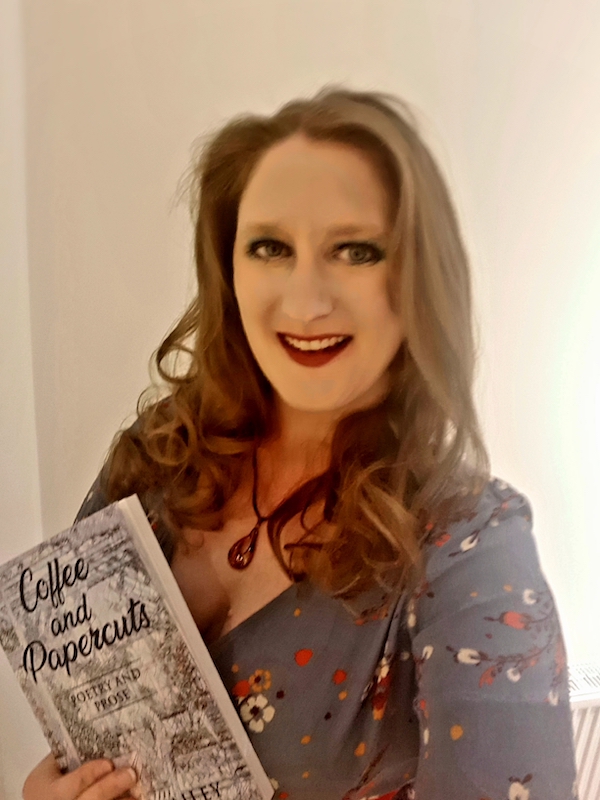

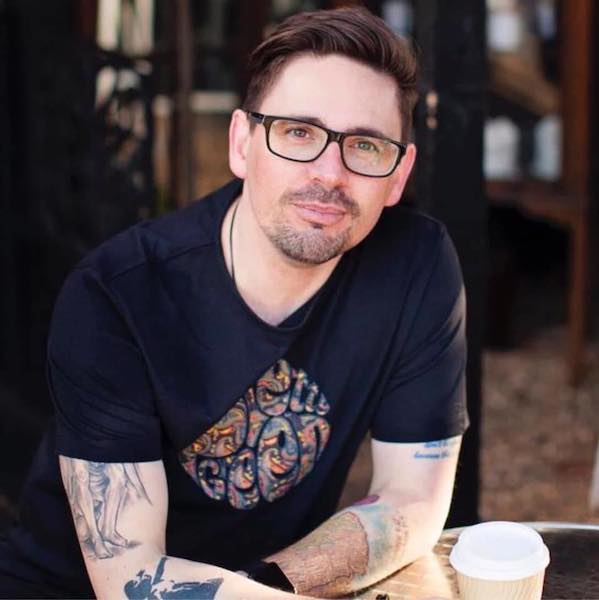

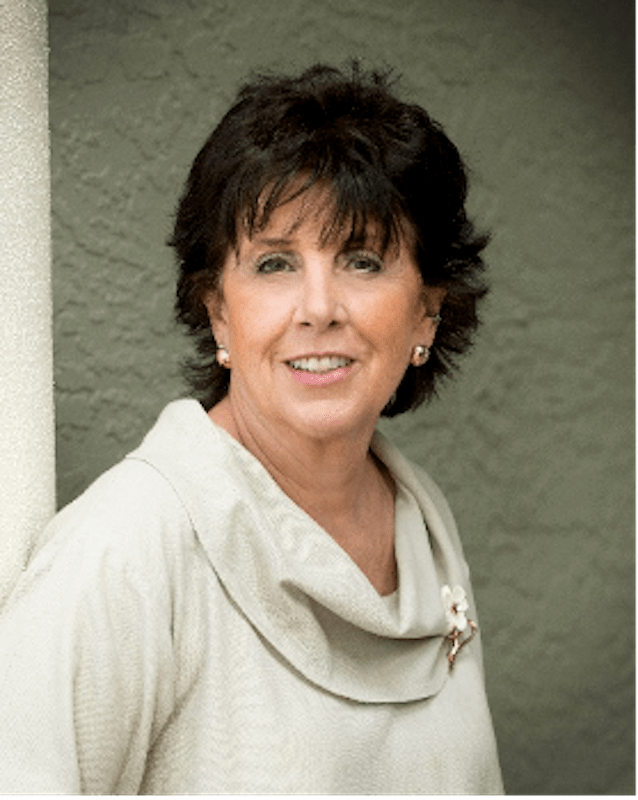







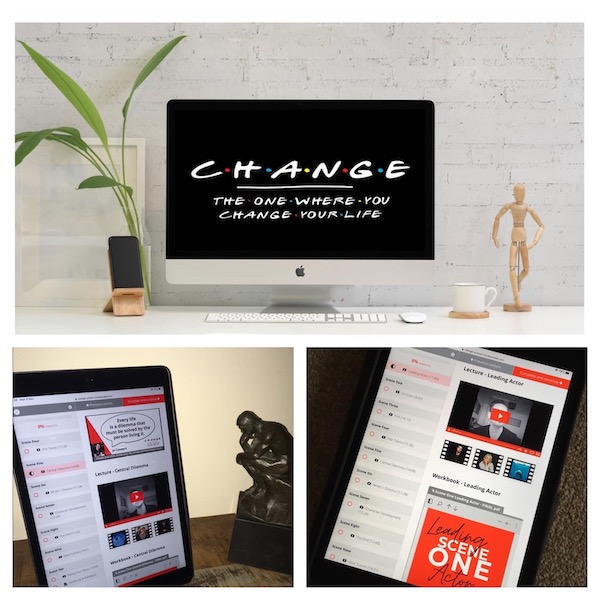
 Deborah Klee