In this episode of the Mindful Writer, author Kim Nash, shares her secrets to success, but before we learn how to make our dreams come true, let me update you on my writing journey.
After the successful launch of The Forever Cruise in December, I am hunkering down to work on my fifth book set in Yorkshire. My plan is to complete a first draft before I go away for a month cruising the Caribbean and then cross Atlantic to the Greek islands. My plan is to leave this draft with beta-readers whilst I enjoy a break and fill my creative well with fresh story ideas. On my return, I will prepare The Last Act for publication in July. Then back to my Yorkshire novel. A busy but exciting year ahead. I’m really looking forward to the cruise.
It’s great starting the new year with plans and goals. There is a lot that we have no control over and life will always throw unexpected challenges. My guest this week explains how she turned her dreams into a reality and shares many words of wisdom on dealing with life’s curve balls.
So, let me introduce you.
Kim Nash is the author of uplifting, funny, heartwarming, romantic, feel-good fiction. Kim is Digital Publicity Director for publisher Bookouture (a division of Hachette UK) and is a book blogger at www.kimthebookworm.co.uk.
In this episode, Kim tells me:
How she turned her dreams and wishes into a reality.
Kim, you have a remarkable history of achievement. A love of reading inspired you to start a blog reviewing books, Kim the Bookworm. Your outgoing personality and can-do attitude led to you securing a position at Bookoutre (digital publisher) where you are now Head of Publicity and social media manager. In 2019 your debut Amazing Grace was published by Hera followed by another three books in quick succession. As I said, a considerable achievement.
How have you turned your dreams and wishes into reality?
Kim’s journey started with book blogging. She read a book by Milly Johnson, A Spring Affair. It was about a woman who cleared clutter from her home and discovered it was her life that needed to be decluttered. At the time of reading this book, Kim was experiencing challenges in her own life. The book helped her gain a different perspective. At the end of the story, the author invited readers to contact her to give feedback. Kim wrote to say what the book meant to her and was astounded to receive a reply hours later. Milly wrote, ‘You lady are the reason that I write.’
Kim and I talked about the joy of receiving feedback from readers. Kim says:
‘The best thing about being an author is when a person you have never met chooses your book out of all the books available to them and it helps them through a situation or takes them away from their normal life.’
We agreed that if you touch one other person, you have achieved something incredible as a writer.
‘Comparison is the thief of joy,’ is one of Kim’s favourite mantras. For her, success is not the number of books she has sold but the number of times she receives messages of this kind from readers.
It was Milly Johnson who encouraged Kim to set up a book blog. Having had one important exchange with Milly, Kim contacted her again and asked her if, as an author, she felt a book blog would be useful. At that time, there were few book bloggers. Once again, Milly inspired Kim with confidence and she started her book blog – Kim the Bookworm.
Kim’s work as a book blogger took her into the publishing world, as she became known to authors and publishers. She was invited to launch parties and other events where she networked. One day a publicist at Bookoutre contacted Kim to ask if she would review a book. In her response, which was yes, Kim asked a question: ‘If you know of anyone in publishing who would like to employ an enthusiastic book lover, let me know.’
As a result, Kim was offered a job with Bookoutre. She had years of experience in PR and marketing as well as her love for books and reputation as a book blogger. It was an opportunity that brought together all the things that she loved.
I asked Kim what advice she would give based on this experience of seeing her dreams materialise.
‘Be brave enough to put yourself forward. Recognise what you need to do to make things happen. You can’t become an author without first writing a book.’
Always ask yourself what you need to know. For example, when will a decision be made? Be direct and ask the question.
Being an author can make you feel anxious, so don’t be afraid to ask the questions when you need an answer. Being an author is a massive emotional roller-coaster. Kim says: At Bookoutre we always try to get back to authors so that we do not increase their anxiety. It seems to be accepted in this industry that it’s okay not to get back to people, but it is not acceptable. Agents and publishers don’t get back to people. In any business other than publishing, it would be different.
I agreed. ‘Don’t hand over responsibility and control for your happiness to the industry or anyone. And don’t attach yourself to one particular outcome.’
Kim talked about having a can-do attitude. In response to the lack of literary cultural events in the area where she lives, Kim set up a local book festival with fellow author Phillipa Ashley. Her message is: If you want something to happen, then make it happen yourself. Another example is the book club she set up nine years ago.
If there are things you would like to happen – write them down.
Then write what you need to do to make them happen.
Finally, be brave. Step outside of your comfort zone and do it.
I asked Kim how she looked after her health and well-being given her busy life. I use a colour coded planner, Kim explains. The colour coding shows her the activities that are taking most of her time. When cleaning the oven takes priority over writing, she knows that she is procrastinating.
Kim loves nature. She takes her dog for walks, enjoying sunsets and sunrises, walks in the forest or by water. Sometimes she just needs to sit in front of the TV and binge watch a favourite series. Time with family and friends – laughing. These activities help her relax and unwind.
Kim is an inspiration to me and one of my role models.
I love her can-do attitude. Sometimes we may look at another person’s journeys comparing it to our own and we make excuses: that person has more opportunities, more money, more time. That might all be true. Their journey is different and we gain nothing by comparing. But we can learn from another person. How have they achieved success? Determination? Resilience? Persistence? Putting themselves forward as Kim did? Self-belief? What can you take control of in your life right now? What do you want to happen in your life and what do you need to do to make it happen?
I wish you the very best for 2023. The Mindful Writer Podcast will be back on 8th February with guest, Sandell Morse who explains how her journey to a French village uncovered long silenced stories of courage and resistance, and her unexpected inward journey back to her Jewish identity. Subscribe now so that you don’t miss this fascinating episode.
So, until next time: Take care of your beautiful self and trust the journey.
I am excited to introduce the first episode of The Mindful Writer podcast.
Before I introduce this week’s podcast with guest Jessica Redland, let me update you on my writing life.
The past few weeks I have focused on preparing this podcast and blog post. I’m afraid poor Jessica is like the first pancake out of the pan. I had the idea for The Mindful Podcast several months ago but to be honest I was afraid to make the leap and have a go. I have had some experience of recording podcasts as last year I recorded Castaway Books. However, this venture was different as I was going to ask creatives to share their emotional and spiritual experience of the writing journey.
When we get an idea that won’t go away, I believe we need to follow it and see where it leads. Moving outside our comfort zone is healthy as we are learning new things and opening ourselves up to new opportunities. So, I pushed myself to follow through with the idea. I was amazed by the incredible writers who came forward and the honesty of their stories.
Learning to use new software was a huge challenge for me. I’m not there yet but I’m learning and I hope you will excuse the occasional blips as I get more proficient. I was striving for excellence but had to accept this is the best I can do for the first attempt – having spent many hours/days trying.
Although my recording and editing techniques may not be great, the interviews with guests are truly inspirational. I learnt so much from each and everyone. These conversations have lifted and inspired me. I hope that they do the same for you.
What are you working on now? How have you pushed yourself to try new things outside of your comfort zone? Please drop me a line with your news as I wouldlove to hear from you.
From struggling Indie to a best-selling author with two 12-book publishing contracts, Jessica Redland shares the highs and lows of her writer’s journey:
How she found time to write eight books as an Indie whilst working full time and raising her daughter.
How she coped with the transition to a full-time author with what others might perceive to be overnight success – experiencing Imposter Syndrome and continually shifting goals.
The words of wisdom that she would have shared with her younger self when she was struggling as an Indie author to sell her books and questioning, ‘Why do I bother to put so much emotion and energy into my writing when I sell so few books?’
I was inspired and motivated by Jessica’s journey. She really does prove that you should never give up on following your dreams.
Jessica refers to a mini-series on Imposter Syndrome she posted on her blog.
This is an excellent series, well researched, informative, and helpful. I recommend you find time to read through all five starting with part one dated September 21st 2020 here: https://jessicaredlandauthor.com/2020/09/
Jessica ends the interview by reading a poem that she wrote several years ago, before experiencing the success she has achieved in recent years.
Jessica Redland
Transcript of Interview with Jessica Redland
Jessica Redland is the best-selling author of fifteen novels including The Starfish Café, and Hedgehog Hollow series.
Deborah: Hi, Jessica. It’s an absolute pleasure to chat with you today because as you know I’m a big fan. I love your books and you have been an inspiration to me through your writing journey. And that’s why I particularly wanted to talk to you so that you can share some of your wisdom with our listeners.
Jessica: Hi, thanks for having me.
Deborah: So, Jessica, you are a prolific writer. You’re an author of 15 books today. And in 2020 you became a full-time author with many best sellers in the Kindle charts. This phenomenal success came after signing a 12-book contract with Boldwood Books and I understand you’ve signed another 12-book contract since.
So, goodness me, we’re only in 2022 and you have been contracted to write 24 books, which is absolutely incredible. You were a finalist in this year’s Romantic Novelists’ Association for romantic novel of the year with Snowflakes Over the Starfish Café.
Jessica, these are incredible achievements, very well-deserved. As I say, I love your books and I have great admiration for you, but you didn’t achieve overnight success.
Jessica: Definitely, definitely not been an overnight success, quite a long journey and five difficult years to get where I am now. So, the starting point was very much me joining the Romantic Novelists Association RNA New Writer Scheme in 2012. That gave me a push to finish my first novel. I put that through the scheme twice. And then, at that point, I put that out four rounds of submissions to a mix of agents and publishers. The submission process is challenging because everybody wants something different. And, of course, you are dealing with the rejection side of things, although I tend to see it as a process, so they didn’t hit me too hard. I secured a publishing deal just under a year after I started submitting and thought, That’s brilliant. This is it. Got it made. But then I started to have doubts about that particular publisher and the direction they wanted to take my writing.
I was seriously thinking, should I go Indie? But then another publishing deal came along that felt a lot better. I accepted that one and started working on my edits. My very first book came out in spring, summer 2015. That publishing company was new and if they had been able to match their enthusiasm to their ability, things would have been brilliant, but unfortunately, they struggled to make an impact. After about 18 months with them, we parted company because the publishing house was going to cease trading. So, I got back the book rights for my trilogy. Then, I had to kind of panic design the covers, and get them out there as Indie. To be honest, they tanked. That was really hard – starting back at the beginning.
I wrote a brand new book, brought that out in March, 2017. That didn’t do well either. I kind of went into a few years of being a struggling Indie. Pretty much, no sales, certain points where I did okay – a couple of Christmas books that did well.
Then, in 2018, I realized that that things were going to need to change and decided to start submitting again. I was very selective as to the companies that I went out to. I got some kind of close, close calls, but didn’t quite get there. It was really, really devastating because at this point, I’d written eight books. knew I could write, had some good feedback, but they just weren’t what the publishers wanted.
Fortunately, in February, 2019 Boldwood Books opened for business. I submitted on their very first day and the rest is history. I got a book deal to take on new books plus my backlist and it’s been absolutely phenomenal. It changed my life.
Deborah: Fantastic. So, how did you manage to be a prolific writer whilst still working the day job?
Jessica: I’m now self-employed and my husband has been all along, so he’s understood that when you’re self-employed you often work erratic hours. You often do need to work evenings and weekends. He’s a type setter, so he lays out pages of textbooks, and plays, and journals, and things. He works when the customer needs him to work.
If something comes through at six o’clock in the evening saying, ‘We’re going to print tomorrow. We need these edits,’ he will get on with it. And so, he’s very much understood and accepted my working life. We often have some time during the day with both of us working from home. Sometimes we go out for lunch together.
When my daughter was very young, I did my writing when she went to bed. At the weekend we always try to have at least one family today together. So even if I write and do things on the other day, there is this one day of devoted family time.
Deborah: I think that’s important – structuring your time. I’m in the position of being semi-retired. My husband gave up work when our daughter was born and so he’s at home too. I’m aware of when I’m not spending much time with him and then I actually compartmentalize time for him. I mark out in my head certain periods of the day, for example, we might go out for breakfast or there’ll be something we do in the afternoon. I ring fence about three hours of my time for my husband and then I’ve got a good five hours of time, which is for me, for my work.
I learned something when I was a mum and working full time. I think lots of mothers go through this. If I was at work, I felt guilty I wasn’t with my daughter, and if I was with my daughter, I felt guilty that I wasn’t at work. At that time a very wise woman said to me, ‘Give a hundred percent to what you’re doing at that time.’ And that was it. That was the lesson I learned. So now when I have time with my husband, go out for breakfast, or drive, or just doing something nice together, I really make an effort to give a hundred percent of my attention to him and not have my mind working on a plot or something else. It was a good lesson to learn. When I’m at my computer, I’m working with complete focus. There’s no housework. There’s no listening to anyone else. I completely switch off the outside world.
Jessica: No, that’s great advice that is, definitely. If I’m downstairs with my husband and we are watching TV, or a film together, I tend not to take my phone down with me. I’ve never been a phone obsessed person, but that means that I’m not checking anything. I’m not seeing if I’ve had any emails or notifications. I’m not nipping on Facebook. So, even if it is just watching TV or a film, it is time together, away from the tools of the trade.
Deborah: It’s important for two reasons, isn’t it? For your own self-care that you switch off sometimes from work and also to show respect for somebody who’s important to you.
There’s something else I want to ask you because our time is limited and there’s so much, I want to get from you. I would like you to tell me about five blog posts you wrote in a series about Imposter Syndrome, which I found fascinating. I’m going to give links in the show notes to this because it’s very relevant for the mindful writer. I just wondered if you could spend a little time talking us through what Imposter Syndrome is from your experience of it and your coping mechanisms.
Jessica: I wrote the blog because I found that in 2020, once I heard, and I’d got my first contract with Boldwood that I was experiencing this. I’d had a new book and four of my backlist books released. I was loving, being a full-time author; that had always been my goal. But I was getting myself, worked up about certain things and I identified that as being Imposter Syndrome. So, I took a little bit of time out looking into it because I thought if I really understand how and why it manifests itself, then I could find ways of coping with it.
I’ll read a quote from my blog. This is from Gail Corkindale Harvard Business Review in 2008. She says ‘It’s a collection of feelings of inadequacy that persists despite evident success. Imposters suffer from chronic self-doubt and a sense of intellectual fraudulence that overrides any feelings of success or external proof of their competence.’
So, it’s basically at a point that somebody has achieved some success, and they think that they’re going to get found out. They think that they don’t deserve to have got that success. They’re not good enough to have had that success. It’s not about self-confidence, that’s something separate, but it is about self-doubt.
I was suffering massively from this – this kind of feeling that somebody was going to tap me on the shoulder and say, ‘You know, those top one hundreds that you’ve just had? You’re not – you’re not all that, and you can’t really write. And you’re not going to be able to continue that success in the future.’
So, I did quite a bit of thinking as to where that comes from and why it happens. It was really fascinating understanding the typical triggers for somebody having Imposter Syndrome, particularly for me, because I’m actually a really confident person. My day job was as a trainer. I’m used to standing in front of audiences capturing people’s attention. I’ve presented to audiences of a thousand plus before, so the idea of public speaking, that a lot of people are terrified of, was no problem whatsoever for me, but I was thinking, why do I feel like an imposter?
It came back to some issues in the workplace and being passed over repeatedly for promotion. And, you know, I knew partly why, it’s because I didn’t play the politics game. I’m somebody who believes in progressing on your own merits. I therefore had to be so much better at my job to prove my worth for any promotion than somebody who did play the game. And it just became this thing. Like I just had to prove myself constantly: always trying to be a perfectionist, always striving to do better.
It even got to the point that New Beginnings at Seaside Blooms really, really, took off and it got as high as number 14 in the Kindle UK chart, which is just absolutely phenomenal. I started beating myself up that it hadn’t made it into the top 10 and I just thought, What is going on in your head?
Before I got my deal with Boldwood to get into the top thousand – top 10,000 even, would have been a dream come true, but your goals shift and that’s natural, but mine were linked to Imposter Syndrome. I was looking at other authors and comparing myself to them. We’re all on a different journey.
It’s really not worth comparing yourself to anybody else. But I kept thinking, Boldwood are going to regret signing me. Then, when I got my second book deal for another 12 books I started thinking, Oh, we’re going to get so far into these and then they’ll go – Do you know what, we’ve made a mistake? Can we just knock 10 off and just make that another twoand then let’s part company?
It was really taking away from my enjoyment of – basically, a dream job. I had got everything I’d wanted: to be able to write full-time, and to have a supportive family but I couldn’t live in the moment. I couldn’t enjoy it. I’m not the sort of person who gets anxious about things, and so this didn’t sit with my personality, but I could sometimes just stare at my computer screen. I couldn’t write. I couldn’t write anything. Now, I can absolutely trace it back to Imposter Syndrome. Once I’d understood where it came from, how it displayed itself, I could then look at things I could do to change how I felt.
Occasionally it might just pop its ugly, head up and I’ll give it a little slap and it disappears- than all is good in the world. But it really, really stopped me in my tracks in 2020. It was quite horrific, so I completely understand anybody going through it and hopefully the blog post if anybody does read it will help. It’s long, but it really breaks it all down – all the different ways Imposter Syndrome manifests.
Deborah: It’s an excellent blog post and I recommend people read it. As I say, the link will be on the show notes. I wonder why we all do that to ourselves? Every attribute that we have has a positive and a negative side doesn’t it? So, the same thing that pushed you from being independently published, all the books you’ve produced and then getting your contract with Boldwood that is the positive. The flip side of that is the same thing that drove you to do better and better is still driving you to say, It’s not good enough. It’s not good enough. You’ve got to do better. You’ve got to do better. And we never stop to just enjoy and celebrate our success. To say, I’ve done a really good job.
Jessica: No, we don’t. It’s funny because we’re continually shifting goalposts, We don’t pause to say, wow, I’ve met one. I’m so proud of that. Take a little bit of time out, celebrate that success. You just immediately think – What’s the next one?
Before I’d thought massively about having imposter syndrome, I was aware of it as it would come up in other ways, but not really before I achieved success as an author.
I wrote a poem some time ago, which is also a blog post about shifting goals. It starts off with the idea of wanting, just to write a book, see if you can, and then to write more than one book and then it’s, I want it to be in this chart position. It goes through all the goal shifts: ultimately wanting movie deals, and all sorts of things. You have to take yourself to what is the original goal. I often say this anytime I’m having a conversation with an author friend who is struggling a bit because we all do. And it’s – Go back to – what was the goal that you started off with? And if that was, like me, you just wanted to write a book and then you wanted to become a writer and write full time then you’ve already achieved that. Anything that you achieve over and above that is an absolute bonus.
I look at all of the chart positions, the sales, they are bonuses. I earn enough to write full-time and that’s all I ever wanted out of it. I keep reminding myself of that goal.
Deborah: I think there’s two different things that drive us in in what you’ve been talking about. One is looking for recognition: where you are in the charts, getting that feedback, that is perhaps the unhealthy aspect. I think the positive is: I want to do this and now I’m going a bit further – pushing myself to achieve. Because I see that as following a dream in your heart.
I always say there’s a seed sown in your heart. It is from your soul and you are compelled to follow. When you listen to that inner voice it can take you on the right path and journey for you to become your true self and fulfil your potential.
That’s the positive aspect. The negative one is all of those voices, those goblins in the head – the Thought Goblins: You can do better. She’s doing better than me. Where am I in the charts? It is about trying to silence that voice.
Jessica: I now refer to that and other people do as well me, as being the noise. It’s not my term. It’s all that noise around you. And, and the thing is if you were to look at another author who has got a book, say at, number 10 in the Kindle chart, that’s not reflective of everything. They may be number 10 because there’s just been a promotion at that moment. It may be, because their price is different. It may be that they’ve just gone into prime reading. And it may be that whilst they get that higher position, they drop out the charts faster and long-term don’t sell as many copies. There’s just so much influencing this that you can’t put much stock in a chart position.
There’s also, if we’re talking Amazon, algorithms that with the books that are part of their own publishing houses will chart higher. There are all sorts of factors that you just don’t know – behind the scenes, how it’s all working. Chart position is one thing, but it’s not everything. If you look at the Sunday Times best seller list, you don’t actually have to sell a phenomenal number of books to appear on that, but to appear at the top of the Kindle chart, you have to sell quite a phenomenal number of eBooks. And yet so many people equate being on the Sunday Times bestseller list as what success is and not so much on the Kindle top one hundred. The volume shifted is much, much greater for a book to be in the Kindle top hundreds. So, there’s all sorts of things that just go on and you just have to silence it and feel proud of your work or you could drive yourself crazy.
Those days when there are zero sales you can you start questioning. Why am I bothering? The time I’m investing in this book, the amount of emotion I’m putting into this and nobody’s buying the book – so, what’s the point? But then when your royalty statement comes through or whatever, it can be pleasant surprise.
Deborah: So that brings me to a question for you. You were an Indie author for a good few years before you were published by Boldwood; looking at where you are now, if you were talking to yourself in those early days, when I think you said in your blog, perhaps only your mum and your close friends were reading your book – maybe thinking: Why am I bothering? What would be the words of wisdom you would whisper in the ear of your younger self who was feeling despondent?
Jessica: It would be: Just keep believing. I mean, I would never have written a book, if I didn’t think I could write a book, and I didn’t think it was a good enough story, and I didn’t think I was a good enough storyteller. So, keep going back to that. The self-belief in the story that you have, that people will want to read. Accept that the roller coaster, to use a bit of a cliche, but the roller coaster absolutely is how publishing works.
There are highs and lows, even those who have a contract, maybe for two or three books, if one of the big five publishers, they can suddenly find that that their contract is not renewed, or they choose not to renew it. Maybe book one does phenomenally well but book two doesn’t. You know, there are so many peaks and troughs in what we do.
I got a publishing deal right at the front. And at the point I was about to give up with the submissions process thinking, I’ve got it made. I’m going to be an author. Brilliant. But the publishers didn’t do very well and went bust and I got my rights back and became Indie for five years. So, you know, so, so much can change just in the blink of an eye.
And so, keep believing, keep going, have that resilience. If you have stories to tell burning inside of you. Keep, keep, telling them because at one point it could all change. And I would remind myself about the importance of finding your tribe, finding a group of writers around you, who understand it, who get what it’s like when you are having Imposter syndrome, Comparisonitis, all the other things that go with us, those high moments, those low moments.
I’ve been part of a writing collective for about nine years. It’s just been really encouraging, seeing everybody become a published author, indie, traditionally, or hybrid, and just having that support network because when somebody is on a high, somebody else might be on a low and they can support them with that and vice versa.
I’d love to have had a crystal ball and said, look, this is where you’ll be in in five year’s time. Just keep going that. That’s my message to keep going. Don’t give up because this, this was a dream. This is what I wanted to do.
The two most important days in your life are the day you were born and the day you find out why
Mark Twain
On the day that I, I got my first novel published my husband got me a canvas of that novel, and also a novella that had come out before. So, two canvases of my covers. But he also got one that sits in the middle that has a quote on it by Mark Twain, which says: The two most important days in your life are the day you were born and the day you find out why. And then it’s got the date that my book was published and it says: The day life changed for Jessica Redland on it, love from him and my daughter. I usually actually get quite tearful when I read that I was trying to kind of keep the emotion in check then. And it’s just such a perfect quote because all my life although I didn’t know it I was working to this point.
I’m not somebody who wanted to be a writer from a young age. It never even entered my head to be an author when I was a reader, you know, it was something other people did. It was only when I hit about 30 that I even thought about it. But it was as though I’d been building up to that all my life. My favourite subject in school was English. My favourite jobs were always the ones in HR that involved some sort of creative writing. I used to design assessment centre exercises. I used to create scenarios of characters that were part of that. Little did I know that I was building up to becoming an author and creating characters.
Around that time somebody said to me, I should write a book. I just said. Gosh, I should. I’d love that. And then everything from that point just fell into place. So, yeah, that was the day that I found out why I was born. I was born to be a writer. And the big thing is I get so many messages from readers talking about how my books have helped them through dark times through three years of the pandemic, particularly more recently, but even some of the subjects that I tackle in Snowflakes over the Starfish Cafe, that you mentioned at the beginning, that book was up for an award. It deals with bereavement. And I’ve had messages from people saying it’s been so cathartic reading that because I’ve suffered some extreme bereavements as well.
For readers to read the feelings of main characters and feel that I’m normal in feeling like that. It’s just, it’s made me turn a corner and you just think, wow, I never thought about any of that when I started out as a writer, that we can make a difference in our own little way through the characters that we create and the stories that we tell.
That’s the reason in the moments when I wasn’t selling any books and thinking It’s never going to work for me – that’s the reason to keep going.
Deborah: Fantastic. I absolutely loved that story and it really chimes a cord makes I’m often writing in my blog about the seeds of desire in your heart and to listen to that and to follow it.
And, you know, I also think that our whole life is like a book. Everything happens for a purpose in terms of all of our experiences. As you say, they all, come together and you go, Aha. That experience is making me who I am and that’s why because this is what I’ve got to do. And the other thing you said about somebody saying to you, You should try to write a book – It’s those little miracles, all the people that come into our lives. They may be strangers. Sometimes a person says something that takes you off on a path, or something, you read. They are whispers to point you in the right direction.
Jessica: It’s so funny because it was my manager at work. I used to write lots of reports and he would laugh reading them. One day he said, ‘I love reading your reports. They’re like a story. Maybe you should make them a bit more business-like. But have you ever thought about writing a book, you really should? Nobody had ever said that to me. And it was like this light bulb, just kind of fireworks explosion. Yes. Yes, I should. The next thing was finding an idea for a book, but then by some pure coincidence a set of events happened in my life that gave me the premise of my first book.
Deborah: So again, as you say, little things present themselves and you go, Oh wow. I can do something with that. Which shows why we have to be open to listen to what’s around us.
When we get too much into our head, we’ve got all that noise going on. We don’t pick up on little messages which are there for us to see and listen to. We need to go inward and be at receptive so that we can pick up on ideas and opportunities.
Jessica: Definitely.
Deborah: Before you go, please tell us about the latest books that you have got out. I will provide links in the show notes so people can find out more about.
Jessica: Thank you, Deborah. I have a new novel that just came out in early April, called Spring Tides at the Starfish Cafe. And that is a sequel of Snowflakes over the Starfish Cafe. I’ve been doing a bit of a promotion and celebration of that. I’ve also just about hit the ends of the final edits on the fifth book in the Hedgehog Hollow series called Chasing Dreams at Hedgehog Hollow which is out on the 28th of June, but available for pre-order. And I’m just about to dive into the final book in that series, which is out on the 6th of September. That’s set at Christmas. Although we don’t quite have a title, we’ve got a couple of working titles at the moment and that’s pretty typical. I write four books a year, so quite often I am promoting one, finishing the edits on another, and writing the next one. So, kind of working a few books in advance.
That will take me up until about probably June to have worked on that Christmas one. And then I will be writing my first 2023 release, which sounds really scary talking that far ahead. I work about eight months in advance.
Deborah: And this is why I admire you. You’re a prolific writer. You’re determined. You’re resilient. Absolute pleasure talking to you Jessica.
Jessica: Thank you. And thank you so much for inviting me as a guest. I will look forward to listening to the other podcasts.
Deborah: I’ve got loads of interesting guests that I’m chatting with. So, me too.
Never Enough by Jessica Redland
All I want is one idea How difficult could that be? A plot that has some mileage That would be enough for me
All I want is to write a book What an achievement that would be 300 pages, a brand new world That would be enough for me
All I want is for someone to read it A friend or family If they said it was good; that I could write That would be enough for me
All I want is an eBook publisher How amazing would that be? To believe in my story and share my work That would be enough for me
All I want is to make some sales Just one, or two, or three A handful of readers to download to Kindle That would be enough for me
All I want is some good reviews How flattering would it be For strangers to say they love my work? That would be enough for me
All I want is to climb the charts It would make me so happy To see my ‘baby’ go up and up That would be enough for me
All I want is a bestseller tag In some obscure category That orange flag would scream success That would be enough for me
All I want is to break the top hundred I know there’s no guarantee But then I’d know I’ve got some talent That would be enough for me
All I want is to be top ten Can anyone hear my plea? Side by side with my favourite authors That would be enough for me
All I want is a number one I’d barely contain my glee That coveted slot and all those sales That would be enough for me
All I want is a paperback Something I can hold and see To say “I wrote this”, oh my word That would be enough for me
All I want is to write full time A lady that lunches? So me! Full days in my office, creating away That would be enough for me
All I want is an audio deal Listening while sipping my tea Those accents, those sounds, my world brought to life That would be enough for me
All I want is my books on the shelves Of a supermarket: big four. Or three The sales, the success would remove all the stress That would be enough for me
All I want is a top five publisher The validation? My pants I would pee! I’d finally know that I really can write That would be enough for me
All I want is to make foreign sales Australia? France? Germany? Translations galore, the world at my door That would be enough for me
All I want is the film to be made The big screen for everyone to see Amazing reviews, the compliments ooze That would be enough for me
All I want is an Oscar win I’d really be top of the tree Best screenplay? Oh my, I think I would cry That would be enough for me
All I want is some book two success And the same for book number three Doing even better than first out the grid That would be enough for me
All I wanted was one idea To write a book, just for me But the goalposts kept changing, my life rearranging And it’s never enough for me
It’s easy to feel so overwhelmed When sales aren’t what I’d hoped And reviews are mean and personal And very unprovoked When all the writers that I know Seem to do so great And the day job takes priority So my writing has to wait
So it’s back to the start to recapture that feeling When first I typed “the end” When someone said, “I loved it!” Even though they were a friend When I sat at my keyboard and laughed and cried As my characters found their voices When the publishing world was unexplored But filled with exciting choices
The task once seemed impossible: To write a full-length story A big fat tick against that goal I should bask in the glory That I achieved what many don’t And repeated it six-fold I am a writer BECAUSE I WRITE; Not for how many I’ve sold
We all know the serenity prayer with the line: ‘God grant me the serenity to accept the things I cannot change.’It makes absolute sense, if we can’t change something or influence the outcome then why would we waste energy trying to do the impossible? And yet this is what we find ourselves doing again, and again, at least it was a pattern for me.
As this is a blog about the inner journey of the creative, I am going to focus on the things that creatives cannot control in their creative journey, and how to live peacefully accepting this fact. Creatives create. We pour our heart and soul into our work; what we cannot control is how our work is received when it goes out into the world. Authors, artists, songwriters, and performers suffer whenever they release new work. Waiting for critics, agents, publishers, or the public to respond can feel torturous.
S. Hermann & F.Richter – Pixabay
Through meditation, I learnt how to live peacefully during these periods of uncertainty, letting go and trusting God. I have used the word God because that is what I believe however, replace God with the Universe or anything else that is meaningful to you. What is important is an acceptance that there is a higher power.
I think of it like this. My job spec is to create – to produce the best work I can. Improving my craft, getting feedback, striving for excellence – these are all within my control. My boss – the higher power, has a different job. He (she /it) governs the universe, is the creator of all things, and knows exactly what is required and when. I believe that God is working in my best interests so that I can fulfil my life purpose according to his plan for me. You might reword this to say that the Universe or your higher self knows your purpose and will manifest what you need to become the person you are meant to be.
So, imagine you have this boss who has the power to make anything happen – to perform miracles, who knows everything – what is, and what will be. With a boss like that, we can safely let go of control. All we need to do is keep the lines of communication open so that we see the opportunities presented to us, and follow our intuition. I truly believe this and it has brought me peace. If things do not go the way I had hoped or expected then I accept that there is a bigger picture and in time I will understand.
AllNikArt – Pixabay
We are driven by what is in our heart and I believe that seed has been sown for a purpose – it is what we are meant to pursue. How and when that dream comes to fruition is out of our control but everything in the Universe works in perfect harmony. When I let go, believing that what is meant to be will be, I have more creative energy, insight, and clarity. I am not wasting my energy interfering in what is God’s business – I am getting out of my own way so that good things can happen.
It is human nature to try and control everything in our lives, especially when it matters so much to us. Of course, I have moments when I am fearful and question my faith, what if I am deceiving myself? At these times I think of myself kindly and talk to the inner child. A child has a limited perception of the world. I try and reassure this part of me from another place that has greater understanding. I think that having the serenity to accept the things we cannot change is perhaps one of the greatest challenges for creatives.
In yoga and meditation, we are taught to focus on the pause between breaths. Mindful breathing- slow deep breaths, help calm the mind and relax the body. But it is the pause between breaths where transformation happens. In these moments of stillness, we switch off our thoughts and go inward.
‘Breathe in for four counts, hold your breath for seven, and breathe out for eight,’ Jocelyn our yoga teacher instructs, us as we start the class. I have been practicing patterns of breathing for years both in yoga and meditation. I knew that focusing on my breath helped me to shut out my thoughts and become more present but I did not fully understand what happened in the pause between. It only lasts for a few seconds but in that moment, we are outside of thought – observing.
Maybe that experience builds with each practice because over time I have come to recognise that sacred place and can take myself there when I need clarity and direction. Some people may call this prayer. Prayer. Meditation. For me, it is about switching off the incessant chatter of my thoughts and creating a stillness in which I can receive wisdom.
I am writing this post today because it feels as though I am experiencing a pause between activities in my life. I have spoken before about our cyclical nature which mirrors that of the seasons. How we need to recognise the natural ebb and flow of our energy and creativity. There is a time to be still: to reflect on what we have achieved, Gather the harvest, Nourish and restore – before starting afresh on new ventures. Sometimes the pause between is of our own making, sometimes it is thrust upon us and we rail against the injustice, other times things just run their natural course.
When we have been super busy and productive with project plans and objectives, daily to-do lists, and lots of interaction on social media, etc, it can feel a bit discombobulating. We may feel lazy. Worry that we have lost our sense of purpose and direction. Or fear that we will lose what we have achieved. It is really hard to ignore those negative thoughts. I am mentally chiding myself for what part of me perceives to be lazy. Fortunately, through meditation – and yes, breathing exercises – I have learnt to hear the negative thoughts and recognise them for what they are.
Gerd Altmann – Pixabay
The novel I completed earlier this year and was about to self-publish is being considered by a literary agent and so I am waiting for a response. A few years ago, before I practiced daily meditation, I would have been incredibly anxious waiting to hear back from an agent following a full manuscript request. This time, my experience is entirely different. The positive comments in the agent’s reply to my submission were enough to satisfy me that I am on the right track. I have had a couple of full MS requests for this novel along with some very positive and encouraging rejections. So, I have choices: if this agent does not offer representation, then I can self-publish again, I can approach other agents, or I can hold back on the publication of this novel and look for representation when I have finished my current WIP. I do not know which path I will take but I have confidence that it will become clear in time.
The podcast and YouTube programme Castaway Books came to an end this week after broadcasting 28 episodes. I loved hosting the show but was ready to try something new. My plan is to start a podcast on the Inner Journey of the Creative, interviewing guests as well as sharing my experience. A transcript of the show will replace this blog. To do this well, I need to reflect on what would make a great show and plan the first season. The impatient part of me is nagging, ‘Get on with it. What’s taking you so long?’ But I know that my ideas need time to develop and I am enjoying considering the possibilities.
Similarly, the weekly tweet-chat that I hosted for a year has changed format and I am now sharing the hosting with other writers. This has released more time for me. I am thinking about hosting a virtual writing retreat for the writing community.
Lots of things are happening but at this stage they are ideas. I know that when the time is right my vision will become a reality but for now, I am experiencing that pause between. Recognising that my energy levels are low, that I need to be kind to myself and create the time and space for ideas to flourish. In the meantime, I am completely immersed in writing my next novel and enjoying the relaxation that this brings.
I think of Autumn and Spring as the pause between breaths– Autumn the end of a long inhale when we are full with the plentitude of summer and Spring when winter has depleted our reserves and we are ready to fill our lungs again with fresh, cool air. So, it is fitting to pause in the autumn to reflect on all that we have achieved and rest without self-judgement so that we can restore and renew.
Sometimes we need to be still – to pause – to break habits. A circuit breaker. My habit is to be impatient. To rush ahead trying to take control. A blog by Kamina A. Fitzgerald Caution do not go ahead of God was a great reminder for me to be still and wait for that inner wisdom. However long it might take.
If you have enjoyed reading my blogs on the Inner Journey of the Creative and have identified with some of my experiences, you might be interested in contributing to my next venture.
I am planning a weekly podcast that goes deep into each of the themes in my blogs including:
Courage
Wanting something too much
Letting-go
Stimulating creativity
Patience
Disappointment/Rejection
Fear of failure
Change
Trusting the journey
In the next few weeks, I will be interviewing creatives – this includes: poets, bloggers, artists, and musicians, as well as authors, about what they have learnt in their creative journey. Personal experiences and learning will be brought together along with my narrative to form podcasts on each of the topics.
Whilst I am working on this project, I will take a break from writing a weekly blog. The podcasts when they are broadcast will also be written as blogs.
If you are interested in participating, I would love to hear from you. You can DM me on Twitter or send me an email dkauthor@btinternet.com.
Sending out a query letter to literary agents, or applying for a job that you desperately want is scary. You pin so much hope on your submission and feel as though you have handed over responsibility for your future happiness. It doesn’t have to feel like that. In my post, 5 Ways to attract what you want into your life I share practical steps on managing feelings when you want something too much.
Maybe, like me, you have been burned before and so are cautious this time around. My third novel is ready to submit to agents. I have had a literary agent in the past and lived through the anxiety and trauma of finding an agent and a publishing contract. It is not for the faint-hearted. This time I am in a good place as:
I am not attaching myself to one particular outcome
I am not looking for validation
I know that I have options and I am in control
I have faith that the right solution will find me so long as I am open to possibilities.
However, despite having done a lot of inner work to reach this healthier state of mind the prospect of seeking an agent and contract is still daunting. When something is important to us, we will always feel some trepidation.
I have enjoyed taking regular runs for many years. When I was in my fifties, I experienced pain in my hips after a run. As a result, I gave up running for a few years. Then, a fitness trainer explained to me that if I prepared properly for a run by stretching and did the same post-run then I would not experience any joint pain. She was right. I am using this analogy to explain how the pain of trying to get a job or an agent can be avoided with proper preparation and after-care.
Before
I successfully self-published my first two novels The Borrowed Boy and Just Bea, receiving great reviews and three awards. However, it is a challenge to reach the audience I would like to attract without a publisher and agent championing me and helping to promote my books. This is why I am going to approach agents and some independent publishers with my new novel.
Before applying for a job, querying agents, or approaching publishers be very clear about what you want, why, and what a good fit would look like.
My goal is for my books to be visible to a wider audience of readers and to increase sales. I want to achieve this so that I can share my stories, engage with readers, and be heard. For me, a good fit with an agent would be one where there is mutual respect, a partnership with both parties listening to the other, an agent who loves and understands what I write.
Just as the wrong job for you can be damaging to your career, so can the wrong agent. It is not a one-way street – you are looking for the right job/agent just as they are looking for the best person to employ/ sign to their list.
Do your research. Now you know your needs and what you are offering, invest time in finding potential agents/jobs that are a good match.
There are several ways you can achieve your goals. Be imaginative and brainstorm other options to get what you need. Getting an agent is not the only, or necessarily the best, outcome for me, it is just one. I have other options:
Find an Independent Publisher to publish novel three and potentially my first two novels.
Enter competitions to attract an agent or publisher.
Rebrand my first two novels with my third and fourth to make them more marketable. This would include changing the covers to make them recognisable for the genre and my brand. Invest in advertising.
I am excited about the third option and have a long-term strategy to promote sales. It is important not to attach ourselves to one particular outcome. This week I read a meme on Instagram God’s plans are greater than our dreams. This spoke to me as in the past I have found this wisdom to be true. I am thankful that I am not the creator of my future because what has unfolded in my life is more than I could have imagined or hoped for.
If an agent rejects our submission, it is because they do not think that we are a good fit. I know my shape and size – I am holding a jigsaw piece up to see where it goes. The agent is another piece of the jigsaw and they too know what they are looking for. It has to be a perfect fit for the author and the agent. That means trial and error before finding a match.
Christos Giakkus Pixabay
During
You have applied for the job or sent out query letters now it is time to wait. You can check your inbox every few minutes or put the time to good use. I will be using the time to do a much-needed revamp of my website. I will also be plotting my next novel. By focusing on the next project, you can save wasted energy worrying about the outcome of your submission. When you get a full manuscript request you will need the distraction of a shiny new project to stop you from imagining every scenario from a harsh and crushing rejection to the opening night of your book to film premier. When The Borrowed Boy was out on submission to publishers, I wrote my next novel, Just Bea.
Focus on other options. You might well get the positive response you are hoping for but there is no harm in thinking ahead and planning the next steps.
My daughter was recently disappointed when, following a lengthy recruitment process, she got the call to say that whilst it was a close thing, she had not got the job. On reflection, my wise daughter had come to a similar conclusion. A few weeks later, she got a call from the same organisation inviting her to apply for another job which they considered a better fit. I am delighted to say that she got this job and much prefers it to the original one.
After
You have had an interview or maybe you have been invited to meet with a prospective agent. Be fully prepared.
Research everything that you can about their organisation and how they work.
Clarify the questions that you will want to ask.
Be clear on what you would be expecting from your future employer/agent.
Consider the terms and conditions that are acceptable to you.
and you will be confident in your decision to accept or not.
If you do not get an offer then you know that you have other options. Do not standstill. Be positive and pro-active in improving your application/submission for next time, network, raise your profile on social media, improve your skills, try new things – a different genre, or short stories. Do not whine and complain on social media. Lick your wounds for one day if you need to but then get back up and out there. A positive, confident employer/author is more attractive and therefore attracts more opportunities than a negative one.
Ellie Holmes is a wonderful author and friend. We both belong to Frinton Writers’ Group. Before COVID we went on an annual writers’ retreat. After cancelling last year we are hoping to return in September. I am away this week taking a break so will leave you with this post from Ellie.
As you are reading this I am presently on a writers’ retreat. We may be minutes from a busy town, but I am happily ensconced in a time warp idyll surrounded by bucolic countryside. A salve to the mind and a huge inspiration creatively.
The view from my bedroom window
I am lucky enough to belong to an extraordinary writers’ group. There are seven of us in the group and we are all novelists, some traditionally published, some indie published, some hybrid and some unpublished. We meet once a month in a local bookshop when we celebrate any successes members of the group have had, usually with Prosecco, we critique two pieces of work, taking it in turns and discuss any writing related subjects that happen to come out of our discussions.
A group of different people, most of whom did not know each other before…
‘If this doesn’t happen, I don’t know what I’ll do.’
‘If only I got that promotion/job everything would be different.’
‘I just need to find that special someone and I will be happy.’
The drama and passion of these heartfelt pleas are fuelled by the media. We watch films and read books where life is simple. The geeky girl/boy meets someone who loves them just the way that they are, they fall in love and live happily ever after. A woman loses her job, her world is falling apart, but then she writes a book, and all of her financial worries are resolved. Then, there are the talent shows where an awkward-looking boy tells the camera that winning the competition would mean everything to him, and a few series later he is back as the star act, having achieved super-stardom. Real-life doesn’t make good telly and so stories of success, both imaginary and real, are dramatized and we buy into this. I have thought for some time that the romcoms we adore contribute to dissatisfaction in relationships.
Albrecht Fietz Pixabay
1. Focus on what is within your control
Our dream is a pot of gold at the end of a rainbow. We truly believe that once that one thing we wish for happens our life will be transformed. For many writers, it is getting an agent or a publishing deal. We hold that heartfelt wish so tight, we clench it within our soul, willing it to happen. To relax that hold for one second feels as though we are giving up and reducing our chances of success. Everything depends on that wish coming true.
The thing that we long to happen, or fear will happen doesn’t change our life. There is a blip of happiness or despair, but in the scheme of things, it is a minor disturbance. Think back to the day you got your dream job, got married, or on the downside received a rejection letter from an agent or following an interview. You may have been happy or disappointed for a few days, or weeks but then life happened and soon you had another goal or dream. I can no longer remember my rejection letters or the jobs I didn’t get.
The constant is the life you are living now. Your family and friends, the pleasure that you get from everyday activities, your good health. By focusing on what is beyond our control, changing another person’s behaviour, making someone like you – hire you – sign you, we are neglecting to change the things that we can control. If life carries on as normal after the blip, then we need to invest in making it a good life by appreciating what we have now and making the most of each moment.
Noel Bauza Pixabay
2. Invite new opportunities into your life
This is a lesson that has taken me some time to learn, and I am still learning. When I was forty, I could see only one way to further my career and that was the next step up on the career ladder – a chief executive of a health trust. It had been my goal for years and I had made steady progress up until that point. I was shortlisted again and again but was disappointed when I received the news that I had not been successful and each time a different or conflicting reason – ‘too strategic,’ ‘not strategic enough.’ I didn’t know what to do as this had always been my goal and it felt too early in my career to settle for what I had already achieved.
I was in the depths of despair. I felt rejected – unworthy. Not good enough. I was blinded to other opportunities because I was too focused on that one outcome. A wise woman suggested that I was feeling discomfort as the job I had was no longer a good fit for me. Like an ill-fitting shoe, I had outgrown the role. This sparked my imagination and I wrote down all the things I enjoyed and was good at, also the things I didn’t like about my job.
Unsurprisingly, the job I had set my heart on was not a good fit for me either. The result was a specification of my unique combination of skills, expertise, and experience. I used that to evaluate every job advertised within a salary scale that was acceptable. In keeping an open mind, I came across an advertisement that I would never have considered before. I wasn’t even sure what the job description meant, but it was a perfect fit with my personal specification and the employer thought so too because at the end of a two-day selection process I was offered the job. What unfolded from there was better than I could have imagined. I found the perfect career for me as one opportunity led to another.
Through this experience, I learned that my imagination is limited. The universe/God’s vision is greater. When I stopped hanging on tightly to what I thought should happen and opened my heart and mind to possibilities, I was led to the best outcome for me.
Beate Bachmann Pixabay
3. Do not attach yourself to one particular outcome
You may be focused on bagging your dream agent, securing a traditional publishing deal, getting that promotion, or your ideal job and I wish you success. Keep working towards your goal and hopefully, your wish will come true. However, too narrow a focus might be blinding you to other opportunities.
Try brainstorming all of the options. Be imaginative and open yourself up to the infinite possibilities for your success. Instead of focusing on one agent, try approaching several. Visualise offers coming in from four or more so that you have to choose. Submit to independent publishers. Enter novel writing competitions. Scatter these seeds of possibility and you may be surprised by what grows.
Your future is waiting for you. It could be brighter and bigger than anything you have imagined, but you need to open your heart and mind to new possibilities and trust that what is right for you will find you.
Peggy und Marco Lachmann-Anke Pixabay
4. Open your heart
I know what it feels like to want something too much. It is a tightly clenched fist in the solar plexus, a lump of longing that takes up all the room in your heart. You are afraid to release your grip. As though holding tight to that dream will make it come true, and if you release your grip, it will lessen your chances of success. I have learned that this is not true and by wanting something too much we are driving away the very thing that we want.
We have all heard the stories of a couple who conceive when they have stopped trying for a baby, the girlfriend who meets the love of her life after resigning herself to a future of singledom, the job offers that flood in when you have decided to become self-employed.
When we are desperate for something we become tense. There is a physiological reaction that may lead to symptoms of stress, for me it is eczema and migraines. We become so focused that we have tunnel vision and miss the bigger picture. A tense, intense person, who is desperate for something, is not attractive and can repel the person that they want to attract.
If you are in a furniture store and a sales assistant working for commission pursues you relentlessly, advising you of the features of every sofa you show a vague interest in, I suspect that like me, you will decide to visit another day or go to a different store where you won’t be hounded into buying something.
Many years ago, I had a friend who following a divorce was desperate to find another man. This friend was young, attractive, and clever. She had a great job and was financially independent. She threw herself into the dating world with gusto, joining online dating agencies and requesting blind dates. I tried introducing her to eligible men but her desperation scared them off. Sadly, none of her would-be partners wanted a second date.
I am extremely embarrassed to confess that when I started out as a management consultant, I stepped out of a meeting to run after someone who I thought might be interested in hiring me. I cringe when I remember this. At that time, I was terrified that I would not attract any clients and, of course, I didn’t. When I relaxed and went with the flow, I had plenty of work. The more work I had, the more I was offered.
When we are relaxed and content, we are open to new possibilities. We notice opportunities because we have an open mind and are more susceptible to ideas that come into our orbit. People are drawn to us because we radiate positivity.
I know it is hard to let go of longing. Keep hold of your dream but try to gently release your grip. Imagine that knot of tension, softening. Breathing exercises and meditation can help with this. When I am meditating, I imagine a lotus flower opening up to the sun. It takes practice but you can relax your hold.
Jplenio Pixabay
5. Trust the journey
I believe that our purpose is an idea that is sown like a seed in our heart. Our wish to be a writer, an artist, a chef, an acrobat is intense because we are driven to achieve our life purpose. But just as the seed has been sown, trust that your dream will come to fruition. Open yourself up to a greater power. Trust that what you need will come to you. Be relaxed and calm. Because then you will find the golden breadcrumbs that will lead you to your destiny- a chance meeting, an advertisement, an idea that comes from a conversation.
I previously published this post as Wanting Something Too Much Part 1-3. I have combined them here and renamed them so that they are more accessible.
When we have hopes and dreams, we must sow seeds of possibilities. Make them plentiful and cast them wide. Don’t try to double guess which is most likely to take root because you will be surprised. A seed can transform into a spectacular plant in the most unlikely of places.
Whether it is to succeed as an author, a new job, or funding for a project, be aware of the opportunities that come into your orbit and respond. The seeds that you sow might be, entering a competition, writing to a potential funder, using a chance meeting to discuss an idea, joining an association or club.
I remember my line manager, when I worked in a consultancy firm, advising me ‘not to set too many hares running.’ There is some wisdom in this but I would add – at once. I don’t think you can pursue too many opportunities but take the time to give each one your full attention, and to receive feedback so that you learn from each experience. For example, a writer might initially send out eight query letters to agents, depending upon the responses, the next ten letters might be strengthened. Alongside these query letters, the same writer might enter competitions, approach independent publishers, and present their work at writers’ conferences. Don’t hold back because you are invested in a particular outcome.
We sow the seeds of possibility, casting them wide, with hope in our hearts. It is the great creator – God, The Universe, that gives life. What takes root and where is beyond our control. We have no choice but to let go and have faith. Sometimes, it is long after we have sown a seed that it surprises us by blossoming.
I just read a tweet from @HutchinsAuthor
‘My tree peony hasn’t flowered for over 8 years and this spring it is full of buds!’
Author R.A. Hutchins’s Tree Peony Photo by Anne Hutchins
It is human nature that we try and control what comes to us, when, and how. We read into things, believing that we can make sense of patterns to determine what will happen next. How many of us count Magpies, or look for signs, in a desperate bid to claw back some control?
The wondrous reality is this – we cannot even start to fathom the multitude of factors which might come together to bring what we need into our life. In the past few weeks, I experienced two events that led me to write this post. Neither of them was remarkable but they demonstrated to me how the unexpected can happen at any time.
The first event. My local independent bookstore has been selling copies of my debut The Borrowed Boy. When I was writing this novel in 2018 the bookshop owner kindly asked a young Polish man who worked in a neighbouring restaurant if he would help me with my research. He generously agreed and gave up his lunch hour to answer my questions as we sat in the bookshop. Although I wrote down his phone number, he moved back to Poland soon after our interview, the number was unobtainable and I had no way of getting in touch. I mentioned him in the acknowledgements of my book but, as three years had passed and I hadn’t written down my name or told him the title of my novel, I never expected him to come across this. A couple of weeks ago when I popped into the bookshop the owner told me that the Polish boy’s father had been instructed by his son to buy two copies of The Borrowed Boy and to send them to him in Poland. I have no idea how he heard about my book as we have no connections in common that I am aware of.
The second event. I received an email from a woman who remembered me working at her firm as a consultant fifteen years ago. This was not someone who I knew well, she was not a personal friend, or even on the same team. She said that she didn’t use social media but randomly Googled me and saw I had written a couple of novels. We had an email chat and she has since signed up for my newsletter.
As I said, the events themselves are not earthmoving but they taught me a lesson. Things happen beyond our control and awareness – are happening now.
This example is incredible. I heard the lovely Anne Cleves talk at a Frinton Literary Festival a couple of years ago. You may have enjoyed the popular TV series: The Shetland Murder Mysteries, and Vera. When Anne was a little-known author, one of her novels was bought in a charity shop by a person who on the strength of reading the story, and recognising it met a current need in TV, contacted Anne and the rest is history.
Take joy in planting your seeds and look forward to being surprised. Like children waiting for Christmas, it sometimes feels as though it will never come but have faith. I truly believe, ‘Nothing that is for you will pass you by.’
Last year I posted a blog, on how to Restore and renew your creative spirit. In this blog, I talked about the importance of self-care to prevent burnout and suggested several ways to achieve this including a Spa day at home – given the restrictions of lockdown.
The right time
This weekend the opportunity for me to enjoy a D.I.Y. spa day presented itself at the perfect time. The perfect time because I was at a low ebb:
A recent bereavement
A heavy workload
Recovering from a migraine and vertigo.
My thoughtful daughter sent me a package of destress goodies for Mother’s Day because she knew that arranging my father’s funeral and other associated matters was taking its toll. This wonderful gift included: Soft fluffy socks, destress bath oil, scented candles, a moisturising face mask, a bottle of Prosecco, and some luxury chocolates. The chocolates did not last long and the Prosecco is waiting until we can invite guests back into our home, but the other goodies were perfect for my spa day.
My yoga teacher was offering a two-hour restorative yoga session live on Zoom Spring Radiance Retreat on Saturday 10th April – so that had to be the day of my D.I.Y. Spa.
An honest account of the day
I dedicated the whole of my day to self-care and relaxation. It was exactly what I needed. This was yesterday and I am still in the zone. So, in the spirit of continuing to be kind to me, I am writing this week’s blog on my experience, rather than attempting to create something new. This will be an honest account, complete with unflattering photographs.
The night before, I had a dream about my spa day – I was that excited! In my dream, a couple of dear friends and my daughter turned up to share the day with me and although I was pleased to see them, I was a little disappointed that I did not have the day entirely to myself.
The morning
7.30 am – I sat at the computer in my nightclothes with a cup of tea and wrote for a couple of hours. Always a great start to the day.
9.30 am – My husband got out of bed – my signal to stop writing and join him for breakfast. We prepared smoked salmon with scrambled eggs and I made a cappuccino. We often enjoy a special breakfast at the weekend. I knew that it would keep me going until late afternoon and I would have time to digest it before restorative yoga at 3 pm.
11.00 am – I went for a walk by the sea, as it is walking distance from my door. Tempting as it is to share a photo of the beach as it was this morning, tide out – an expanse of sand and bright sunshine, it would not be an accurate record. That morning the sky was overcast, there was a bitter wind, and the tide was in. I walked along the Greensward rather than risk coming into close contact with other walkers on the promenade and cut my walk short.
Preparation
Back home. I gathered together all of the things that I might need for my spa day. I felt as though I was a child again setting up an imaginary game. We are fortunate that we have two reception rooms and so I have taken over the front room for yoga, meditation, and Zoom. This is what I thought I might need:
A couple of rolled-up towels and fleeces to use as bolsters in yoga
Aromatic oils to roll onto my skin
Scented candles
Eye mask
Yoga blocks
Cleanser and moisturiser to prepare for head and face massage
Moisturising face mask
Nail manicure and polish things
Laptop – for Zoom classes
Kindle
Journal and pen
I used everything except the nail manicure and polish things. In addition, I set up scented candles around the bath, bath destress oil, and matches to light candles.
That all took some time to gather together. I gave strict instructions to MOH not to disturb me and that if anyone phoned, I was not available. I found some Spa music on YouTube and used my phone to play it through the TV.
After a mug of camomile tea – not my usual choice but I thought it would be more calming than a caffeinated drink, I was ready to go.
The afternoon
1.00 pm – Head and face massage.
I had a recording of a class on yoga facial acupuncture led by my yoga teacher Jocelyne Leach. You can join her virtual classes and sign up for the next virtual restorative yoga retreat here: https://www.facebook.com/corevitalityyoga
However, there are free facial acupuncture demonstrations on YouTube. I found this one:
The head and face massage took an hour and was incredible. I had experienced it once before and remembered that it made me very relaxed and sleepy. It was a great way to start the spa part of my day and did wonders for the last traces of a migraine.
2.00 pm – My daughter had sent me a moisturising face mask by Simple as I have dry and sensitive skin. I had not used this before and didn’t know what to expect. It was a folded, heavily moisturised mask in a sachet. I unfolded it as instructed and placed it over my face. Set my phone for a 15 min alarm and then I lay back and relaxed. The spa music was playing through the TV and by then I truly felt as though I was at a spa.
2.15 pm – Originally, I had planned to have a relaxing bath before restorative yoga but I was so relaxed I didn’t want to rush around. Instead, I reclined my seat and relaxed with a book. I am reading Jo Thomas My lemon Grove Summer perfect escapism.
2.50 pm – I prepared for the restorative yoga class which started at 3 pm. Jocelyne’s Spring Radiance Retreat was excellent. It didn’t finish until 5.15 pm but I have no idea where the two hours went. All of that time was spent in relaxing poses, just being. Unless you experience this yourself, it is hard to imagine just how uplifting and restorative it can be. I had a journal with me but was too relaxed to record anything. I recommend Jocelyne’s restorative yoga classes and retreats but you can also find some shorter classes on YouTube and add a Yoga Nidra class.
The evening
5.30 pm – I was starving. I had intended to prepare a healthy salad but with my bones turned to jelly and not having the inclination to stand I just grabbed some carbohydrates – a sandwich and a bar of chocolate. Next time I will prepare a meal in advance that I just have to microwave. MOH had fended for himself so I didn’t have to concern myself with preparing a family meal.
6.15 pm – I ran a bath, poured in the destress oil, and lit candles. I don’t know how long I lay there but by the time I got out, dried, and put on my snuggly pyjamas I was totally relaxed.
My evening finished with a Romcom – Notting Hill.
In Summary
Anyone can create a D.I.Y. Spa day. What you include will be personal to you. Make sure you protect your time and space by:
Turning off phones and removing batteries from the doorbell, and/or asking others in your home not to disturb you.
Avoid all social media – however tempting it is to share a record of what you are doing.
Wear cosy, comfy clothes that do not restrict.
Make the space relaxing with candles, music, lighting.
It was the next day – this morning when I went for a run by the sea that I realised some of the benefits. Before my spa day, I was feeling anxious about work and overstretched. Running by the sea I had absolute clarity about my work, ideas for new projects, inspiration for my creative writing, and a feeling of peace and tranquillity.
I won’t wait so long before booking my next D.I.Y. stay-at-home spa day.
And as promised a very unflattering image. I may use it for this year’s Halloween card.
Just before Valentine’s day, there was a heavy fall of snow, a rare sight in the East of England. I had a childlike urge to play in the snow and so did the next best thing, I wrapped up and went for a walk. My usual walk is by the sea but I wanted to sink my boots in the snow that blanketed the fields around me. I knew that there were cross country walks but despite numerous attempts in summer months, I had been unable to find the footpaths. So, I set out in good faith with a plan but no idea how I was going to achieve it.
I headed for a likely starting point, the cricket club. Beyond the clubhouse were fields and in the distance a church spire marking a neighbouring village. A couple of children tugged a sledge up an icy slope. Their mum followed, looking like one of the children wrapped up in winter clothing, her face barely visible between hat and scarf. I asked if there was a walk and she gave me two options. Then, helpfully she walked me to the start of a path.
There was no footpath to follow but someone had gone ahead of me their prints still deep in the snow and so I planted my step alongside each of theirs. I had no idea where the path would take me, only that I had to head in a certain direction across one field, around another, and so on. The footprints were my silent companion and I gave myself up to the beauty of the morning.
Lichtmagnet – Pixabay
The situation I was in reminded me of a time when I had travelled alongside a young blind man as he made his way into work. He was a fellow commuter and so I knew something of his routine. His mum would walk him to the station and when one of the other commuters stepped forward to assist, she would leave him to get on the train. On this particular morning, I was that person. As my friend left me to walk across the concourse and up an escalator assuring me that he didn’t need my assistance I was impressed by the way in which people came to his aid seamlessly as though they were waiting to perform a flash dance. Just fellow commuters, like me, quietly providing reassurance and making sure that he got safely to his destination.
I stomped on through the snow unsure of where I was headed, if it wasn’t for the footprints I would have questioned if I was on the right path. Eventually, I came to a gap in a hedge. My directions were to head towards a hill but my imaginary companion had taken a different route. We were the only two people to have walked this way as the snow was thick and even. The road less travelled looked a little daunting and so I put my faith in the person who had gone before me and made two footprints four.
My mind wandered again and I remembered a printed card I had bought as a souvenir from a cathedral visit many years ago.
I love you and I would never leave you. During your times of trial and suffering, when you see only one set of footprints, it was then that I carried you. From a poem by Mary Stevenson 1936.
Thinking back to that walk in the snow it was perhaps a message that I needed to hear.
The world was still as though wrapped in cotton wool, the snow muffling any sound. Nothing for miles but swathes of white. East Anglia is known for being flat. Apart from a gentle slope that my guide described as a hill, it was like an expanse of ocean restful on the eyes.
I had been walking now for forty-five minutes and my face was numb from the cold. There was a little copse of trees ahead and I wondered whether I was approaching civilisation. As the scenery changed, I was excited to see what lay ahead – whether I was close to another village and if I would have to retrace my steps or find a circular path. The footprints approached the copse. I followed them despite the terrain being slippery. If my companion went this way then so would I.
The young couple cuddling under a tree look startled to see me slipping and sliding down into their little den alongside a brook. I tried to creep by being as unobtrusive as possible but it was tricky. I did not know how my companion had crossed the brook. The boy, he looked about sixteen, said, ‘I don’t think it’s safe to go that way. The water’s covered over and I’ve heard down that there are deep snowdrifts.’
I clambered out of the dell wondering what had become of the other footprints. Maybe I had missed a turn.
‘You can take another path that goes in the same direction. Do you want me to show you?’
I gratefully accepted. The boy pointed out which way I was to walk. Then I saw another set of footprints coming from that direction. ‘I’ll follow those footprints,’ I said.
‘Those are mine,’ he replied.
So, I had followed the girl to their secret meeting place. No wonder they were surprised when I blundered across them. It was February 11th so a lovely Valentine’s tale. The boy’s footprints led me to my father’s care home. I had no idea that this was where my journey would lead.
I phoned reception and asked if I could sneak in the gate to look at my dad through his window. I knew that he would be sleeping but I just wanted to see him. He had been unwell and restricted visiting during lockdown meant that any sight of him would have been a joy. Although I was given reluctant permission the gate was locked so it was not to be.
My father died three days later on Valentine’s day. Maybe now there will be just one set of footprints in the snow as I am carried during this time of mourning.
We all need a cheerleader in our lives, someone who supports us in whatever we choose to do. A person who is there when the going gets tough with a supportive smile, a reassuring squeeze of the hand or an encouraging nod. A person who will listen calmly as we rant about the injustices that have befallen us or which we imagine have befallen us. Someone to share the wine (whine?) with.
Wine by Jenny Ondioline courtesy of Flickr Creative Commons licensed by CC BY 2.0
Our cheerleader is a person who has the clarity of vision to look at any given situation and whilst still playing the role of our cheerleader can see where we might have taken a wrong turn and not be afraid to…
You don’t have to contort your body, sit in the lotus position or find your downward dog to benefit from the teachings of yoga. My inspiring yoga teacher Jocelyn https://corevitalityyoga.com drops words of wisdom into our practice that have a much wider application than yoga. Here are five.
1. The pause between breaths
In yoga we still the mind by focusing on the pause between each breath. As we take a deep breath in, pause and then a long, slow breath out, and pause – our thoughts slow down. In the stillness of the pause, we find a space between our thoughts.
In our busy lives we are constantly planning or stressing about the future or reliving past events, analysing them and finding fault. It is hard to be still and present. But this is where we need to be to feel grounded and to find our inner strength and calm.
I am always on the go, impatient for things to happen. I charge through my life as if in a race to the end. When it feels as though things have slowed down, for example, when as an independent management consultant I had a period with no work, I wasted the precious time fretting about the future. It took me some time before I learnt to be grateful for the pause. It is a time to rest and restore. We need the pause between to gather strength and inspiration for what is to come. In the depths of winter beneath the barren soil new plants are preparing for growth. Enjoy the pause. Trust that everything happens in its own time and be thankful for the opportunity to reflect and renew.
2. Where you focus your attention is where the energy will flow.
In yoga we direct our attention to a part of the body as we stretch and strengthen. Mindfully moving energy around the body is integral to yoga practice.
This message is true of all things in our life. When you understand what is important to you honour yourself by investing time in this activity. Keep focused and don’t be distracted. For example, in my quest to become a successful author I could waste my energy comparing myself to other writers, or get sucked into the noise of social media. If instead I focus my attention on turning up each and every day to write then over time my writing will improve. If something is important to you make this the focus of your attention and over time you will experience the positive energy of this consistent practice.
Photo by Lauren George on Unsplash
3. Small movements over time can have a significant impact.
When I started practicing yoga on a regular basis about seven years ago, I had a bit of a hump between my shoulders as a result of hunching over a computer for long hours. My yoga teacher noted this and encouraged me in class to expand my chest and free my shoulders. As I knelt in a heart chakra position my arms outstretched, I imagined a trickle of water flowing between my shoulder blades softening the tight muscles. Too miniscule to be detected on a daily or weekly basis but years on I can see a big improvement in my posture.
The small changes that we make to our daily routines have an impact over time. Whether that is taking the time to write every day, piano practice, meditation, a change to your diet – it doesn’t have to be a grand gesture. Write for fifteen or thirty minutes a day. Cut out a sweet treat. Something small that you can commit to over a long period of time.
Think of a cruise ship headed for New York. If the direction changes by one degree the ship could end up in an entirely different destination.
4. Where you feel the most resistance is where you need to do the work.
One side of the body is always stronger or more flexible than the other and this is the side that we prefer to work with. However, it is the side where we experience the most resistance that we need to work.
Isn’t this the way in life? We love doing the things that come easy. But to grow and fulfil our potential we need to step outside of our comfort zone. It is hard learning new skills and overcoming our fear of failure but the rewards when we persevere and rise to the challenge will make it worthwhile.
You don’t won’t to be a wonky-donkey.
5. Yoga is not about striking fancy poses
When we come to our mat in yoga it is about who we are and requires self-awareness. It is about stilling the mind and tuning in to what our body, mind and emotions are experiencing and what we need.
Each of us is unique. We are told in yoga not to compare ourselves to others in the class, or to our previous performance. To accept where we are and work with what we have.
This has been a hard lesson for me. Always looking towards my next achievement, I drive myself hard. There have been times in my life when my impatience to get to the next stage of development led me to fool myself that I was already there. With that came disappointment and frustration. I am learning to accept where I am now with grace and gratitude. This state of mind accelerates my development as I am open to opportunities. When I understand what I need it finds its way to me.
Writing this blog, I have discovered just how much a daily yoga practice has influenced my life. It demonstrates the gradual transformation we experience with what would appear to be miniscule changes over a period of time. You don’t need to take up yoga if it isn’t your thing but I hope that in reflecting on my experience I have imparted some of the lessons that have made a difference to me.
This week I have invited my good friend Sue Chotipong to write a guest blog. Sue’s stories about her life as a buyer for Harrods inspired Just Bea. Although I used some of the material that she shared to bring authenticity to the fictitious department store of Hartleys there was a wealth of information that I could not include. It had to be featured in a blog and who better to write that blog than my friend Sue.
Before I retired, I was the buyer responsible for Bedding, Towels and Bathshop, which had a combined turnover of about £20 million a year. A very successful and profitable area with experienced, senior sales associates, some of whom had worked in Harrods for over 20 years. Admittedly part of their day was spent in the stockroom area ironing bed linen ready to be displayed on the 20-odd beds in the department ( all super king size! ), and then re-ironing and folding the linen when it came off the beds, to be re-packaged to go back into stock.
The store was experiencing a huge increase in sales, thanks to the massive investment by Mr Al Fayed on new and re-furbished departments, to enhance our offer of the latest exclusive and often limited-edition products – just what our Middle Eastern clients were looking for. Harrods even extended its opening hours, not closing until 10pm to accommodate their shopping habits back home, as they liked to shop well into the evening.
Many of these were from the wealthy United Arab Emirates and Saudi Arabia and included the Qatari Royal family, and in fact it was the business group Qatari Holdings that went on to buy the store in 2010. Some of these Arab families had bought second homes in central London and would come to stay for the summer months to escape the extreme heat in their own countries.
Often younger than our traditional clientele, the extremely wealthy young men would even ship their supercars to use in London and they would spend their evenings revving and roaring around Knightsbridge, much to the delight of car enthusiasts, but to the annoyance of the local residents.
Meanwhile, the women would shop. Groups of family and friends would meet and spend the whole day in Harrods, where they could get everything they wanted under one roof.
Arriving for a coffee, then shopping for luxury fashion brands, handbags, shoes. After having lunch in one of our many restaurants, shopping continued and maybe a treatment or two in the Beauty Salon.
Sue Chotipong Buyer for Harrods
In the afternoon a group of six or eight women would enter the Linens area. Dressed in their traditional long black robes, you might just catch a glimpse of diamond rings and watches and Swarovski encrusted mobile phone holders. On their feet you would spot the famous red soles of Louboutin shoes. They would generally be followed by their own security men, at a discrete distance. Going back a few years, their security would carry huge amounts of cash to pay for their purchases, but nowadays it is generally card transactions, so the men were mostly used to carry their purchases and keep selfie snappers away from the women.
In Linens, all 20 beds would be dressed ready for these clients. Having walked around the area, the sales staff, who would have greeted them when they entered, were now keeping a distance until one of the group stopped at a bed. Fortunately, we even had Arabic speaking staff. Like a flash, the sales associate was there.
“I’ll take that” one would say pointing at a bed. She didn’t mean just the duvet cover set, but everything that was displayed: the sheets, fitted and flat, the duvet cover and maybe six or eight pillowcases, another half a dozen decorative cushions, maybe decorated with designer logos in Swarovski crystals, a fur-trimmed bedcover, a cashmere throw – if we had draped a dressing gown and slippers on the bed, they would take those too – they would then be able to recreate exactly the way the bed was dressed when they returned home.
This would continue as all the women in the group made their selection, including sets for guest bedrooms and staff quarters (plainer, cheaper options!) These purchases could add up to many thousands of pounds. The staff, being on commission, could make a lot of money during the summer months and often would choose not to take their holidays during that period so they could reap the rewards of a busy summer.
One of the perks introduced by Mr. Al Fayed was the Millionaires Club. It was for the top 100 sales staff in the store, each of whom had taken over a million pounds worth of sales in a year. They were announced at a special cocktail party where Mr. Al Fayed would hand out Gift Vouchers, maybe a watch, (the presents changed each year), free spa treatments, extra staff discount for the year, a pass to allow them to use all store entrances instead of using the staff tunnel, oh, and a trophy!
So, commission was an important perk of the salary package. Based as a percentage of their individual sales, it could be contentious. Take the watch department. A client would be served by one sales associate who sat him or her down, showed all the options and at the end of the sale, the watch would be boxed and placed in a gorgeous ribbon -tied bag. Job done.
But in some departments, the sale could comprise of dozens of items. Some of the items might have to be taken from display, so would need re-packaging. It could take ages for all the goods to be stacked up on the counter and processed through the till. They might then have to be boxed if being delivered to a hotel. None of this was easy without the help of your colleagues but they would not share in the commission. Of course, it could be reciprocated when your colleague had a big sale and needed your help, or maybe, very unofficially, the salesperson might share some of the money.
I remember a Saturday evening one December. It was the night of the Staff Ball which was being held at the Dorchester Hotel. The staff, especially the ladies, were anxious to leave on time and get dressed and made up ready for their taxi ride to the venue. Well as Sod’s Law would have it, there was a HUGE sale going through and all hands were needed as we helped to strip beds, repackage the sold items, hand item by item to the sales associate to process at the till. There was stock and boxes everywhere and the department was wrecked. (The order was to go to an airport to the client’s private jet). Of course, we all stayed until the job was done. The staff got to the Ball, and then those who were working on the Sunday had to arrive early the following morning to recover the department, ready for trading at opening time…that’s luxury retailing for you.
The theme of mothers and daughters seems to run through my books: Angie Winkle reflects on her relationship with her mother in The Borrowed Boy. Bea has a difficult relationship with her mother who is overprotective but also her biggest champion, in Just Bea. I am currently writing Misdirection and again this important relationship between mothers and daughters is emerging.
I had a close relationship with my mother. Although she died seven years ago, I carry her in my heart. She is my inner voice giving her guidance, blessing, and reminding me what is important and what is not. Just as she did when she was alive.
The loss of any loved one is hard to bear but losing a mother brings a special kind of grief. They are a source of unconditional love. A childhood nightmare of being separated from your mum becomes a reality and you feel as bereft and cut adrift as if you were that little child. Until I lost my mother, I did not fully comprehend the enormity of this loss. It doesn’t matter how old you are – male or female, it is devastating.
In the early days of my bereavement, two thoughts comforted me. I had a strong sense of my mother; we had shared so much in my lifetime – part of me was her. In fact, when my mother knew she only had days left to live she said, ‘You are me now.’ What she meant was, I now had the responsibility of taking on her role in caring for the family – holding us all together.
When I was grieving, I imagined a cherished shrub in the garden. It never died because when it started to die back there were always new shoots. Like that shrub, my mother continued to live through me. I came from her and she would always be a part of me.
The other thought that comforted me was something I read. The grief of bereavement is an expression of our love for the person who has passed. Love is good. It is a positive emotion. When I thought of grief as an outpouring of love it felt healing and I welcomed it instead of fighting it.
On the evening that my daughter was born when I had slept off the trauma of giving birth, I asked a nurse to bring my baby to me. I held that tiny girl in my arms and felt something within me unfurl, like a flower opening up to the sun. It was a part of me that had been lying dormant. I did not even know it existed. Now I felt whole.
Soon after her birth, my husband gave up work to be a stay-at-home dad and I took on the role of sole wage earner. This was not a terrible hardship as I loved my work but I also loved being a mum. As soon as I got home from work each evening, we played together. My daughter would be waiting at the window or door to greet me and we were off – no time to change or have a cup of tea, she would lead the way to a den she had made with the bedclothes, or tell me the part I had to take in a play she was producing with her dolls. I was fortunate because my husband prepared the evening meal and so I was free to play. I loved those imaginary games. I always have. I would lose myself in the game in the same way that I do in writing a story.
We are still the best of friends today. This is a shot of us in Amsterdam when we went away for a weekend together.
This wonderful relationship with my daughter may have confused her because she drew a picture of two small stick figures holding hands and a bigger one who she said was Dad. Then, there was a time when she was about twelve and I was reprimanding her about something. My other half came up the stairs saying, ‘What’s going on?’ to which my daughter said, ‘It’s not fair, he always takes your side. Just because you’re the eldest.’
Today she is thirty-one and we continue to be close. I am incredibly proud of her and all that she has achieved.
The relationship between mothers and daughters is not always smooth, especially when daughters are in their teens and trying to break away to establish their own identity.
My mum gave me a little book compiled by Shelley Klein called Mothers and Daughters: A special collection for That Special Relationship. It is full of wonderful quotes. This one is from Charlotte Church.
‘My mum is one of the most courageous women I know. She’s so strong. She’s emotional and passionate about everything in her life. Sometimes we hate each other and then sometimes we love each other so much it’s ridiculous.’


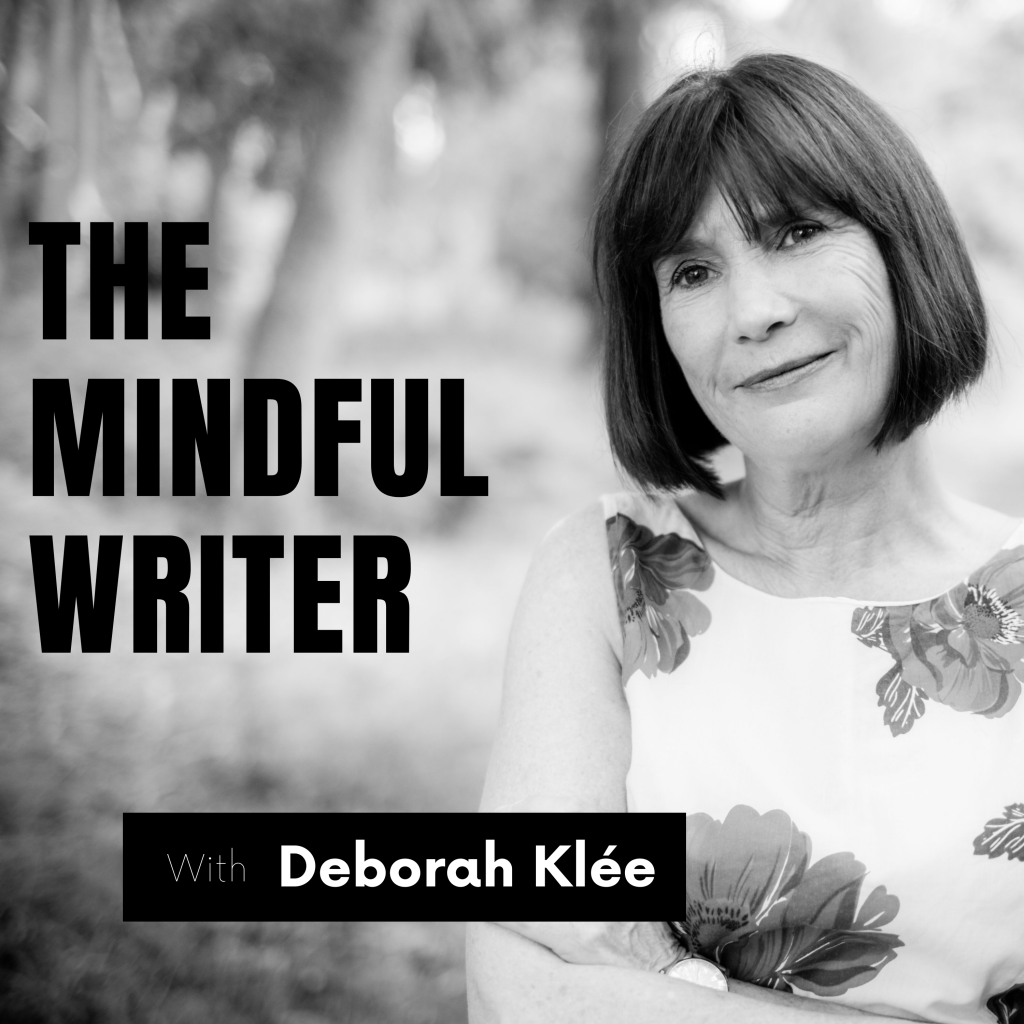








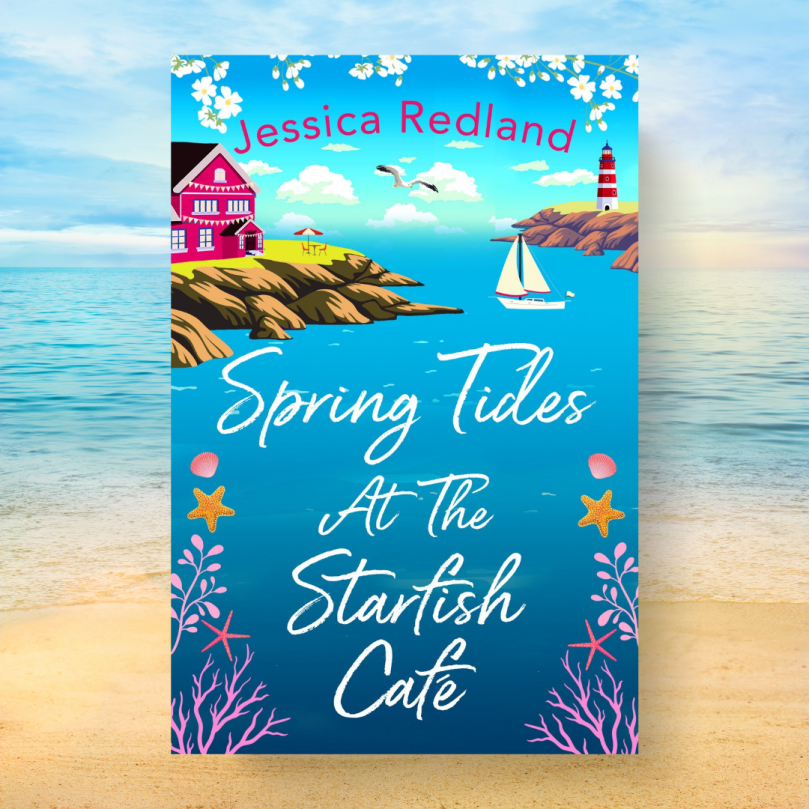


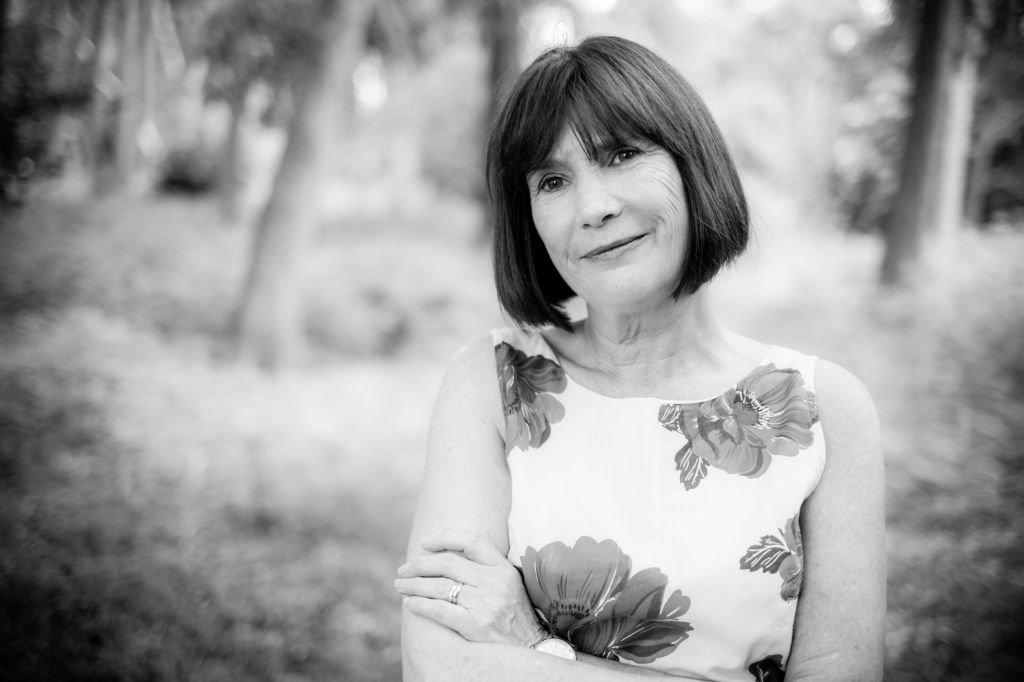


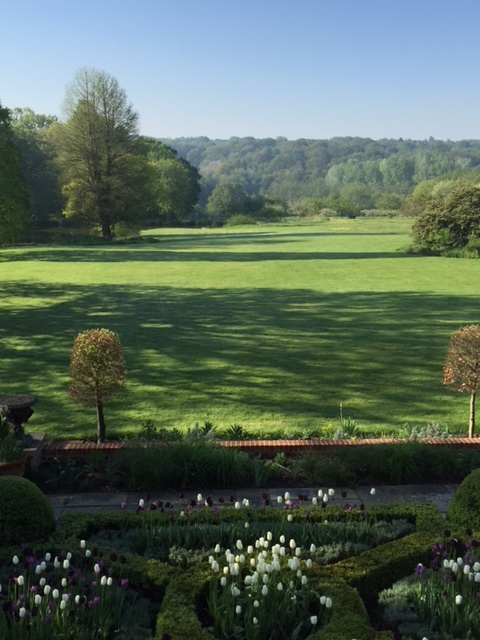 The view from my bedroom window




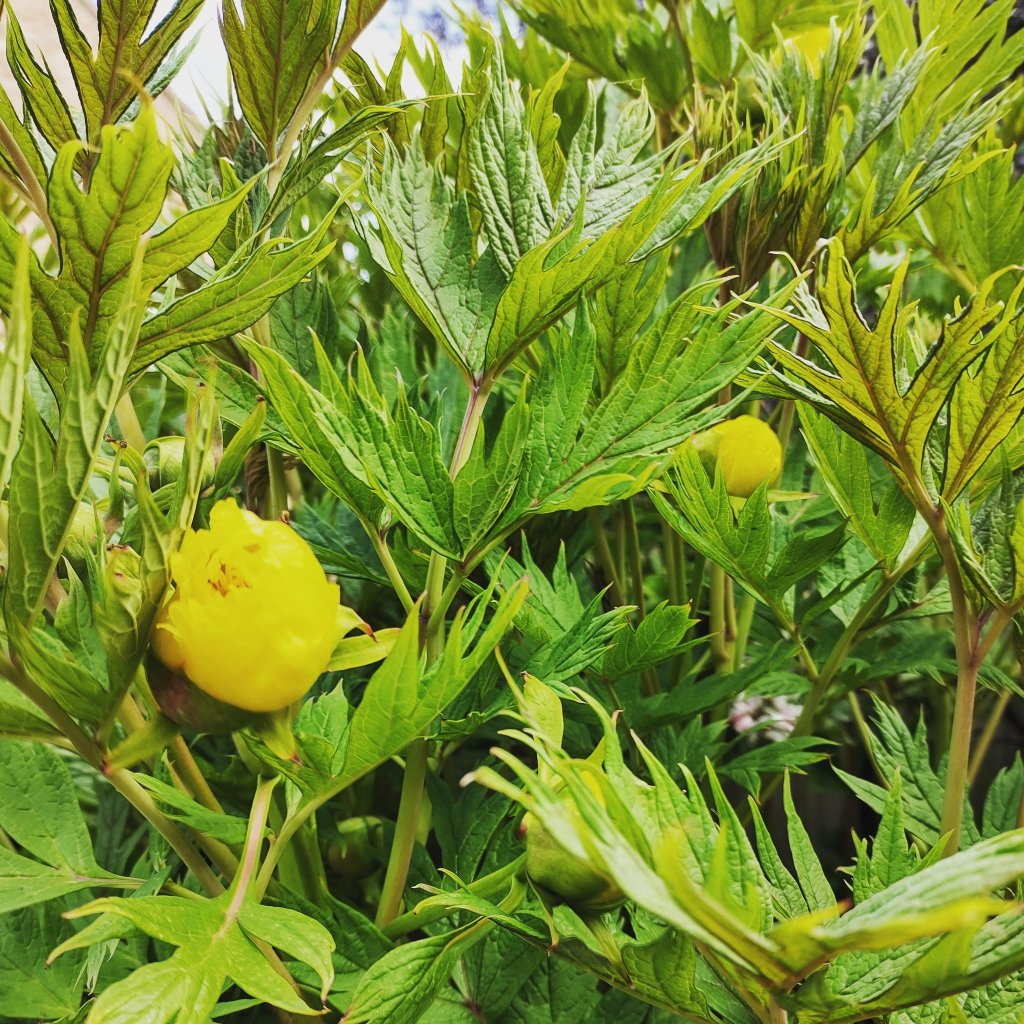
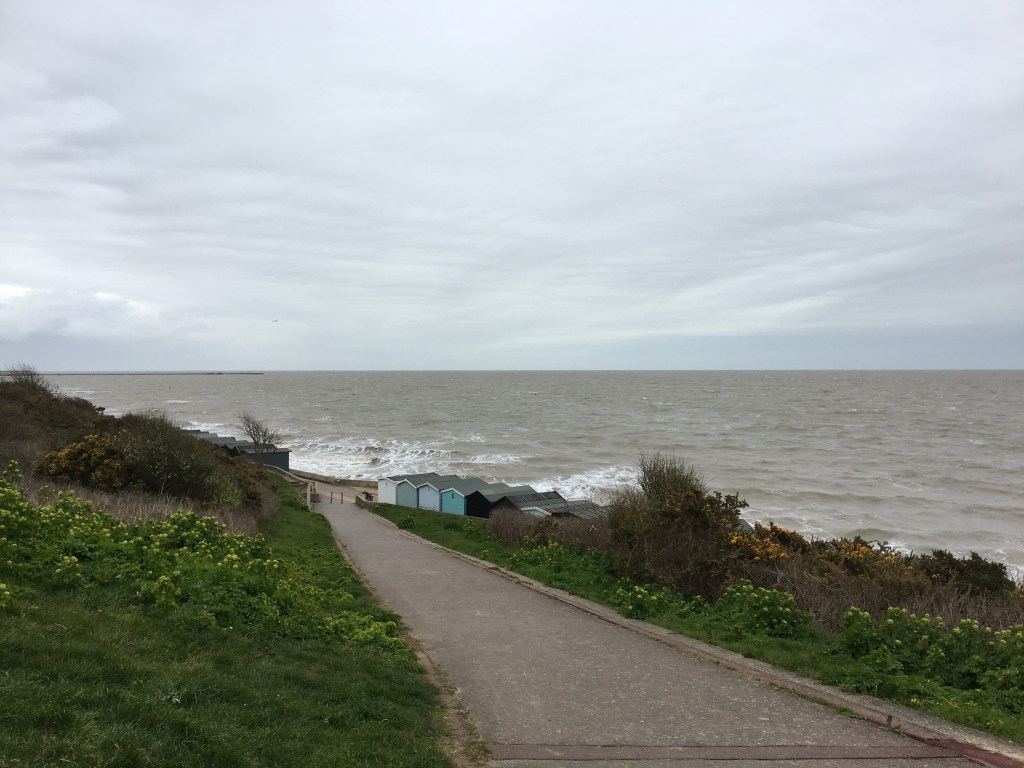
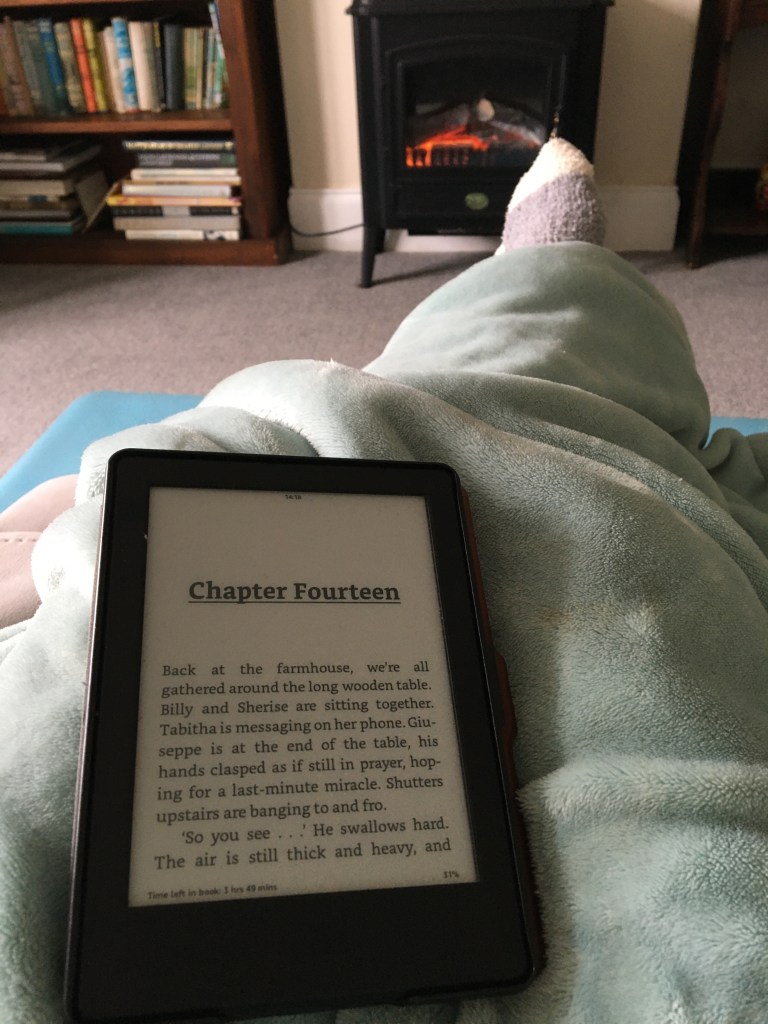
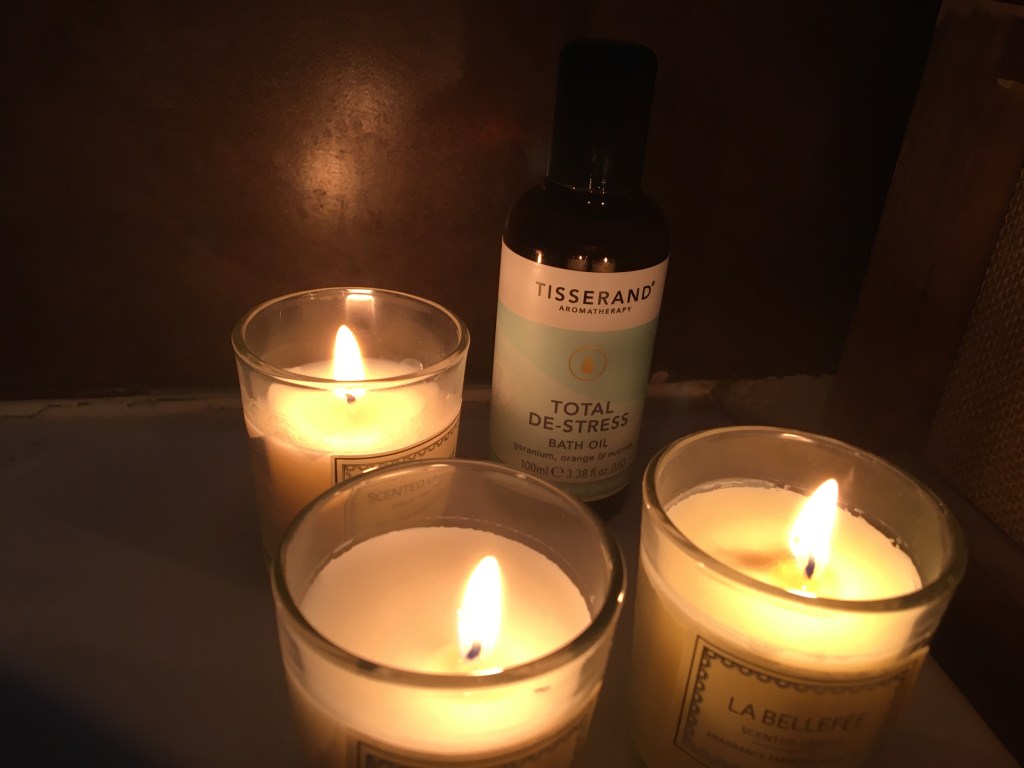
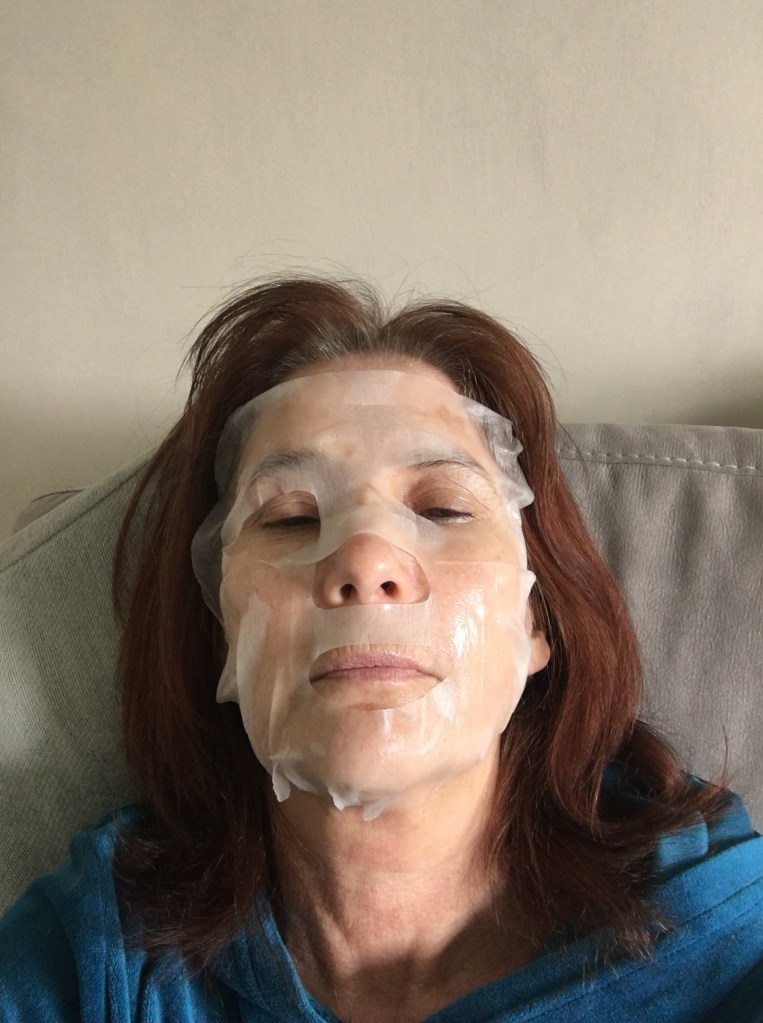


 The cheerleaders by Luis Villa del Campo courtesy of Flickr Creative Commons licensed by CC BY 2.0
  Wine by Jenny Ondioline courtesy of Flickr Creative Commons licensed by CC BY 2.0
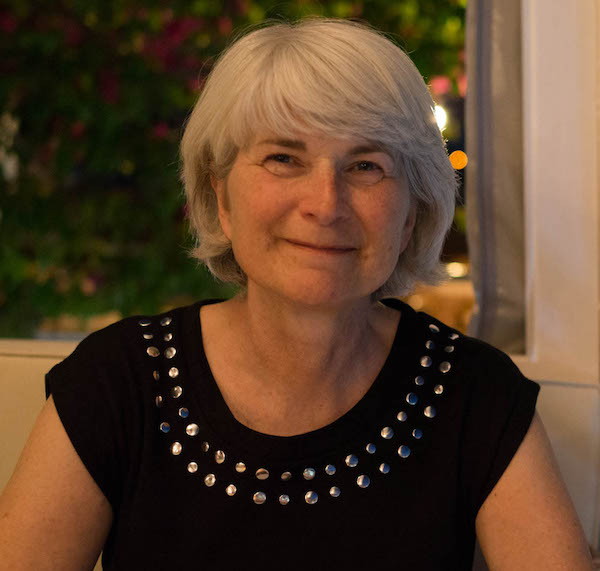
 Deborah Klee