Three mindful steps to success as a creative entrepreneur

The creative entrepreneur is full of ideas, can find creative solutions to problems and spot gaps in the market. They are self-starters, full of passion and drive. We have a vision of what we want to achieve and go after it like the Road Runner.

The downside of being a creative entrepreneur is our low boredom threshold and impatience to see results. There have been several occasions where I have self-sabotaged my success by allowing my ego to derail me. Fortunately, over-time I have learnt four important lessons.

Self-belief

You need to be your biggest champion and have absolute faith in yourself to succeed. The road to success is tough and you will have many setbacks. Know that you have something special, you have everything that you need to succeed. Each knockback is making you stronger. Believe in yourself. Listen to the negative thoughts, it is your ego trying to protect you from disappointment and failure – but respond from your brave heart, you’ve got this. There is nothing to fear. You can do this. Champion yourself with love and compassion.

Believing in yourself does not mean ignoring any negative feedback or criticism, neither does it mean doing the same thing the same way despite the lack of success. This feedback is precious. It is helping us to become better at what we do. Reframe rejection and/or failure as gifts to help us improve. Road signs if you like to help us find the right path.

To believe in yourself, you first have to know what makes you special and unique. Write down all of the things that you are good at and enjoy – these are usually the same thing as we excel at what we love. Then, the things that you are not good at and prefer not to do. We are all different. It is important to know and understand your strengths so that you can make the most of them, for example, when it comes to developing a marketing strategy and plan. 

I know a successful Indie author who creates beautiful images easily and uses these to promote her blog and books on Pinterest and Instagram. She has a Facebook group and uses images with questions to stimulate discussion. Another successful author uses her love of travel and enthusiasm for independent publishing to connect with readers through podcasts, preferring to talk to her audience. There are so many different ways to market your product you need to find a strategy that uses your strengths and that you will enjoy.

Mimzy-Pixabay

Comparing to others.

Don’t. This is much easier said than done. Of course, we all compare ourselves and usually find ourselves wanting. We congratulate other creatives on their success, the new book contract, a best-selling debut, getting an agent, or even a full manuscript request. Sometimes, it feels as though everyone else is enjoying a party and you are on the outside banging your fists on a closed door. 

Everybody’s journey to success is different. A writer at a conference I attended said in a pre-dinner speech that an author’s journey to success is a bit like childbirth. You can plan and think you are prepared but how it happens – your unique experience will be nothing like you expect it to be. I remember making a birth plan and watching a soft-focus film of a delivery in ante-natal classes. Needless to say, my experience was completely different as it will be for every single woman who gives birth. Authors will tell you about winning a competition, a chance meeting with an author or publisher, being approached by an indie publisher after self-publishing successfully, achieving success independently – there are as many different journeys as there are authors. What I am trying to say is that your journey to success is unique to you. Comparing where you are to others is pointless because you are on a different path. 

With comparison comes envy. That green goblin that gobbles your soul. Do you find yourself thinking negative thoughts? I don’t mean wishing evil upon the person you envy – although you might have such feelings. The judgements: It’s all very well having a debut best-seller but will they be able to follow it? That publisher is too small to have any impact on sales. I wouldn’t want to churn out fiction like that it can’t be any good. These thoughts are partly to protect ourselves, to diminish the pain of envy – I wouldn’t want that anyway. But they are destructive. When we have negative thoughts about other creatives, we are also harming ourselves. It is the same voice that says, You are no good and will fail. We are all part of the universe, made from the same stuff. The synchronicity that brings fortune to us is dependent upon everything coming together in our favour. We are all dependent on one another. Negative thoughts about other creatives pollute the air we breathe – the life-giving force that should be nourishing us.
Steve Buissinne – Pixabay

Consistency

I started this post by recognising the downside to being a creative, the short attention span. A new project is exciting, the adrenalin rush as you put everything into getting it off the ground. In a big organisation you might be able to hand over the project once it is up and running but many creative entrepreneurs work alone or with a small team of experts. We do not have the resources and/or manpower to trust someone else to implement the big idea whilst we move onto a new one. We also want to see results quickly and can lose patience if they are not immediately apparent. 

I am learning how to refine and systemise approaches so that they are fully embedded. It means paying attention to detail, improving quality and efficiency. It means slowing down and being present – fully focused on the task. 

It is when you have grown tired of writing your blog or recording your YouTube channel that your audience starts to discover you. By giving up too soon you do not allow success to find you. An entrepreneur who is always moving on to the next new thing will miss out on reaping the rewards from their work. 

You won’t always feel like sitting down each week to write your blog, or record your film, especially if that negative voice in your head is telling you: What’s the point? Nobody reads it? Listens to it? But you must because success is about being consistent. Showing up even when you don’t feel like it. 
Mariya- Pixabay

My final message is this – Be joyful and carefree.

We seem to believe that is we are to achieve success we have to suffer in the process. You are doing this – whatever it is – because it is your passion. Fear of failure, self-doubt, and negative thoughts are burdensome. Have absolute faith in yourself. Know that you will achieve all that you dream of and more, and trust the universe to guide you towards that goal. Take pleasure in all of the tasks you commit to. Remember why you chose to do this and be patient. When things are not happening as quickly or in the way that you expect, be curious. Reflect on what you can learn from this moment by being present and grounded. Sometimes we just have to stand still long enough for success to find us.

Understanding Autistic Spectrum Disorder in writing Just Bea

When I started writing Just Bea, I did not know that Bea was on the autistic spectrum. I had a clear sense of her personality and character traits, maybe I had drawn her from a number of other women I have encountered over time. However, as I wrote the first three chapters I suspected that this might be the case and so I did some research. 

I discovered that many women are never diagnosed as being on the spectrum. This may be because behaviours are misunderstood in girls as shyness or awkwardness. Girls and young women are generally very good at adapting their behaviour to fit in. I found through my research that young women are experts in pretending not to have autism – camouflaging. By modelling their behaviour on peers, TV personalities, or studying psychology books they learn how to fit in. Dr. Tasha Oswald has published some interesting research on this. 

Women on the autistic spectrum describe feeling fake, not understanding who they are, and the burden of continually trying to fit in.            

Bea has not been diagnosed but we understand something of her experience in chapter two when the boss, Mr. Evans, explains why she is being passed over for promotion.

            ‘What is it that I lack? What should I have done differently? Tell me. I’ll learn.’

            Mr Evans dropped a sugar cube into his tea and stirred. ‘I don’t think that you can learn these things.’ He coughed. ‘Um, maybe…’ He picked up the teaspoon and put it down again. ‘Perhaps you’d like to see our occupational health doctor, get some advice as it were? Maybe see a psychologist?’

            Now Bea was angry. Really angry. This was how it had been at school. The constant referring to something considered missing. As if she needed to be ‘fixed’. When she was younger, Bea found it hard to control the rage that this sparked, but now that she was older and wiser, she understood that it would do her no favours and she was better rising above his thoughtless remark.

I did not want to write a book about autism or write a stereotypical character because I believe many people live with this experience but it does not define who they are. When I recognised Bea in my research of young women on the spectrum, I wanted to write her authentically by understanding the lived experience of these women. 

I understood from my research that women and girls on the spectrum can be manipulated by men because they do not recognise when a man is being creepy or do not understand the social rules of when it is okay to say No. Until Bea meets Ryan she has avoided relationships with men and continues to be cautious.

Bea has difficulty processing information, for example, when Mr. Evans negotiates a career opportunity with her.

Bea’s heart was pounding. There was too much information to process. Evans was talking too quickly and Bea felt as though she was in a runaway car with no brake. Before she could say anything, he continued, ‘Alastair will control the budget. If you need to exceed the allocated fund, you will have to present your case to me. I think that is all, Miss Stevens.’

When you understand that Bea is on the autistic spectrum then the clues will no doubt become obvious; her aversion to the feel of ice on her skin, the way she is distressed by the noise and lights in the hospital, her mother’s overprotectiveness. It doesn’t matter that most readers do not pick up on this because Bea is Bea – she is not a person with autism. There are many women who experience the world as Bea does. Each of us are unique, and so is the way that we experience everyday life.If you have not yet read Just Bea, I hope you are encouraged to do so, and if you have please tell me if you picked up on some of these clues. 

How to find your perfect job

In my novel Just Bea, Ryan tells Bea that instead of trying to make herself fit she should find what fits her. 

Bea says to Ryan,

‘…I could at least prepare. Do everything possible to increase my chances of success. And I did. It’s harder for me because it doesn’t come naturally, fitting in.’ 

He replies

            ‘Maybe that’s because you’re starting from the wrong place. Take those Jiminy shoes. You didn’t go squeezing your foot into a pair that was too small or make do with ones that were too big? That would be daft. No, you found the right fit for your size and shape.’

The analogy of finding a shoe to fit came from advice I received when I had become stuck in my career. I was restless in my job; it no longer fulfilled me and I wasn’t getting shortlisted for the jobs I thought I ought to be applying for.

Up until my late thirties, my career progression had been linear. I always knew what the next step should be until I reached this stage in my life. I could only see two options: to stay where I was, or in a similar role, feeling frustrated and dissatisfied, or get promoted to the next level and that wasn’t happening.

A wise woman told me that I had outgrown my job and like a badly fitting show it was starting to pinch and rub. That I knew. But how did I fix it?

The advice was the same as Ryan gave Bea, ‘Find your shape and size and then find the job that fits you.’

Chris Kinkel Pixabay

I had tried everything else and was tired of throwing myself against the same wall – applying for jobs with high expectations, then disappointment when I got rejected. I had to find another way and although the advice seemed a bit vague, I decided to give it a go.

There were no instructions or rules so I made my own. I had to start with a clean sheet of paper – no preconceived ideas, a completely open mind. 

I made a list of things that I was good at and enjoyed. For example:

  • Researching what works well and why
  • Problem-solving
  • Mediating
  • Listening to and enabling others
  • Writing

Then I made a list of the things I didn’t enjoy in my current job.

For example:

  • Conflict
  • Internal politics
  • Operational management
  • Bureaucracy
  • Hierarchies

I kept on writing – brainstorming. When pages of paper were covered in lists, diagrams, and swirls I took stock. I had a job specification but I didn’t know whether there was a job that would meet it. The posts I had been applying for certainly didn’t. It was a template – my shape and size. Now I just had to find a job that would be a perfect fit.

The next time I opened my trade journal on the jobs page I didn’t look at the job titles, instead I checked the descriptions and then, if they were a possible, I requested a job specification. If I had not taken this approach then I would never have discovered the perfect job for me. My eyes would have slid past the job advert as I had become 100% focused on what I considered to be the next logical move. 

I had to go through a rigorous selection process but all of the exercises played to my strengths and of course, I was offered the job. It is a job that I loved and it led to many more exciting opportunities. 

There is a lesson for us here. When we hit a brick wall we need to stop and consider why. There is a reason. If we are too focused on one particular outcome then we are blinded to other opportunities and it takes longer for us to find the right path. 

We are unique individuals with our own special gifts. How can we expect others to see what we have to offer if we do not know ourselves? It takes imagination and self-belief to find our right path. Honesty and courage. The alternative is to stay still and be miserable or beat ourselves up by believing we are not good enough.

Whether you are looking for promotion, a change of career, or trying to get published, stop and take stock – recognise your unique contribution and then find the right home. I have done this in my journey to publication and in finding the best way to market my books. I know what I am good at and situations where I do not thrive. Nobody knows you as well as you do. So be kind and nurture yourself. 

How to feel grounded in times of uncertainty

Recently, I had a dream. The ground had fallen away in my garden, exposing the roots of plants and shrubs, and if that wasn’t bad enough, somebody had moved the fence reducing my garden to a fraction of its former size. It is an easy one to translate, given the fear and uncertainty surrounding the pandemic. On a day to day basis, I think I am fine coping with the changes to my life, and I am taking good care of myself and loved ones. My dream tells me otherwise. This is a challenging time for all of us, and we need now more than ever to practice feeling grounded.

In the UK we have just heard that we are to have another full-scale lockdown, following other countries such as France. Although this is not a complete surprise, I understand fully the fatigue and distress this will cause for many people. It is as though we have been running a marathon and just as we think the finishing line is in sight we find out we have miles yet to run.

Everybody’s situation is different. You may be afraid about your future income and paying the mortgage or whether your business will survive. A health professional working at the frontline exhausted from treating patients in the first wave and facing an even harder winter. A single person living alone without the company of work colleagues and friends, concerned for your mental health. Or separated from a loved one who is in a care home wondering whether you will ever see them again. It is tough. It is painful and it is frightening. 

The turmoil created by uncertainty and fear makes us unsteady. We find it hard to concentrate, sleep badly, feel panicked, and anxious. I get migraines and eczema, my body’s way of telling me that there is an imbalance in my body that needs attention. This is what it means to feel ungrounded.

Photo by Felix Mittermeier on Pexels.com

To be grounded is to feel connected with your body and/or the earth. It is about being fully present. To have a clear and calm mind. It is difficult at this time, but essential if we are to take care of ourselves and our future. When we have a clear mind, we are more receptive to ideas and opportunities. We are better able to plan and to take control of the things we can influence. 

There are practical things that we can do to feel more grounded.

  • Go for a walk where you can get close to nature. I love to walk in the woods. The smell of leaf mould, rich dark earth soft beneath my feet, and ancient trees, it is a great way to feel connected to the earth and forget for a while about any worries. If you live in an urban area, any green space can offer similar benefits. 
  • Try mindfulness meditation. If this is new to you the HeadSpace app is a good place to start. You can find a 7 day free trial at www.headspace.com The meditations last no longer than ten minutes. With practice, you can learn to still your mind. Even if it is just for one minute, you will start to feel the benefit of regular practice. When I was new to meditation I would find ten minutes each day, even if it meant sitting in my car when I had a short break at work or listening on the train. My blog on Meditation Challenge Part one explains how learning to meditate helped me to feel grounded when experiencing a challenging time in my life.
  • Exercise. Something that focuses you on your body and stops your mind from wandering. For me this is yoga. There are yoga classes for being grounded on YouTube. Try Yoga with Adrienne. If you don’t enjoy yoga then dancing, Pilates, running, swimming – anything that helps you switch off your thoughts and connect with your body.
  • Relaxation – using a guided visualisation or listening to calming music. Try to focus inward and ask yourself what you want and need. Then honour yourself with kindness. If you need more sleep, get an early night. Try and reduce the pressure on yourself. In my blog Restore and renew your creative spirit, I suggest how you can enjoy a spa day at home.

To feel grounded, we need a solid foundation. I imagine myself as a tree. My roots go deep into the earth, holding me firm, and my branches reach up, the leaves absorbing energy from the sun. I am strong. I am grounded. This is my mantra and affirmation. 

When you feel fatigued and overwhelmed, try thinking about it this way: The experience is making you stronger and more resilient. As you learn how to still your mind and draw on your inner resources you are growing as a person. You are becoming a warrior and will be better equipped to face future challenges. 

A mind in turmoil is of little use but a calm mind will help you to spot new opportunities and solutions to problems. Control the things that you can by focusing on what needs to be done, and let go of the things you have no control over. 

As this blog is about the inner journey of the creative I will use an example from the writer’s life. You can write and publish a novel to the very best of your ability using all the resources and expertise available to you, but you cannot control who buys your book or what the reviews say. Sure, you can spend time and money on marketing your book but that is all. Despite this, all writers angst about sales and reviews. It can make a writer feel panicked and anxious – sure signs of being ungrounded. Comparing yourself to others – feeling inferior or superior, are signs of being unconnected to your body and true self. Stay grounded. Be consciously present. Focus on the things you can control and let go of those you cannot.

I hope that this helps you to find ways to stay grounded. Keep safe and be kind to yourself.

Finding direction

Just before Valentine’s day, there was a heavy fall of snow, a rare sight in the East of England. I had a childlike urge to play in the snow and so did the next best thing, I wrapped up and went for a walk. My usual walk is by the sea but I wanted to sink my boots in the snow that blanketed the fields around me. I knew that there were cross country walks but despite numerous attempts in summer months, I had been unable to find the footpaths. So, I set out in good faith with a plan but no idea how I was going to achieve it.

I headed for a likely starting point, the cricket club. Beyond the clubhouse were fields and in the distance a church spire marking a neighbouring village. A couple of children tugged a sledge up an icy slope. Their mum followed, looking like one of the children wrapped up in winter clothing, her face barely visible between hat and scarf. I asked if there was a walk and she gave me two options. Then, helpfully she walked me to the start of a path. 

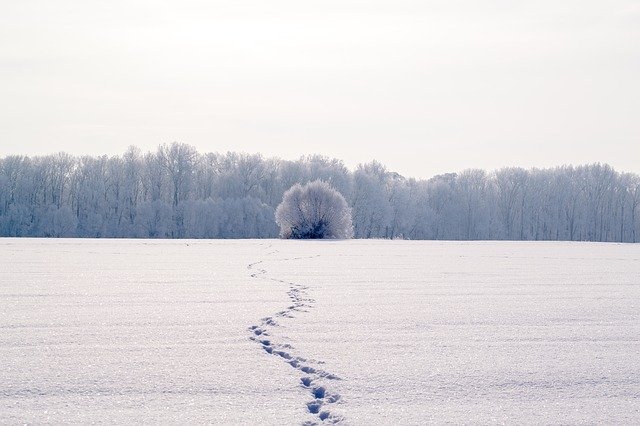
There was no footpath to follow but someone had gone ahead of me their prints still deep in the snow and so I planted my step alongside each of theirs. I had no idea where the path would take me, only that I had to head in a certain direction across one field, around another, and so on. The footprints were my silent companion and I gave myself up to the beauty of the morning.

Lichtmagnet – Pixabay

The situation I was in reminded me of a time when I had travelled alongside a young blind man as he made his way into work. He was a fellow commuter and so I knew something of his routine. His mum would walk him to the station and when one of the other commuters stepped forward to assist, she would leave him to get on the train. On this particular morning, I was that person. As my friend left me to walk across the concourse and up an escalator assuring me that he didn’t need my assistance I was impressed by the way in which people came to his aid seamlessly as though they were waiting to perform a flash dance. Just fellow commuters, like me, quietly providing reassurance and making sure that he got safely to his destination. 

I stomped on through the snow unsure of where I was headed, if it wasn’t for the footprints I would have questioned if I was on the right path. Eventually, I came to a gap in a hedge. My directions were to head towards a hill but my imaginary companion had taken a different route. We were the only two people to have walked this way as the snow was thick and even. The road less travelled looked a little daunting and so I put my faith in the person who had gone before me and made two footprints four.

My mind wandered again and I remembered a printed card I had bought as a souvenir from a cathedral visit many years ago. 

I love you and I would never leave you. During your times of trial and suffering, when you see only one set of footprints, it was then that I carried you. From a poem by Mary Stevenson 1936.

Thinking back to that walk in the snow it was perhaps a message that I needed to hear. 

The world was still as though wrapped in cotton wool, the snow muffling any sound. Nothing for miles but swathes of white. East Anglia is known for being flat. Apart from a gentle slope that my guide described as a hill, it was like an expanse of ocean restful on the eyes. 

I had been walking now for forty-five minutes and my face was numb from the cold. There was a little copse of trees ahead and I wondered whether I was approaching civilisation. As the scenery changed, I was excited to see what lay ahead – whether I was close to another village and if I would have to retrace my steps or find a circular path. The footprints approached the copse. I followed them despite the terrain being slippery. If my companion went this way then so would I.

The young couple cuddling under a tree look startled to see me slipping and sliding down into their little den alongside a brook. I tried to creep by being as unobtrusive as possible but it was tricky. I did not know how my companion had crossed the brook. The boy, he looked about sixteen, said, ‘I don’t think it’s safe to go that way. The water’s covered over and I’ve heard down that there are deep snowdrifts.’

I clambered out of the dell wondering what had become of the other footprints. Maybe I had missed a turn.

‘You can take another path that goes in the same direction. Do you want me to show you?’

I gratefully accepted. The boy pointed out which way I was to walk. Then I saw another set of footprints coming from that direction. ‘I’ll follow those footprints,’ I said.

‘Those are mine,’ he replied.

So, I had followed the girl to their secret meeting place. No wonder they were surprised when I blundered across them. It was February 11th so a lovely Valentine’s tale. The boy’s footprints led me to my father’s care home. I had no idea that this was where my journey would lead. 

I phoned reception and asked if I could sneak in the gate to look at my dad through his window. I knew that he would be sleeping but I just wanted to see him. He had been unwell and restricted visiting during lockdown meant that any sight of him would have been a joy. Although I was given reluctant permission the gate was locked so it was not to be.

My father died three days later on Valentine’s day. Maybe now there will be just one set of footprints in the snow as I am carried during this time of mourning. 

If you need help with finding direction in life see How to find your life purpose

Why we all need a cheerleader

This week I am sharing an excellent blog from my very own cheerleader Ellie Holmes.

ellieholmesauthor's avatar

Cheerleadersjpg The cheerleaders by Luis Villa del Campo courtesy of Flickr Creative Commons licensed by CC BY 2.0

https://flic.kr/p/FNQZ4  https://goo.gl/sZ7V7x

We all need a cheerleader in our lives, someone who supports us in whatever we choose to do. A person who is there when the going gets tough with a supportive smile, a reassuring squeeze of the hand or an encouraging nod. A person who will listen calmly as we rant about the injustices that have befallen us or which we imagine have befallen us. Someone to share the wine (whine?) with.

Winejpg Wine by Jenny Ondioline courtesy of Flickr Creative Commons licensed by CC BY 2.0

https://flic.kr/p/qgH4JR   https://goo.gl/sZ7V7x

Our cheerleader is a person who has the clarity of vision to look at any given situation and whilst still playing the role of our cheerleader can see where we might have taken a wrong turn and not be afraid to…

View original post 375 more words

Five things yoga has taught me

You don’t have to contort your body, sit in the lotus position or find your downward dog to benefit from the teachings of yoga. My inspiring yoga teacher Jocelyn https://corevitalityyoga.com drops words of wisdom into our practice that have a much wider application than yoga. Here are five.

1. The pause between breaths

In yoga we still the mind by focusing on the pause between each breath. As we take a deep breath in, pause and then a long, slow breath out, and pause – our thoughts slow down. In the stillness of the pause, we find a space between our thoughts.

In our busy lives we are constantly planning or stressing about the future or reliving past events, analysing them and finding fault. It is hard to be still and present. But this is where we need to be to feel grounded and to find our inner strength and calm.

I am always on the go, impatient for things to happen. I charge through my life as if in a race to the end. When it feels as though things have slowed down, for example, when as an independent management consultant I had a period with no work, I wasted the precious time fretting about the future. It took me some time before I learnt to be grateful for the pause. It is a time to rest and restore. We need the pause between to gather strength and inspiration for what is to come. In the depths of winter beneath the barren soil new plants are preparing for growth. Enjoy the pause. Trust that everything happens in its own time and be thankful for the opportunity to reflect and renew.

2. Where you focus your attention is where the energy will flow.

In yoga we direct our attention to a part of the body as we stretch and strengthen. Mindfully moving energy around the body is integral to yoga practice.

This message is true of all things in our life. When you understand what is important to you honour yourself by investing time in this activity. Keep focused and don’t be distracted. For example, in my quest to become a successful author I could waste my energy comparing myself to other writers, or get sucked into the noise of social media. If instead I focus my attention on turning up each and every day to write then over time my writing will improve. If something is important to you make this the focus of your attention and over time you will experience the positive energy of this consistent practice.

Photo by Lauren George on Unsplash

3. Small movements over time can have a significant impact.

When I started practicing yoga on a regular basis about seven years ago, I had a bit of a hump between my shoulders as a result of hunching over a computer for long hours. My yoga teacher noted this and encouraged me in class to expand my chest and free my shoulders. As I knelt in a heart chakra position my arms outstretched, I imagined a trickle of water flowing between my shoulder blades softening the tight muscles. Too miniscule to be detected on a daily or weekly basis but years on I can see a big improvement in my posture.

The small changes that we make to our daily routines have an impact over time. Whether that is taking the time to write every day, piano practice, meditation, a change to your diet – it doesn’t have to be a grand gesture. Write for fifteen or thirty minutes a day. Cut out a sweet treat. Something small that you can commit to over a long period of time. 

Think of a cruise ship headed for New York. If the direction changes by one degree the ship could end up in an entirely different destination.

4. Where you feel the most resistance is where you need to do the work.

One side of the body is always stronger or more flexible than the other and this is the side that we prefer to work with. However, it is the side where we experience the most resistance that we need to work.

Isn’t this the way in life? We love doing the things that come easy. But to grow and fulfil our potential we need to step outside of our comfort zone. It is hard learning new skills and overcoming our fear of failure but the rewards when we persevere and rise to the challenge will make it worthwhile. 

You don’t won’t to be a wonky-donkey. 

5. Yoga is not about striking fancy poses

When we come to our mat in yoga it is about who we are and requires self-awareness. It is about stilling the mind and tuning in to what our body, mind and emotions are experiencing and what we need.

Each of us is unique. We are told in yoga not to compare ourselves to others in the class, or to our previous performance. To accept where we are and work with what we have.

This has been a hard lesson for me. Always looking towards my next achievement, I drive myself hard. There have been times in my life when my impatience to get to the next stage of development led me to fool myself that I was already there. With that came disappointment and frustration. I am learning to accept where I am now with grace and gratitude. This state of mind accelerates my development as I am open to opportunities. When I understand what I need it finds its way to me.

Writing this blog, I have discovered just how much a daily yoga practice has influenced my life. It demonstrates the gradual transformation we experience with what would appear to be miniscule changes over a period of time. You don’t need to take up yoga if it isn’t your thing but I hope that in reflecting on my experience I have imparted some of the lessons that have made a difference to me.

Harrods of Knightsbridge -An insider’s view.

This week I have invited my good friend Sue Chotipong to write a guest blog. Sue’s stories about her life as a buyer for Harrods inspired Just Bea. Although I used some of the material that she shared to bring authenticity to the fictitious department store of Hartleys there was a wealth of information that I could not include. It had to be featured in a blog and who better to write that blog than my friend Sue.

Before I retired, I was the buyer responsible for Bedding, Towels and Bathshop, which had a combined turnover of about £20 million a year. A very successful and profitable area with experienced, senior sales associates, some of whom had worked in Harrods for over 20 years. Admittedly part of their day was spent in the stockroom area ironing bed linen ready to be displayed on the 20-odd beds in the department ( all super king size! ), and then re-ironing and folding the linen when it came off the beds, to be re-packaged to go back into stock.

The store was experiencing a huge increase in sales, thanks to the massive investment by Mr Al Fayed on new and re-furbished departments, to enhance our offer of the latest exclusive and often limited-edition products – just what our Middle Eastern clients were looking for. Harrods even   extended its opening hours, not closing until 10pm to accommodate their shopping habits back home, as they liked to shop well into the evening.

Many of these were from the wealthy United Arab Emirates and Saudi Arabia and included the Qatari Royal family, and in fact it was the business group Qatari Holdings that went on to buy the store in 2010. Some of these Arab families had bought second homes in central London and would come to stay for the summer months to escape the extreme heat in their own countries.

Often younger than our traditional clientele, the extremely wealthy young men would even ship their supercars to use in London and they would spend their evenings revving and roaring around Knightsbridge, much to the delight of car enthusiasts, but to the annoyance of the local residents.

Meanwhile, the women would shop. Groups of family and friends would meet and spend the whole day in Harrods, where they could get everything they wanted under one roof. 

Arriving for a coffee, then shopping for luxury fashion brands, handbags, shoes. After having lunch in one of our many restaurants, shopping continued and maybe a treatment or two in the Beauty Salon. 

Sue Chotipong Buyer for Harrods

In the afternoon a group of six or eight women would enter the Linens area. Dressed in their traditional long black robes, you might just catch a glimpse of diamond rings and watches and Swarovski encrusted mobile phone holders. On their feet you would spot the famous red soles of Louboutin shoes. They would generally be followed by their own security men, at a discrete distance. Going back a few years, their security would carry huge amounts of cash to pay for their purchases, but nowadays it is generally card transactions, so the men were mostly used to carry their purchases and keep selfie snappers away from the women. 

In Linens, all 20 beds would be dressed ready for these clients. Having walked around the area, the sales staff, who would have greeted them when they entered, were now keeping a distance until one of the group stopped at a bed. Fortunately, we even had Arabic speaking staff. Like a flash, the sales associate was there. 

“I’ll take that” one would say pointing at a bed. She didn’t mean just the duvet cover set, but everything that was displayed: the sheets, fitted and flat, the duvet cover and maybe six or eight pillowcases, another half a dozen decorative cushions, maybe decorated with designer logos in Swarovski crystals, a fur-trimmed bedcover, a cashmere throw – if we had draped a dressing gown and slippers on the bed, they would take those too – they would then be able to recreate exactly the way the bed was dressed when they returned home. 

This would continue as all the women in the group made their selection, including sets for guest bedrooms and staff quarters (plainer, cheaper options!)  These purchases could add up to many thousands of pounds. The staff, being on commission, could make a lot of money during the summer months and often would choose not to take their holidays during that period so they could reap the rewards of a busy summer. 

One of the perks introduced by Mr. Al Fayed was the Millionaires Club.  It was for the top 100 sales staff in the store, each of whom had taken over a million pounds worth of sales in a year. They were announced at a special cocktail party where Mr. Al Fayed would hand out Gift Vouchers, maybe a watch, (the presents changed each year), free spa treatments, extra staff discount for the year, a pass to allow them to use all store entrances instead of using the staff tunnel, oh, and a trophy!

So, commission was an important perk of the salary package. Based as a percentage of their individual sales, it could be contentious.  Take the watch department. A client would be served by one sales associate who sat him or her down, showed all the options and at the end of the sale, the watch would be boxed and placed in a gorgeous ribbon -tied bag. Job done.

But in some departments, the sale could comprise of dozens of items. Some of the items might have to be taken from display, so would need re-packaging. It could take ages for all the goods to be stacked up on the counter and processed through the till. They might then have to be boxed if being delivered to a hotel. None of this was easy without the help of your colleagues but they would not share in the commission. Of course, it could be reciprocated when your colleague had a big sale and needed your help, or maybe, very unofficially, the salesperson might share some of the money.

I remember a Saturday evening one December. It was the night of the Staff Ball which was being held at the Dorchester Hotel. The staff, especially the ladies, were anxious to leave on time and get dressed and made up ready for their taxi ride to the venue. Well as Sod’s Law would have it, there was a HUGE sale going through and all hands were needed as we helped to strip beds, repackage the sold items, hand item by item to the sales associate to process at the till. There was stock and boxes everywhere and the department was wrecked. (The order was to go to an airport to the client’s private jet). Of course, we all stayed until the job was done.  The staff got to the Ball, and then those who were working on the Sunday had to arrive early the following morning to recover the department, ready for trading at opening time…that’s luxury retailing for you.

How to lift your mood in lockdown

We have all experienced those dark days during this pandemic. The days when it feels as though it will go on forever and you mourn all that you have lost. Your independence, freedom, social contact, hugs, travel, and adventure. Many people have lost loved ones and/or their livelihood. We have endured months of this challenging time and like marathon runners, we sometimes hit a wall.

Last week when I popped into the little grocery store on the corner of my road, the owner, an Asian woman who always greets her customers with a smile and kind words, seemed distracted. She wasn’t hearing what I was saying and she was making mistakes. When I asked what was wrong, she told me that she was afraid of the consequences of this third lockdown (in UK) on her, her family, and her business. I reminded her of how well she had managed the last two lockdowns and how we had all relied on her shop.    She said, ‘That was because in the first lockdown we didn’t expect it to last more than two months and so it was easier.’

            I replied, ‘When I’m running and feel as though I can’t run another step, I follow Paula Radcliff’s tip. I tell myself that I just have to run to the next lamppost. That’s easy. Then just one more. Could you think of the lockdown like that? Just get through one week or a month at a time?’ 

            I didn’t think I had offered much comfort but she paused and I could see she was giving this some thought. Each time I pop into the shop she reminds me of what I said and tells me that it did help. So, I am offering it up here as just one little tactic that might help to change your mindset.

When I experience a particularly dark day, I practice gratitude. It is not the gratitude I learnt as a child, ‘Think of all those who are less fortunate than you.’ When we do that it can make us feel guilty for being miserable and that does not help. 

Hans Braxmeier Pixabay

Gratitude, love, and joy generate feelings that lift our spirits. Even when we are feeling low, we can find those emotions. Writers have to do this all of the time. We remember a feeling so that we can describe it accurately and in doing so experience it again from memory. A good writer conveys this to the reader triggering their emotional memory.

On a dark day, this takes a bit of effort but some techniques can help you to go inward and experience feelings of gratitude. 

Imagine yourself as a young teen or older. This younger version of yourself is given a glimpse of your life now- what you have achieved, where you live, the people in your life. How does that feel? I know I would be overwhelmed with gratitude that my life worked out as it did. Take just one thing that you never thought possible that you once desired with all your heart – something that is now part of your life. Feel the gratitude as if you are that younger self looking into the future.

We very quickly take for granted the good things in our life. Last week I noticed that my diamond eternity ring had slipped off my finger without me noticing. I was frantic. The ring represented a special time in my life and was a symbol of a long and happy marriage. As I searched for my ring it felt impossible. It could be anywhere. I kept telling myself it was just a thing, not a person and so I should not be so materialistic but I won’t lie I felt sick. Then, miraculously I found my ring in the wastepaper basket. It slipped off my finger when I was wiping away excess hand cream with a tissue. I said a prayer of thanks. The gratitude for finding my ring was powerful. I held onto that emotion. Think of a time in your life when you were thankful for what felt like a miracle. Or remember a time when you regained full health after a period of illness. We have a deep sense of gratitude but it is fleeting. By remembering how it felt you can generate the uplifting power of that emotion.

Travelling, meeting with friends and family, hugs and kisses, going to the theatre and exhibitions, these are all things that are missing from our lives right now. Instead of mourning the temporary loss of these privileges focus on how lucky we were and are (because they will return to us). Feel the gratitude for these gifts. We may think that we will never take them for granted again but we will. 

I have suggested a few ways in which you can generate a feeling of gratitude on a dark day when you perhaps do not feel that you have anything to feel grateful for. Similar techniques can be used for generating feelings of love and joy. Meditation gurus and yogis believe that these three emotions vibrate on a higher frequency which has a positive impact on our physical, emotional, and mental health. I know that when I practice gratitude in the ways that I have described it is very effective in lightening my mood. 

I hope that you find something here that is of benefit to you. An earlier post Feeling grounded in times of uncertainty may also be of interest.

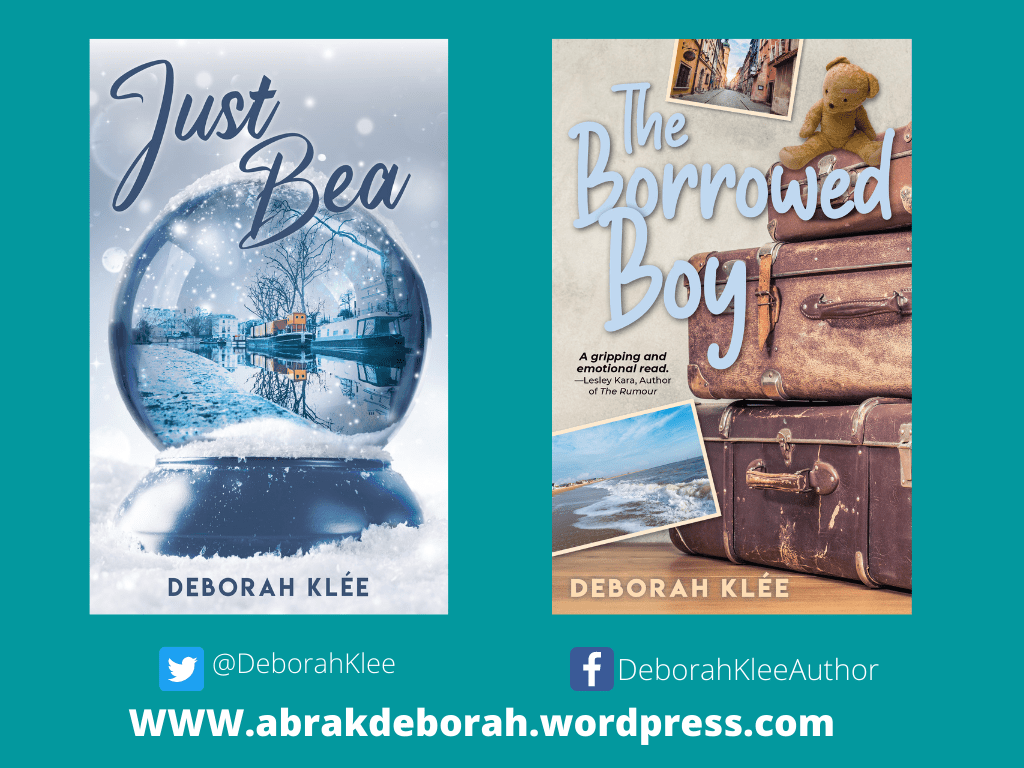
I did not want my post to be all about me so I saved my news until last. Today 1st February is publication day for my 2nd novel Just Bea. I am extremely grateful to you for reading my books, the writing community for your support, and the amazing book bloggers who work so hard to read and review books so that they can introduce them to new readers. If you would like to join my launch party this week or follow the blog tour then head over to the Just Bea page to find out more.

Mothers and daughters

The theme of mothers and daughters seems to run through my books: Angie Winkle reflects on her relationship with her mother in The Borrowed Boy. Bea has a difficult relationship with her mother who is overprotective but also her biggest champion, in Just Bea. I am currently writing Misdirection and again this important relationship between mothers and daughters is emerging. 

I had a close relationship with my mother. Although she died seven years ago, I carry her in my heart. She is my inner voice giving her guidance, blessing, and reminding me what is important and what is not. Just as she did when she was alive.

The loss of any loved one is hard to bear but losing a mother brings a special kind of grief. They are a source of unconditional love. A childhood nightmare of being separated from your mum becomes a reality and you feel as bereft and cut adrift as if you were that little child. Until I lost my mother, I did not fully comprehend the enormity of this loss. It doesn’t matter how old you are – male or female, it is devastating. 

In the early days of my bereavement, two thoughts comforted me. I had a strong sense of my mother; we had shared so much in my lifetime – part of me was her. In fact, when my mother knew she only had days left to live she said, ‘You are me now.’ What she meant was, I now had the responsibility of taking on her role in caring for the family – holding us all together. 

When I was grieving, I imagined a cherished shrub in the garden. It never died because when it started to die back there were always new shoots. Like that shrub, my mother continued to live through me. I came from her and she would always be a part of me.

The other thought that comforted me was something I read. The grief of bereavement is an expression of our love for the person who has passed. Love is good. It is a positive emotion. When I thought of grief as an outpouring of love it felt healing and I welcomed it instead of fighting it.

On the evening that my daughter was born when I had slept off the trauma of giving birth, I asked a nurse to bring my baby to me. I held that tiny girl in my arms and felt something within me unfurl, like a flower opening up to the sun. It was a part of me that had been lying dormant. I did not even know it existed. Now I felt whole.

Soon after her birth, my husband gave up work to be a stay-at-home dad and I took on the role of sole wage earner. This was not a terrible hardship as I loved my work but I also loved being a mum. As soon as I got home from work each evening, we played together. My daughter would be waiting at the window or door to greet me and we were off – no time to change or have a cup of tea, she would lead the way to a den she had made with the bedclothes, or tell me the part I had to take in a play she was producing with her dolls. I was fortunate because my husband prepared the evening meal and so I was free to play. I loved those imaginary games. I always have. I would lose myself in the game in the same way that I do in writing a story. 

We are still the best of friends today. This is a shot of us in Amsterdam when we went away for a weekend together.

This wonderful relationship with my daughter may have confused her because she drew a picture of two small stick figures holding hands and a bigger one who she said was Dad. Then, there was a time when she was about twelve and I was reprimanding her about something. My other half came up the stairs saying, ‘What’s going on?’ to which my daughter said, ‘It’s not fair, he always takes your side. Just because you’re the eldest.’ 

Today she is thirty-one and we continue to be close. I am incredibly proud of her and all that she has achieved. 

The relationship between mothers and daughters is not always smooth, especially when daughters are in their teens and trying to break away to establish their own identity. 

My mum gave me a little book compiled by Shelley Klein called Mothers and Daughters: A special collection for That Special Relationship. It is full of wonderful quotes. This one is from Charlotte Church.

‘My mum is one of the most courageous women I know. She’s so strong. She’s emotional and passionate about everything in her life. Sometimes we hate each other and then sometimes we love each other so much it’s ridiculous.’

You can be anything that you want to be – here’s how

I always told my daughter you can be anything that you want to be. At three years old she said, ‘I want to be a king and an acrobat.’ Of course, if you could be anything why wish to be a queen, when you could be king? Anyway, this was the explanation she gave me when she was older and I questioned, why a king?

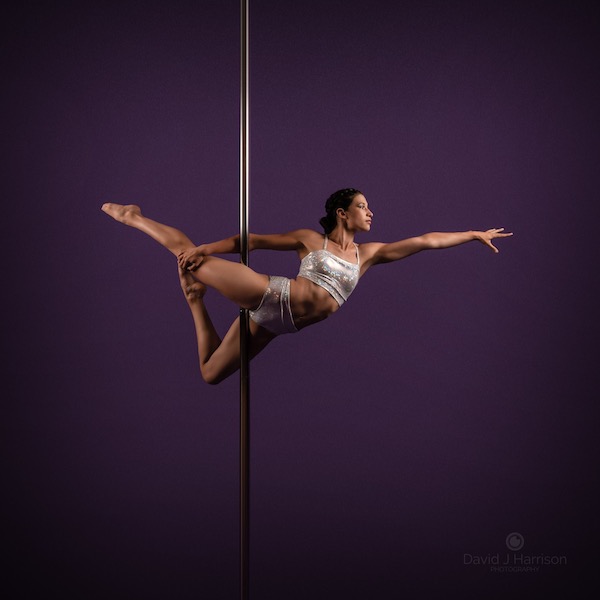
My beautiful daughter is now thirty-one and as you can see from the photo below, she is an accomplished acrobat and much more. She is both King and Queen of her world, and of my heart. 

To make the most of our time on this earth we first need to discover our life purpose. When we find this, it is like unleashing a powerful energy- our life force. Some people call it a passion. It drives us to achieve and can fill us with an unbearable longing – a heartfelt wish, as we strive to fulfil our potential and become our authentic self. 

It is a challenging journey. The vision that we have – to become a King, may feel impossible at first and there will be times when we wonder if we should just give up. That it is too hard. It is hard. My mother always told me that nothing worthwhile is ever easy. When we find the thing that brings us joy – our purpose, then we must honour ourself and our creator by pursuing our dream. 

Self-doubt

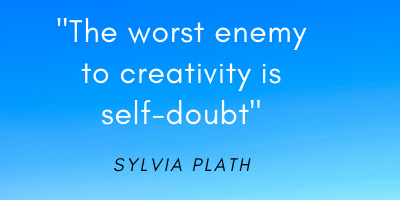
The biggest barrier to success is self-doubt. Before we even get started the thought goblins will be telling us that there is no point, that there is too much competition, we can’t afford the specialist equipment, we are too old. Thought goblins will come up with one reason after another. It is their job, they are trying to keep us safe, and avoid the risk of disappointment or failure. Another voice – our heart, will tell us not to give up, that this is our dream. We must follow our heart. Listen to our inner voice.

Creatives will know the power of self-doubt. The fear of failure that can kill an idea before it has a chance to take root.

Above all else believe in yourself. Practice daily affirmations if that helps. I save my best reviews and emails from editors and publishers that tell me I can write, and I read these when I feel my confidence ebb.

Discouragement

Our family and friends might love us dearly, however, when we discover a new passion, and start to realise our potential we change. This can have an effect on our relationships. Partners and close friends might feel uncomfortable with a shift in the status quo and try to hold us back, by feeding our self-doubt or discouraging us. Listen. Be kind and understanding. Reassure. But do not let this deter you from your goal. Your loved ones will adjust in time and if they do not then it is their problem to resolve not yours. 

Competition

There will always be some people who are more and some who are less accomplished than we are. Learn from those who are more skilled and offer assistance to those who are not. When we start looking around to size up the competition, we lose our stride and fall back. Do not compare yourself with others or with other versions of yourself. Keep present. Focus on what you are doing now and strive to make it the best it can be.

photo by Dimitris Vetsikas Pixabay

Dead ends

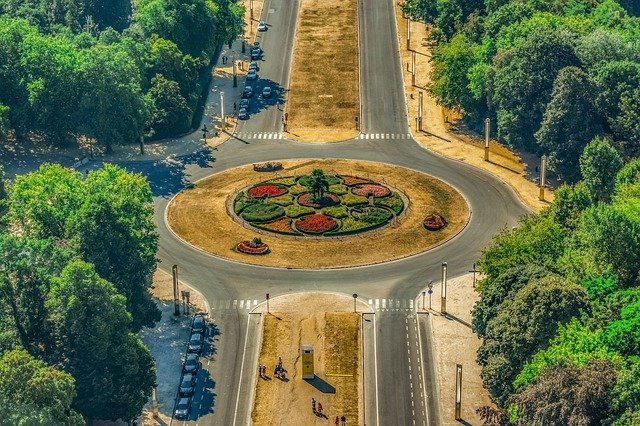
I recognise these. Twice in my life I have experienced what I perceived to be the way ahead closed to me. These events were of such significance that on both occasions I had dreams portending the need for me to change direction. The first time it was a career change. I was applying for jobs as the Chief Executive of a health trust. I had prepared well and was being championed by influential players. The night before my first interview I dreamt that I could not exit a roundabout as I had intended. I didn’t get the job. The dream recurred each time I went for a similar job. When I re-evaluated what I wanted from my career and looked more widely at the options available to me I found a much better fit. 

The second time I experienced this was a couple of decades later. I was represented by a respected literary agent and my novel was on submission to publishers. Everything was looking rosy and yet I had that same dream again. You guessed it. I did not get a contract. Several months later I self-published my debut and have not looked back. 

When it feels as though the way ahead is blocked, we are being led in another direction. Listen to your intuition. New pathways reveal themselves when we are open to new possibilities.

Perseverance

Never, ever give up. During the most challenging periods of my journey to publication I found inspiration in a couple of films: Eddie the Eagle and Walt before Mickey. 

Michael Edwards, AKA Eddie the Eagle represented Great Britain in the 1988 Winter Olympics Ski Jumping, fulfilling his life long ambition to compete in the Olympics. Edwards was disadvantaged in every way and yet overcame adversity through determination. 

Similarly, Walt Disney in the film Walt before Disney, experienced one knockback after another. He hit an all-time low that would have anyone else throwing in the towel. But not the hero of this film. Walt Disney had absolute faith in his talent and refused to give up no matter what. Like Eddie the Eagle, he finds another way. 

These are exceptions you might say. Their stories have been dramatized for film. This is true but I took from these films the inspiration and motivation to persevere.

Disney may have experienced extreme lows but look at the highs that came after. When you get a set- back look forward to the time when this will be reversed in equal measure!

You can be anything that you want to be. Believe in yourself and follow that dream.

How to find your life purpose

When I was a small child I remember saying to my mother in earnest, ‘I don’t know what God wants me to do.’ A teacher must have told a story from the bible which I took to heart. I would have been about seven-years-old. I remember clearly being anxious that I had an important purpose in life but could not recall what it was. My mother made light of my remark as she tucked me up in bed, but that thought stayed with me.

Finding our life-purpose sounds terribly grand and noble, but all it means is discovering who we are meant to be. We each have a unique combination of attributes. The way that we see the world. Our life experience. Talents, knowledge, and networks. Like the seed of a plant, our DNA has within it all that we need to become our unique self.

Imagine your life like a story. There are clues dropped like breadcrumbs; you are not the reader but the protagonist of this story. Have you ever visited a place and had an aha moment as though you recognise its significance? This has happened to me throughout my life, whether it is a place of work or somewhere that I will one day live. The relevance of that spark is not obvious at the time but later when I find myself back there, I realise why I felt a connection. Maybe the same is true of the people that we meet.

Following on with the analogy of our life being like a story, I want to share with you another observation. I believe that when we get to the end of our life and look back, it all makes sense. How we got to where we needed to be. Why things happened as they did. If you are going through a dark period in your life, turn the pages knowing that all will be well.

But I digress. There are other signs for us to follow. When I am deciding whether a job is right for me, I ask myself, does the prospect of this job make my heart sink or sing? I apply this to any big decisions. Trust your heart. When your heart soars you are on the right track.

I was recently asked to address a conference of public sector workers on my transition from working in health and social care to becoming a full-time author. I am sharing with you an extract from my presentation, as these words clarified for me the values that have shaped my life.

My life purpose has been one of championing and enabling people who feel disadvantaged. I spent my career trying to improve people’s experience of care. I chaired boards, wrote national reports, talked with ministers, and in recent years wrote many Safeguarding adult reviews and domestic homicide reviews. My head and heart are filled with the stories of people who have experienced and, in many cases, overcome adversity. In my local and national reports, I strived to give a voice to those people. 

Now I am a full-time author my purpose has not changed. In fact, I feel compelled to release those voices. To give them life and to write them a happy ending. They are still clamouring to be heard and unless I get them down on paper, they will continue to hound me. I don’t write to try and change the world, or to deliver a message. I write because it brings me joy. I hope that the immense pleasure I get from writing my novels is experienced in some way by the reader. If in reading about my protagonists’ lives, I stir some empathy or shine a bit of light that brings hope then I am grateful. 

I have often said in my blogs that a seed is sown in our hearts by our creator for us to nurture to fruition. Like the sap which rises in plants as they prepare for growth in the spring, the idea becomes a passion and drives us on a path to succeed and fulfil our dream/goal. Noticing this energy, what excites us and makes us happy helps us to find direction and purpose. 

Do what you love, because that is what you will be good at, and in turn, you will be successful. 

At seven years old I recognised the importance of finding my purpose in life, even if I did not know what it meant. Every one of us is unique. We each have a valuable contribution to make. Do not compare your path to anyone else’s. Follow your heart and believe in yourself because you are awesome.

Out with the old and in with the new

This is my first year of writing a blog and so I do not have a tradition of sharing with you my aspirations for the coming year or a review of the year that has passed. However, this is something I have practiced in my personal journaling for the past thirty years. I have got it down to a fine art with a review of the highs and lows, then bullet point aspirations for the coming year. As I have grown older and wiser my aspirations have become modest and more about maintaining good health and well-being. So, I get a kick of satisfaction when I write at the beginning of each new year that I have exceeded my expectations.

Maybe my intuition prepared me for what 2020 was to bring because my aspirations were:

  • Keep up daily meditation practice
  • Continue to write every day
  • Continue to exercise – yoga, Pilates, cardio, etc.
  • Improve diet by planning meals in advance, using what is in the fridge.
  • Buy less or zero clothes

The above was pretty much what filled every day! I am proud to say that I did not buy a single item of clothing. I had just finished writing the first draft of Just Bea and in the process researched recycled clothes. This raised my awareness of waste as a result of fashion and I decided that I had more than enough clothes to last me several years. 

My writing goals were to complete Just Bea so that it was ready for publication and to start work on Misdirection. At that time I was represented by a top literary agent and The Borrowed Boy was out on submission so I was hoping for a publishing contract.

My reviews of previous years have been filled with travels to exotic places, family occasions, theatre, exhibitions – all of the things we missed in 2020. However, there was a silver lining for me because I focused 100% on writing, publishing, and marketing my books.

At the end of March, I decided to self-publish The Borrowed Boy and inspired by Joanne Penn of The Creative Penn (look up her podcast and website – she is amazing) to become an Indie Entrepreneur. I have learnt so much this year and loved every minute of this exciting journey. I have connected with wonderful people all over the world: readers, authors, bloggers, life coaches, and teachers. 

At the end of 2019, my heartfelt wish was –  to quote my journal, ‘To get a publishing contract.’ Although this did not happen, what did happen was better because it opened up new opportunities for me and fulfilled an aspiration that I had long forgotten. Many years ago, I imagined writing a column in a magazine about the sort of things I write about here in my blog. There was no such thing as a blog then and the vision I had of sharing my reflections in a column was crazy but the idea nagged me. I believe that ideas are sown in our hearts with a purpose. It may take some time before they make sense, but I know from the joy I get in writing my blog that it is what I was meant to do.

My first blog was posted on 16th April 2020 and with the exception of 28th December, I have posted a blog every Monday since then.

I won’t go through everything I have achieved this year but I will just express my gratitude for a few more things that came into my life once I decided to take the path of an Indie Entrepreneur.

Friday salon Tweet-chats

Every Friday at 4 pm GMT, 12 EST on Twitter I host a tweet-chat for the writing community – Friday Salon. I look forward to our weekly chats and have met some great people from across the world. Everyone is welcome to join in. Before this year, I did not engage with social media. I love people and believed Twitter with the limitation on words to be superficial. However, tweet-chats and the supportive writing community I found on Twitter proved me wrong. When the world feels like a dark place, I look to the network of like-minded people I have discovered through social media and I imagine them shining bright, lighting up the world. 

Castaway Books

I have been busy recording interviews with some of my favourite authors about the books which have shaped their lives and influenced their writing. Learning how to edit films and starting a YouTube channel and podcast was a steep learning curve – but I am ready to share this with you early in the new year.

Books

The Borrowed Boy was published on 1st August and has already received three awards. Just Bea my second novel will be published on 1st February. Check my Facebook page Deborah Klée Author for news of the launch party on 4th February 8pm GMT with a paperback giveaway draw, which you are invited to attend.

In summary

It has been a difficult year in many respects as I am missing my family, especially my daughter and her husband who we have not seen for a whole year, and my father who is in a care home. I visit him whenever I am allowed to but I have not hugged him since 3rd March. However, I am grateful that we live in a beautiful part of the world, that we have a garden and a spacious house, that my husband and I both have creative pursuits and interests to keep us occupied, and above all that we have good health. 

I hope that you have good things to look back on in 2020 and wish you the very best for 2021. Thank you for subscribing to my blog and commenting on my posts. I love hearing from you.

Making the most of your time

With the year drawing to a close and a new year about to begin, it is often a time of reflection. Of course, 2020 was a year like no other as we experienced a pandemic and our daily lives were much changed. We all got through the year the best that we could. Routines changed. Some activities received more attention and others less.

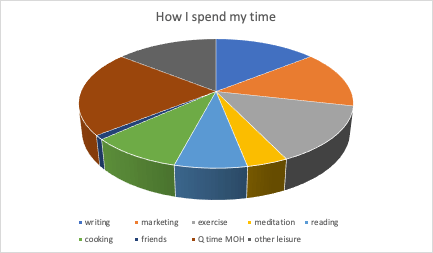
If you were to draw a pie chart of how you typically spend your time each day, what would it look like? 

I worked on a fourteen-hour day over seven days. The biggest chunk of time is the brown section – quality time spent with my partner (MOH). As I retired from my day job to spend more time with my husband who is twelve years older than me, this is good. Writing novels, marketing my work, and reading are also well represented. My passion is creative writing and so investing time in writing and reading is important to me. However, this honest estimate of how I spend my time does raise some concerns for me. If I had carried out a similar exercise before the pandemic it would have looked very different. There would have been a sizeable chunk of time spent with my father who has Alzheimer’s disease and lives in a nearby care home. Sadly, I am now only permitted to visit him for twenty minutes a week. I have committed myself to write and publish my books this year, but I wonder at what expense of other activities. I value my friends and yet I spend very little time with them. This is partly due to the need for social isolation, but living by the sea there is no reason why I could not have made time to take walks with friends.

Then, there is that other chunk of time mysteriously labelled ‘other leisure’. The time lost in browsing social media or watching TV. I have a cupboard full of crafting projects awaiting my attention but have neglected all interests except for writing.

Cooking is food preparation and baking but also includes housework. I am fortunate that my husband does most of the housework as he was the main homemaker for many years whilst I went out to work.

If you are honest about how you divide your time, does it match your priorities? Are you investing enough time in the things that are important to you? What is missing? Do you need to make any adjustments?

The importance of having varied interests

It is important to have several interests and activities in your life and not to invest all of your time and energy in just one or two. It is that adage Don’t put all of your eggs in one basket. This happens too often with people who have no interests outside of work. Retirement comes along and they are bereft. There is nothing else in their life to take its place. Waiting until retirement to develop an interest or hobby is leaving it too late.

Try drawing a grid of nine squares – three across and three down. Write in each square an activity that is important to you – work might be one of those squares. What will you write in the other eight? If any one of these activities is no longer available to you for whatever reason, you have others that can take its place. All too often we rely on one interest to meet all of our needs. When we can no longer engage with this activity because our life circumstances have changed then the loss is great. If we develop several interests, we safeguard against this, and we expand our opportunities and potential for personal growth.

For many years I was completely focused on my career. I commuted into London and worked long days. I loved my work and believed that I didn’t have any time for hobbies or outside interests. I was working as a management consultant and had been very successful, and then came the inevitable famine. My work dried up. I drove myself crazy chasing potential contracts. Fortunately, I had put enough money aside to provide for my family during such a time. When you work for yourself you expect feast or famine. It should have been an opportunity for me to rest and enjoy some well-earned leisure time, but I didn’t have any interests and had not made any effort to become part of my community. Those months of having no work were the best thing that could have happened to me. Once I had relaxed into accepting that work would pick up in its own time, I started to develop interests. I took up oil painting, bell-ringing – which didn’t last but I made some good friends, and I joined a local women’s group. It was also around this time that I enrolled in a creative writing class. I discovered that there was more to life than work and that it was important to make room for friends and other interests.

Apart from the need to lead a balanced life, hobbies enrich our lives:

  • They stop us from working too hard
  • Help to ease us into retirement
  • Bring us into contact with other people, creating new friendships
  • Enable us to relax by losing ourselves in an absorbing activity
  • Make us a more interesting person
  • Learn new transferable skills
  • Can bring in additional income
  • Discover skills we didn’t know that we had.

I rediscovered the pleasure of creative writing, when I joined that class, twenty years ago. Now, I am a full-time author. In addition to writing, I enjoy craftwork. I plan to make a framed miniature, complete a decorative doll I started last year, and knit up some wool I bought into felted bags in the coming weeks. I won’t achieve all of these but I will make more time in my life for varied activities.

And I will definitely find more time to see my friends, within the parameters allowed by social distancing requirements. It has been an unusual year and I long for the days when I can go to exhibitions, visit galleries, travel, and spend time with my family again. In the meantime, I have plenty to keep me occupied and content.

Are there activities that you are going to make more time for in the new year?

Five ways to get what you want

Through prayer and meditation, we learn to ask for what we want and need, and teachings tell us that we will receive. But how? You might ask. If only it was that simple. I think it could be that simple; if we learn how to stop putting obstacles in our way. 

There are different sorts of asks and I have described these as three wishes: The Heartfelt wish. The Fairy godmother request, and the one-minute miracle.

The Heartfelt wish

There are the big asks, for example, to become a published author, or to get the career progression we long for. I know all about those longings. The hours spent in meditation and/or prayer, writing in my journal. In my lifetime, I have had three big asks. When I was a teenager, I desperately wanted to train as an occupational therapist. It wasn’t just a career option, to me it was as much a dream as the contestants on a TV talent show seeking fame. I really, really wanted to get accepted for training. As it happens, my application was rejected, as I hadn’t chosen the right options to study at school. I left school without taking my exams, and then a miracle happened because I was called for an entrance exam and interview and got a place as a result of an administrative error. It wouldn’t happen today, but I qualified and worked for twenty years in the NHS.

In my thirties, I was frustrated because my career in hospital management was not progressing in the linear route that I had planned. It took a while before I realised that my destiny was another path, one that brought me greater satisfaction. 

And then, there was my dream to become a published author, and my writer friends know all about the angst of that longing.

Curtesy of Sarah Ritcher Art Instagram

The Fairy godmother request

These are the cries for help when we face an impossible task because we don’t have the skills, time, or money. We all have different skills and knowledge. When we don’t know how to do something there is always somebody who does, but we have to ask. It is not a weakness to ask for help, and most people are glad to assist, so long as it is not always the same person and we reciprocate by helping others. 

A few weeks ago, I was feeling exhausted mentally as I had worked hard on getting my debut The Borrowed Boy published and then preparing my second novel, Just Bea for publication. My cover designer was ready to complete the full cover and needed my blurb for the back of the book. I had written so many versions of this book blurb over the past two years, but I couldn’t get it right. I sent my final attempt to a couple of writer friends, both of them said it needed work. I went to bed feeling overwhelmed by the task as I had nothing left to give. 

The following morning, I opened my emails to find that my wonderful writer friend Ellie Holmes had taken my poor attempt and like Rumpelstiltskin had spun straw into gold. The perfect blurb was waiting on my computer in an email that she sent at around 6 am with a message that it had come to her during the night. What an amazing friend!

Curtesy of Aline Dassel Pixabay

The one-minute miracle.

You know the every day asks: Please let me catch this bus. Let there be a parking place outside the school. My grandmother had rheumatoid arthritis and lived alone in a ground floor flat. She didn’t have any family living close by and depended on care services for meals, getting dressed, etc. My grandmother told me that whenever she needed help with something, she would send up a prayer and within minutes a kind neighbour would happen to drop in as if in answer to her request. The angels appear exactly when needed.

I have experienced a few of these angels myself. In my blog, Life changing decisions I told the story of how a stranger came to my rescue when at nineteen I flew from London to Arizona to surprise a pen friend, forgetting that I only had his PO box number. I found myself in Tucson at 3 am, 80 miles from Bisbee where my friend lived, with no phone number or address. 

I believe there are five rules to getting what you want.

Big or small the same rules apply when asking and receiving.

1. Ask and believe

When you ask for something, whether that is through meditation or prayer to God, the universe, your guardian angel, or whatever power you believe in – have faith. Believe that you have been heard and that your needs will be met.

2. Forget about timing

Your request may not be answered immediately and you may think it never will. Be patient and trust that the timing will be perfect. Not a moment too late or too soon. 

3. Relax and be present

Let go of anxiety and be tranquil knowing that your prayer will be answered. It is only when you are relaxed and calm that you will recognise when it happens.

4. Expect the unexpected

The manifestation of your desire may not be in the way you perceived it to be. Be open to new possibilities however unlikely they might at first seem. 

5. Give thanks

Remember to give thanks. Show your gratitude by helping others. Pay it forward.

I hope that all of your dreams and wishes come true.