Sending out a query letter to literary agents, or applying for a job that you desperately want is scary. You pin so much hope on your submission and feel as though you have handed over responsibility for your future happiness. It doesn’t have to feel like that. In my post, 5 Ways to attract what you want into your life I share practical steps on managing feelings when you want something too much.
Maybe, like me, you have been burned before and so are cautious this time around. My third novel is ready to submit to agents. I have had a literary agent in the past and lived through the anxiety and trauma of finding an agent and a publishing contract. It is not for the faint-hearted. This time I am in a good place as:
I am not attaching myself to one particular outcome
I am not looking for validation
I know that I have options and I am in control
I have faith that the right solution will find me so long as I am open to possibilities.
However, despite having done a lot of inner work to reach this healthier state of mind the prospect of seeking an agent and contract is still daunting. When something is important to us, we will always feel some trepidation.
I have enjoyed taking regular runs for many years. When I was in my fifties, I experienced pain in my hips after a run. As a result, I gave up running for a few years. Then, a fitness trainer explained to me that if I prepared properly for a run by stretching and did the same post-run then I would not experience any joint pain. She was right. I am using this analogy to explain how the pain of trying to get a job or an agent can be avoided with proper preparation and after-care.
Before
I successfully self-published my first two novels The Borrowed Boy and Just Bea, receiving great reviews and three awards. However, it is a challenge to reach the audience I would like to attract without a publisher and agent championing me and helping to promote my books. This is why I am going to approach agents and some independent publishers with my new novel.
Before applying for a job, querying agents, or approaching publishers be very clear about what you want, why, and what a good fit would look like.
My goal is for my books to be visible to a wider audience of readers and to increase sales. I want to achieve this so that I can share my stories, engage with readers, and be heard. For me, a good fit with an agent would be one where there is mutual respect, a partnership with both parties listening to the other, an agent who loves and understands what I write.
Just as the wrong job for you can be damaging to your career, so can the wrong agent. It is not a one-way street – you are looking for the right job/agent just as they are looking for the best person to employ/ sign to their list.
Do your research. Now you know your needs and what you are offering, invest time in finding potential agents/jobs that are a good match.
There are several ways you can achieve your goals. Be imaginative and brainstorm other options to get what you need. Getting an agent is not the only, or necessarily the best, outcome for me, it is just one. I have other options:
Find an Independent Publisher to publish novel three and potentially my first two novels.
Enter competitions to attract an agent or publisher.
Rebrand my first two novels with my third and fourth to make them more marketable. This would include changing the covers to make them recognisable for the genre and my brand. Invest in advertising.
I am excited about the third option and have a long-term strategy to promote sales. It is important not to attach ourselves to one particular outcome. This week I read a meme on Instagram God’s plans are greater than our dreams. This spoke to me as in the past I have found this wisdom to be true. I am thankful that I am not the creator of my future because what has unfolded in my life is more than I could have imagined or hoped for.
If an agent rejects our submission, it is because they do not think that we are a good fit. I know my shape and size – I am holding a jigsaw piece up to see where it goes. The agent is another piece of the jigsaw and they too know what they are looking for. It has to be a perfect fit for the author and the agent. That means trial and error before finding a match.
Christos Giakkus Pixabay
During
You have applied for the job or sent out query letters now it is time to wait. You can check your inbox every few minutes or put the time to good use. I will be using the time to do a much-needed revamp of my website. I will also be plotting my next novel. By focusing on the next project, you can save wasted energy worrying about the outcome of your submission. When you get a full manuscript request you will need the distraction of a shiny new project to stop you from imagining every scenario from a harsh and crushing rejection to the opening night of your book to film premier. When The Borrowed Boy was out on submission to publishers, I wrote my next novel, Just Bea.
Focus on other options. You might well get the positive response you are hoping for but there is no harm in thinking ahead and planning the next steps.
My daughter was recently disappointed when, following a lengthy recruitment process, she got the call to say that whilst it was a close thing, she had not got the job. On reflection, my wise daughter had come to a similar conclusion. A few weeks later, she got a call from the same organisation inviting her to apply for another job which they considered a better fit. I am delighted to say that she got this job and much prefers it to the original one.
After
You have had an interview or maybe you have been invited to meet with a prospective agent. Be fully prepared.
Research everything that you can about their organisation and how they work.
Clarify the questions that you will want to ask.
Be clear on what you would be expecting from your future employer/agent.
Consider the terms and conditions that are acceptable to you.
and you will be confident in your decision to accept or not.
If you do not get an offer then you know that you have other options. Do not standstill. Be positive and pro-active in improving your application/submission for next time, network, raise your profile on social media, improve your skills, try new things – a different genre, or short stories. Do not whine and complain on social media. Lick your wounds for one day if you need to but then get back up and out there. A positive, confident employer/author is more attractive and therefore attracts more opportunities than a negative one.
When I was in my thirties, frustrated at my failure to achieve the next step on the career ladder, I remember walking on a pebbly beach. I thought, I am like one of those zillion pebbles, why would an employer pick me? There was so much competition, I felt as though I was invisible and my dreams unachievable.
What I have learned since is that every single pebble on that beach is perfect and unique. Together they are astounding but each and every one of them has a place and purpose. I found my purpose – the perfect job for me but it wasn’t until I relaxed and valued myself that my future found me.
Whether you are applying for jobs, querying agents, or submitting to publishers, there is a lesson to be learnt from those pebbles on the beach.
You are unique and perfect. Take stock of what you have achieved, your skills, your experience. Everything that makes you who you are today – right now. The opportunity you are seeking needs to fit your perfect shape.
Every pebble, shell, and grit of shingle fits perfectly into a whole. The sea smooths rough edges, it carries flotsam in its tide, and welcomes the rivers and streams that flow into its vast ocean. We are part of something bigger.
Nature will find your perfect fit, what you need to evolve and become the person you are meant to be. Your job is to be clear where you are now in your development so that you can recognise the right opportunity when it arises – and it will.
Taken at Isles of Scilly
You are one of a million, but you are also one in a million. Nobody else has your unique combination of skills, knowledge and experience. The job, agent, or publisher that is right for you – the perfect fit, will be drawn to you when you know what you are looking for.
Think of putting together a jigsaw puzzle. At first the mound of jigsaw pieces can feel a bit overwhelming, but when you hold one piece in your hand and really study its form, the exact shape of each side, then it becomes much clearer where that piece fits within the bigger picture.
Just as the sea shapes and moves, your life will unfold in its own time. Keep present and trust the process. Everything happens at the right time. Because nature is perfect and we are part of nature.
For practical guidance on finding the perfect job this link will take you to an earlier blog.
I think that we all find it a challenge to treat ourselves with the same, love, compassion, and respect that we show to others. Learning to love and nurture ourselves is an important life lesson, if we are to become our best self. When we achieve selflove our personal relationships are enriched. Instead of looking to friends and loved ones to validate us, we can offer unconditional friendship, secure in our self-worth.
Pxabay
Value your skills and experience
Have you read someone else’s profile, website, or biography and thought, I can do that, or have achieved that, but I didn’t think it worth mentioning? Maybe you have read an article or listened to a presentation and thought, I knew those things, they are obvious? I admit I have had these thoughts in the past. You may feel envious that someone who you consider no better than you in terms of experience is getting more recognition than you. It is a mean thought but I’m sure one we have all experienced at some time. The disappointment is with ourself for not honouring our worth.
Respect what you know and have achieved. Tell the world. Don’t belittle your knowledge and skills. We are always looking ahead to where we want to be, focusing on our deficits. Take the time to really appreciate and value where you are now. Remember, what you can do effortlessly today was once a challenge. Take stock of all that you have achieved and learnt. Others can learn from you. Don’t hide your light under a bushel. It is not boastful or proud to own your achievements. To recognise them is to value yourself.
A few months ago, I was asked to give the keynote address at a conference. I was known for my work in health and social care but on this occasion was asked to talk about my new career as an author. I was surprised but thrilled to read myself described by the event host as an award-winning author. It was not an accolade I had claimed. I had indeed won two awards for my debut novel, but the title ‘award-winning author’ felt fake. Most creatives have imposter syndrome. Maybe everyone does. I am an award-winning author, so why did it surprise me to be described this way? It took someone else to use this title before I tentatively tried it on for size.
Be a good friend to you by reminding yourself that you are awesome. You worked hard to get to where you are now. There may be another mountain ahead but acknowledge the one you have climbed and those before.
Pixabay
Be compassionate and kind
I drive myself hard and berate myself when I do not achieve my daily goals. I have been the line manager for more staff in my working life than I can remember. Those staff remember me kindly as years on I have received communications from people whom I have supported and nurtured thanking me. As a manager, I encouraged my staff to set achievable goals. I was forever adjusting their expectations so that they could exceed their aims rather than fail to deliver. I emphasised the need for self-care and was mindful of staff who were driving themselves too hard so that I could help prevent them from experiencing burn-out. If only I treated myself with the same care and attention.
At the end of each day do you focus on what you didn’t get done or what you did? How do you reward yourself for your daily achievements? Are your goals realistic and achievable or are you setting yourself up to fail? Have you scheduled breaks for writing your blog, novel, or other project? I would not dream of treating a member of my staff the way that I treat myself. Fear of failure is what drives me. This in itself reflects a lack of respect for what I am capable of with time, patience, and compassion.
Forgiveness
When we are learning new things, we will inevitably get some things wrong. That is how we learn. Self-publishing and marketing my books are new to me. At the beginning of 2020 I had no experience at all. In less than 18 months I have started to blog, published two novels, learnt how to record on Zoom, edit on i-movie, and broadcast on YouTube and podcast, and I have become established on Twitter. Looking back, I have missed opportunities by not recognising their importance at the time. I have failed to grasp Instagram, and Pinterest. My newsletters are not yet slick. Despite an incredibly steep learning curve, I still focus on what I have got wrong – not the things I have got right.
As we get older and look back on our life there will be things that we are ashamed of- things we could have done better; perhaps how we handled relationships, addictions, or jealousy. We feel like that now because we have changed. We would not have changed and become who we are, without those life lessons. View yourself as a kind parent. Tell yourself that you are forgiven for your behaviours, you are not a bad person. Every experience that we have brings us the gift of learning. Be patient with yourself and allow yourself time to grow. Do not chastise yourself for what you consider your failings.
Pezibear Pixabay
Be your own cheerleader
That job you have applied for, the query letter to agents, the competition you have entered, do it whilst cheering yourself on. If you don’t believe in yourself why would anyone else? When we tell ourselves that we are not worthy, that we don’t really expect to win, then we have already reduced our chances of success. We protect ourselves from disappointment by lowering our expectation. If we tell our family and friends that we don’t expect success or pretend we don’t care what the result is then they won’t feel sorry for us when we fail. Is that being a good friend to yourself. Would you tell your dearest friend not to bother applying for their dream job because they won’t get it anyway? Of course not. You would be telling them that the employer, agent etc would be lucky to have them. Be that friend to yourself.
I am practicing being a better friend to me. It is hard breaking the habits of a lifetime. I know how to be the best friend, sister, mother, employer – I just have to be a good friend to me.
I have enjoyed regular runs for nearly thirty years. What I take from each run is different every time and has changed over the years. Now, in my (early!) sixties I have a regular run 4k across the beach to the pier and back. Not far enough to tire me but perfect for clearing my head and stimulating creativity. When I started out running it was about protecting my time and making a commitment to run, then pushing myself to run further. This is what running has taught me.
Finding time
When I was in my early thirties, I was the mother of an under five, worked full-time in a high-powered job, and was studying part-time for a master’s degree. To eke out even thirty minutes for a run felt impossible. I was unfit and couldn’t run for a bus without gasping for breath. I lived in the countryside then and set myself a challenge of walking and running for a mile or so across fields and lanes. I enjoyed the fresh air, and time to myself but it was exhausting and it would have been easy to find excuses not to run. I committed to run twice a week and with great effort and determination managed to do so at least once a week, most weeks. This was an important lesson for me. If something is worth doing, if you want to reap the rewards, then you have to find the time.
I have applied this lesson to writing, meditation, and yoga. Find the time. Show up no matter what. It is not always fun. Sometimes you have to make yourself, but it is always worth it and over time you will see big changes.
Pxabay
Setting achievable goals
The furthest I have run is a half-marathon 13 miles or 21 k. When I set that goal, I was running 7 or 8 miles regularly but that was a stretch. When I was training and felt I couldn’t run any further I told myself, just run to the next lamppost and then you can rest/walk. When I reached the lamppost, I always felt I could just about run to the next one. Little by little I completed the run – just one lamppost at a time.
How often are we dissuaded from having a go because we are overwhelmed by the size of the challenge? I would never have believed I could write a novel – 90k words is huge when the most you have written is a 5k assignment. That was how my first novel started. A creative writing tutor asked us to write a 5k story and to share instalments over four classes. That 5k story became the outline for my first novel. Every task can be broken down. Just focus on one short-term goal, then the next. One lamppost at a time.
Resilience and determination
Keep going, when the going gets tough. A steep hill, or running against a strong wind, can really challenge a runner’s resilience. I often run towards the pier with the wind behind me but when I turn around and feel its force it’s a struggle to run back. My younger brother taught me a chant which I say in my head, ‘the wind is my friend it makes me strong.’ It works. I repeat this and gradually I believe it. And it is true, trials and tribulations strengthen our character and make us more resilient.
I take this feeling of determination and resilience to my life as a writer. Creatives experience many knockbacks and rejections. When writers express disappointment after receiving a rejection on social media I remind them that a successful author receives on average 200 rejections. Every rejection is one step closer to success. We have to learn from adversity, use it to grow stronger. The wind is your friend.
Brigitte Pixabay
Nurture yourself
Although I have been running for many years, there were three years when I didn’t run at all. I was in my fifties and although I could easily run 5k or more, my hips hurt when I bent down to remove my trainers. The morning after a run I had discomfort in my hips and knees. Around this time, I sustained an injury (not from running) that resulted in a frozen shoulder. I visited a Chinese doctor, for a consultation on freeing my shoulder, and mentioned my stiff and aching hips. When I explained that they hurt after a run he laughed and said, ‘You are too old to run.’
I took this to heart. I bought a bike and thought my running days were behind me. A few years later, a fitness instructor told me that the reason I got pain in my joints after a run was because I didn’t warm up properly or cooldown by stretching fully. I took her advice and now I prepare for every run with ten minutes of yoga, and my mat is waiting for me on my return for a ten-minute cool down. I never experience any pain in my joints.
The lessons I took from this are:
You are never too old to do the things that you enjoy. Don’t let anyone tell you otherwise.
Listen to your body. You know better than anyone how your body, and mind work. Tune in to what is going on and then fix it. This means giving yourself time. Being compassionate. Don’t push on ignoring your body.
Three weeks ago, I went for my usual Sunday run, despite having had my second jab the day before. I thought I felt fine and set off at a pace. The truth was, I hadn’t taken time to truly tune in and listen to my body. I had almost completed my run when I felt a little light-headed. A few seconds later, I had an almighty fall on a rail crossing. My injuries have healed but it has knocked my confidence. I’ll get back out there this week but will be more mindful in the future.
Pixabay
Stilling the mind.
Every Sunday morning, I go for a run by the sea, and by the time I get home I know exactly what to write in my blog. I have come to have absolute faith in this process and do not fret in the days before my Sunday deadline. I run and then I write.
Running is a bit like meditation. The steady rhythm of placing one foot in front of the other, attention to breathing, and the flow of energy, induce a calm state of mind. It takes me five minutes to reach the sea, and then I am pounding across the sand as I head for the pier. Ten minutes into my run, the chatter in my head reviewing what has gone before and what is to come quietens. The hush of gently lapping waves, seagull cries, the salty scent of seaweed, and the glitter of light on water fill my senses. My mind is open and ready to receive. It has been said that prayer is talking to God and meditation listening. You just have to still your mind and the answers come to you.
Meditation does not have to be sitting in silence. A walk in the woods can be meditative. Focusing on nature, filling our lungs with fresh air, ground us and calm the mind. If you are not a runner and find it hard to meditate, try walking in nature.
Live your life mindfully, as every activity brings new learning and awareness.
I have just returned from a relaxing break in a woodland lodge. Surrounded by trees, rhododendrons, and wildlife it was easy to switch off. I found myself gazing into space, my mind completely free of thought. A state which normally takes concentrated meditation now felt like a default setting. To be still with no thought can seem counter-productive. No divine inspiration, thunderbolt realisations – not even a new story idea. We drive ourselves in pursuit of achievement, ever faster and more intense, willing our dreams to materialise – believing we have control. Allowing stillness feels counterintuitive – lazy. We are brought up with the belief that hard work brings rewards and success. This is true to a certain extent but it is also important to know when and how to relax and give our minds a break.
With the pandemic, few people have taken a proper holiday and it is something we all need given the stresses of this past year. Escaping to a different setting from our home and familiar environment provides a temporary respite from our worries. We can step off the hamster wheel and take a breath.
Peter Pyw Pixabay
Confined to our homes and the same four walls, books have provided an escape for many. Romcoms set in Italy, Greece, and other exotic locations, have been popular with many new publications this year. Last week, I interviewed author Lizzie Chantree for Castaway Books. Lizzie was a successful entrepreneur when her daughter experienced a life-changing illness she had to close her business. Sitting up most nights, she passed the time by writing. The story she wrote enabled her to escape to sunshine, romance, and friendship. This eventually become her debut novel Babe Driven and was the launch of a very successful career as an author. Her readers must have enjoyed the same feelings of escape that Lizzie did in writing this novel.
I am told by fans of fantasy, that the attraction is in escaping from this world. A writer friend explained how she could only write fantasy. To write stories set in the real world would be difficult for her, as it was a place where she had experienced childhood trauma and writing was a means of escape – a place to explore her thoughts and feelings in a different setting.
Whether it is a holiday or a novel that provides a means of escape, when we relax and shift our perspective, we gain new insights on our inner world. Our mind is relaxed and open to inspiration. We return to our daily life and see things a little differently.
It is a bit like being a sculptor. Up close we cannot see what we are creating, we have to stand back and view our work from different angles.
There are other benefits from taking a holiday. My husband and I, like most families, have seen few other people and spent more time in each other’s company that we would in normal times. However, going away together for a few days meant that we spent quality time together. No phones, or social media – there was no signal in our woodland escape so that made it easier. Relaxed and carefree we were kinder, more considerate to one another, and more attentive.
I did have one epiphany during my four-day break. In the scheme of things our little world is a spec in the universe, and our civilisation has been here for a fraction of time. It made me wonder at my significance and the importance of my dreams and wishes. And then I thought about the magnificent feats of nature: sunrise and sunsets, the magnolia in my garden that flowers for a few weeks of the year but is glorious, so many breath-taking creations – each and every one precious. We are equally special, and when our dreams come to fruition we too will blaze in splendid glory. To let go is not to give in or give up, it is to trust the power of creation and to be secure in the knowledge that our life will flow in the magnificent way that is intended.
So, I too returned from my break with a slightly different perspective on my world.
Ellie Holmes is a wonderful author and friend. We both belong to Frinton Writers’ Group. Before COVID we went on an annual writers’ retreat. After cancelling last year we are hoping to return in September. I am away this week taking a break so will leave you with this post from Ellie.
As you are reading this I am presently on a writers’ retreat. We may be minutes from a busy town, but I am happily ensconced in a time warp idyll surrounded by bucolic countryside. A salve to the mind and a huge inspiration creatively.
The view from my bedroom window
I am lucky enough to belong to an extraordinary writers’ group. There are seven of us in the group and we are all novelists, some traditionally published, some indie published, some hybrid and some unpublished. We meet once a month in a local bookshop when we celebrate any successes members of the group have had, usually with Prosecco, we critique two pieces of work, taking it in turns and discuss any writing related subjects that happen to come out of our discussions.
A group of different people, most of whom did not know each other before…
The activities that we start with enthusiasm, committing to a schedule, can sometimes feel like a chore. The must-do that looms over our day or week. It may be going for a run, writing a blog, or weeding a flower bed. Resisting, finding excuses, and then feeling guilty, can sap our energy. The reality is, this procrastination and angst uses more energy than the activity itself.
As a full-time writer, a wonderful job – I know, I have three weekly commitments: this weekly blog, recording, editing and broadcasting Castaway Books, and hosting a weekly tweet-chat Friday Salon. Each of these activities brings me joy. They connect me to other inspiring creatives, and introduce me to potential readers. Despite all of these positives, showing up every week, no matter how I am feeling or what’s going on in my life, is sometimes a challenge. It would be easy to say not this week – to let myself off with excuses. But once we break a habit it is hard to get back into the groove.
This is what I do when I am struggling to find the motivation.
Engin Akyurt – Pixabay
Set myself an easier task
I tell myself I will just do a little. Instead of running 5k to the pier and back, I will run down to the beach and then turn off and run back. A twenty-minute run is less daunting than forty. So, I set off feeling better that I am. At least making an effort. Every single time I have tried this I ended up running the full 5k and loved every minute. It is the same with my blog. I may start out telling myself that this week it will be a shorter one, just a few paragraphs and I end up becoming completely absorbed writing a full length one.
2.Remind myself that nobody is making me do this
Maybe your situation is different and you have a boss making demands. I am my own boss but nobody could be tougher on me than I am. When I managed people, I am sure I was much kinder to them than I am to myself.
When I let go of the belief, I’ve got to do this I feel a weight lift. It’s not easy to let go because the voice in my head argues – you do have to do this or you’ll undo all that you’ve achieved. I answer back, What’s the worst thing that can happen? My mind eventually calms. Maybe I’ll go for a walk, or read a book. That’s when my perception changes. I don’t have to do the task. In fact, I have given myself permission not to, and now I want to. It’s like the trick parents do with a child who doesn’t want to walk with them. ‘Okay, I’ll go without you. I’ll leave you here.’ When I see the activity walking away, I chase after it!
Christel Sagniez – Pixabay
3. Keep focused on the present
It is looking ahead at our day or week that can fill us with dread. When I worked full-time as a management consultant, I sometimes felt giddy when I reviewed my coming week with all of the meetings, presentations and deadlines. We have to plan ahead so that we can manage our time effectively but once the task is in our diary, and any preparation scheduled, then all we can do is the immediate task. In fact, by being fully present, focusing on the task in hand we are at your most effective.
When I apply this to my day, I don’t think about what is to come. The task has been scheduled in my diary and so I do not waste any time or energy worrying about it. Instead, I immerse myself in the now – walking by the sea, enjoying a meal with my family, or reading. When it is time to complete the task, I am rested and give it all of my attention. It is surprising how effortless the task now feels.
4. Positive reinforcement
I look at what I have achieved by showing up each day or week. The distance I can now run without too much effort, a beautiful garden, the wonderful people I have met through my blog etc. It may take time and effort but we reap the rewards. Reminding ourselves of what we have achieved can sometimes cheer us on. Be your own cheerleader.
Pexels – Pixabay
5. Do it differently
Today, I wrote this blog on my laptop sitting in front of the TV with my husband, instead of sitting in my office using my desktop. I had my jab yesterday and it would have been easy to give myself permission to have a restful day. Instead, I tricked myself. I’ll just make a few notes while I sit here. Before I knew it, I had written a blog.
Change your running route, or routine. Play music whilst you do your accounts. Listen to an audio book whist you do your housework. Use novelty to distract yourself from what feels like a chore. I hate housework but with my Bluetooth headphones and an audiobook, or a podcast I don’t want to stop cleaning.
I hope that my tips help you to face those must-dos with renewed energy and enthusiasm. What have you found helps to motivate you and stop procrastination?
‘If this doesn’t happen, I don’t know what I’ll do.’
‘If only I got that promotion/job everything would be different.’
‘I just need to find that special someone and I will be happy.’
The drama and passion of these heartfelt pleas are fuelled by the media. We watch films and read books where life is simple. The geeky girl/boy meets someone who loves them just the way that they are, they fall in love and live happily ever after. A woman loses her job, her world is falling apart, but then she writes a book, and all of her financial worries are resolved. Then, there are the talent shows where an awkward-looking boy tells the camera that winning the competition would mean everything to him, and a few series later he is back as the star act, having achieved super-stardom. Real-life doesn’t make good telly and so stories of success, both imaginary and real, are dramatized and we buy into this. I have thought for some time that the romcoms we adore contribute to dissatisfaction in relationships.
Albrecht Fietz Pixabay
1. Focus on what is within your control
Our dream is a pot of gold at the end of a rainbow. We truly believe that once that one thing we wish for happens our life will be transformed. For many writers, it is getting an agent or a publishing deal. We hold that heartfelt wish so tight, we clench it within our soul, willing it to happen. To relax that hold for one second feels as though we are giving up and reducing our chances of success. Everything depends on that wish coming true.
The thing that we long to happen, or fear will happen doesn’t change our life. There is a blip of happiness or despair, but in the scheme of things, it is a minor disturbance. Think back to the day you got your dream job, got married, or on the downside received a rejection letter from an agent or following an interview. You may have been happy or disappointed for a few days, or weeks but then life happened and soon you had another goal or dream. I can no longer remember my rejection letters or the jobs I didn’t get.
The constant is the life you are living now. Your family and friends, the pleasure that you get from everyday activities, your good health. By focusing on what is beyond our control, changing another person’s behaviour, making someone like you – hire you – sign you, we are neglecting to change the things that we can control. If life carries on as normal after the blip, then we need to invest in making it a good life by appreciating what we have now and making the most of each moment.
Noel Bauza Pixabay
2. Invite new opportunities into your life
This is a lesson that has taken me some time to learn, and I am still learning. When I was forty, I could see only one way to further my career and that was the next step up on the career ladder – a chief executive of a health trust. It had been my goal for years and I had made steady progress up until that point. I was shortlisted again and again but was disappointed when I received the news that I had not been successful and each time a different or conflicting reason – ‘too strategic,’ ‘not strategic enough.’ I didn’t know what to do as this had always been my goal and it felt too early in my career to settle for what I had already achieved.
I was in the depths of despair. I felt rejected – unworthy. Not good enough. I was blinded to other opportunities because I was too focused on that one outcome. A wise woman suggested that I was feeling discomfort as the job I had was no longer a good fit for me. Like an ill-fitting shoe, I had outgrown the role. This sparked my imagination and I wrote down all the things I enjoyed and was good at, also the things I didn’t like about my job.
Unsurprisingly, the job I had set my heart on was not a good fit for me either. The result was a specification of my unique combination of skills, expertise, and experience. I used that to evaluate every job advertised within a salary scale that was acceptable. In keeping an open mind, I came across an advertisement that I would never have considered before. I wasn’t even sure what the job description meant, but it was a perfect fit with my personal specification and the employer thought so too because at the end of a two-day selection process I was offered the job. What unfolded from there was better than I could have imagined. I found the perfect career for me as one opportunity led to another.
Through this experience, I learned that my imagination is limited. The universe/God’s vision is greater. When I stopped hanging on tightly to what I thought should happen and opened my heart and mind to possibilities, I was led to the best outcome for me.
Beate Bachmann Pixabay
3. Do not attach yourself to one particular outcome
You may be focused on bagging your dream agent, securing a traditional publishing deal, getting that promotion, or your ideal job and I wish you success. Keep working towards your goal and hopefully, your wish will come true. However, too narrow a focus might be blinding you to other opportunities.
Try brainstorming all of the options. Be imaginative and open yourself up to the infinite possibilities for your success. Instead of focusing on one agent, try approaching several. Visualise offers coming in from four or more so that you have to choose. Submit to independent publishers. Enter novel writing competitions. Scatter these seeds of possibility and you may be surprised by what grows.
Your future is waiting for you. It could be brighter and bigger than anything you have imagined, but you need to open your heart and mind to new possibilities and trust that what is right for you will find you.
Peggy und Marco Lachmann-Anke Pixabay
4. Open your heart
I know what it feels like to want something too much. It is a tightly clenched fist in the solar plexus, a lump of longing that takes up all the room in your heart. You are afraid to release your grip. As though holding tight to that dream will make it come true, and if you release your grip, it will lessen your chances of success. I have learned that this is not true and by wanting something too much we are driving away the very thing that we want.
We have all heard the stories of a couple who conceive when they have stopped trying for a baby, the girlfriend who meets the love of her life after resigning herself to a future of singledom, the job offers that flood in when you have decided to become self-employed.
When we are desperate for something we become tense. There is a physiological reaction that may lead to symptoms of stress, for me it is eczema and migraines. We become so focused that we have tunnel vision and miss the bigger picture. A tense, intense person, who is desperate for something, is not attractive and can repel the person that they want to attract.
If you are in a furniture store and a sales assistant working for commission pursues you relentlessly, advising you of the features of every sofa you show a vague interest in, I suspect that like me, you will decide to visit another day or go to a different store where you won’t be hounded into buying something.
Many years ago, I had a friend who following a divorce was desperate to find another man. This friend was young, attractive, and clever. She had a great job and was financially independent. She threw herself into the dating world with gusto, joining online dating agencies and requesting blind dates. I tried introducing her to eligible men but her desperation scared them off. Sadly, none of her would-be partners wanted a second date.
I am extremely embarrassed to confess that when I started out as a management consultant, I stepped out of a meeting to run after someone who I thought might be interested in hiring me. I cringe when I remember this. At that time, I was terrified that I would not attract any clients and, of course, I didn’t. When I relaxed and went with the flow, I had plenty of work. The more work I had, the more I was offered.
When we are relaxed and content, we are open to new possibilities. We notice opportunities because we have an open mind and are more susceptible to ideas that come into our orbit. People are drawn to us because we radiate positivity.
I know it is hard to let go of longing. Keep hold of your dream but try to gently release your grip. Imagine that knot of tension, softening. Breathing exercises and meditation can help with this. When I am meditating, I imagine a lotus flower opening up to the sun. It takes practice but you can relax your hold.
Jplenio Pixabay
5. Trust the journey
I believe that our purpose is an idea that is sown like a seed in our heart. Our wish to be a writer, an artist, a chef, an acrobat is intense because we are driven to achieve our life purpose. But just as the seed has been sown, trust that your dream will come to fruition. Open yourself up to a greater power. Trust that what you need will come to you. Be relaxed and calm. Because then you will find the golden breadcrumbs that will lead you to your destiny- a chance meeting, an advertisement, an idea that comes from a conversation.
I previously published this post as Wanting Something Too Much Part 1-3. I have combined them here and renamed them so that they are more accessible.
When we have hopes and dreams, we must sow seeds of possibilities. Make them plentiful and cast them wide. Don’t try to double guess which is most likely to take root because you will be surprised. A seed can transform into a spectacular plant in the most unlikely of places.
Whether it is to succeed as an author, a new job, or funding for a project, be aware of the opportunities that come into your orbit and respond. The seeds that you sow might be, entering a competition, writing to a potential funder, using a chance meeting to discuss an idea, joining an association or club.
I remember my line manager, when I worked in a consultancy firm, advising me ‘not to set too many hares running.’ There is some wisdom in this but I would add – at once. I don’t think you can pursue too many opportunities but take the time to give each one your full attention, and to receive feedback so that you learn from each experience. For example, a writer might initially send out eight query letters to agents, depending upon the responses, the next ten letters might be strengthened. Alongside these query letters, the same writer might enter competitions, approach independent publishers, and present their work at writers’ conferences. Don’t hold back because you are invested in a particular outcome.
We sow the seeds of possibility, casting them wide, with hope in our hearts. It is the great creator – God, The Universe, that gives life. What takes root and where is beyond our control. We have no choice but to let go and have faith. Sometimes, it is long after we have sown a seed that it surprises us by blossoming.
I just read a tweet from @HutchinsAuthor
‘My tree peony hasn’t flowered for over 8 years and this spring it is full of buds!’
Author R.A. Hutchins’s Tree Peony Photo by Anne Hutchins
It is human nature that we try and control what comes to us, when, and how. We read into things, believing that we can make sense of patterns to determine what will happen next. How many of us count Magpies, or look for signs, in a desperate bid to claw back some control?
The wondrous reality is this – we cannot even start to fathom the multitude of factors which might come together to bring what we need into our life. In the past few weeks, I experienced two events that led me to write this post. Neither of them was remarkable but they demonstrated to me how the unexpected can happen at any time.
The first event. My local independent bookstore has been selling copies of my debut The Borrowed Boy. When I was writing this novel in 2018 the bookshop owner kindly asked a young Polish man who worked in a neighbouring restaurant if he would help me with my research. He generously agreed and gave up his lunch hour to answer my questions as we sat in the bookshop. Although I wrote down his phone number, he moved back to Poland soon after our interview, the number was unobtainable and I had no way of getting in touch. I mentioned him in the acknowledgements of my book but, as three years had passed and I hadn’t written down my name or told him the title of my novel, I never expected him to come across this. A couple of weeks ago when I popped into the bookshop the owner told me that the Polish boy’s father had been instructed by his son to buy two copies of The Borrowed Boy and to send them to him in Poland. I have no idea how he heard about my book as we have no connections in common that I am aware of.
The second event. I received an email from a woman who remembered me working at her firm as a consultant fifteen years ago. This was not someone who I knew well, she was not a personal friend, or even on the same team. She said that she didn’t use social media but randomly Googled me and saw I had written a couple of novels. We had an email chat and she has since signed up for my newsletter.
As I said, the events themselves are not earthmoving but they taught me a lesson. Things happen beyond our control and awareness – are happening now.
This example is incredible. I heard the lovely Anne Cleves talk at a Frinton Literary Festival a couple of years ago. You may have enjoyed the popular TV series: The Shetland Murder Mysteries, and Vera. When Anne was a little-known author, one of her novels was bought in a charity shop by a person who on the strength of reading the story, and recognising it met a current need in TV, contacted Anne and the rest is history.
Take joy in planting your seeds and look forward to being surprised. Like children waiting for Christmas, it sometimes feels as though it will never come but have faith. I truly believe, ‘Nothing that is for you will pass you by.’
I have brought together four blogs previously published into one guide and updated them with what I have learnt since.
March 2019
It was Lent. My emotions were all over the place and my anxiety levels high. I had been plucked from the slush pile by a leading literary agent the previous year and after months of rewrites and edits, I was either on the brink of stardom or would soon be flung back into the sea. That was how I saw it then. All or nothing. My imagination would run away with me as I envisioned every scenario. It’s what we do as writers.
That day, I made one of the wisest decisions of my life. I committed to meditate every day for the Lent period. It is 2021 and I have continued to practice daily meditation. At first, it stilled my mind and helped me to manage fluctuating emotions, now, two years on I have greater insight, self-awareness, and positivity. My life has transformed. I am sharing my experience and learning with you so that you:
Are happy and fulfilled with where you are right now in your writing journey.
Are excited by the myriad of possible outcomes that will lead to your success.
Recognise and are open to opportunities when they present themselves.
Make full use of your time and energy to learn, grow and fulfil your potential.
Lead the writing life that you dream of.
Pixabay
March 2018
Eight hours after sending a query letter to my dream agent I received this response:
I’ve just read the opening of THE BORROWED BOY as your letter immediately stood out. I am absolutely hooked by your voice and the original premise, and I’d love to read the rest.
Please do send at your earliest convenience – I’ll be waiting on the edge of my seat.
Who wouldn’t be over the moon to get an email like this? I have read excited tweets from writers announcing their joy at getting a full manuscript request. It is something to celebrate indeed but important to keep present and not allow your imagination to run ahead.
I sent my manuscript after reading the whole thing through yet again. A couple of days later I received a response. I have included a few extracts from that email here:
Thank you so much for sending me the full manuscript of THE BORROWED BOY. It is absolutely compelling, one of the best novel openings I have read in a long while with a stand-out premise that really sets this book apart.
Editorially, I do have some thoughts …..
I would love to sign you to my list and work with you editorially, if you would be interested in editing along these lines?
We work extensively editorially with a lot of our authors, to really make sure their books stand out and shine and are snapped up by editors – which this book absolutely deserves. So, I’d love to hear if you might be in tune with these ideas, and whether it’s something we can work on together.
I’ll very much look forward to hearing from you.
Exciting stuff. Of course, I accepted and worked with the agent and editor to get it ready for submission. Each time I sent back a revision that had addressed all of the editorial comments I was hopeful that this was it. I had finally succeeded and was about to be launched as a hot new talent.
So, with an agent and in-house editor’s valued guidance, I wrote and rewrote and rewrote again, each time getting more pages of comments. Then, just before Lent, I received an email that made me think if I didn’t ‘get it right’ this time, then I would have thrown away my one and only opportunity to get published. Terror. I was going to fail.
Physical signs of stress which I hadn’t experienced for a couple of decades returned: eczema, IBS, migraines. I would wake up at three in the morning unable to go back to sleep. Relationships suffered, as I was irritable and over-sensitive.
Pixabay
Learning to let go
Then March 2019
I started with ten minutes of mindful meditation each day. Just keeping my mind from wandering or dropping off to sleep was a challenge. But I found with practice, that for just a few minutes, the constant noise of the voice in my head was silenced. You know how it is, all the what-ifs?
Mindful meditation made me feel grounded and focused, whereas before, my thoughts were skittish, either wildly excited that I was on the brink of success or full of doubt, telling myself that I was a fraud and my agent was probably regretting taking me on. The calm experienced in meditation expanded and I felt back in control.
I realised that no amount of worrying about what might happen would make any difference. It’s crazy how our mind hangs on to something as if things stop happening when we stop willing them to. Accepting that I had no control and letting go was a challenge but those ten-minute meditations helped.
Now
Looking back, I can see that my intuition was telling me that things were not right.
I had invested too much in a particular outcome. I had no control over that outcome but it was just one possibility. My agent had not signed me or met with me. We had not even spoken on the phone. I greatly valued the editorial input but this was not enough. If I had been open to other opportunities and maintained a calm and inquiring mindset, I might have sown other seeds, entered a short story competition, started another novel, networked on social media. Instead, I wasted my energy in a constant state of anxiety and despair.
Photo- Deborah Klée
Learning to be patient
Then April 2019
I sent the next draft of my novel to my agent and tried hard not to stress about her response. I knew, in my heart of hearts, that if this draft of my novel didn’t meet with my agent’s expectation, then we might well be saying goodbye. Although I had been working with this agent for over a year, I still hadn’t signed a contract, met her, or even spoken on the phone, although her in-house editor did have a very helpful phone conversation with me early on in the process. This agent is one of the best, many of the authors she represents are international bestsellers. Her agency was growing and changing. It’s no wonder that she could spare me little time and was slow in replying to emails.
Writer friends cautioned me but I was willing to accept these terms as I was gaining a lot from the editorial comments on each draft of my manuscript. In my head, I likened it to dating. The same feelings of excitement and apprehension as I waited impatiently for her reply.
Now
I realise that I was looking outside of myself for affirmation that I was good enough. I had invested this agent, who I hadn’t even met, with responsibility for my happiness and fulfilment. Only I had that power and I was woefully neglecting myself. Today, I am happy with who I am and where I am in my writing journey right now. Through meditation, I feel real gratitude for all that I have achieved and the myriad of opportunities that are waiting for me. Every day I sow new seeds of possibility through the connections I make, the actions I take, and the conversations I have. There is an abundance of possibilities waiting to happen.
Photo by Deborah Klée
If that one thing would happen – my life would be different.
Then May 2019
I needed meditation more than ever. By now, I had progressed to longer meditations.
Tara Brach www.tarabrach.com generously shares hour-long seminars on meditation practice. I would listen to these whilst ironing or making the evening meal, headphones on. In one of these seminars, she said something that struck a chord with me. I’m sorry but I can’t remember which one it was. Anyway, it was something like this:
We believe that if this one thing would happen, maybe meet the right man/woman, get a promotion, or in my case get published, that everything in our world will be better. We give this monumental importance. Just as we do in fearing something really bad. But, when this ‘thing’ actually happens it’s just a blip up or down in our state of being. Think about it – that job you finally got, getting pregnant, meeting the man or woman of your dreams. Or, the bad stuff, being made redundant, having your manuscript rejected. There’s a short period of euphoria or depression and then life resumes. It doesn’t change everything.
So, when my agent responded in May to say that she loved the changes that I had made to my manuscript and with just a couple of tweaks, she would be excited to send it out to publishing editors, I was of course thrilled. My journal reads, ‘It has finally happened. I have reached a milestone – jumped a hurdle. My novel is to be sent out to publishers and an amazing agent wants to represent me.’ I checked that she really was my agent, just in case I had been deceiving myself, and she confirmed that she was. I told my writer friends on Facebook, did the edits, and sent it back. My agent said that she would send me her marketing strategy and so I waited.
I don’t know whether it was Tara Brach’s influence or my meditation practice but I was very calm. I think as writer’s we take tiny steps. I imagine us all hiking up a mountain, the path curving around and upward, like a spiral. Each step is small, it’s only when you look down that you see just how far you have come.
Maybe, it’s watching or reading about dramas, great personal success stories, that we crave the elation of those dizzying heights. The reality is, change is more often gradual. But that doesn’t make for a sensational story.
Now
By being present I have found joy in everyday things. As a result of lockdowns, we have all learnt to appreciate the things that we once took for granted. When we are impatient for something to happen, we miss what is happening right now – the lessons we need to learn, the actions we need to take today to bring us closer to our goal.
Your B Pixabay
Meditation to help generate new ideas
Then June 2019
Through meditation, I was able to be more productive whilst waiting for responses from my agent. Before I started my meditation challenge, I was just too critical of my work afraid that I didn’t have anything else to offer. Now, with the benefit of meditation, my mind was more open to new ideas.
I found an excellent meditation for creativity and on one occasion, I did it before going to bed. At around four in the morning, I woke up with so many ideas, I jumped out of bed and wrote them down. My second novel came to me so fast I couldn’t stop writing. I forgot to worry about not receiving a publishing plan from my agent. Until July when I prompted her.
Now
That second novel was Just Bea. Meditation has become part of my creative process. Early morning meditation, writing morning pages (Julia Cameron The Artists’ Way), and running all help to stimulate ideas.
Meditations for disappointment
Then, July 2019
If hearing the news that my novel was ready to go out on submission was a high, then it was followed by a low. Apparently, there had not been a great response to ‘the pitch.’ It was going to be a challenge to find a home, as it wasn’t ‘on trend’ right now and editors were being cautious in the current market. This was before the pandemic and I suspect times are even tougher now for debut authors. Meditation came to my rescue again.
Whatever you need meditation to help you with, type it into the YouTube search engine. It’s an amazing resource. I typed in guided meditation for disappointment and found a guided meditation for healing disappointments.
I have used it again and again. It’s very effective.
Now
I have learnt not to attach myself to one particular outcome. It is hard not to but the truth is that we do not know what our path to getting published will look like. Whatever it is it will be right for us and will happen at the right time. I believe this 100% and have absolute faith that what is for me will find me – so long as I am open to receive it.
Jill Wellington – Pixabay
Attracting abundance
Then – August 2019
My agent’s marketing strategy was to first send my novel to one of the big five publishers on an exclusive. This means that they have first refusal, rather than having to bid against other publishing houses.
I overdosed on meditation. Instead of driving myself crazy imagining different scenarios, I meditated with vengeance. I meditated to invite abundance into my life. There are lots of meditations on using gratitude to create abundance, the theory being that when you are thankful for the good things in your life you attract more. I had a lot to be grateful for – my ‘cup over-floweth.’ In fact, I felt as though I already had too much and I was wrong to want more. But I did. I desperately wanted a publishing contract.
Some of the meditations on abundance are about using meditation to create prosperity and wealth. I avoided these at they didn’t sit well with me. I was struggling with my faith as I felt I was being punished for seeking fame and fortune. That I had already had more than my fair share.
Now
I truly believe that we never have too much. We have enormous potential and it is our responsibility to use it to make a difference. I am grateful for the wonderful life I have lived but as long as I am still on this earth I have more to achieve. My heartfelt desire to write and to be read was planted in my heart for a reason. The universe is abundant. My success is not at the expense of another. There is more than enough for everyone to achieve all that they dream of. In fact, we are all interconnected – made of the same stuff. Together we are changing the world – making it a better place.
Photo by Edana Minghella
Trusting the journey
Then- September 2019
It didn’t work. By September, the editor who had my manuscript rejected it and from her comments, I don’t think she could have read it. But there was a plan. My agent resolved to get my novel into the hands of the right editors and proposed a list of thirteen. We waited until after the Frankfurt Book Fair in October. And waited.
I really believed that good things were going to happen for me. I had absolute faith and confidence. When I wobbled, I repeated my mantra, The right thing will happen at the right time in the right way. You are exactly where you are meant to be right now. I had reason to be optimistic, I had a brilliant agent and my manuscript had been sent out to a number of publishers. There was nothing I could do except concentrate on writing my next novel, which was progressing well.
I am a bit of a control freak. This served me well in the past, as I founded two successful businesses but I needed to learn to let go and trust the process. My daily meditations now included ones to help me do just that.
As weeks passed without any news, I managed my anxiety by imagining that I was in a rowing boat. I pulled the oars inside and lay back to allow the boat to take me along the river. When the boat got caught on reeds, I waited patiently knowing that the flow of the river would dislodge us and carry us to the ocean. It was a soothing thought.
‘If we haven’t got an offer by Christmas, we’ll meet to discuss the next steps’, my agent reassured me. So, there were next steps. This wasn’t the end of the journey. Equipped with positive affirmations, I clung to the sides of that little boat and willed the river to carry us onward.
Now
I am truly grateful to that agent for believing in me. She was true to her word and despite having a very full and busy list she brought my MS to the attention of publishers. I wasn’t wrong to have faith in her and to stay the course. However, I did need to do this mindfully and this is what I learnt through meditation. Looking back, I wonder whether this happened for a reason as my experience in 2019 strengthened me. I became more resilient and self-sufficient. I have learnt to be happy and content whilst losing sight of my goals.
Larisha Koshkina – Pixabay
A revelation
Then January 2020
As I waited and meditated, I realised that I hadn’t fully understood the law of abundance. I was using meditation to wish, like a talisman. If I meditate enough, my wishes will be granted. It was no different from the early days, before meditation when I constantly fretted about the future.
Meditation taught me that abundance is about inviting what we need into our life. When we are very still and not distracted by our noisy thoughts, we are more observant of things that come our way: the comment made by a friend, a social media message that attracts our attention, something we thought might come in useful but had forgotten. These are like breadcrumbs that lead us to the right path. When you are curious and open to ideas and opportunities, things start to happen. Meditation helps you to see more clearly, to understand what you truly want, and opens your heart and mind to receive what comes your way.
I started out wanting validation as a writer. By picking out my submission from the hundreds that are sent to her every week, my agent had done just that. The wonderful rejections from top publishing editors that glowed with praise were also validation.
What I truly wanted now was to reach out to readers, in the hope that my stories would have some positive impact. I wanted to connect with readers in a meaningful way. Fame and fortune were never my goals.
Maybe, I was just preparing myself for disappointment but it didn’t feel like that. I didn’t want to rely entirely upon this one agent, who despite her best intentions to serve me, was incredibly stretched as a result of her success and brilliance. How could I be open to new possibilities, if I wasn’t looking around me and making connections?
What next?
Eventually, I was forwarded four rejections. Two of them gave such glowing reviews that for a while I pinned these above my desk. However, the bottom line was, they didn’t know how to market my novel. I didn’t hear anything from the other nine, maybe my agent did but she never said.
I had completed a second novel, which would be appreciated by fans of the first, but I suspected, would have the same problems with marketing.
My agent and I agreed to part company for the time being, so that I could pursue other opportunities to get my two novels published.
Photo – Deborah Klée
Reaping the rewards of meditation
At the start of my meditation journey, I would have been devasted to think I no longer had an agent and was back to square one. It was my biggest fear. Now, it was liberating. I had been set free! No more waiting for responses, waiting to be chosen. I chose ME. And it felt really good.
It was then that things started to happen. New people came into my life to support me, I came across resources and ideas that excited me. I realised then what inviting abundance into my life really meant.
Now
In August 2020 I self-published The Borrowed Boy. It has received three awards to date and great reviews. In February 2021 I self-published Just Bea. I commissioned the same editor who worked with my agent.
As an Indie author entrepreneur, I started a weekly blog and a YouTube channel and Podcast Castaway Books.
I have written a third novel Misdirection and will be submitting it to agents and publishers this summer.
I have loved every moment of my writing life. I’ve met some amazing people through social media and feel as though my world has opened up – and that’s in lockdown!
Daily meditation and journaling are integral to my writing life. I’ll just keep on working, sowing seeds, and trust the creator of all things to give life to those that are meant to be. I am finding joy in all that I do and have stopped feeling anxious about what may or may not happen.
I hope that some of what I have shared speaks to you.
Dedicated to those who are or have had experience of being homeless. You matter.
This message from me, Deborah Klée, the author, is heartfelt.
I was inspired to write Just Bea following a morning when I walked into work over London Bridge. I noticed a young man huddled against the wall. He had a Mediterranean look and as I took in his appearance, I saw all of the people he might have been. I imagined him as a tour guide entertaining my husband and me on a holiday excursion, as a favourite son telling stories of his adventures to a family party over an alfresco lunch, as a boyfriend declaring his love to an adoring partner – trying to find the right words to impress. I saw him as anything other than a homeless man because he was. That was just a circumstance that could happen to anyone of us. It wasn’t who he was. I can see you, I wanted to say.
Further along the bridge that morning I observed a woman approach an older man and just caught her words, ‘Tea or coffee?’
I had always wanted to offer a hot drink to people living on the street. To walk past with a steaming takeaway coffee when a person had spent the night in the freezing cold and needed it more than me, felt wrong. But to be honest I was afraid to ask. My husband told me that my offer would be rejected and I risked verbal abuse. I was also self-conscious; I didn’t want to attract attention to myself or come over as patronising.
That morning, I ran after the woman. When I caught up breathless, I asked her what her experience had been offering to buy a hot drink for people living rough.
‘My offer is always received with thanks. Not everyone accepts but it is appreciated.’ She encouraged me to follow her example. From that day on I have. Before the pandemic I would regularly buy a drink or snack and sometimes just talk to people living on the street. These encounters did help to inform Just Bea but that is not why I did it.
There are many reasons why a person might become homeless. Whilst plotting Just Bea I did a Google search to find out about people’s experience of becoming homeless. Ryan’s story was drawn from this research. You will have to read Just Bea to find out, but his experience reflects real life.
Sometimes people make assumptions about homeless people.
‘Why are you homeless?’ she blurted out and then blushed.
He turned to face her. ‘Not because I’m a junkie, although that’s what you thought. Or a wino.’
‘I didn’t think that for one moment.’ But she had.
‘Or because I choose to live on the streets. That’s the other one – they’re happier there. Who in their right mind would want to sleep out in this crappy weather?’
From Just Bea
Interview with Caroline Bernard from Homeless Link
Caroline Bernard Homeless Link
I invited Caroline Bernard from Homeless Link to talk to me about her experience of working with people who experience homelessness.
Could you tell us about the organisation you work for and your role?
Homeless Link is the national membership charity for organisations working directly with people who become homeless in England. We work to make services better and campaign for policy change that will help end homelessness. My role is Head of Communications and Advocacy and I look after traditional and digital communications, campaigns, and public affairs.
There are lots of myths and misconceptions about how people come to be homeless. What is the reality?
The reality is that homelessness is not inevitable, and can happen for a number of reasons. The most common reason is the ending of a shorthold tenancy, and there is also the impact of welfare, poverty more widely, and multiple disadvantages that contribute to homelessness. Rough sleeping is the most visible form, but homelessness takes many forms, for example staying with friends and family (so-called “sofa surfing”), living in poor quality temporary accommodation, and being in transactional relationships where somewhere to stay is exchanged for something else, which is where exploitation can take place.
How can we best support homeless people? Is it okay to offer a hot drink and/or food? What about giving money?
Giving a hot drink, food and money are very much down to individual choice. We have recently published a very helpful toolkit with various sections that the public can take to contribute to ending homelessness https://www.homeless.org.uk/help-end-homelessness. Each section has a downloadable document that gives more details and links to relevant organisations for further information.
How have homeless people been supported throughout the pandemic?
People experiencing homelessness have been supported in a number of ways. The Everyone In initiative by the government last March brought an estimated 5,400 people into emergency accommodation such as hotels and B&Bs.
Following this, the government announced the Next Steps Accommodation programme in July 2020, which was a funding round for local authorities to bid for short-term funds for resettlement and recovery of people who have been rough sleeping and were brought into emergency accommodation. 274 local authorities received funding through this programme.
What are the risks to people living on the street?
The risks to people living on the streets are many. There are clearly safeguarding issues, and these have been made all the more acute by the pandemic. Women are at particular risk when sleeping rough, and as mentioned above often find themselves trapped in abusive relationships where they may be forced into exchanging a bed for physical relations, also known as “survival sex”. People living on the streets are also at risk of early-onset frailty, indeed evidence shows that the key indicators of frailty are present in younger people living on the streets.https://www.emerald.com/insight/content/doi/10.1108/HCS-05-2020-0007/full/html
I hope that this blog inspires you to find ways that you can support homeless people. Just Bea is a heartwarming and uplifting story despite the serious subject matter. I have tried to make the experience of Ryan and others living on the street authentic. I would love to hear your views.
Many years ago, I worked as a hospital manager responsible for a big directorate covering wards and community services. I loved being an occupational therapist and had progressed to a general manager as wherever I was in the system, I could see ways to improve it but to do that I had to move higher up in the system. Looking back, I was ill-suited to this post as I hate bureaucracy and hierarchy. My interest was and has always been improving the experiences of people who use health and social care services. I found a better way to achieve this as I explain in my post How to find your perfect job.
Although the experience I am about to share with you happened twenty years ago, the lessons have stayed with me and are relevant today.
The head occupational therapist (OT) was exhausted and badly in need of a holiday but she insisted that she couldn’t take leave because her department was understaffed and the team unable to cope without her. As I was a qualified occupational therapist and my registration to practice was up to date, I suggested that I step in as head of her department for a few days. I had a deputy who could cover for me and I saw an opportunity to get a different perspective on how our directorate was working.
So, I swapped my suit for an OT uniform and went back to the wards. It was just a different uniform but that day felt as though I was acting in one of those body-swap films. These are the encounters that have stayed with me. They say something about female stereotypes and identity that interest me.
I regularly walked through our wards as a hospital manager. The ward manager would always notice me and find time to have a few words but the other staff and patients rarely paid me any attention. When I stepped onto the same ward dressed in an OT uniform, patients called out, ‘nurse, nurse.’ Hands reached out to me from the beds. I was overwhelmed by the cries from patients in need. There were not enough staff. I wanted to respond to all of the cries for help but I had gone to the ward to assess a patient. As a senior manager, I should have been more aware of the staff shortages.
As I was walking back to the OT department along a corridor I regularly walked dressed in a suit, a porter clicked his tongue and gave me a suggestive wink.
Later that day I joined my clinical director on his ward round. My role that day was as an OT and I joined his entourage of junior doctors and students as we discussed each patient at the end of their bed. A male junior doctor was condescending in the way that he spoke to me. I was after all a lowly OT in his opinion. The clinical director corrected him at once, pointing out that he was talking to his directorate manager.
Finally, I waited in the rheumatology out-patients department to pick up some OT referrals. All was going well until one of the consultants realised who I was and went into a rage, claiming I was spying on them.
I was perhaps a little naïve thinking I could just change my role for the day without preparing everyone, and making it clear who I was and why I was there.
Wearing an OT uniform, I was seen as a caregiver, a porter’s mate – or fancy (I take it that he was being matey and not just flirting), and apparently, I had a perceived place in the medical hierarchy.
My other uniform, my suit, gave me status, and respect. It also made me an outsider and a threat.
That day revealed to me the reality of how things worked in our directorate. I wanted to know what was working and where we needed to do things differently. It wasn’t about catching people out. It was about giving them what they needed to do the job in the way that they wanted.
A comment made by the head OT which I had dismissed as crazy, now made sense to me. She said, ‘When we meet with managers, you are in suits and we are in uniform, so we feel as though we are at a disadvantage.’
The NHS has a culture of hierarchy and there is a distrust between clinicians and managers. Female stereotypes of care-giver, conniving manager, naughty-nurse, or handmaiden put women in boxes.
Of course, these are snapshots of responses to me when I changed my uniform and took on a different role within an institution. They are striking because of the sharp contrast between the roles, and because I had no time to acclimatise.
However, it makes me think about the uniforms we wear in life and the roles we take on at work and home. Sometimes, we become so attached to a role that we lose sight of who we really are. Labels can define us: our familial relationship to others, our work role, our experience, our condition.
This blog is a bit different from my usual content but I have been wanting to record this experience for twenty- years. I am interested to hear your thoughts and experiences.
If you had suggested a year ago that I was self-sabotaging my chances of success in securing a publishing contract I would have denied it vehemently. I had done everything in my power to make that dream come true. I had an agent and my novel went out on submission, there was nothing I could do to influence the outcome. All of that is true. However, I have come to recognise a pattern of self-sabotage when I am striving for the things that I want most in my life. I hope that by sharing this with you I might help you to recognise similar patterns of behaviour in yourself.
We may not understand why we self-sabotage, but to achieve our dream we don’t have to. We just need to become aware, to observe with compassion, and by fractionally changing our direction of travel – steering that cruise ship one degree East, we can end up in a different place.
Understanding my behaviour and its impact has been a gradual process. In an earlier blog on How to stay the course and succeed I described how early signs of success and encouragement have led me to overreach in the past – trying to run before I can walk and then throwing up my hands in frustration when things don’t pan out as I had hoped. This is an over-simplification of a complicated thought process but it was the beginning of my growing awareness.
Couleur Pixabay
Is there a goal, an elusive dream, that you have failed to achieve despite doing everything within your power to make it come true? If you are a writer, it may be getting an agent or a publishing contract, but it could be anything: losing weight, finding a loving partner, getting a promotion. For me it has been, getting into OT college (age 18), getting a promotion (age 39), getting a publishing contract (recent years).
Every time that I was bashing myself against an unyielding wall, I thought I knew why things weren’t happening for me. I blamed other people, my circumstances, an unfair system. I would have done anything within my power to achieve my goal and had proved that through my hard work, determination and perseverance, so it had to be out of my control.
If I had kept an open mind and gently looked inward, not judging myself but with patience and kindness, I might have discovered how some of my behaviours were having a negative impact. These are the patterns I have observed in my behaviour:
Rushing off an application/submission
Have you pressed send on an important job application, competition entry, or query letter and then regretted being so hasty because you could have done a better job? I do this all of the time. I put it down to being efficient and getting a job done or being an impatient person. Neither of these is completely true. I am meticulous about writing a professional report for work and I am a perfectionist when writing and publishing a novel. So why do I dash off an application/submission when it is so important to me? I am protecting myself from rejection. If I get a negative response, I can say it is because I messed up my application. When we want something too much, we fear disappointment and so we take control – in this case, I was taking control of my failure.
Another move is to say, ‘I don’t know whether I want this job or not.’ I have heard myself and members of my family claim this when applying for a job. The line that follows is, ‘So I won’t be disappointed if I don’t get it.’ We are telling our loved ones please don’t pity me or be disappointed when I’m rejected. We don’t want to let them down. But by going into an interview with this thought, however peripheral, we are sabotaging our chance of success because the lack of interest will be apparent. I have done this myself. I even got the feedback that I was the best candidate on paper but I came over as not wanting the job.
Thorben Ki Pixabay
Ignoring advice
It is annoying when someone suggests that we do something a different way, or learn new skills to achieve our goal. It means that we are not as ready as we believed ourselves to be. There is a knowledge/skill gap and as we look into what seems to be a gaping hole, we lose confidence. What if we are not good enough? We aren’t that person. We don’t fit. We will be found out. Instead of filling the gap and adapting our approach, we close down. I know that to be commercially successful as an author I need to be more genre-specific. I have spent years denying this and justifying why I can’t make my writing fit into one genre. The result is that whilst I can write books that are well received with great reviews, I will never achieve my dream of reaching a wider audience of readers until I learn to adapt.
‘I can’t.’ ‘I’ve tried.’ ‘It doesn’t work.’ How often have we cried out in defeat instead of knuckling down and doing the work: Learning a new skill, Trying a different approach? Sometimes we have to take what feels like a step backwards so that we can move forwards.
When I finished writing the first draft of my first novel, I sent it out to an agent and got a very encouraging response. It was a revise and resubmit letter with pages of comments to inform the rewrite. Instead of doing the work, I abandoned the manuscript and started on a new project. I threw away a golden opportunity. I justified this later by saying at that time I didn’t understand the implications of this positive and generous response. I misinterpreted it as ‘You are not good enough. Try again.’ This was what I was telling myself not the agent. For some reason, I did not think I deserved to be taken seriously.
There are lots of reasons why we might self-sabotage and our ingenious minds find subtle ways to do this. The good news is that as soon as we become aware of these patterns of behaviour we start to change.
Don’t beat yourself up if you think that you are self-sabotaging. You are just protecting yourself. Be kind and compassionate to the part of you that believes you are unworthy, is afraid of failing, disappointing others, or feels a bit overwhelmed by the idea of success.
Sometimes we get stuck in a rut believing that this is all we can have – if we expose ourselves as self- sabotaging then we have to accept that we may have wasted opportunities and that can be painful. I believe that the right thing happens at the right time. It may have taken me longer to get to where I am now but that is because I had to work through those experiences.
Changing my behaviour will not happen overnight but I feel as though my compass has been reset. I am cruising towards my paradise. I just had to change course a fraction.
Last year I posted a blog, on how to Restore and renew your creative spirit. In this blog, I talked about the importance of self-care to prevent burnout and suggested several ways to achieve this including a Spa day at home – given the restrictions of lockdown.
The right time
This weekend the opportunity for me to enjoy a D.I.Y. spa day presented itself at the perfect time. The perfect time because I was at a low ebb:
A recent bereavement
A heavy workload
Recovering from a migraine and vertigo.
My thoughtful daughter sent me a package of destress goodies for Mother’s Day because she knew that arranging my father’s funeral and other associated matters was taking its toll. This wonderful gift included: Soft fluffy socks, destress bath oil, scented candles, a moisturising face mask, a bottle of Prosecco, and some luxury chocolates. The chocolates did not last long and the Prosecco is waiting until we can invite guests back into our home, but the other goodies were perfect for my spa day.
My yoga teacher was offering a two-hour restorative yoga session live on Zoom Spring Radiance Retreat on Saturday 10th April – so that had to be the day of my D.I.Y. Spa.
An honest account of the day
I dedicated the whole of my day to self-care and relaxation. It was exactly what I needed. This was yesterday and I am still in the zone. So, in the spirit of continuing to be kind to me, I am writing this week’s blog on my experience, rather than attempting to create something new. This will be an honest account, complete with unflattering photographs.
The night before, I had a dream about my spa day – I was that excited! In my dream, a couple of dear friends and my daughter turned up to share the day with me and although I was pleased to see them, I was a little disappointed that I did not have the day entirely to myself.
The morning
7.30 am – I sat at the computer in my nightclothes with a cup of tea and wrote for a couple of hours. Always a great start to the day.
9.30 am – My husband got out of bed – my signal to stop writing and join him for breakfast. We prepared smoked salmon with scrambled eggs and I made a cappuccino. We often enjoy a special breakfast at the weekend. I knew that it would keep me going until late afternoon and I would have time to digest it before restorative yoga at 3 pm.
11.00 am – I went for a walk by the sea, as it is walking distance from my door. Tempting as it is to share a photo of the beach as it was this morning, tide out – an expanse of sand and bright sunshine, it would not be an accurate record. That morning the sky was overcast, there was a bitter wind, and the tide was in. I walked along the Greensward rather than risk coming into close contact with other walkers on the promenade and cut my walk short.
Preparation
Back home. I gathered together all of the things that I might need for my spa day. I felt as though I was a child again setting up an imaginary game. We are fortunate that we have two reception rooms and so I have taken over the front room for yoga, meditation, and Zoom. This is what I thought I might need:
A couple of rolled-up towels and fleeces to use as bolsters in yoga
Aromatic oils to roll onto my skin
Scented candles
Eye mask
Yoga blocks
Cleanser and moisturiser to prepare for head and face massage
Moisturising face mask
Nail manicure and polish things
Laptop – for Zoom classes
Kindle
Journal and pen
I used everything except the nail manicure and polish things. In addition, I set up scented candles around the bath, bath destress oil, and matches to light candles.
That all took some time to gather together. I gave strict instructions to MOH not to disturb me and that if anyone phoned, I was not available. I found some Spa music on YouTube and used my phone to play it through the TV.
After a mug of camomile tea – not my usual choice but I thought it would be more calming than a caffeinated drink, I was ready to go.
The afternoon
1.00 pm – Head and face massage.
I had a recording of a class on yoga facial acupuncture led by my yoga teacher Jocelyne Leach. You can join her virtual classes and sign up for the next virtual restorative yoga retreat here: https://www.facebook.com/corevitalityyoga
However, there are free facial acupuncture demonstrations on YouTube. I found this one:
The head and face massage took an hour and was incredible. I had experienced it once before and remembered that it made me very relaxed and sleepy. It was a great way to start the spa part of my day and did wonders for the last traces of a migraine.
2.00 pm – My daughter had sent me a moisturising face mask by Simple as I have dry and sensitive skin. I had not used this before and didn’t know what to expect. It was a folded, heavily moisturised mask in a sachet. I unfolded it as instructed and placed it over my face. Set my phone for a 15 min alarm and then I lay back and relaxed. The spa music was playing through the TV and by then I truly felt as though I was at a spa.
2.15 pm – Originally, I had planned to have a relaxing bath before restorative yoga but I was so relaxed I didn’t want to rush around. Instead, I reclined my seat and relaxed with a book. I am reading Jo Thomas My lemon Grove Summer perfect escapism.
2.50 pm – I prepared for the restorative yoga class which started at 3 pm. Jocelyne’s Spring Radiance Retreat was excellent. It didn’t finish until 5.15 pm but I have no idea where the two hours went. All of that time was spent in relaxing poses, just being. Unless you experience this yourself, it is hard to imagine just how uplifting and restorative it can be. I had a journal with me but was too relaxed to record anything. I recommend Jocelyne’s restorative yoga classes and retreats but you can also find some shorter classes on YouTube and add a Yoga Nidra class.
The evening
5.30 pm – I was starving. I had intended to prepare a healthy salad but with my bones turned to jelly and not having the inclination to stand I just grabbed some carbohydrates – a sandwich and a bar of chocolate. Next time I will prepare a meal in advance that I just have to microwave. MOH had fended for himself so I didn’t have to concern myself with preparing a family meal.
6.15 pm – I ran a bath, poured in the destress oil, and lit candles. I don’t know how long I lay there but by the time I got out, dried, and put on my snuggly pyjamas I was totally relaxed.
My evening finished with a Romcom – Notting Hill.
In Summary
Anyone can create a D.I.Y. Spa day. What you include will be personal to you. Make sure you protect your time and space by:
Turning off phones and removing batteries from the doorbell, and/or asking others in your home not to disturb you.
Avoid all social media – however tempting it is to share a record of what you are doing.
Wear cosy, comfy clothes that do not restrict.
Make the space relaxing with candles, music, lighting.
It was the next day – this morning when I went for a run by the sea that I realised some of the benefits. Before my spa day, I was feeling anxious about work and overstretched. Running by the sea I had absolute clarity about my work, ideas for new projects, inspiration for my creative writing, and a feeling of peace and tranquillity.
I won’t wait so long before booking my next D.I.Y. stay-at-home spa day.
And as promised a very unflattering image. I may use it for this year’s Halloween card.
I believe the pandemic has triggered a resurgence in creativity. When the constraints of our lives loosened and we no longer had to adhere to a busy schedule, we found space. Initially, a space where we faced fear, anxiety and confusion. Our worlds tilted and nothing made any sense. Livelihoods were threatened and we were filled with the necessity of finding a different way to be.
Creativity is not just about the arts, an ability to draw, paint, or write. It is about viewing the world from different perspectives, finding hidden connections and meaning, solving problems, and turning our ideas into reality. We are all creative. We are creation.
In these challenging times we need our creativity more than ever. The pandemic has forced us to find new ways to do things and, in some cases, to make a living.
In the past year we have seen choirs and orchestras come together to perform using the internet, extraordinary fundraising activities such as Captain Tom’s sponsored walk, global meditation initiatives, and innovative approaches within communities, and families, to support one another and carry on. This is creativity at work.
Creativity connects us to one another in a meaningful way. It may be an idea that inspires others, or a collective energy as we come together with a common goal.
I have watched as people around me find time to pursue creative hobbies: writing, painting, craft work, sewing. When we become absorbed in a creative activity we relax and the constant chatter in our head is silenced. This stillness is like meditation. It is calming and improves our well-being.
When it feels as though the world does not make any sense, we can connect on a deeper level through our art. In the past year I have engaged for the first time in social media. In the past I was reluctant to use Twitter or Facebook but I have been amazed by the kind, generous, and loving spirits I have encountered. A photograph of a sunset. An inspirational quote. Words of encouragement to a stranger. The message to a person who is afraid and suffering that they are not alone. A few words. An image. Sometimes, I imagine these beautiful souls like glittering diamonds connected in a magnificent web of light encircling our globe.
Pezibear Pixabay
On Sunday morning we changed to British Summer Time in the UK and our clocks went forward. It is interesting that this year my husband and I both woke up an hour earlier in the days before the clocks changed. I wonder whether we have become more in tune with nature in the stillness created by this quieter way of life? It is almost as if the global pandemic has given us a reset.
It is a year since the first lockdown and we have all changed. It has taken me a while to adjust to a different rhythm. To stop railing against what I saw as restrictions and to welcome this time of solitude and reflection. To be still and listen to what is in our heart can be scary. It can expose difficult emotions, and memories. With self-love and compassion, we might be able to acknowledge these and find some peace. I remember a difficult time in my life some years ago. I had been looking forward to taking the whole of August off from work. I had such plans for relaxation and fun activities. It was one of the worst months of my life because when I stopped being busy thoughts and feelings surfaced that I had repressed for many months since the death of my mother. However, that month away from work was exactly what I needed to do the inner work and to put right the things in my life that needed to be addressed.
Across the world we have experienced this time of change and reflection together. There have and will continue to be hardships. We have lost loved ones and a way of life that we treasured. But I believe we have found something else, our creativity, compassion, and resilience. If the world has had a reset, let’s start afresh and use what we have learned to create a better life.

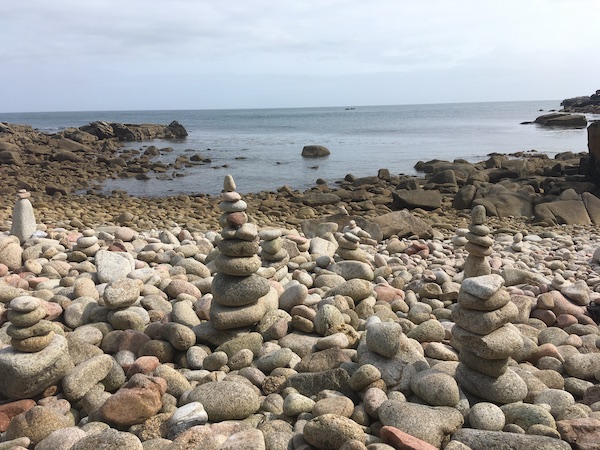





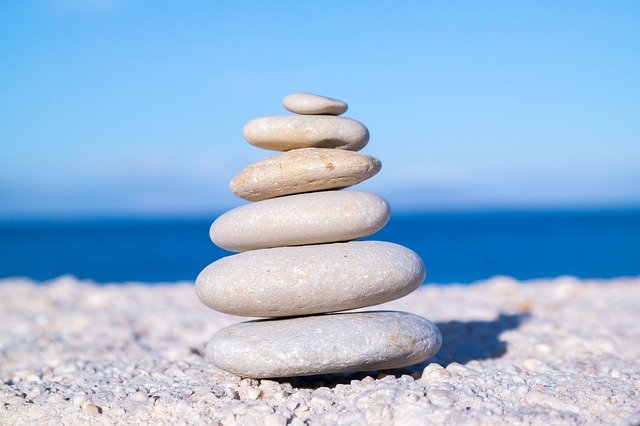


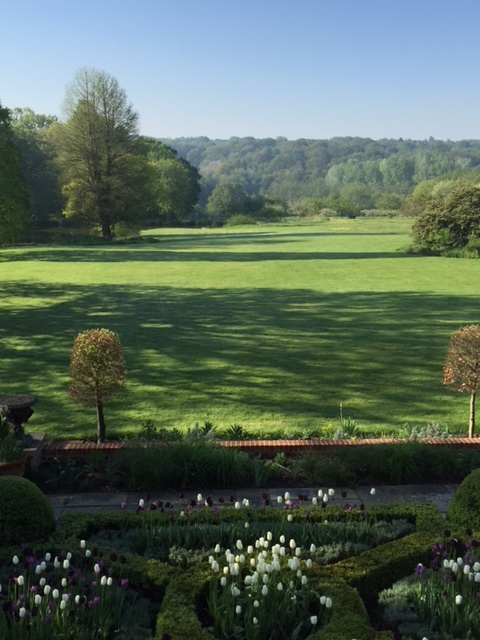 The view from my bedroom window




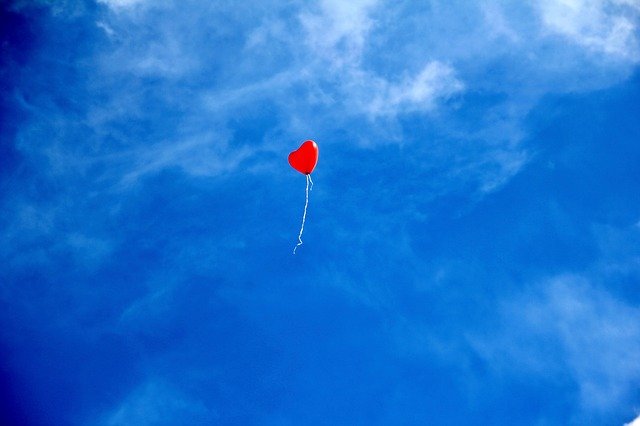

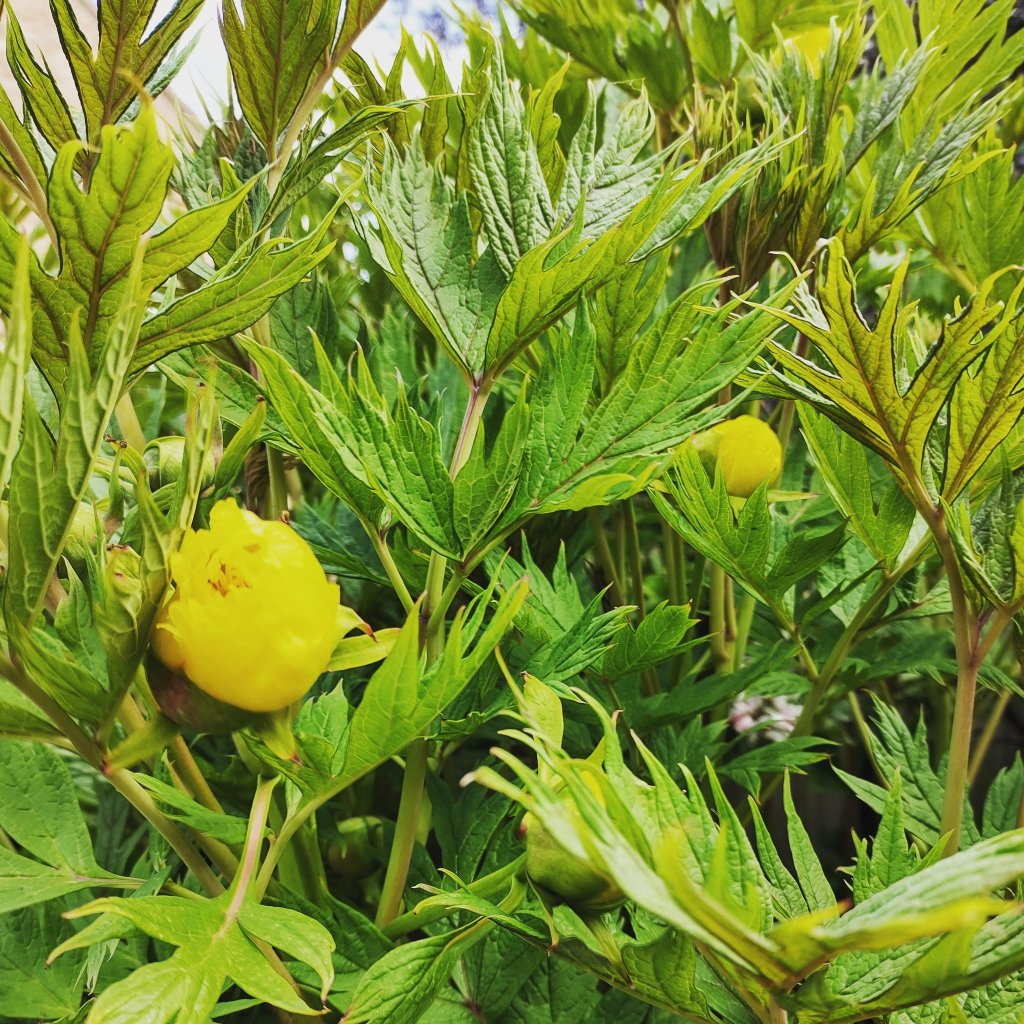

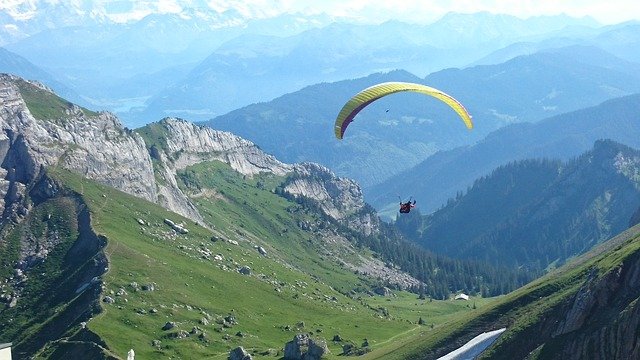
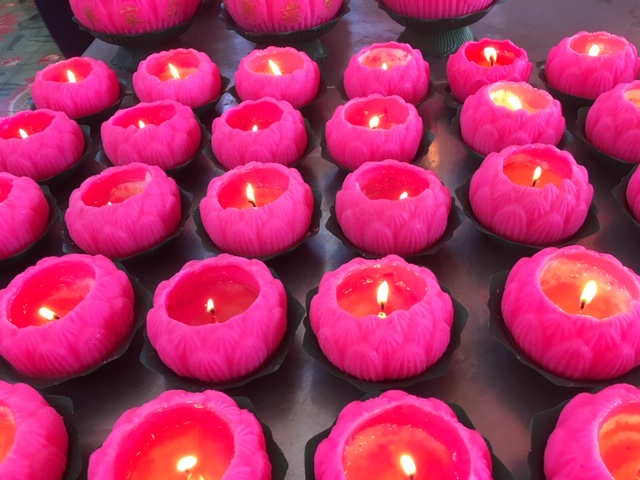
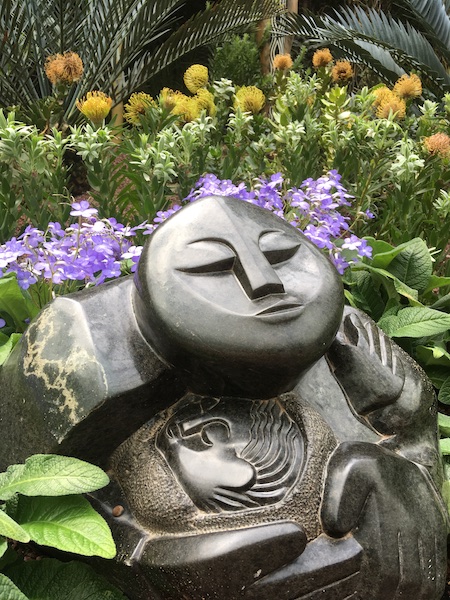





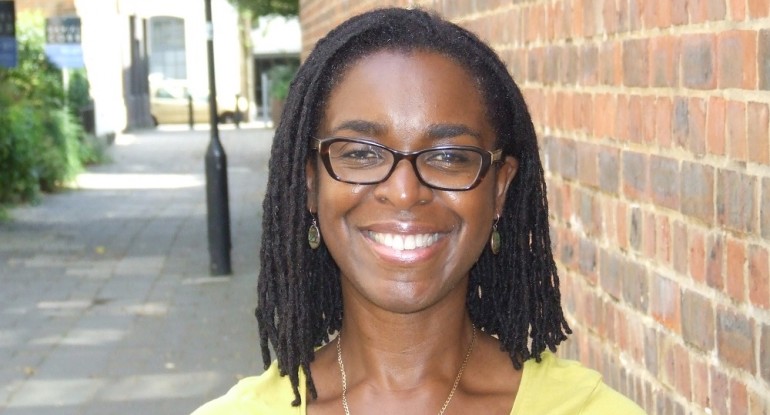


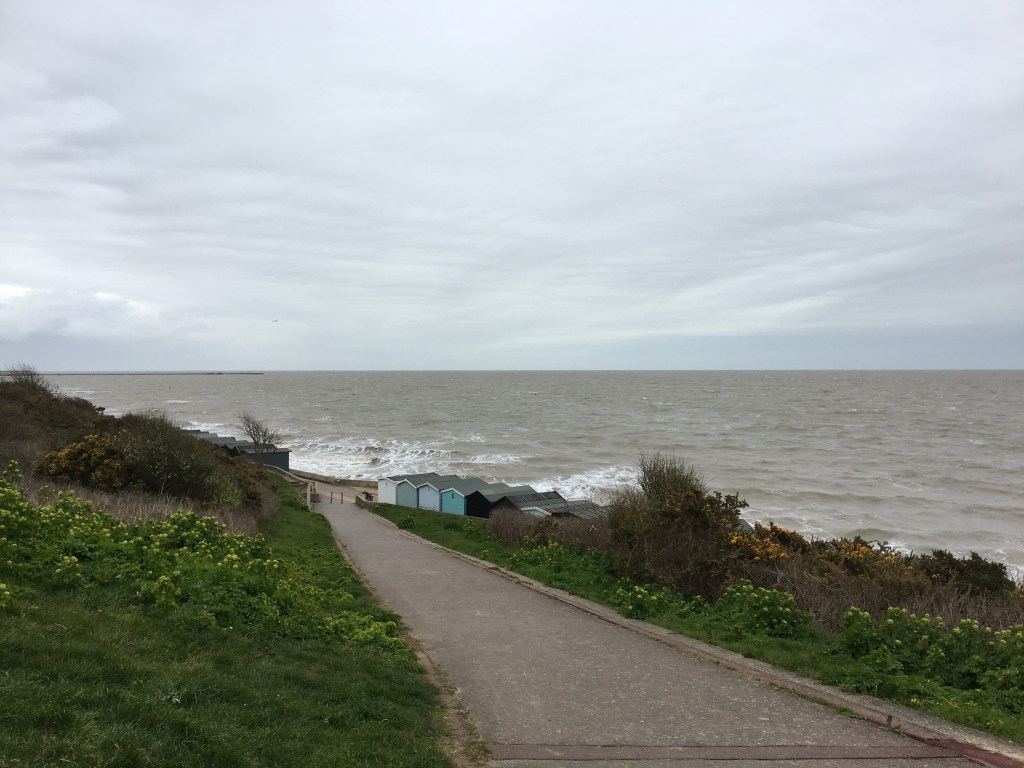

 Deborah Klee